The upcoming superhero movies of 2025 represent one of the most diverse and ambitious slates the genre has seen in years, with Marvel, DC, and Sony all releasing major tentpole films that promise to reshape their respective cinematic universes. After a somewhat turbulent 2024 that saw mixed critical reception and fluctuating box office returns for comic book adaptations, studios have recalibrated their strategies, focusing on quality over quantity and bringing fresh creative voices to beloved characters. This year marks a pivotal moment for superhero cinema as it attempts to recapture the cultural dominance it held during the peak Avengers era while adapting to changing audience expectations and streaming competition. The landscape of superhero filmmaking in 2025 addresses several questions that have lingered since the genre’s post-pandemic struggles.
Can the multiverse concept continue to engage audiences, or has it run its course? Will new characters successfully carry franchises without the star power of departed icons like Robert Downey Jr.’s Iron Man or the original Avengers lineup? How will DC’s rebooted universe under James Gunn’s creative direction compete with Marvel’s established dominance? These films will provide answers that shape the next decade of blockbuster entertainment. By the end of this guide, readers will have a comprehensive understanding of every major superhero release scheduled for 2025, including release dates, cast information, plot details, and the creative teams behind each project. The article also examines how these films connect to larger franchise plans, which projects have generated the most anticipation, and what trends are emerging across the genre. Whether planning theatrical outings or simply tracking the evolution of comic book cinema, this resource provides everything needed to navigate the year’s superhero offerings.
Table of Contents
- Which Superhero Movies Are Releasing in 2025 and When Can You Watch Them?
- Marvel’s 2025 Superhero Movie Lineup and MCU Phase Five Progression
- DC Universe Reboot and James Gunn’s Superman Vision
- How to Track Superhero Movie Release Dates and Avoid Schedule Changes
- Superhero Movie Fatigue and How 2025 Films Address Audience Concerns
- Animated Superhero Films and Beyond the Spider-Verse Anticipation
- How to Prepare
- How to Apply This
- Expert Tips
- Conclusion
- Frequently Asked Questions
Which Superhero Movies Are Releasing in 2025 and When Can You Watch Them?
The 2025 superhero movie calendar kicks off in February with “Captain America: Brave New World,” starring Anthony Mackie in his first solo outing as the shield-bearing hero after inheriting the mantle in “The Falcon and the Winter Soldier.” The film arrives February 14 and features Harrison Ford as President Thaddeus “Thunderbolt” Ross, marking a significant tonal shift toward political thriller territory for the franchise. March brings Sony’s “Spider-Man: Beyond the Spider-Verse,” the highly anticipated conclusion to the animated trilogy that has redefined what superhero animation can achieve, though the exact release date has shifted during production. The summer season delivers the heaviest concentration of superhero content. “Thunderbolts*” lands on May 2, assembling Marvel’s team of antiheroes and reformed villains in what Kevin Feige has described as a “recession Avengers” film.
July 25 marks the theatrical debut of “The Fantastic Four: First Steps,” introducing Marvel’s first family to the MCU with a retro-futuristic setting inspired by 1960s aesthetics and featuring Pedro Pascal, Vanessa Kirby, Joseph Quinn, and Ebon Moss-Bachrach. DC enters the conversation with “Superman” on July 11, James Gunn’s reboot starring David Corenswet as the Man of Steel in what serves as the true launch of the new DC Universe. Fall 2025 rounds out the year with several additional releases competing for audience attention during awards season. While specific dates for some projects remain fluid, the overall count of major superhero theatrical releases sits at approximately six to eight films, a deliberate reduction from previous years when Marvel alone released three or four annually. This strategic pullback reflects studio recognition that audience fatigue became a genuine concern, and spacing releases allows each film more room to breathe culturally and financially.
- “Captain America: Brave New World” debuts February 14 with Anthony Mackie and Harrison Ford
- “Superman” opens July 11 as the cornerstone of the new DC Universe
- “The Fantastic Four: First Steps” introduces Marvel’s cosmic family on July 25
- “Thunderbolts*” assembles antiheroes on May 2

Marvel’s 2025 Superhero Movie Lineup and MCU Phase Five Progression
Marvel studios enters 2025 at a critical juncture, needing to prove that the MCU can thrive without the original Avengers while building toward the next major crossover events, “Avengers: Doomsday” and “Avengers: Secret Wars,” scheduled for 2026 and 2027 respectively. “Captain America: Brave New World” carries significant weight as both a test of whether supporting characters can anchor franchises and a setup for the Red Hulk, with Harrison Ford’s transformation into the crimson powerhouse confirmed through merchandise and promotional materials. The film reportedly underwent extensive reshoots to strengthen its narrative and clarify connections to the broader Multiverse Saga. “Thunderbolts*” represents Marvel’s most ambitious ensemble since “Guardians of the Galaxy,” bringing together characters from various Disney+ series and films who exist in moral gray areas. The roster includes Yelena Belova (Florence Pugh), Bucky Barnes (Sebastian Stan), John Walker/U.S.
Agent (Wyatt Russell), Ghost (Hannah John-Kamen), Taskmaster (Olga Kurylenko), and a new character played by Lewis Pullman whose identity remains officially undisclosed but is widely speculated to be connected to the Sentry. The asterisk in the title has generated considerable speculation about its significance, with theories ranging from team member deaths to revelations about the group’s true purpose. “The Fantastic Four: First Steps” might be the year’s most consequential Marvel release, introducing characters whose comic book importance rivals the X-Men and whose previous film adaptations never achieved creative or commercial success. Director Matt Shakman brings his “WandaVision” sensibilities to a project set in an alternate 1960s timeline, allowing Marvel to explore retro-futuristic visuals while avoiding immediate integration complications with the modern MCU. The decision to cast established actors rather than newcomers signals Marvel’s recognition that the Fantastic Four require gravitas and chemistry that only proven performers can deliver.
- Phase Five continues building toward the Multiverse Saga’s conclusion
- Reshoots and development adjustments indicate Marvel’s willingness to delay for quality
- The Fantastic Four’s period setting offers creative flexibility for eventual crossover integration
DC Universe Reboot and James Gunn’s Superman Vision
James Gunn’s “Superman” stands as arguably the most scrutinized superhero film of 2025, carrying the weight of an entire franchise relaunch on its cape. Following the dissolution of the Snyderverse and the critical disappointment of projects like “Black Adam” and “The Flash,” Warner Bros. handed creative control to Gunn and producing partner Peter Safran, trusting their vision to revitalize DC’s theatrical presence. The film deliberately returns to a more optimistic, hopeful interpretation of Clark Kent after years of morally complex and visually dark DC offerings, with Gunn citing the Fleischer animated shorts and All-Star Superman as tonal influences. David Corenswet’s casting as Superman generated initial skepticism from fans attached to Henry Cavill, but early promotional images and trailer footage have largely converted doubters. The 6’4″ actor brings physical presence matching the character’s comic book stature, while his previous work in “Pearl” and “Hollywood” demonstrates range beyond simple physicality.
Rachel Brosnahan plays Lois Lane opposite Corenswet, bringing her “Marvelous Mrs. Maisel” credentials to Daily Planet journalism. The supporting cast includes Nicholas Hoult as Lex Luthor, presenting a younger, more physically imposing version of the villain than previous interpretations. What distinguishes this “Superman” from previous iterations is Gunn’s stated intention to present a Superman who already operates within a populated superhero world rather than standing alone. Confirmed appearances include Isabela Merced as Hawkgirl, Nathan Fillion as Green Lantern Guy Gardner, and Edi Gathegi as Mister Terrific, establishing that the Justice League exists in some form within this universe. This approach allows the film to feel expansive without requiring extensive origin storytelling for every character, trusting audiences to accept the premise and enjoy the adventure.
- The new DC Universe prioritizes tone consistency and creative vision over reactive decision-making
- Superman’s characterization returns to inspirational roots after Snyder-era deconstruction
- Ensemble casting establishes universe scope without sacrificing Clark Kent’s central narrative

How to Track Superhero Movie Release Dates and Avoid Schedule Changes
Staying current with superhero movie schedules requires navigating a landscape of frequent delays, reshuffles, and strategic repositioning that has become standard industry practice. Studios regularly announce ambitious slates years in advance, only to adjust dates as production realities, competitive pressures, and market conditions evolve. The 2025 calendar has already experienced multiple changes from its original projections, with films moving forward, backward, and occasionally disappearing entirely from scheduled release windows. Official studio channels provide the most reliable information, though even these sources change regularly. Marvel Studios maintains an updated theatrical schedule through Disney’s corporate announcements and the Marvel.com website, while DC’s release calendar appears through Warner Bros.
Discovery investor communications and the DCU’s official social media presence. Following trades like Variety, The Hollywood Reporter, and Deadline offers early warning of schedule changes, as studios often communicate shifts to press before updating consumer-facing materials. Setting alerts for specific film titles through Google News or entertainment aggregators helps filter relevant updates from general industry noise. The post-pandemic era has seen streaming considerations complicate theatrical planning in ways that affect superhero releases specifically. Disney’s 90-day theatrical window before Disney+ availability influences Marvel’s spacing decisions, while Warner Bros.’ parallel development of MAX content creates resource competition with theatrical productions. Understanding these business dynamics helps explain why certain films shift dates and why gaps appear between related properties that might otherwise release closer together.
- Monitor studio investor calls and earnings reports for reliable schedule updates
- Entertainment trade publications break date changes before consumer announcements
- Streaming windows influence theatrical scheduling strategies
- Production delays from strikes and reshoots have normalized calendar flexibility
Superhero Movie Fatigue and How 2025 Films Address Audience Concerns
The concept of superhero fatigue has transitioned from critical speculation to measurable box office reality over the past three years, with several high-profile releases underperforming expectations and overall genre revenue declining from pandemic-era peaks. “The Marvels” represented the lowest-grossing MCU film in franchise history, “The Flash” disappointed despite decades of development anticipation, and even successful releases like “Guardians of the Galaxy Vol. 3” performed below predecessor totals. Studios have responded with strategic adjustments visible throughout the 2025 slate. Reduced volume represents the most obvious correction, with 2025 featuring fewer superhero releases than any year since 2019. This deliberate pullback allows each film greater cultural bandwidth and reduces the perception that audiences must keep pace with an overwhelming content avalanche.
Marvel’s decision to scale back Disney+ series production similarly reflects recognition that constant content dilutes individual project impact. The films releasing in 2025 have received extended development periods and, in several cases, significant reshoots to ensure they meet quality thresholds that slipped during the franchise’s most prolific years. Creative differentiation has become another priority, with 2025 films deliberately varying in tone, genre, and visual approach. “Captain America: Brave New World” leans into political thriller conventions, “The Fantastic Four” embraces retro aesthetics distinct from standard MCU visuals, and “Superman” promises earnest optimism contrasting DC’s previous brooding tendencies. Animation continues proving that superhero storytelling can innovate through films like “Beyond the Spider-Verse,” which employs visual techniques impossible in live-action. This variety acknowledges that treating all superhero content as interchangeable contributed to audience disengagement.
- Reduced release volume allows individual films to reclaim cultural significance
- Extended development periods address quality concerns that plagued recent releases
- Genre and tonal variation combats perception of superhero content homogeneity
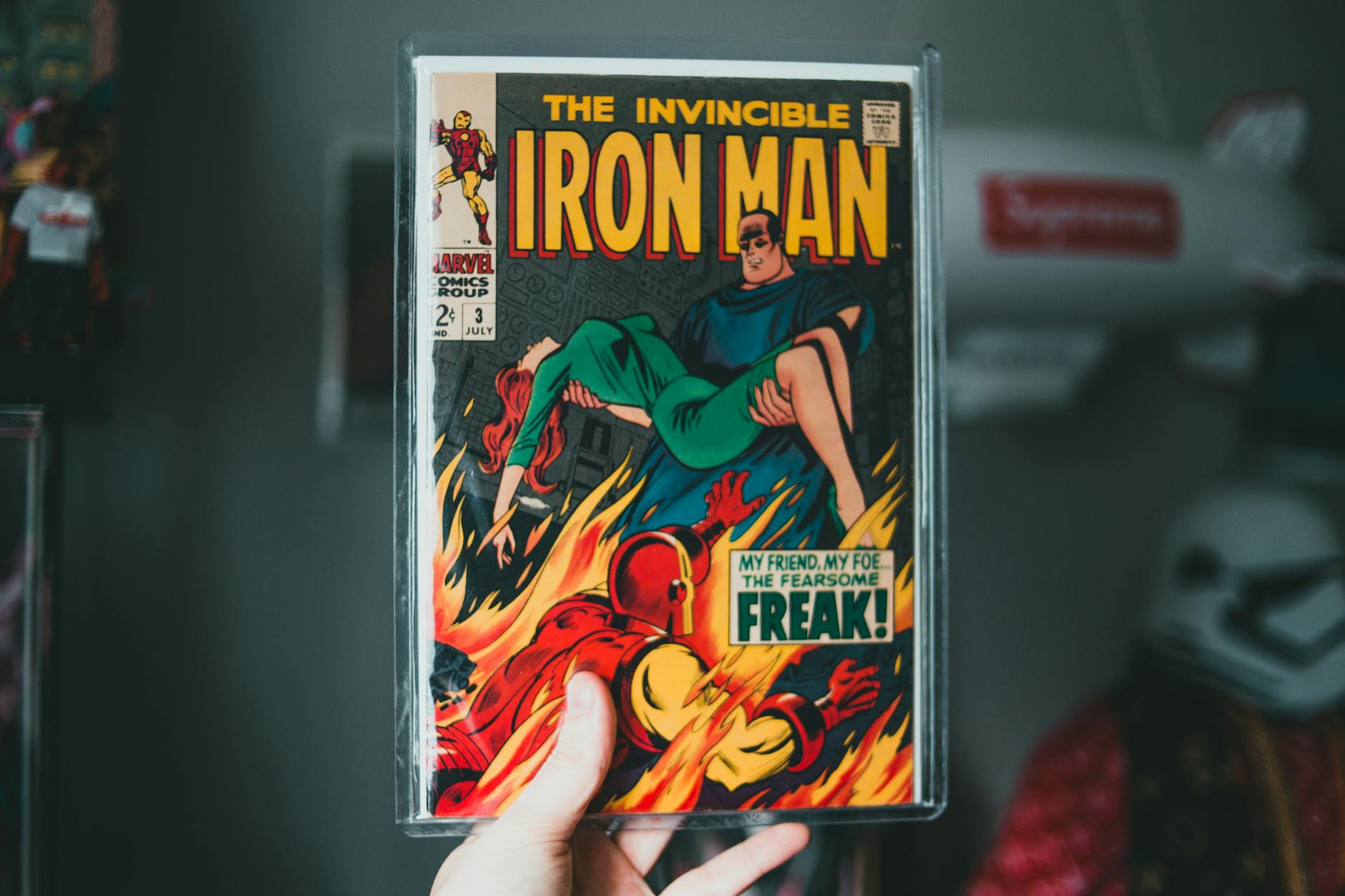
Animated Superhero Films and Beyond the Spider-Verse Anticipation
While live-action dominates superhero discourse, animated entries have quietly delivered some of the genre’s most acclaimed work, and “Spider-Man: Beyond the Spider-Verse” carries expectations that rival any 2025 theatrical release. The first two Spider-Verse films revolutionized animation techniques, introduced Miles Morales to mainstream audiences, and proved that superhero stories could achieve artistic recognition beyond popcorn entertainment. The trilogy conclusion faces the challenge of resolving complex multiverse plotting while maintaining the visual innovation that distinguished its predecessors. Production on “Beyond the Spider-Verse” has extended beyond original projections, with Sony prioritizing completion quality over release date adherence.
The studio learned from “Across the Spider-Verse’s” reportedly grueling production schedule and has publicly committed to avoiding similar crunch conditions while still achieving the technical ambition the series demands. Voice cast returns include Shameik Moore as Miles, Hailee Steinfeld as Gwen Stacy, and Oscar Isaac as Miguel O’Hara, with additional casting details remaining tightly guarded to preserve narrative surprises. The Spider-Verse films have also influenced live-action superhero productions, with multiverse concepts and visual experimentation becoming more prevalent across the genre. “The Flash’s” use of multiple Batman variants, the MCU’s continued multiverse exploration, and even “Superman’s” populated superhero world all reflect lessons learned from animation’s willingness to embrace comic book abstraction. Whatever “Beyond the Spider-Verse” delivers, its impact extends beyond box office performance to ongoing influence on how superhero stories can be told.
- Animation provides creative freedom impossible in live-action production
- Extended production reflects commitment to quality and crew sustainability
- Spider-Verse influence visible across live-action superhero filmmaking
How to Prepare
- **Review necessary backstory material before each release.** “Captain America: Brave New World” benefits from watching “The Falcon and the Winter Soldier” and understanding Sam Wilson’s shield journey. “Thunderbolts*” draws characters from “Black Widow,” “The Falcon and the Winter Soldier,” and “Ant-Man and the Wasp,” making those films valuable preparation. “Superman” functions as a fresh start requiring no previous DC viewing, while “The Fantastic Four” similarly introduces new characters without continuity baggage.
- **Set calendar reminders for release dates and ticket presales.** Major superhero releases typically open presales two to three weeks before theatrical debut, with premium formats like IMAX and Dolby Cinema selling out quickly for opening weekends. Adding reminders for both presale dates and theatrical releases prevents missing optimal viewing opportunities. Most theater chains announce presale timing through email newsletters and mobile apps.
- **Research format options for each film.** Different superhero films benefit from different viewing experiences based on their visual approach. “The Fantastic Four’s” retro aesthetic may play differently in standard versus large format presentations, while films with extensive CGI spectacle typically benefit from premium sound systems. Reading early technical reviews helps identify which format suits each release.
- **Budget for theatrical costs across the year.** With six to eight potential superhero releases plus premium format upcharges, 2025 theatrical attendance can become expensive. Deciding in advance which films warrant opening weekend theatrical viewing versus home streaming patience helps manage entertainment spending. Subscription services like AMC A-List or Regal Unlimited offer savings for frequent attendees.
- **Join fan communities for spoiler management and discussion.** Reddit communities, Discord servers, and social media groups focused on specific franchises help navigate spoiler-heavy marketing seasons while providing spaces for post-viewing discussion. Establishing community membership before release dates ensures access to moderated, spoiler-conscious spaces.
How to Apply This
- **Create a viewing priority list ranking your interest in each 2025 release.** Not every superhero film demands theatrical attendance, and personal preferences vary. Ranking releases helps allocate time and money toward films that genuinely excite rather than viewing out of obligation. Update rankings as trailers and reviews provide additional information.
- **Organize watch parties or group outings for anticipated releases.** Superhero films traditionally perform as social experiences, and coordinating attendance with friends or family enhances enjoyment while creating shared cultural moments. Booking group tickets through theater apps often provides seating proximity that walk-up purchasing cannot guarantee.
- **Balance theatrical viewing with streaming backlog management.** Disney+ and MAX host extensive superhero content that provides context for 2025 releases. Creating a structured viewing schedule that incorporates both theatrical attendance and home streaming ensures comprehensive franchise understanding without overwhelming your entertainment time.
- **Document your reactions and predictions for future reference.** Keeping notes on expectations before viewing and reactions afterward creates personal records that enhance franchise engagement over time. Many fans enjoy revisiting their predictions once films release, comparing anticipated quality to actual experience.
Expert Tips
- **Watch trailers strategically rather than consuming all marketing.** Modern superhero marketing often reveals significant plot points in trailers released close to premiere dates. Watching initial teasers while avoiding later trailers preserves surprise while still building anticipation. The first trailer typically establishes tone and basic premise; subsequent trailers increasingly spoil narrative developments.
- **Consider midweek screenings for better theatrical experiences.** Opening weekend crowds bring energy but also distractions, sold-out shows, and premium pricing in some markets. Tuesday or Wednesday evening screenings during the second week often provide superior viewing conditions with smaller, more engaged audiences and lower ticket prices.
- **Read reviews for content warnings rather than quality assessments if avoiding spoilers.** Critics often discuss plot details that constitute spoilers for sensitive viewers. Scanning reviews specifically for content advisories about violence, themes, or post-credit scenes provides practical information without narrative revelation.
- **Recognize that post-credit scenes no longer require theater attendance.** Studios now release post-credit scene details online within days of premiere, and streaming releases include all supplementary content. Sitting through extended credits for mandatory future film setup has become optional for those who find the practice tedious.
- **Maintain realistic expectations based on marketing and creative team track records.** Individual excitement often conflicts with likely quality, and managing expectations prevents disappointment. Researching directors’ previous work and recognizing when marketing oversells mediocre footage helps calibrate anticipation appropriately.
Conclusion
The upcoming superhero movies of 2025 represent a pivotal year for the genre, testing whether comic book cinema can evolve beyond the formulaic approaches that contributed to recent audience disengagement. Marvel’s strategic reduction in output, DC’s comprehensive reboot under unified creative leadership, and Sony’s continued animation innovation all respond to genuine market feedback demanding quality over quantity.
The films releasing this year will determine whether superhero storytelling remains dominant blockbuster entertainment or transitions to a smaller, more dedicated audience niche. Viewers entering 2025 with calibrated expectations and strategic viewing plans will find genuine entertainment across the slate, from the political intrigue of “Captain America: Brave New World” to the cosmic family dynamics of “The Fantastic Four” to the hopeful heroism of James Gunn’s “Superman.” The genre’s future depends not on any single release but on the cumulative impact of these films demonstrating that superhero stories can still surprise, move, and thrill audiences who have seen countless caped adventures. For those willing to engage thoughtfully rather than consume reflexively, 2025 offers opportunities to rediscover what made superhero cinema culturally dominant in the first place.
Frequently Asked Questions
How long does it typically take to see results?
Results vary depending on individual circumstances, but most people begin to see meaningful progress within 4-8 weeks of consistent effort.
Is this approach suitable for beginners?
Yes, this approach works well for beginners when implemented gradually. Starting with the fundamentals leads to better long-term results.
What are the most common mistakes to avoid?
The most common mistakes include rushing the process, skipping foundational steps, and failing to track progress.
How can I measure my progress effectively?
Set specific, measurable goals at the outset and track relevant metrics regularly. Keep a journal to document your journey.