The use of color in The Grand Budapest Hotel (2014) stands as one of the most deliberate and visually striking applications of chromatic storytelling in contemporary cinema. Wes Anderson’s eighth feature film transforms every frame into a meticulously crafted confection of pinks, purples, reds, and earth tones, creating a visual language that communicates narrative information, emotional states, and thematic depth without a single word of dialogue. The film’s color palette has become so iconic that it spawned countless aesthetic tributes, influenced interior design trends, and set a new standard for how directors approach production design.
Understanding how color functions in The Grand Budapest Hotel addresses fundamental questions about visual storytelling: How can filmmakers use chromatic choices to distinguish between time periods? What emotional responses do specific color combinations trigger in audiences? How does a consistent visual palette create thematic cohesion across a complex narrative structure? The film operates on three distinct timelines, and Anderson uses color to orient viewers within each temporal layer while simultaneously commenting on the passage of time, the loss of elegance, and the persistence of memory. By the end of this analysis, readers will understand the specific color strategies Anderson and his collaborators employed, the symbolic significance of the film’s dominant hues, and the technical processes that brought this vision to screen. The Grand Budapest Hotel earned an Academy Award for Best Production Design, recognizing the extraordinary work of Adam Stockhausen and Anna Pinnock. Their achievement, combined with the cinematography of Robert Yeoman, offers a masterclass in chromatic filmmaking that rewards close study from both casual viewers and serious students of the medium.
Table of Contents
- Why Does Wes Anderson Use Such a Distinctive Color Palette in The Grand Budapest Hotel?
- The Symbolic Meaning of Pink in The Grand Budapest Hotel’s Visual Design
- How Color Differentiates the Three Time Periods in The Grand Budapest Hotel
- Practical Color Techniques Used by the Grand Budapest Hotel Production Team
- Common Misconceptions About Color Grading and Anderson’s Visual Style
- The Influence of The Grand Budapest Hotel’s Color Palette on Contemporary Visual Culture
- How to Prepare
- How to Apply This
- Expert Tips
- Conclusion
- Frequently Asked Questions
Why Does Wes Anderson Use Such a Distinctive Color Palette in The Grand Budapest Hotel?
Wes Anderson has cultivated a reputation for highly stylized visual compositions throughout his career, but The Grand Budapest Hotel represents the apotheosis of his color-driven aesthetic. The director uses color not merely for decoration but as a narrative tool that communicates information about time, place, emotion, and character. Anderson has stated in interviews that he wanted the film to feel like a memory of a memory, a story twice removed from reality, and the saturated, almost artificial color palette reinforces this dreamlike quality. The distinctive color palette serves multiple narrative functions simultaneously. The film’s three time periods each receive their own chromatic treatment: the 1930s sequences burst with warm pinks, purples, and reds; the 1960s segments shift to muted oranges and browns; and the contemporary framing device appears in cooler, more naturalistic tones.
This color-coding allows audiences to orient themselves instantly when the film cuts between timelines, eliminating the need for expository dialogue or title cards. The approach reflects how memory itself operates, with the distant past appearing more vivid and romanticized than recent events. Anderson’s color choices also reflect the film’s thematic preoccupations with nostalgia, loss, and the destruction of European civilization during the World War era. The vibrant 1930s palette represents a world of elegance and sophistication that no longer exists, a belle époque about to be consumed by fascism and violence. The colors function as visual elegy, their very beauty reminding viewers of what will be lost. Key elements of the color strategy include:.
- Pink as the dominant hue, representing the hotel’s aristocratic refinement and the romantic sensibility of its concierge
- Deep purples and magentas that suggest luxury, mystery, and the Byzantine complexity of the plot
- Strategic deployment of complementary colors like gold and teal to create visual tension and guide the eye
The Symbolic Meaning of Pink in The Grand Budapest Hotel’s Visual Design
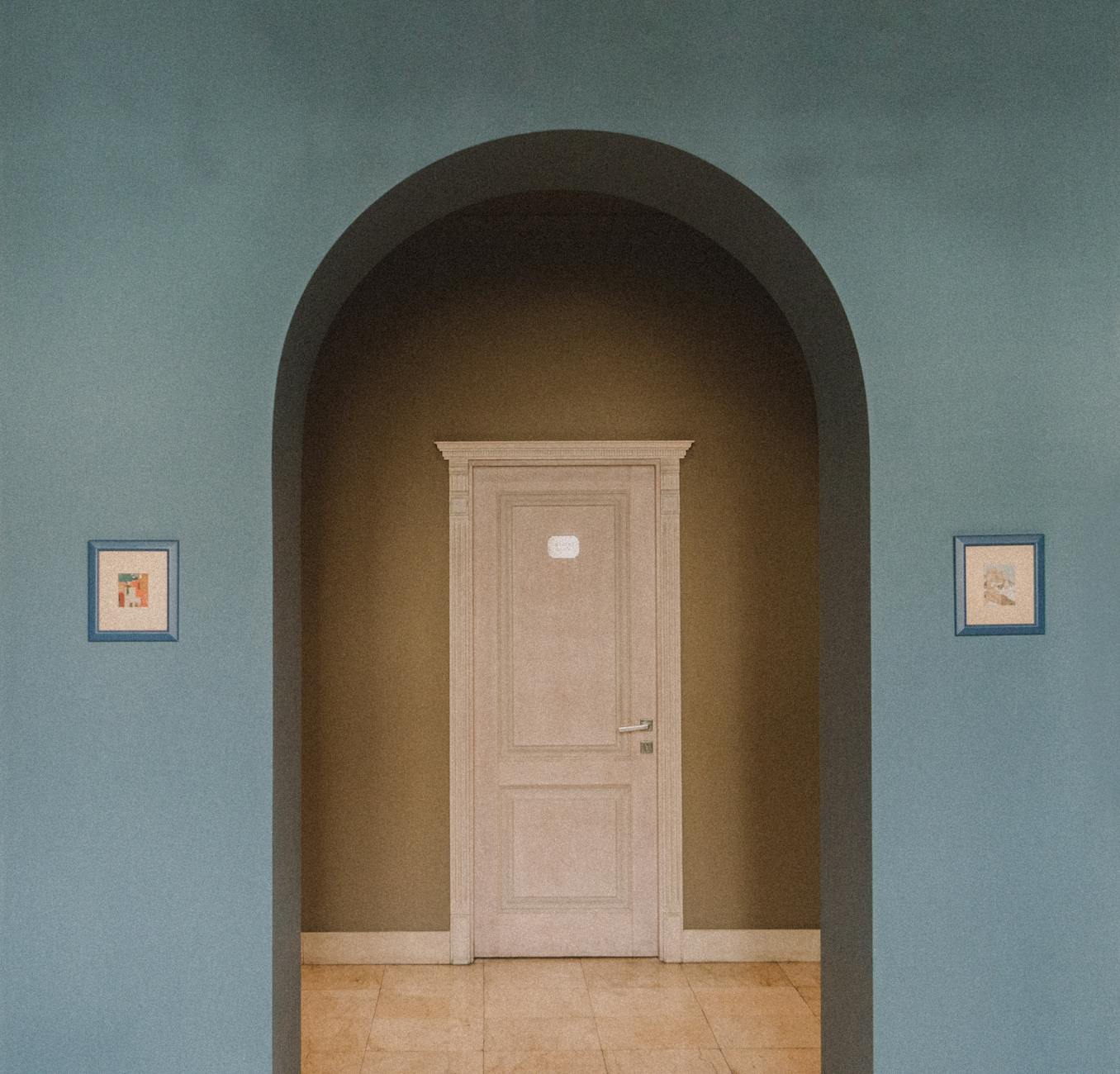
Pink dominates The Grand Budapest Hotel’s visual identity to such an extent that the film has become synonymous with the color in popular culture. The iconic exterior of the hotel itself, painted in a shade Anderson calls “Mendl’s pink” after the fictional patisserie, establishes the chromatic thesis from the first establishing shot. This particular pink, a warm dusty rose with subtle coral undertones, appears throughout the 1930s sequences in wallpaper, uniforms, pastry boxes, and architectural details. The symbolic weight of pink in the film operates on several levels. Traditionally associated with femininity, romance, and sweetness, pink in The Grand Budapest Hotel takes on additional connotations of nostalgia, artificiality, and fragile beauty. The color suggests the confectionery quality of Zero and Gustave’s world, a civilization built on manners, aesthetics, and surface pleasures.
Yet this sweetness exists in tension with the film’s darker undercurrents of murder, theft, fascism, and war. The pink Mendl’s boxes, those perfect miniature packages, frequently appear in scenes of violence or escape, their delicate appearance contrasting grotesquely with the surrounding chaos. Anderson and production designer Adam Stockhausen developed multiple shades of pink for different contexts within the film. The hotel’s exterior pink differs from the interior pinks, which themselves vary between rooms and time periods. The Mendl’s pastry boxes employ a slightly more saturated pink, making them pop visually in any frame. Important aspects of the pink symbolism include:.
- The color references the hotel’s past glory, appearing most saturated in flashback sequences and fading in later time periods
- Pink associates with M. Gustave specifically, appearing in his world and diminishing after his death
- The artificial quality of the pink acknowledges the constructed nature of memory and storytelling itself
How Color Differentiates the Three Time Periods in The Grand Budapest Hotel
The Grand Budapest Hotel employs a nested narrative structure with three distinct time periods: 1985, when an author recalls meeting the hotel’s owner; 1968, when that meeting occurred; and the 1930s, when the main story takes place. Anderson and cinematographer Robert Yeoman developed unique color treatments for each era, creating an intuitive visual grammar that guides viewers through the chronological complexity without confusion. The 1930s sequences, which comprise the bulk of the film’s running time, employ the most saturated and fantastical color palette. Warm tones predominate: pinks, purples, reds, golds, and rich browns create a world that feels simultaneously historical and heightened. Yeoman shot these sequences on film stock that emphasizes warmth, and the production design pushed colors to their maximum saturation.
The 1968 sequences shift dramatically to a palette of muted oranges, browns, and olives, reflecting both the decade’s actual design sensibilities and the deterioration of the hotel itself. Colors that once seemed vibrant now appear faded and tired, like a photograph left too long in sunlight. The 1985 and present-day framing sequences receive the most naturalistic treatment, with cooler color temperatures and reduced saturation. This graduated desaturation across the timeline creates a visual metaphor for the loss of magic and elegance that the film mourns. Viewers watching carefully will notice:.
- Aspect ratio changes accompany the color shifts: 1.37:1 Academy ratio for the 1930s, 2.35:1 anamorphic for the 1960s, and 1.85:1 for contemporary scenes
- The 1960s palette reflects actual design trends of that decade, grounding those sequences in historical reality
- Each timeline’s color treatment affects how audiences emotionally engage with the characters and events depicted
Practical Color Techniques Used by the Grand Budapest Hotel Production Team
Creating The Grand Budapest Hotel’s distinctive chromatic vision required coordination across every department, from production design to costumes to cinematography to post-production color grading. Adam Stockhausen’s production design team began with extensive research into early 20th-century European hotels, then pushed their findings into the realm of heightened reality. Every surface visible on screen received careful consideration: wallpapers were custom printed, paint colors were mixed specifically for the production, and furnishings were sourced or built to exact chromatic specifications. Costume designer Milena Canonero, a four-time Oscar winner, designed wardrobes that integrated seamlessly with the production design while maintaining character distinction. M.
Gustave’s purple suit jacket, with its distinctive gold buttons, became the character’s signature, its regal color suggesting his aspirations to aristocratic refinement. Zero’s lobby boy uniform of deep purple with gold accents creates visual harmony with his mentor while establishing hierarchy. The prisoners’ gray-striped pajamas introduce the only truly neutral tones in the 1930s sequences, visually marking the intrusion of institutional brutality into the colorful world. Robert Yeoman’s cinematography employed careful lighting and film stock choices to enhance the production design’s colors. The 1930s sequences were shot on Kodak film stocks known for warm reproduction, while careful lighting maintained color accuracy across the elaborate sets. Practical techniques employed include:.
- Custom-mixed paint colors that would read correctly on camera, often different from how they appeared to the naked eye
- Strategic use of practicals (visible light sources within the frame) to create warm pools of color
- Color-coordinated extras and background elements to maintain palette consistency in every frame
- Post-production color grading that enhanced saturation while maintaining the intentionally artificial quality
Common Misconceptions About Color Grading and Anderson’s Visual Style
One frequent misconception about The Grand Budapest Hotel’s visual style concerns the role of digital color grading in creating its distinctive look. While color grading certainly played a role in refining the final image, the film’s chromatic identity was primarily achieved in-camera and through physical production design. Anderson and his team are notable for their commitment to practical effects and real sets, and the colors audiences see on screen were largely present on location during filming. Another common misunderstanding involves the assumption that Anderson simply chooses colors he finds personally appealing, without deeper narrative purpose. While the director clearly possesses strong aesthetic preferences, close analysis reveals that color choices in The Grand Budapest Hotel correlate precisely with narrative and thematic content.
The shift from warm to cool colors across the three time periods, the association of specific hues with individual characters, and the deployment of color contrast in moments of tension all demonstrate intentionality beyond mere preference. Some critics have dismissed Anderson’s visual style as superficial or prioritizing aesthetics over substance. This criticism misunderstands how color functions as meaning in cinema. In The Grand Budapest Hotel, visual style IS substance; the colors communicate thematic content as directly as dialogue. Additional clarifications worth noting:.
- The miniature shots of the hotel employ the same color palette as the full-scale sets, requiring precise matching across vastly different scales
- Anderson works with the same core collaborators across multiple films, allowing for increasingly sophisticated color language
- The film’s color strategy was planned from the screenplay stage, with Anderson’s scripts including detailed visual descriptions

The Influence of The Grand Budapest Hotel’s Color Palette on Contemporary Visual Culture
The Grand Budapest Hotel’s release in March 2014 triggered an immediate and lasting impact on visual culture beyond cinema. Interior designers reported increased demand for millennial pink and dusty rose tones in the years following the film’s release. The “Wes Anderson aesthetic” became a recognized design category, with everything from cafes to wedding decorations to Instagram feeds explicitly referencing the film’s color palette. This cultural penetration demonstrates how effectively the film communicated its visual language.
The influence extends to other filmmakers as well. Directors working in various genres have cited Anderson’s chromatic approach as inspirational, and increased attention to coherent color palettes has become noticeable across contemporary cinema. The film demonstrated that mainstream audiences would embrace highly stylized color design, potentially emboldening studios to greenlight visually ambitious projects. Whether this influence represents lasting artistic impact or merely a passing trend remains to be seen, but The Grand Budapest Hotel undeniably shifted conversations about what cinematic color could accomplish.
How to Prepare
- **Study basic color theory concepts** including complementary colors, color temperature, saturation, and value. Understanding that pink and teal are near-complements explains why they create such visual tension when placed together. Knowing that warm colors advance while cool colors recede illuminates Anderson’s spatial compositions.
- **Watch the film once purely for enjoyment** to experience the color design intuitively before analytical viewing. This initial viewing establishes emotional responses that subsequent analysis can interrogate. Note which moments feel visually distinctive without yet asking why.
- **Research the film’s production history** by reading interviews with Anderson, Stockhausen, Yeoman, and Canonero. Understanding their stated intentions provides context for what you observe on screen. The Criterion Collection release includes valuable behind-the-scenes material.
- **Gather frame grabs or stills** from each time period for side-by-side comparison. Many analytical insights emerge only when frames are viewed simultaneously, allowing direct comparison of palette shifts between eras.
- **Familiarize yourself with Anderson’s other films** to understand how The Grand Budapest Hotel represents both continuity and evolution in his visual style. Comparing color strategies across his filmography reveals how his approach has developed over time.
How to Apply This
- **Begin with narrative purpose** rather than aesthetic preference when developing a color palette. Ask what colors will communicate about character, setting, and theme before considering what simply looks appealing. Anderson’s choices work because they mean something.
- **Develop color rules for your project** and maintain consistency. If a character is associated with a particular hue, that association should persist throughout. Violations of established color rules can signal narrative disruption, but only if the rules exist clearly enough to be violated.
- **Consider how colors will shift across the duration** of your project, whether that involves time periods, emotional arcs, or location changes. The Grand Budapest Hotel’s graduated desaturation creates meaning; static palettes may miss similar opportunities.
- **Coordinate across all visual departments** to maintain chromatic coherence. The Grand Budapest Hotel’s impact comes from the alignment of production design, costume, lighting, and post-production. Isolated color choices in one department will not achieve the same effect.
Expert Tips
- **Start color planning during writing.** Anderson’s screenplays include detailed visual descriptions because he understands that color design cannot be afterthought. By the time a production designer is hired, key chromatic decisions should already be established.
- **Create physical color boards and references** rather than relying on digital images alone. Colors appear differently on various screens, and physical samples ensure everyone shares the same references. The Grand Budapest Hotel team used extensive physical samples during pre-production.
- **Test colors on camera before committing.** Paint, fabric, and other materials rarely photograph as they appear to the eye. What reads as pink in person may appear salmon or beige on screen, depending on lighting and camera settings.
- **Use color contrast sparingly and purposefully.** The Grand Budapest Hotel’s red blood on pink snow creates immediate visual impact precisely because such high contrast appears infrequently. If every scene deployed similar contrast, the effect would dissipate.
- **Study the color palettes of films you admire** by using color extraction tools on frame grabs. Identifying the specific hues, their relative proportions, and their distribution within frames provides practical templates for your own work.
Conclusion
The Grand Budapest Hotel demonstrates that color in cinema can function as a complete narrative language, communicating time, place, emotion, and meaning as eloquently as dialogue or performance. Wes Anderson and his collaborators created a chromatic system of remarkable sophistication, where every pink wallpaper, purple uniform, and orange lampshade contributes to a coherent visual argument about memory, loss, and beauty. The film rewards not just viewing but study, revealing new layers of intentionality with each examination.
For filmmakers and visual artists, The Grand Budapest Hotel offers both inspiration and instruction. Its success proves that audiences respond to bold, coherent color design, while its execution provides practical examples of how such design is achieved through cross-departmental coordination and careful planning. The film’s influence on visual culture beyond cinema suggests that its lessons apply broadly to anyone working in visual media. Those who take the time to understand its chromatic strategies will find themselves better equipped to deploy color purposefully in their own creative work.
Frequently Asked Questions
How long does it typically take to see results?
Results vary depending on individual circumstances, but most people begin to see meaningful progress within 4-8 weeks of consistent effort.
Is this approach suitable for beginners?
Yes, this approach works well for beginners when implemented gradually. Starting with the fundamentals leads to better long-term results.
What are the most common mistakes to avoid?
The most common mistakes include rushing the process, skipping foundational steps, and failing to track progress.
How can I measure my progress effectively?
Set specific, measurable goals at the outset and track relevant metrics regularly. Keep a journal to document your journey.