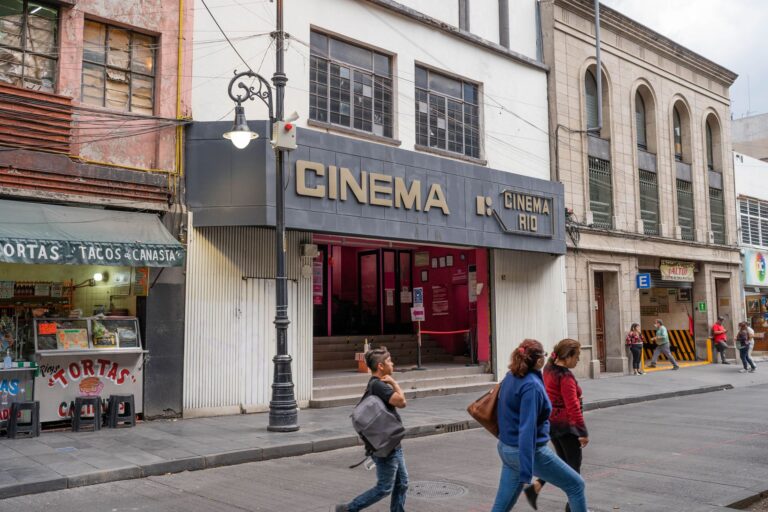
The emotional turning point of *The Last Picture Show* occurs not in a single scene but across the film’s treatment of the Anarene movie theater’s closure, which shatters the illusion of continuity that has held the small Texas town together. This moment, filmed by Peter Bogdanovich with deliberate restraint rather than melodrama, represents the precise instant when the characters—and the audience—must accept that the comfortable structures of their lives are collapsing. Bogdanovich doesn’t mark this with a dramatic confrontation or a grand gesture; instead, he lets the camera linger on empty seats and the silence of a darkened screen, allowing the absence itself to become the statement.
The emotional weight emerges from what the theater represents: a gathering place, a shared escape, a constant that has defined the rhythm of adolescence for Sonny, Duane, and Jacy. When it closes, each character is forced into isolation and confrontation with their own failures, desires, and the limitations of their small world. This turning point divides the film into before and after, shifting the narrative from coming-of-age comedy-drama into something closer to elegiac tragedy.
Table of Contents
- How the Theater Closure Functions as the Narrative’s Central Pivot
- The Shifting Emotional Landscape After the Turning Point
- Character Fractures and the Dissolution of Connection
- The Cinematic Language of Loss and Absence
- The Disillusionment with Adulthood as an Emotional Crisis
- Sam the Lion’s Death as the Emotional Anchor
- The Long Goodbye and the Film’s Resistance to Resolution
How the Theater Closure Functions as the Narrative’s Central Pivot
The closing of the picture show serves a dual purpose: it is both a literal event and a metaphor for the dying of possibility. For most of the film, the theater acts as a refuge where characters can imagine lives beyond Anarene, where they can sit in darkness and forget their immediate circumstances. When Sam the Lion, who owns the theater, becomes ill and eventually dies, the loss is not primarily about entertainment options—it is about the removal of a symbolic sanctuary. Bogdanovich shows the impact by simply allowing scenes to occur in emptier spaces afterward; the town feels noticeably smaller.
What makes this turning point particularly effective is that it forces internal conflict rather than resolving external ones. Sonny and Duane cannot escape their predicaments by watching movies anymore. Jacy cannot hide from the consequences of her choices. The closure strips away the possibility of evasion, leaving each character alone with their actual circumstances. This is a limitation of the film’s approach that some viewers find frustrating—there is no climactic confrontation, no clear redemption, just the slow realization that the comfort they relied on is gone.
The Shifting Emotional Landscape After the Turning Point
Following the theater’s closure, the film’s emotional register changes noticeably. Earlier scenes contain levity, awkward humor, and the possibility of romantic escape. After this pivot, the same characters encounter genuine despair. Sonny’s affair with Ruth Popper, the coach’s wife, which earlier seemed like an exciting transgression, becomes a source of shame and emotional entanglement. Duane’s romantic pursuit of Jacy, which carried comedic potential, transforms into humiliation.
The shift is not accompanied by different cinematography or obvious stylistic changes—it is achieved through the characters’ own dawning awareness of their situation. A warning worth noting: the film’s refusal to provide cathartic release after this turning point has led some audiences to dismiss the second half as repetitive or depressing. However, this emotional exhaustion is precisely the point. Bogdanovich is documenting the specific texture of small-town disappointment, where dreams don’t die in climactic moments but rather fade through the accumulation of small failures. The turning point marks the moment when fading becomes undeniable.
Character Fractures and the Dissolution of Connection
The turning point accelerates the fracturing of relationships that were already fragile. Sonny and Duane’s friendship, which has been strained throughout the film, essentially ends after the theater closure because they no longer have a shared space to navigate their growing apart. Their connection, which was partly maintained through casual proximity and shared experiences, dissolves when those experiences are no longer available. This is distinct from a dramatic falling-out; it is an erosion caused by the removal of infrastructure.
Jacy, whose manipulations and self-absorption have been treated with some sympathy earlier in the film, becomes increasingly isolated after the turning point. She cannot manipulate her way into happiness. Sonny’s realization of his powerlessness in relation to her becomes more acute. The emotional turning point thus fragments the web of relationships that loosely held the narrative together, revealing that these connections were often circumstantial rather than profound.
The Cinematic Language of Loss and Absence
Bogdanovich employs a specific visual strategy to convey the emotional weight of this turning point: the use of empty or diminished spaces where activity once occurred. The theater’s darkened interior stands in stark contrast to earlier scenes of it filled with moviegoers. The streets of Anarene feel wider and more desolate. Conversations that once happened in cafes and cars now happen in isolation or in the presence of characters who cannot truly help one another.
This cinematic choice is more effective than any dialogue could be in communicating the loss. A comparison worth making: unlike films that use dramatic visual shifts to mark turning points—sudden weather changes, changes in color grading, stark lighting differences—*The Last Picture Show* uses subtraction. The camera does not change its approach; the world simply contains less. This restraint makes the emotional impact more cumulative and, for attentive viewers, more devastating. It also means the turning point can be missed by viewers looking for conventional dramatic markers.
The Disillusionment with Adulthood as an Emotional Crisis
The turning point functions as the moment when the characters begin to understand that adulthood in Anarene is not going to be the adventure they imagined. Sam the Lion dies. Ruth Popper must confront the emptiness of her marriage to Sonny. The business of the town continues, but its meaning drains away.
This is not a crisis moment in conventional dramatic terms—there are no car chases or confrontations—but it is a psychological and emotional crisis nonetheless. A limitation to acknowledge: the film’s pacing in the second half tests audience patience, which is arguably the point but which some viewers experience as tedious rather than mournful. The emotional turning point strips away the entertainment value that earlier scenes provided, leaving viewers with the same emptiness the characters feel. This is a deliberate artistic choice, not a flaw, but it is worth recognizing that the film’s effectiveness depends on the viewer’s willingness to sit with discomfort rather than seeking resolution.
Sam the Lion’s Death as the Emotional Anchor
While the theater’s closure is the structural turning point, Sam the Lion’s death is the emotional anchor that gives the closure meaning. Sam is the oldest character, the most connected to the town’s past, and the one most aware of its decline. His presence throughout the film has been steadying; his absence after his death removes the last vestige of authority or wisdom available to the younger characters.
They are left to navigate their confusion without guidance, without the possibility of being mentored or saved. Ben Johnson’s performance as Sam conveys a man who knows exactly what is happening to his town and to himself, and who faces it without sentimentality. When he is gone, that knowledge and that acceptance are also gone, leaving the younger characters to learn through painful experience rather than through understanding.
The Long Goodbye and the Film’s Resistance to Resolution
The turning point does not resolve; it extends. The film continues beyond the theater’s closure and Sam’s death, showing the aftermath—Sonny’s drift, Duane’s leaving, Jacy’s departure, Ruth’s continued lonely presence. This refusal to end the story at the turning point is significant.
The emotional turning point is not the conclusion but the beginning of a different kind of story, one without the comfort of structure or hope. The final scenes show Sonny alone in the town, having experienced loss without having gained wisdom or peace. The camera observes this emptiness without judgment, recording what remains when the previous world has ended.
- —