The Spider-Man: Brand New Day trailer generated an unprecedented global response, setting records that fundamentally reset expectations for blockbuster cinema in 2026.
Released on March 18 from atop the Empire State Building at sunrise—a symbolic moment orchestrated by Tom Holland himself—the trailer became the fastest-reaching movie preview in history, accumulating 718.6 million views in its first 24 hours alone, demolishing the previous record held by Grand Theft Auto VI’s 475 million.
Within four days, the trailer crossed 1.1 billion total views, marking the first time any movie trailer has ever reached the billion-view milestone. This reaction wasn’t simply about numbers; it reflected a genuine hunger among audiences to see how Spider-Man’s story continues four years after the memory-erasure events of No Way Home.
- Spider-man Brand New: Table of Contents
- What Do the Record-Breaking Numbers Tell Us About Audience Anticipation?
- How Does the Trailer Situate Peter Parker's Character Arc Four Years Later?
- What Visual and Thematic Choices Does the Trailer's Empire State Building Premiere Reveal?
- Who Returns in the Cast and What Do Their Presences Suggest About Story Direction?
- What Comics References and Easter Eggs Does the Trailer Hide?
- What Stakes Does the "Powerful New Threat" Imply for Peter's Vulnerability?
- What Does the July 31, 2026 Release Date Tell Us About Marvel's Slate and Summer Cinema?
- Conclusion
- You Might Also Like
The trailer analysis reveals a film positioned as Peter Parker’s most introspective chapter yet—one that trades the cosmic spectacle of multiversal conflicts for the harder emotional work of a hero fundamentally alone.
This piece examines what the trailer shows us about the film’s direction, the creative risks being taken, and what Marvel Studios is signaling about the future of its flagship character. The scale of this trailer’s reception demands examination not just as a curiosity but as a cultural moment.
Every frame appears calculated to resonate with both casual viewers and deep Marvel continuity followers, suggesting Marvel knows exactly which buttons to push with this iteration of Spider-Man.
Table of Contents
- What Do the Record-Breaking Numbers Tell Us About Audience Anticipation?
- How Does the Trailer Situate Peter Parker’s Character Arc Four Years Later?
- What Visual and Thematic Choices Does the Trailer’s Empire State Building Premiere Reveal?
- Who Returns in the Cast and What Do Their Presences Suggest About Story Direction?
- What Comics References and Easter Eggs Does the Trailer Hide?
- What Stakes Does the “Powerful New Threat” Imply for Peter’s Vulnerability?
- What Does the July 31, 2026 Release Date Tell Us About Marvel’s Slate and Summer Cinema?
- Conclusion
What Do the Record-Breaking Numbers Tell Us About Audience Anticipation?
The 718.6 million views in 24 hours represents more than marketing success—it documents a specific moment when millions of people worldwide decided simultaneously that this was essential viewing. To contextualize: that figure outpaced Grand Theft Auto VI’s previous record of 475 million, a franchise with mainstream appeal that extends far beyond superhero fandom.
The Spider-Man number suggests that Tom Holland’s character has transcended the typical superhero audience to become something closer to a cultural institution. This matters because it indicates Marvel isn’t dealing with a declining IP at a point where the MCU itself faces questions about audience fatigue.
Instead, it shows that brand New Day tapped into something audiences genuinely wanted to see—a continuation of Peter Parker’s story on terms that felt emotionally necessary rather than obligatory.
The trajectory from 718.6 million to 1.1 billion views in four days tells another story: this wasn’t a front-loaded spike that declined. Sustained momentum of that magnitude suggests organic sharing, repeated viewings, and conversation-driven engagement rather than a marketing behemoth temporarily dominating the timeline.
Compare this to trailers that generate massive opening numbers but crater quickly—Brand New Day showed the staying power of genuine interest.
For filmmakers and studios, this data point matters because it proves audiences will show up if they sense real stakes and emotional authenticity, particularly after the narrative conclusion of No Way Home left Peter Parker in profound isolation.

How Does the Trailer Situate Peter Parker’s Character Arc Four Years Later?
The trailer’s central revelation—that Peter has lived four years in isolation after voluntarily erasing himself from everyone’s memory—reframes Spider-Man from a superhero narrative into something closer to a tragedy about disconnection. This isn’t Peter bouncing back with jokes and charm; it’s Peter fundamentally changed by the weight of that sacrifice.
The imagery hints at physical evolution, suggesting the years alone have transformed not just his emotional state but his actual capabilities.
This approach risks alienating viewers who came to Spider-Man for quips and levity, but it signals that Marvel recognizes the character reached a natural endpoint in No Way Home that demanded evolution rather than reset.
The plot setup creates an interesting constraint: if Peter has spent four years without meaningful human connection, the film must establish how and why he reenters the world now.
That setup implies the “powerful new threat” referenced in the trailer isn’t just a villain problem but a catalyst that forces Peter out of isolation—literally and emotionally.
This is different from typical superhero narratives where the hero prepares and then acts; it’s a story about reluctant reengagement.
However, there’s a risk inherent in this approach: if audiences connect to Peter specifically because of his relationships with Zendaya’s MJ, Jacob Batalon’s Ned, and others, watching four years of separation could feel like emotional punishment rather than character development.
The trailer’s success suggests audiences are willing to sit with that discomfort.
What Visual and Thematic Choices Does the Trailer’s Empire State Building Premiere Reveal?
Tom Holland unveiling the trailer from the Empire State Building at sunrise wasn’t incidental marketing; it was thematic statement-making.
The Empire State Building is perhaps the single most iconic building in Spider-Man cinema, present across adaptations from Sam Raimi to Marc Webb to Jon Watts.
By choosing that location for the premiere, Marvel literally positioned Brand New Day as returning to foundational Spider-Man imagery while announcing something new.
Sunrise timing added another layer—light breaking through darkness, which mirrors the trailer’s visual language of a character emerging from years of solitude into confrontation with external threats. The choice also reminds audiences that despite the MCU’s cosmic expansion, Spider-Man remains fundamentally a New York story.
The multiverse adventures of No Way Home were universe-spanning, but Brand New Day appears to contract that scope, returning the focus to street level and emotional geography. This visual storytelling through premiere logistics demonstrates how Marvel’s presentation strategy now rivals the content itself in importance—the medium becomes part of the message.

Who Returns in the Cast and What Do Their Presences Suggest About Story Direction?
The confirmed cast—Zendaya, Jacob Batalon, Mark Ruffalo, Jon Bernthal, Michael Mando, and Zabryna Guevara—tells a specific story about which relationships and conflicts matter most to Brand New Day. Zendaya and Batalon are obvious, as core characters in Peter’s life, but their inclusion after four years of separation raises questions: How much have they remembered?
What does their reunion look like after Peter chose to erase himself from their lives? Mark Ruffalo’s return as Bruce Banner/Hulk suggests mentorship elements or crossover moments that ground Spider-Man within broader MCU consequences.
Jon Bernthal (presumably returning as Frank Castle/Punisher) and Michael Mando hint at more grounded, street-level conflict—these are characters who operate in moral gray zones, suggesting the “powerful new threat” may not be a standard villain but rather a complex antagonist.
Zabryna Guevara’s presence (likely as Peter’s aunt or another familial connection) emphasizes that Brand New Day cares about Peter’s human relationships and obligations, not just superhero action.
The cast composition suggests a story balanced between intimate character work and superhero spectacle, though it’s worth noting that major actors can be prominent in marketing but minimally used in the actual film. The trailer’s apparent emphasis on emotional stakes suggests these relationships will genuinely matter to the narrative rather than serving as background detail.
What Comics References and Easter Eggs Does the Trailer Hide?
The trailer contains multiple references to source material comics, a choice that matters because it signals respect for decades of Spider-Man storytelling while making the film accessible to viewers unfamiliar with those comics.
Brand New Day was itself a significant comics storyline (2008-2010) where Peter’s identity was temporarily hidden through magical means, giving this film’s title literal resonance with beloved source material. Marvel referencing that era suggests they’re mining narratives that explore Peter’s identity and isolation—thematic territory that aligns with the trailer’s hints about a solitary hero.
The rumor about the trailer featuring “more than one mutant” opens speculation about X-Men integration into Spider-Man’s story. If true, this represents significant MCU architecture—bringing mutants into the street-level Spider-Man universe rather than keeping them entirely separate.
However, this remains unconfirmed, and reading too much into trailer composition can lead down speculative rabbit holes that the actual film contradicts. The safer read is that Marvel is positioning Brand New Day as a connector film, linking multiple corners of the expanded MCU while maintaining Spider-Man’s emotional core.
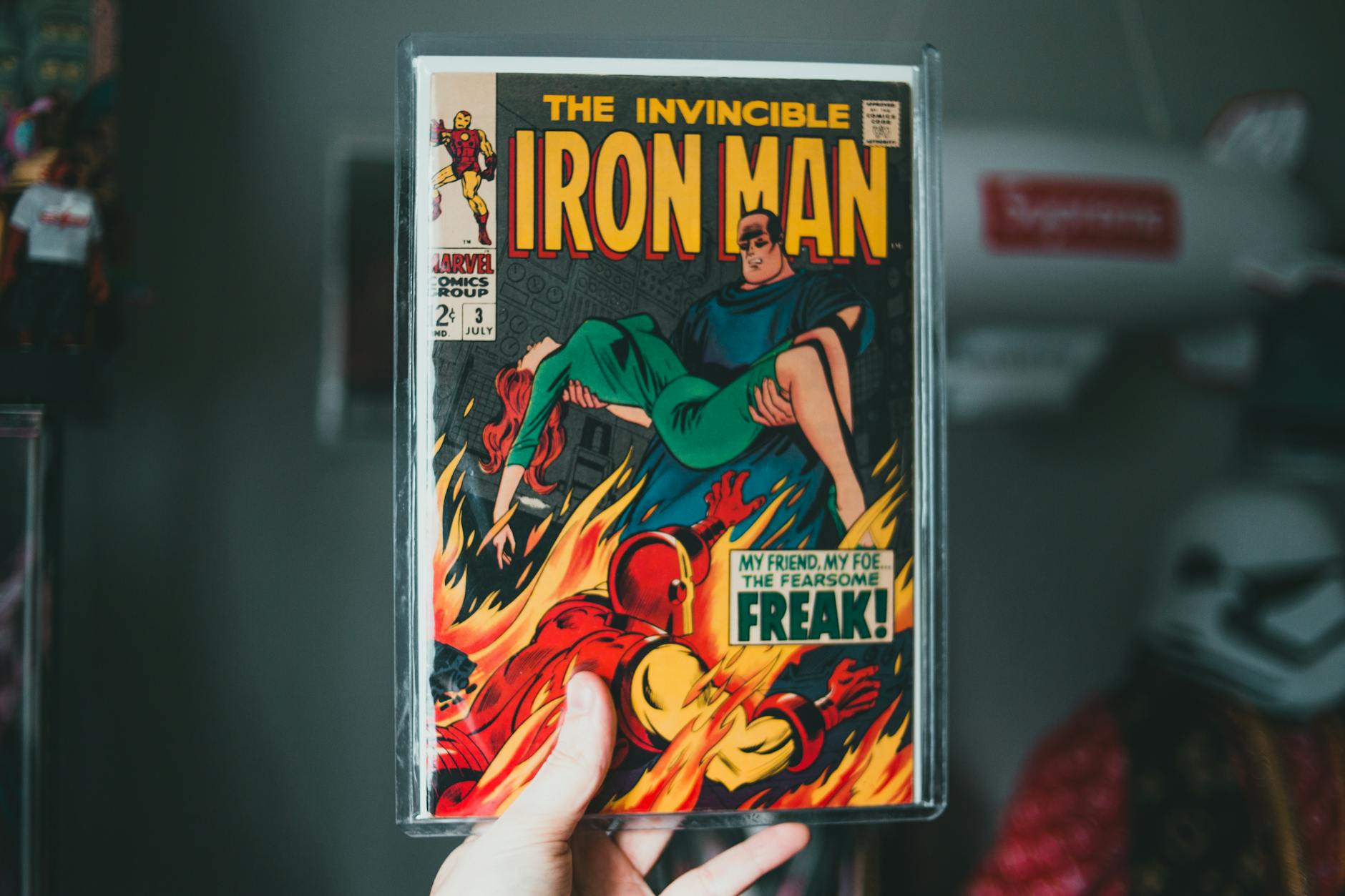
What Stakes Does the “Powerful New Threat” Imply for Peter’s Vulnerability?
The trailer’s hint about a powerful new threat operates on multiple levels: it’s the external plot driver, but it’s also revealing about Peter’s psychological state. A Peter Parker who has spent four years isolated and potentially without active crimefighting experience faces an enemy under compromised conditions.
He’s not the experienced, mentored Spider-Man from the MCU’s earlier films; he’s something closer to a version of Spider-Man from Year One narratives—capable but untested by recent experience.
This vulnerability makes the stakes feel genuinely unpredictable, unlike franchises where audiences assume the hero will survive because they always do. The specific nature of this threat remains mysterious from the trailer, but the emphasis on power suggests it won’t be defeated through typical means.
If the threat connects to Peter’s years of isolation—perhaps someone or something created by his absence from the world—the narrative gains additional thematic weight. This would make Brand New Day less a simple hero-versus-villain story and more a meditation on consequences and responsibility.
What Does the July 31, 2026 Release Date Tell Us About Marvel’s Slate and Summer Cinema?
Positioning Spider-Man: Brand New Day as the summer blockbuster for late July indicates Marvel’s confidence in the character’s ability to anchor their theatrical slate despite the broader questions surrounding superhero fatigue.
July 31, 2026 puts the film in the post-summer-season timing, which can work for tentpole releases if the quality justifies it; audiences have had time to consume the critical response and make informed decisions rather than showing up opening weekend on name recognition alone.
This timing also avoids direct competition with other early-summer heavy hitters, giving Brand New Day space to build momentum through word-of-mouth.
The decision to lock this release date suggests Marvel’s studio confidence, but it also signals that the Brand New Day vision—emotionally complex, potentially darker than recent Spider-Man entries—represents where Marvel believes its franchise future lies. It’s a bet on audiences wanting character-driven narratives even in blockbuster contexts, backed by a trailer that generated unprecedented engagement.
Conclusion
The Spider-Man: Brand New Day trailer’s reception transcends marketing metrics to reveal something fundamental about audience hunger for Spider-Man stories that take emotional stakes seriously. The record-breaking viewership—718.6 million in 24 hours, 1.1 billion within four days—isn’t noise; it’s evidence of cultural conversation centered on a character genuinely worth revisiting.
The film’s central premise, positioning Peter Parker as a traumatized hero emerging from forced isolation into a world that doesn’t remember him, creates thematic tension that feels distinct from Marvel’s typical hero-versus-world narrative structure.
As audiences wait for the July 31, 2026 release, the real test becomes whether Brand New Day can transform the trailer’s emotional promise into a film that justifies its unprecedented reception.
The cast, the hints at plot complexity, the references to source material, and the grounded street-level antagonists all suggest Marvel is attempting something tonally different from recent Spider-Man entries.
The trailer succeeds as reaction and analysis material precisely because it poses questions rather than providing easy answers—and those questions are what bring audiences back to watch again and again.
You Might Also Like
- Spider-Man Brand New Day Trailer Release Date And What To Expect
- Spider-Man Brand New Day Trailer Easter Eggs You Missed
- Spider-Man Brand New Day Trailer Cast And Characters Revealed