The Spider-Man: Brand New Day trailer, released on March 21, 2026, reveals a dramatically darker chapter for Peter Parker—one that begins with him isolated and undergoing a mysterious physical transformation tied to his spider abilities.
The four-year gap since the events of Spider-Man: No Way Home has left Peter living entirely alone, having voluntarily erased himself from the memories of those closest to him, including Ned and MJ.
The trailer’s voiceover emphasizes themes of rebirth and spider life-cycles, suggesting this film will explore the biological consequences of Peter’s dual nature in ways the previous MCU Spider-Man films have only hinted at.
The article ahead breaks down the major scenes from the trailer, explains the comic book references, analyzes the new character introductions—including Jon Bernthal’s highly anticipated MCU debut as The Punisher—and examines what the visual evidence tells us about the story’s direction heading toward the July 31, 2026 release date.
- Spider-man Brand New: Table of Contents
- What Does the Brand New Day Trailer Reveal About Peter Parker's Complete Isolation After No Way Home?
- How Do Peter Parker's Physical Transformation and Mutation Shape the Film's Central Conflict?
- Who Are the New Characters Introduced in the Brand New Day Trailer and What Do They Represent?
- What Comic Book References and Easter Eggs Does the Trailer Feature and Why Do They Matter?
- What Role Does Mister Negative Play as the Primary Antagonist and What Secondary Threats Appear?
- What Can the Trailer Tell Us About Peter's Evolving Abilities and Organic Webbing?
- What Direction Does the Brand New Day Trailer Point Toward for Spider-Man's Future in the MCU?
- You Might Also Like
This first look reveals a film fundamentally concerned with what happens when Peter Parker’s spider abilities begin to consume him more thoroughly than ever before. Rather than fighting external threats primarily, the trailer suggests Peter’s greatest battle may be against his own body and the isolation his choices have created.
The presence of Mark Ruffalo’s Bruce Banner points toward mentorship around understanding mutations, while Mister Negative emerges as the primary antagonist with secondary threats including Scorpion, Boomerang, and references to the Hand organization.
The film appears to be drawing heavily from comic book source material, including direct recreations of iconic covers that span decades of Spider-Man mythology.
Table of Contents
- What Does the Brand New Day Trailer Reveal About Peter Parker’s Complete Isolation After No Way Home?
- How Do Peter Parker’s Physical Transformation and Mutation Shape the Film’s Central Conflict?
- Who Are the New Characters Introduced in the Brand New Day Trailer and What Do They Represent?
- What Comic Book References and Easter Eggs Does the Trailer Feature and Why Do They Matter?
- What Role Does Mister Negative Play as the Primary Antagonist and What Secondary Threats Appear?
- What Can the Trailer Tell Us About Peter’s Evolving Abilities and Organic Webbing?
- What Direction Does the Brand New Day Trailer Point Toward for Spider-Man’s Future in the MCU?
What Does the Brand New Day Trailer Reveal About Peter Parker’s Complete Isolation After No Way Home?
The most striking aspect of the brand New Day trailer is its portrait of Peter Parker as genuinely alone—not just without allies, but separated by choice from the people he loves most.
In the opening moments, we see Peter operating independently, his apartment empty, his life stripped down to the essentials of being Spider-Man without any emotional anchors. This is a harder version of Peter than we’ve seen in the MCU films.
The decision to voluntarily erase himself from Ned’s and MJ’s memories at the end of No Way Home wasn’t just a magical reset; it was a active choice by Peter to protect them, and the trailer makes clear this decision has hollowed him out in ways he didn’t anticipate.
The film’s timeline matters here—four years have passed, and that’s significant. Peter has spent that entire time alone with his thoughts and his abilities, watching from a distance as Ned and MJ thrived at MIT, unable to reconnect with them.
The trailer shows brief glimpses of Ned and MJ celebrating at MIT, living normal lives, which makes Peter’s solitary existence feel even more painful by contrast. This isn’t the isolated hero temporarily separated from friends; this is a hero who has chosen permanent separation for noble reasons and is now paying the psychological cost.
The trailer hints that this isolation has made Peter vulnerable to the physical transformation that’s beginning to overtake him, suggesting emotional and physical damage are intertwined in this story.
How Do Peter Parker’s Physical Transformation and Mutation Shape the Film’s Central Conflict?
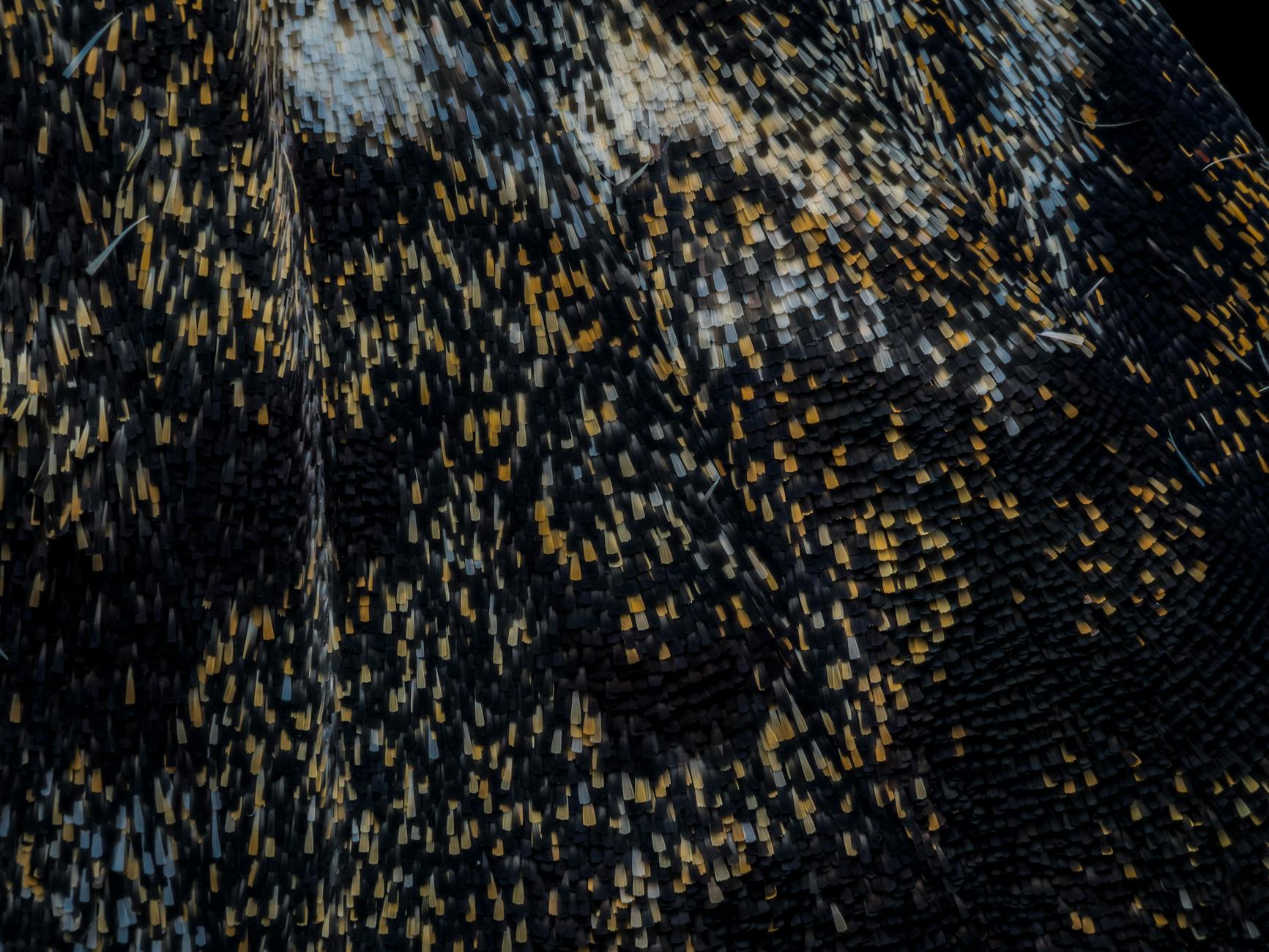
The Brand New Day trailer emphasizes what might be called a “rebirth” narrative for Peter Parker, one tied explicitly to spider biology and life-cycles. Rather than fighting Spider-Man stories of years past, Peter is battling his own genetic destiny.
The trailer’s visual evidence suggests he’s beginning to develop organic webbing abilities—a major shift from the mechanical web-shooters he’s relied on throughout the MCU. This isn’t just a cosmetic change; it’s a fundamental alteration of what Peter Parker is becoming.
The voiceover about spider life-cycles points toward a story examining whether Peter can remain human when his spider nature is asserting dominance over his body.
However, there’s a critical limitation to what we can determine from the trailer alone—we don’t yet know whether this transformation is permanent, partially reversible, or if it represents the new status quo going forward.
The appearance of Mark Ruffalo’s Bruce Banner becomes crucial here, as Banner is essentially the MCU’s expert on unwanted physical transformations and genetic changes. His presence suggests the film will explore medical and biological angles to Peter’s situation, not just superhero action.
The trailer hints that Peter may be developing organic webbing that he can produce directly from his body, which would be a radical departure from his web-shooter technology and could suggest he’s moving further from his human identity toward something else entirely.
The implication is unsettling: Peter may be becoming more spider than man.
Who Are the New Characters Introduced in the Brand New Day Trailer and What Do They Represent?
Jon Bernthal’s debut as The Punisher in the MCU is the trailer’s most shocking character reveal, and the scenes involving him establish a physical, brutal tone for the film’s conflict.
The trailer shows what appears to be a direct confrontation between Spider-Man and The Punisher in what looks like the Punisher’s battle van—a moment that includes the memorable image of Spider-Man webbing up Bernthal’s character’s mouth.
This isn’t a team-up or an alliance; this is conflict, and it immediately raises questions about what brings these two characters into direct opposition.
The Punisher represents street-level vigilante justice without restraint, while Spider-Man has always been defined by his moral lines and responsibility to protect innocent life, so their clash appears ideological as much as physical.
Mark Ruffalo’s Bruce Banner appears in a more measured capacity, likely serving as a scientific advisor and perhaps an emotional anchor for Peter. Banner’s experience with unwanted transformations and loss of control makes him the ideal mentor figure for someone experiencing what Peter is experiencing.
The trailer also confirms that Jacob Batalon’s Ned and Zendaya’s MJ make appearances, specifically shown celebrating at MIT, which provides context for where Peter’s former closest friends have landed in their lives—moving forward while Peter has remained stuck in the past.
Their presence in the trailer, even in brief moments, underscores the emotional stakes of Peter’s isolation. The film appears to be examining whether Peter can reconcile with these relationships or whether his transformation and isolation have made that impossible.

What Comic Book References and Easter Eggs Does the Trailer Feature and Why Do They Matter?
The Brand New Day trailer includes direct recreations of two major Spider-Man comic book covers that anchor the film’s thematic concerns. The most iconic is the recreation of Amazing Fantasy #15, the 1962 comic that introduced Spider-Man to the world for the very first time.
That cover’s simple, powerful image of Spider-Man swinging across the skyline with the city behind him represents Spider-Man’s origin and his fundamental purpose—to be a hero to New York.
The inclusion of this cover in the modern trailer suggests the film is concerned with returning Spider-Man to his essential purpose, stripping away complications to focus on what makes the character fundamental.
The second major comic reference is The Amazing Spider-Man #134 from July 1974, which appears to address different thematic territory. By recreating covers from such different eras—one from the character’s debut, one from decades of comic book evolution—the film seems to be saying something about continuity and the weight of Spider-Man’s history.
Comic book readers will recognize these recreations immediately, and their inclusion suggests the screenwriters are drawing from deep wells of Spider-Man mythology, not just the recent MCU films. This approach signals that Brand New Day is attempting to synthesize Spider-Man’s entire comic book legacy into a single film, which is an ambitious undertaking.
The Easter eggs visible in the trailer include various background details and visual references that will likely reward close viewing and multiple watches.
What Role Does Mister Negative Play as the Primary Antagonist and What Secondary Threats Appear?
Mister Negative emerges from the trailer as the primary antagonist Peter will face throughout the film, though his exact motivations and abilities remain somewhat mysterious from the trailer alone.
Mister Negative has a complicated history in Marvel Comics—he’s been a crime boss, a figure of moral corruption, and an adversary tied to Peter’s internal struggles as much as external combat.
His appearance in the Brand New Day trailer suggests the film will use him as the embodiment of Peter’s darker impulses or the corruption that can emerge from isolation and desperation. The threat he represents appears both physical and psychological, making him more dangerous than a typical MCU villain.
Beyond Mister Negative, the trailer shows multiple secondary antagonists that suggest a broader criminal element threatening New York: Scorpion, Boomerang, and Tarantula all appear in brief scenes. The Hand organization receives a reference, suggesting that Spider-Man’s world will collide with the larger criminal underworld and possibly ancient ninja traditions that have threatened the MCU before.
This layered threat structure means Peter won’t face a single nemesis but rather a constellation of enemies, each representing different aspects of the danger he’s walking into.
The presence of multiple threats is significant—it suggests Peter, in his isolated and transforming state, may struggle to face them alone, which could explain why both The Punisher and Bruce Banner end up involved in the story.
A warning here: if Peter’s transformation affects his fighting ability or durability, facing multiple enemies simultaneously could present problems even for Spider-Man.

What Can the Trailer Tell Us About Peter’s Evolving Abilities and Organic Webbing?
The trailer contains visual evidence suggesting Peter is developing organic webbing abilities directly from his body, abandoning the mechanical web-shooters that have been central to his character throughout the MCU. This is a significant evolution that ties into the mutation and rebirth themes emphasized throughout the promotional material.
Organic webbing is a major shift in Spider-Man lore—it’s how the Spider-Man of other universes operates, and its appearance in the MCU suggests dimensional or evolutionary pressures are reshaping Peter at a biological level.
The moment where Spider-Man webs up The Punisher’s mouth appears to be one of these organic webbing demonstrations, showing this ability in action.
The implications of organic webbing are worth considering carefully. If Peter is producing webs from his body, it means he’s becoming more like an actual spider at a biological level. This could enhance certain abilities—perhaps organic webbing is stronger, more abundant, or more responsive to his thoughts than mechanical webs.
However, it also suggests a concerning trajectory: if Peter’s spider side is asserting dominance and producing organic webbing, what other spider characteristics might emerge?
The transformation suggested by the trailer is not incremental improvement but fundamental biological change, which is precisely why Mark Ruffalo’s Bruce Banner seems necessary—someone who understands what it means to be trapped in a body that’s becoming something other than fully human.
What Direction Does the Brand New Day Trailer Point Toward for Spider-Man’s Future in the MCU?
The Brand New Day trailer signals a turning point for Spider-Man in the MCU—a move away from the friendly neighborhood hero with school concerns and romantic entanglements toward a darker, more isolated, more biologically troubled character. This is Spider-Man growing up in ways the previous films didn’t fully explore.
The four-year gap since No Way Home allows the filmmakers to skip Peter’s college years and present him as a more mature, more damaged version of the character.
The July 31, 2026 release date gives Marvel Studios the entire summer to build anticipation for what promises to be a significantly different Spider-Man film.
The trailer suggests this film will be less concerned with Spider-Man as part of a larger MCU team and more focused on Peter Parker as an individual confronting his own nature.
Whether this represents a permanent shift in how Spider-Man functions within the MCU or a specific story arc remains to be seen, but the tone and themes make clear that Brand New Day is not a continuation of the previous trilogy but a genuine new chapter.
The decision to rebuild from Peter’s isolation rather than from his integration into larger conflicts suggests the filmmakers are prioritizing character depth and psychological examination over spectacle and team-ups—though Jon Bernthal’s Punisher debut and Mark Ruffalo’s involvement ensure there will be significant spectacle as well.
You Might Also Like
- Spider-Man Brand New Day Trailer Release Date And What To Expect
- New Spider-Man Brand New Day Trailer Breakdown
- Saving Private Ryan Opening Scene Explained In Simple Terms
For more on Spider-man Brand New, see the full breakdown above – the spider-man brand new details cover what most viewers want to know.
Whether you searched for spider-man brand new reviews, spider-man brand new streaming, or spider-man brand new cast, this guide consolidates the relevant spider-man brand new facts in one place.