The Sonic the Hedgehog Three parents guide has become essential reading for families planning their next movie outing, as the third installment in Paramount’s wildly successful video game adaptation franchise brings new characters, higher stakes, and more intense action sequences than its predecessors. Released in December 2024, this sequel reunites audiences with the speedy blue hedgehog while introducing Shadow the Hedgehog, a fan-favorite character known for his darker origins and more serious storyline. For parents trying to determine whether this film is appropriate for their children, understanding the specific content elements becomes crucial before purchasing tickets. The Sonic franchise has carved out a unique space in family entertainment by appealing to multiple generations. Adults who grew up playing Sonic games in the 1990s now bring their own children to theaters, creating shared experiences across age groups.
However, each successive film has gradually increased in intensity, making parental guidance more relevant than ever. The introduction of Shadow’s traumatic backstory involving loss and government experimentation raises legitimate questions about emotional intensity that younger viewers might find distressing. This comprehensive guide addresses every concern parents might have about Sonic the Hedgehog 3, from specific content warnings to age-appropriateness recommendations. Readers will gain detailed insight into the film’s violence levels, thematic elements, language usage, and emotional content. By the end, families will have the information necessary to make informed viewing decisions and prepare younger audience members for what they will experience on screen.
Table of Contents
- What Age Rating Does the Sonic the Hedgehog 3 Parents Guide Recommend?
- Violence and Action Content in the Third Sonic Film
- Emotional and Thematic Content Parents Should Understand
- Language and Humor Content for Family Audiences
- Sensory Considerations and Intensity Levels for Young Viewers
- Positive Messages and Teachable Moments in the Film
- How to Prepare
- How to Apply This
- Expert Tips
- Conclusion
- Frequently Asked Questions
What Age Rating Does the Sonic the Hedgehog 3 Parents Guide Recommend?
Sonic the Hedgehog 3 received a PG rating from the Motion Picture Association, indicating parental guidance is suggested due to content that may not be suitable for all children. This rating places the film in the same category as its two predecessors, though many parents and critics have noted that this third installment pushes closer to PG-13 territory in certain sequences. The PG rating specifically cites action violence, mild language, and thematic elements as the primary concerns for younger viewers.
The thematic elements designation deserves particular attention from parents. Shadow the Hedgehog’s backstory involves the death of a young girl named Maria, who was his closest companion aboard a space station. These scenes depicting loss, grief, and the desire for revenge carry significantly more emotional weight than anything presented in the previous Sonic films. Children who are sensitive to themes of death or who have experienced loss themselves may find these sequences particularly affecting.
- The MPA rating of PG suggests children under 10 may need parental guidance
- Common Sense Media recommends the film for ages 7 and up
- The emotional intensity surrounding Shadow’s storyline may warrant waiting until age 8-10 for sensitive children
- Action sequences are more intense than typical PG fare but contain no graphic violence

Violence and Action Content in the Third Sonic Film
The action sequences in Sonic the Hedgehog 3 represent a notable escalation from previous entries in the franchise. While still firmly in family-friendly territory, the battles between Sonic, his friends, and various antagonists feature more sustained conflict, higher stakes, and greater destruction. Characters are shown being thrown into buildings, struck by energy blasts, and engaged in extended chase sequences that result in property damage. The climactic battle particularly stands out for its intensity and duration.
Shadow the Hedgehog serves as both antagonist and eventual ally throughout the film, and his fighting style reflects his more aggressive characterization. Unlike Sonic’s playful approach to combat, Shadow attacks with visible anger and intent to cause harm. Several scenes show characters in genuine peril, creating tension that younger viewers may find stressful. one sequence involving a government facility features armed soldiers, though no realistic gun violence occurs.
- Combat primarily involves superpowers, energy attacks, and slapstick-style impacts
- No blood or graphic injuries are depicted on screen
- Military and government forces appear with weapons, though these are mostly rendered harmless by the heroes
- Property destruction reaches city-wide scale in the final act
- Characters experience moments of apparent defeat that may worry young viewers before resolution
Emotional and Thematic Content Parents Should Understand
The emotional core of Sonic the Hedgehog 3 centers on themes of loss, revenge, and ultimately redemption. Shadow’s backstory reveals that he was created as part of a scientific experiment and formed a deep bond with Maria, the granddaughter of his creator. her death at the hands of government agents seeking to eliminate the experiment forms Shadow’s motivation throughout the film. These flashback sequences, while not graphic, convey genuine tragedy and may require discussion with younger viewers.
The theme of choosing between vengeance and forgiveness runs throughout the narrative. Shadow initially seeks to destroy humanity as retribution for Maria’s death, presenting a morally complex antagonist whose pain is understandable even as his methods are wrong. Parents may want to prepare children for these heavier themes, particularly if their children have not encountered stories dealing with death and its aftermath. The film ultimately resolves these themes positively, with Shadow learning to honor Maria’s memory through protection rather than destruction.
- Death of a child character occurs off-screen but is clearly referenced and shown in emotional flashbacks
- Themes of government experimentation and cover-ups appear throughout
- Characters grapple with grief, anger, and the desire for revenge
- Family bonds and chosen family relationships provide emotional counterbalance
- The resolution emphasizes healing and positive choices over dwelling in pain
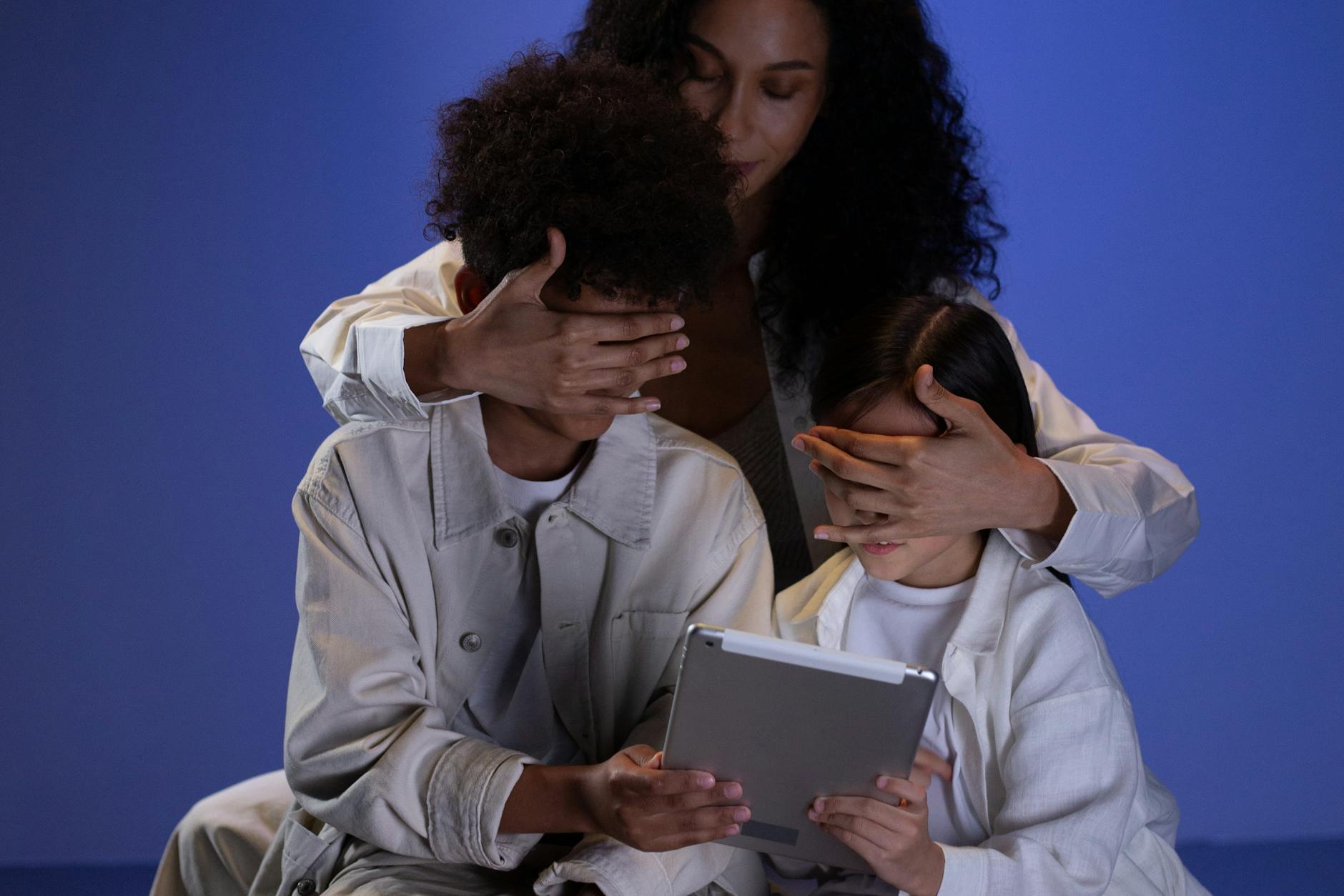
Language and Humor Content for Family Audiences
The dialogue in Sonic the Hedgehog 3 maintains the franchise’s established tone of family-friendly humor mixed with mild language. Parents can expect the same level of innuendo, sarcasm, and occasional mild exclamations found in the previous films. Words like “damn” and “hell” appear sparingly, consistent with the PG rating. The humor continues to operate on multiple levels, with jokes aimed at children alongside references that will amuse accompanying adults.
Jim Carrey returns in a dual role as both Dr. Robotnik and the character’s grandfather, bringing his trademark physical comedy and verbal wit to the performance. His scenes contain the film’s most obvious comic relief, though some of his dialogue includes mild insults and sarcasm that parents of very young children might consider inappropriate for imitation. Keanu Reeves voices Shadow with gravitas and restraint, providing tonal contrast to Carrey’s bombastic delivery.
- Mild language includes occasional uses of “damn,” “hell,” and “crap”
- Insult humor appears throughout but avoids anything beyond mild name-calling
- Bathroom humor is minimal compared to many family films
- Pop culture references span multiple decades, rewarding adult viewers without alienating children
- No sexual content or innuendo beyond very mild, easily overlooked jokes
Sensory Considerations and Intensity Levels for Young Viewers
The theatrical presentation of Sonic the Hedgehog 3 involves several sensory elements that parents of young or sensitive children should consider. The film features numerous high-speed sequences with rapid camera movement, bright flashing lights during action scenes, and sustained loud sound effects during battles. Children with sensory processing sensitivities or those prone to overstimulation may find certain sequences challenging, particularly in IMAX or other enhanced format presentations.
The film’s 110-minute runtime represents a commitment that may test the attention spans of younger viewers. Unlike the tighter pacing of the first film, Sonic 3 takes time to develop Shadow’s backstory and build toward its climactic confrontation. Parents attending with children under six might consider whether their child can maintain engagement through quieter dramatic scenes interspersed between action sequences.
- Frequent use of bright, flashing lights during super-speed and combat sequences
- Sustained loud sound effects and musical score during action scenes
- Rapid editing and camera movement throughout chase sequences
- Some scenes occur in dark environments with sudden bright contrasts
- The runtime exceeds typical attention spans for children under five

Positive Messages and Teachable Moments in the Film
Despite its heavier thematic content, Sonic the Hedgehog 3 delivers meaningful positive messages that parents can reinforce through post-viewing discussions. The importance of friendship, loyalty, and found family remains central to the franchise’s appeal. Sonic, Tails, and Knuckles demonstrate unwavering support for one another, modeling healthy relationships between friends who have become like siblings under the care of their adoptive parents, Tom and Maddie.
Shadow’s arc from villain to hero illustrates the possibility of healing from trauma and choosing a different path than destruction. His eventual decision to honor Maria’s memory by protecting rather than destroying provides a powerful example of processing grief constructively. The film also touches on themes of government accountability, the ethics of scientific experimentation, and the importance of standing up against injustice.
- Friendship and loyalty are consistently celebrated and demonstrated
- Adoptive family bonds are portrayed positively and meaningfully
- The narrative shows that people can change and choose better paths
- Standing up for what is right, even against powerful opposition, is rewarded
- Processing grief and anger constructively leads to healing
How to Prepare
- Watch the first two Sonic films together if you have not already seen them. The third installment builds directly on established relationships and assumes familiarity with characters like Knuckles, whose personality and backstory received significant development in both the second film and his Disney Plus series.
- Discuss the concept of Shadow the Hedgehog with children who may have encountered the character through video games or online content. Shadow’s popularity means many children arrive with expectations, and understanding his characteristically darker tone helps prepare younger viewers for his portrayal.
- Have an age-appropriate conversation about the themes of loss that appear in the film. Without spoiling specific plot points, parents can explain that one character experiences sadness about losing someone important, and that the movie shows how characters deal with those feelings.
- Consider the viewing environment carefully when choosing between standard, 3D, and IMAX presentations. Larger screens and enhanced sound systems intensify both the thrilling and potentially overwhelming aspects of the film.
- Plan for bathroom breaks during quieter dramatic scenes rather than action sequences, as the film’s pacing makes this manageable. The middle section focusing on Shadow’s backstory provides natural opportunities without missing crucial plot developments.
How to Apply This
- Arrive at the theater prepared with context so children can immediately engage with the new character dynamics rather than feeling confused by references to previous films or unfamiliar relationships between characters.
- Sit where you can easily see and comfort younger children if they become frightened or overwhelmed during intense sequences. Aisle seats near exits provide flexibility without committing to leaving if a child just needs momentary reassurance.
- Watch your child’s reactions during Shadow’s flashback sequences and the climactic battle. These moments generate the most intense emotional and sensory experiences, and noting responses helps guide future movie selections.
- Discuss the film afterward using open-ended questions about what parts children found exciting, scary, or confusing. This processing helps children integrate the experience and gives parents insight into how the content affected them.
Expert Tips
- Preview specific scene descriptions through detailed parent reviews on Common Sense Media or Kids-In-Mind before attending if your child has particular sensitivities to themes of death, government facilities, or intense action.
- Consider a matinee showing when theaters are less crowded and the environment feels less overwhelming, particularly for first theatrical experiences with children in the five to seven age range.
- Bring noise-reducing headphones for children sensitive to sustained loud sounds, as many theaters will allow their use during family films without issue.
- Discuss the difference between Shadow’s initial desire for revenge and his eventual choice to protect, as this theme provides excellent material for conversations about handling anger and hurt feelings.
- Remember that the PG rating means parental guidance suggested, not that all content is appropriate for all children. Your knowledge of your specific child matters more than any general recommendation.
Conclusion
The Sonic the Hedgehog 3 parents guide reveals a film that continues the franchise’s tradition of entertaining family audiences while introducing more mature thematic elements than previous installments. Shadow the Hedgehog’s storyline brings genuine emotional weight to the narrative, making this third chapter feel more substantial even as it delivers the expected action, humor, and spectacle. Parents who understand the specific content elements can make informed decisions about whether their children are ready for this particular adventure.
For most families with children seven and older, Sonic the Hedgehog 3 offers an exciting theatrical experience that balances intensity with positive messages about friendship, healing, and choosing compassion over vengeance. Younger or more sensitive children may benefit from waiting for home viewing, where parents can pause for discussion or comfort as needed. Whatever decision families make, approaching the film with awareness of its content ensures the best possible experience for everyone involved.
Frequently Asked Questions
How long does it typically take to see results?
Results vary depending on individual circumstances, but most people begin to see meaningful progress within 4-8 weeks of consistent effort.
Is this approach suitable for beginners?
Yes, this approach works well for beginners when implemented gradually. Starting with the fundamentals leads to better long-term results.
What are the most common mistakes to avoid?
The most common mistakes include rushing the process, skipping foundational steps, and failing to track progress.
How can I measure my progress effectively?
Set specific, measurable goals at the outset and track relevant metrics regularly. Keep a journal to document your journey.