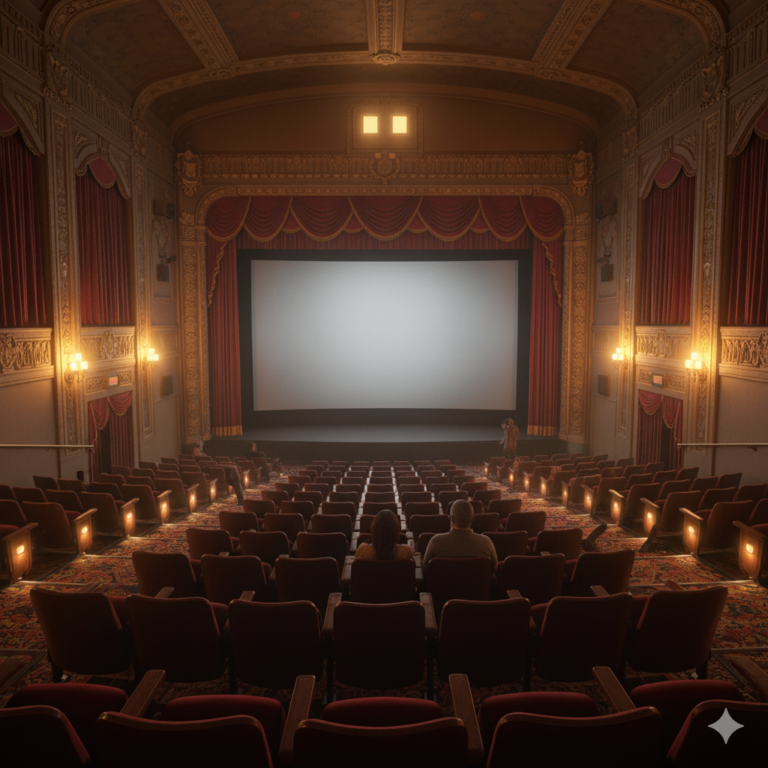
Revisiting favorite childhood movies represents one of the most emotionally complex experiences available to film lovers, blending potent nostalgia with the critical eye of adult perspective. That animated feature you watched dozens of times on VHS, the adventure film that sparked your imagination, or the comedy that made you laugh until your sides hurt””these cinematic touchstones shaped your understanding of storytelling, humor, and drama in ways you might not fully appreciate until you return to them decades later. The question of whether these beloved films hold up under renewed scrutiny touches on fundamental aspects of how we relate to art, memory, and our own personal development. The stakes of this particular viewing experience are surprisingly high.
Childhood movies occupy a protected space in our memories, often enhanced by the context in which we first encountered them: watching with siblings on sick days, experiencing theatrical magic for the first time, or discovering stories that seemed to speak directly to our young selves. When we revisit these films, we risk either confirming their genuine quality or confronting the uncomfortable reality that our younger selves had questionable taste. This tension between preservation and reassessment makes rewatching childhood favorites an exercise in both film criticism and self-reflection. By exploring this topic thoroughly, readers will gain frameworks for evaluating their own nostalgic favorites, understand the psychological mechanisms that influence how we perceive films from our past, and develop strategies for approaching rewatches that balance appreciation with honest assessment. Whether you are preparing to introduce a beloved classic to your own children, engaging in a nostalgic movie marathon with old friends, or simply curious about whether your cinematic heroes deserve their pedestals, understanding the dynamics of revisiting childhood movies enriches the entire experience.
Table of Contents
- Why Do Some Childhood Favorite Movies Hold Up While Others Do Not?
- The Psychology Behind Nostalgic Movie Rewatching
- Classic Childhood Films That Genuinely Hold Up to Adult Scrutiny
- How to Approach Rewatching Your Childhood Favorite Movies
- When Childhood Favorites Disappoint: Navigating the Letdown
- Introducing Childhood Favorites to the Next Generation
- How to Prepare
- How to Apply This
- Expert Tips
- Conclusion
- Frequently Asked Questions
Why Do Some Childhood Favorite Movies Hold Up While Others Do Not?
The durability of childhood movies depends on a complex interplay between technical craft, thematic depth, and cultural context that extends far beyond simple entertainment value. films that hold up typically possess what screenwriters call “layered storytelling”””narratives that function on multiple levels, offering surface-level entertainment for children while embedding sophisticated themes, humor, and emotional resonance that adults can appreciate. Pixar’s catalogue exemplifies this approach, with films like “The Incredibles” (2004) operating simultaneously as superhero action for kids and as meditation on midlife crisis, marital tension, and the challenges of exceptional individuals conforming to ordinary expectations. Technical execution plays an equally crucial role in longevity. Films with strong cinematography, coherent editing, and purposeful direction tend to age more gracefully than those relying heavily on trends or shortcuts.
Practical effects often weather time better than early CGI, which explains why “Jurassic Park” (1993) still impresses audiences while many films from the same era with more extensive digital effects look dated. Sound design, musical scoring, and voice acting quality also contribute significantly””Robin Williams’ improvised genius in “Aladdin” (1992) remains genuinely funny, while forgettable vocal performances in lesser animated films from the period feel increasingly flat with each passing year. Cultural sensitivity presents perhaps the most challenging variable in assessing whether childhood favorites hold up. Many films from previous decades contain representations of race, gender, and social dynamics that reflect their era’s blind spots rather than timeless values. Some viewers can contextualize these elements historically while still appreciating other aspects of the film; others find that problematic content fundamentally undermines the viewing experience. Disney’s handling of this challenge””adding content warnings to certain titles on Disney+ while keeping them available””acknowledges that the question of whether a film “holds up” sometimes requires separating technical and artistic achievement from social progressiveness.
- **Layered storytelling** creates multiple entry points for audiences of different ages and perspectives
- **Technical craft** including practical effects, strong direction, and quality performances ages more gracefully than trend-dependent elements
- **Cultural context** significantly influences whether modern viewers can engage with older content comfortably

The Psychology Behind Nostalgic Movie Rewatching
Understanding why we feel compelled to revisit childhood movies””and why those experiences often prove so emotionally intense””requires examining the psychology of nostalgia itself. Research published in the Journal of Personality and Social Psychology indicates that nostalgic experiences serve important psychological functions, including bolstering self-continuity, enhancing social connectedness, and counteracting feelings of meaninglessness or existential threat. When we watch a film that transported us as children, we reconnect with our younger selves and the people who surrounded us during those formative viewing experiences. The phenomenon known as the “reminiscence bump” partially explains why childhood and adolescent media holds such powerful sway over our emotional lives. Cognitive psychologists have documented that memories formed between ages 10 and 30 tend to be recalled more vividly and frequently than those from other life periods, likely because these years involve intense identity formation and numerous “first” experiences.
Films encountered during this window become encoded alongside the developmental milestones of our youth, transforming them from mere entertainment into emotional time capsules that trigger cascading memories when revisited. This psychological intensity creates both opportunities and challenges when revisiting childhood favorites. The emotional payload these films carry can enhance appreciation, allowing viewers to experience the movie on multiple temporal levels simultaneously””as the child who first encountered it and as the adult watching it now. However, this same emotional investment can also cloud critical judgment, making it difficult to evaluate the film objectively or causing disproportionate distress when the movie fails to match cherished memories. Recognizing these psychological dynamics helps viewers approach nostalgic rewatching with appropriate self-awareness.
- **Nostalgia serves psychological functions** including maintaining self-continuity and social connection
- **The reminiscence bump** ensures media from ages 10-30 remains unusually vivid in memory
- **Emotional intensity** can enhance appreciation but may also impair critical objectivity
Classic Childhood Films That Genuinely Hold Up to Adult Scrutiny
Certain childhood favorites have earned near-universal recognition for their enduring quality, providing useful benchmarks for understanding what makes nostalgic cinema withstand the test of time. “The Princess Bride” (1987) exemplifies the durable family film, balancing swashbuckling adventure with sophisticated meta-humor, quotable dialogue, and genuine emotional stakes. Rob Reiner’s direction never condescends to young viewers while simultaneously embedding wry observations about storytelling conventions that reward adult sophistication. Thirty-five years after release, the film continues attracting new generations of fans without requiring nostalgia to appreciate its charms. The Studio Ghibli catalogue, particularly Hayao Miyazaki’s directorial efforts, represents perhaps the gold standard for childhood films that improve with age. “Spirited Away” (2001), “My Neighbor Totoro” (1988), and “Kiki’s Delivery Service” (1989) offer vastly richer experiences to adult viewers who can appreciate their environmental themes, complex emotional landscapes, and technical mastery of hand-drawn animation.
Unlike many Western animated films from similar periods, Miyazaki’s work refuses to provide easy villains or simplistic moral frameworks, trusting young viewers with ambiguity that adult revisitors find increasingly rewarding. Live-action adventure films occupy a more precarious position, though several have proven remarkably resilient. “The Goonies” (1985) maintains its chaotic energy and genuine sense of childhood friendship despite dated production elements. “E.T. the Extra-Terrestrial” (1982) continues devastating adult viewers with its themes of divorce, loneliness, and the bittersweet necessity of letting go””emotional depths that children experience intuitively but adults understand explicitly. These films succeed because their emotional cores address universal human experiences rather than trends or topical references that fade with time.
- **”The Princess Bride”** balances accessibility with sophistication in ways that serve all age groups
- **Studio Ghibli films** often improve with age due to thematic complexity and animation mastery
- **Emotionally grounded adventure films** like “E.T.” tap into universal experiences that remain relevant across decades

How to Approach Rewatching Your Childhood Favorite Movies
Successfully revisiting childhood movies requires intentional preparation that acknowledges both the psychological stakes involved and the legitimate possibility of disappointment. The first consideration involves managing expectations through research””reading contemporary reviews, checking the film’s current critical reputation, and perhaps even watching a trailer to calibrate your memories against the actual production values. This reconnaissance mission helps bridge the gap between the idealized version preserved in memory and the actual artifact you are about to encounter. Choosing viewing context significantly impacts the rewatching experience. Watching alone allows for unfiltered emotional responses and honest assessment without social pressure, while viewing with others who share your nostalgic connection creates communal experience that can either enhance enjoyment through shared enthusiasm or provide reality checks when films fail to impress.
Introducing childhood favorites to people encountering them fresh””particularly children””offers valuable perspective on whether the film succeeds independently of nostalgia, though be prepared for the humbling experience of watching young viewers scroll their phones during your cherished classic. Technical considerations deserve attention as well. Many childhood favorites exist in multiple versions””theatrical cuts, director’s cuts, anniversary editions with updated effects””and the version you choose impacts the viewing experience. George Lucas’ controversial alterations to the original “Star Wars” trilogy exemplify how modern “improvements” can actually undermine nostalgic appeal. When possible, seek versions closest to what you originally experienced, even if technically inferior, to maintain the authenticity of the nostalgic encounter.
- **Research contemporary assessments** to calibrate expectations before viewing
- **Consider viewing context** including whether to watch alone, with nostalgic companions, or with fresh audiences
- **Seek authentic versions** rather than updated editions that may alter the original experience
When Childhood Favorites Disappoint: Navigating the Letdown
Confronting a beloved childhood film that fails to hold up represents a genuinely disorienting experience that many viewers struggle to process constructively. The cognitive dissonance between cherished memories and disappointing reality can trigger defensive responses””rationalization, denial, or anger at critics who dare point out flaws. Understanding that this response is psychologically normal helps create space for more productive engagement with the experience. Your ten-year-old self was not wrong to love the film; you simply had different criteria, knowledge, and expectations than your current self. Processing disappointment productively involves separating the film as artifact from the film as memory vessel.
A movie can simultaneously be poorly constructed by critical standards while remaining genuinely important in your personal history. The childhood feelings of wonder, excitement, or comfort the film generated were real experiences that shaped your development””those do not become retroactively false because adult analysis reveals weak plotting, wooden acting, or problematic messaging. Holding both truths simultaneously represents emotional maturity that enriches rather than diminishes your relationship with the film. Some viewers find value in documenting their reassessments through writing, social media discussions, or conversations with others who share the nostalgic connection. Articulating precisely what does and does not hold up transforms passive disappointment into active critical engagement. This process often reveals aspects of the film that do succeed””perhaps a particular performance, musical cue, or visual sequence””that can be appreciated in isolation even when the overall package disappoints.
- **Defensive responses** to disappointing rewatches are psychologically normal but worth examining
- **Separating artifact from memory** allows appreciation of the film’s personal significance despite critical failures
- **Documenting reassessments** transforms disappointment into productive critical engagement
Introducing Childhood Favorites to the Next Generation
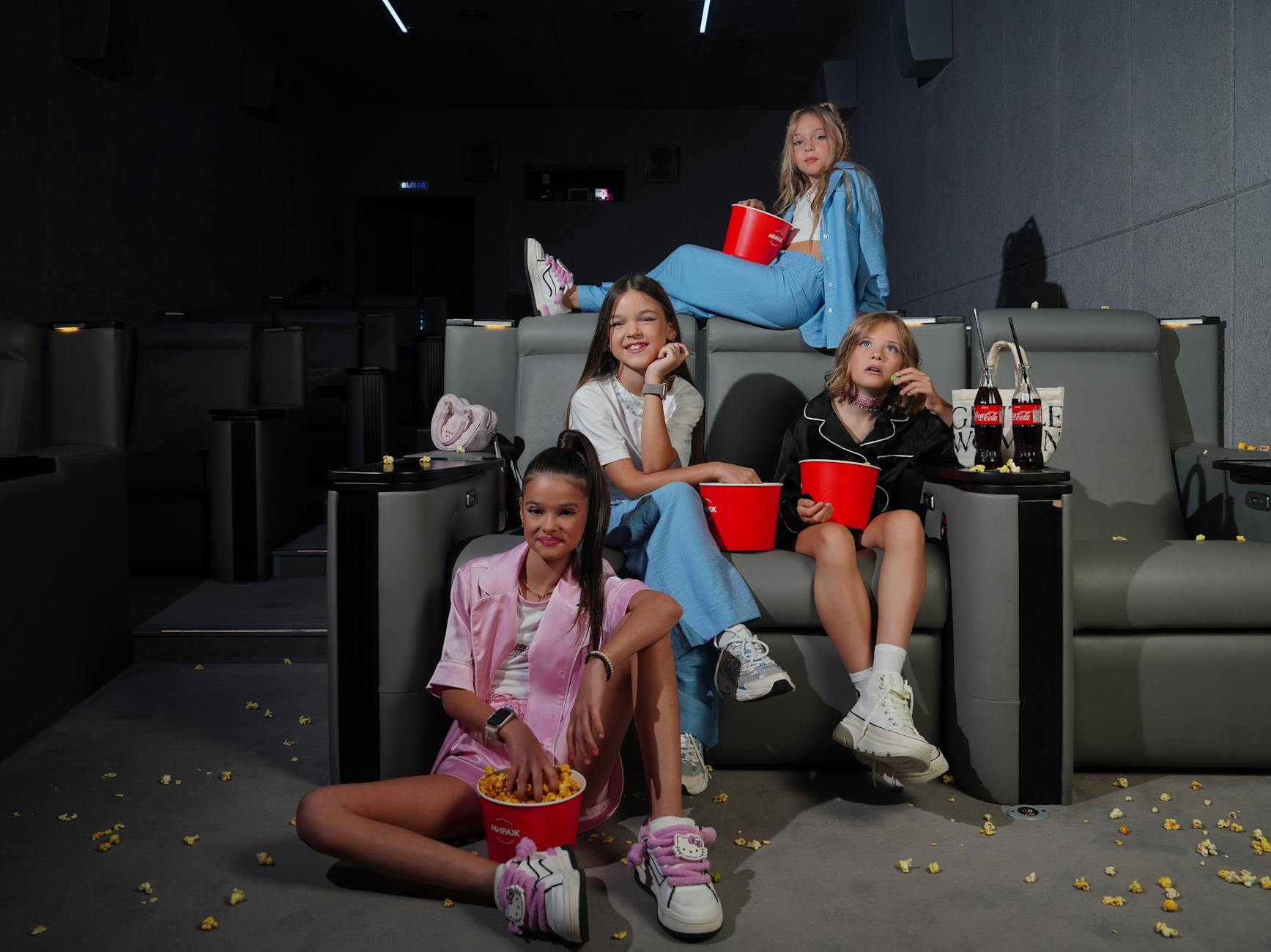
Sharing beloved childhood films with your own children or younger family members adds another dimension to the rewatching experience, transforming private nostalgia into intergenerational transmission of cultural touchstones. This practice carries both rewards and risks: the joy of watching young eyes light up at the same moments that captured your imagination, balanced against the possibility of rejection that can feel surprisingly personal. Children are notoriously honest critics, and their boredom or confusion when confronted with your cherished classic can sting more than any professional review. Successful intergenerational viewing requires calibrating film selection to the child’s actual developmental stage rather than the age you were when you first encountered the film.
A movie that captivated you at eight might overwhelm a contemporary eight-year-old accustomed to faster pacing, or might bore one accustomed to more sophisticated storytelling. Contextualizing the viewing experience””explaining that movies looked different when you were young, or that certain attitudes were more common in previous decades””helps children engage with older content while developing their own critical faculties. The most meaningful intergenerational viewing experiences focus on shared enjoyment rather than transmitted reverence. Forcing enthusiasm rarely succeeds, and children who feel obligated to appreciate parental favorites often develop resentment rather than affection for the films. Creating space for honest reactions, including negative ones, paradoxically increases the chances of genuine appreciation developing over time.
How to Prepare
- **Research the film’s current standing** by reading reviews from critics and audiences who have revisited it recently, checking aggregator sites like Rotten Tomatoes or Letterboxd to gauge how the film has aged in public estimation, and noting any specific concerns about content that may have aged poorly.
- **Locate the optimal version** by determining which cut of the film matches your memories most closely, checking streaming services for the specific edition available, and considering physical media if streaming only offers altered versions you wish to avoid.
- **Prepare your viewing environment** by minimizing distractions that might compete with engagement, ensuring adequate audio and visual quality appropriate to the film’s era, and creating comfortable conditions for the full runtime since childhood favorites deserve complete attention.
- **Set appropriate expectations** by acknowledging that pacing, effects, and cultural attitudes from previous decades will likely feel different than contemporary productions, accepting that some disappointment is statistically likely, and preparing to engage critically rather than purely nostalgically.
- **Consider your companions** by deciding whether to watch alone for unfiltered personal experience, with others who share your nostalgic connection, or with fresh viewers whose reactions might provide valuable perspective on the film’s independent merits.
How to Apply This
- **Begin with moderate-stakes titles** by rewatching films you remember fondly but not obsessively, saving your most cherished favorites until you have calibrated your expectations through less emotionally loaded experiences.
- **Document your responses** by taking notes during or immediately after viewing about what surprised you, what disappointed you, and what exceeded expectations, creating a record that tracks how your reassessments evolve over multiple nostalgic rewatches.
- **Engage with communities** by participating in online discussions about nostalgic film rewatching, reading others’ experiences with the same titles, and contributing your own assessments to collective understanding of how childhood favorites age.
- **Create intentional viewing rituals** by scheduling regular nostalgic movie sessions rather than approaching them randomly, treating these viewings as meaningful cultural engagement rather than mere entertainment consumption.
Expert Tips
- **Start rewatches with an open mind** rather than defensive protectiveness, remembering that honest assessment honors the film more than reflexive defensiveness, and that discovering a film holds up provides far more satisfaction when the possibility of disappointment was genuinely entertained.
- **Pay attention to what children enjoyed** about films when introducing classics to young viewers, since their responses often highlight genuinely durable elements that transcend nostalgia while their criticisms can reveal weaknesses your attachment obscures.
- **Separate technical assessment from emotional response** by consciously evaluating cinematography, writing, and performance independently from the feelings the film generates, recognizing that both dimensions contribute to the overall experience but deserve individual consideration.
- **Revisit childhood favorites periodically** rather than treating single rewatches as definitive assessments, since your perspective continues evolving and films sometimes reveal new dimensions on subsequent encounters that previous viewings missed.
- **Embrace the complexity** of loving films that are objectively flawed or culturally dated, recognizing that personal significance and critical merit operate on different axes and that holding nuanced positions about imperfect favorites demonstrates sophisticated engagement with cinema.
Conclusion
Revisiting childhood favorite movies offers far more than simple entertainment””it provides opportunities for self-reflection, critical development, and meaningful connection with our own histories. The films that shaped our young imaginations remain powerful artifacts regardless of how they fare under adult scrutiny, carrying emotional resonance that transcends traditional critical evaluation. Whether a beloved classic holds up brilliantly, disappoints completely, or lands somewhere in the complicated middle, the act of returning to these cinematic touchstones with intentionality and openness enriches our understanding of both the films and ourselves.
The question of whether childhood favorites hold up ultimately has no universal answer because the evaluation depends on criteria that vary by viewer, viewing context, and the specific aspects under consideration. Technical craft, emotional resonance, cultural sensitivity, and pure entertainment value may all point in different directions for the same film. Approaching nostalgic rewatching as an ongoing conversation rather than a definitive judgment allows room for the complexity these experiences deserve. The childhood movies that mattered to you still matter””the nature of that mattering simply evolves as you do.
Frequently Asked Questions
How long does it typically take to see results?
Results vary depending on individual circumstances, but most people begin to see meaningful progress within 4-8 weeks of consistent effort.
Is this approach suitable for beginners?
Yes, this approach works well for beginners when implemented gradually. Starting with the fundamentals leads to better long-term results.
What are the most common mistakes to avoid?
The most common mistakes include rushing the process, skipping foundational steps, and failing to track progress.
How can I measure my progress effectively?
Set specific, measurable goals at the outset and track relevant metrics regularly. Keep a journal to document your journey.