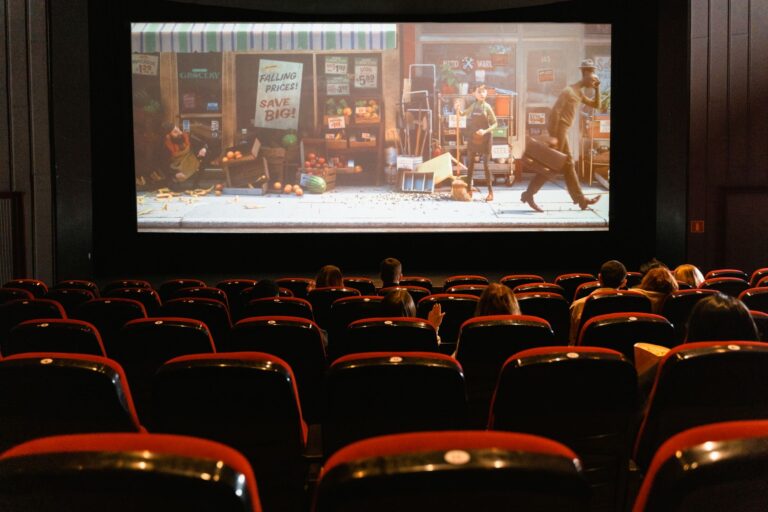
ParaNorman’s most quoted scene is the climactic moment where Norman confronts the angry mob of townspeople and reveals the emotional truth behind the entire conflict—that prejudice and fear, not supernatural evil, are the real villains. This scene, occurring near the film’s finale, has become the film’s defining moment because it synthesizes everything the movie is arguing about acceptance and empathy into a single, uncompromising speech. Norman stands alone, desperate and visibly terrified, and tells the mob that the “witch” they’re trying to burn isn’t a monster to be feared, but a girl who was bullied to death centuries ago by people just like them.
The quotability of this moment stems from how directly it challenges its audience without flinching or offering easy redemption. Norman doesn’t convince the mob with charm or a clever plan—he simply tells the truth and lets it sit uncomfortably in the room. The scene lingers on the adults’ faces as they realize they’ve become exactly what they feared, and this recognition of human cruelty as the true horror has resonated with viewers since the film’s 2012 release far more than any zombie gag or supernatural plot twist.
Table of Contents
- Why Norman’s Speech Became the Film’s Most Remembered Moment
- The Thematic Depth That Powers the Quotability
- Character Development Visible in the Scene’s Delivery
- How the Film Uses Visual Language to Amplify the Message
- The Danger of Oversimplifying What the Scene Actually Argues
- How ParaNorman Builds Sympathy for Aggie Before the Revelation
- The Technical Execution of Stop-Motion Performance in the Speech
Why Norman’s Speech Became the Film’s Most Remembered Moment
The scene works because it operates on multiple levels simultaneously. On the surface, it’s a plot revelation that recontextualizes the entire story—the supernatural threat was never really the problem. But beneath that, it’s a direct indictment of the townspeople’s willingness to destroy something they don’t understand, which parallels nearly every real-world moral panic from witch hunts to modern discrimination. this layered approach means the scene can be quoted by viewers discussing very different things: the film’s central message about acceptance, its critique of mob mentality, its exploration of how fear enables cruelty, or simply as a powerful character moment for Norman.
The scene also stands out because ParaNorman, despite being a children’s film, refuses to soften its messaging. The townspeople don’t suddenly become enlightened; they’re simply forced to confront what they’ve done. Norman doesn’t get praised or celebrated—in fact, the film shows him exhausted and traumatized immediately after. This refusal to provide cathartic comfort is unusual in animated family films and makes the scene feel more real and more quotable precisely because it doesn’t feel engineered to manipulate emotions.
The Thematic Depth That Powers the Quotability
What makes this scene genuinely profound is that ParaNorman spends its entire runtime building toward a revelation that sounds like a cliché but is executed as tragedy. Yes, the real monster is prejudice—but the film doesn’t present this as a puzzle Norman can solve with a witty observation. Instead, it shows prejudice as a generational wound that requires acknowledging actual harm and loss. The “witch,” Aggie James, was a real child who was murdered by people afraid of her abilities, and no speech can undo that death. The film argues for understanding and empathy while simultaneously refusing to pretend that empathy erases historical injustice.
A critical limitation many viewers initially miss is that the scene doesn’t actually resolve the conflict through dialogue. The zombies aren’t defeated because the townspeople have a change of heart. Instead, Aggie herself—now a ghost confronting her own rage—chooses to forgive and let go. This distinction is crucial because it means the film is not arguing that victims are obligated to forgive their oppressors, but rather that holding onto rage perpetuates suffering. This more complex take on reconciliation is why film analysts continue to quote and dissect this moment, even while recognizing its emotional manipulation of the audience.
Character Development Visible in the Scene’s Delivery
Norman’s entire character arc is visible in how he delivers this speech. Throughout the film, Norman is isolated, bullied by peers, misunderstood by adults, and genuinely frightened. He’s spent the entire runtime running from confrontation, trying to hide his ability to see ghosts, and being treated as a freak.
When he finally speaks to the mob, he’s speaking from a place of hard-won understanding rather than anger—he’s seen suffering on both sides and recognized the cycle. His voice acting from actor Brandon Pollard carries barely-suppressed fear and exhaustion, which makes the moment work. A more confident or heroic delivery would undermine the point that Norman is just a kid, desperately trying to make adults listen to basic human decency. Mitch, the character everyone assumed was a shallow bully, has already gone through his own arc by this point and stands beside Norman, which visually reinforces that the film’s real theme isn’t “bullies are bad” but “we’re all capable of cruelty and understanding.” This layering of character work makes the scene quotable not just as an abstract message but as a specific moment where these particular people make a specific choice.
How the Film Uses Visual Language to Amplify the Message
The scene is shot deliberately as a confrontation—the townspeople literally form a wall of angry faces, torches raised, with Norman small and isolated against them. The stop-motion animation allows for grotesque, exaggerated expressions on the mob that make them look almost monstrous themselves, which is visually ironic since they’re afraid of the witch. The cinematography makes the adults literal giants looming over a child, which creates genuine visual dread rather than excitement. This technical choice of making the mob threatening rather than sympathetic is key to why the scene quotes so powerfully—the visual language backs up Norman’s argument that fear is making people into monsters.
The comparison between how the film visually treats the zombies versus how it treats the mob is instructive. The early zombie attacks are presented almost comedically, with practical gore effects that feel campy. The mob, by contrast, is shot with genuine menace and visual weight. This tonal shift signals that the film is more afraid of ordinary human prejudice than it is of the supernatural, which is exactly what the speech articulates. Viewers quote this scene because the visuals and dialogue are saying the same thing, which is rare in family entertainment.
The Danger of Oversimplifying What the Scene Actually Argues
A common misreading of this scene, particularly among adult viewers looking for easy morals, is that it’s simply “be nice to outcasts” or “don’t judge people.” But the film is more specific and darker—it’s arguing that indifference and fear, when they combine into mob action, become murderous. The townspeople aren’t presented as malicious; they’re presented as normal people doing normal things (protecting their community from what they believe is a threat), and that’s precisely what makes them dangerous. This distinction is important because it means the scene isn’t forgiving or sympathetic to the mob’s perspective, even as it explains how they came to have that perspective.
A warning embedded in the scene that’s often missed: the film doesn’t suggest that Norman’s speech actually changes anyone’s mind. The mob stands in stunned silence, and the resolution comes not from persuasion but from Aggie’s forgiveness and the dissolution of the zombie curse. This can leave viewers with a false impression that giving a good speech to prejudiced people will fix things, when the film is actually arguing something closer to the opposite—that only the victims themselves can choose to stop perpetuating the cycle, and that the work of understanding falls on the privileged party to do without guarantee of acceptance.
How ParaNorman Builds Sympathy for Aggie Before the Revelation
The film’s structure allows the Norman speech scene to land because ParaNorman has already done considerable work making Aggie human before the revelation. Early flashbacks show her as a lonely child with genuine abilities, and her loneliness mirrors Norman’s isolation in the present day. By the time Norman speaks, audiences have spent enough time with Aggie as a character to recognize her not as a monster but as a victim.
This retroactive sympathy is crucial because it makes the townspeople’s fear seem not just unjustified but obscene—they’re literally trying to burn a frightened child, even if that child is now a ghost. The film could have made Aggie more obviously sympathetic from the start, which would have made the moral easier but less interesting. Instead, she’s introduced as genuinely frightening and threatening, which means audiences initially share the townspeople’s fear before the film reveals they were wrong. This structure makes the scene quotable specifically because it forces viewers to recognize their own capacity for prejudice—you believed Aggie was a monster too, until you knew better.
The Technical Execution of Stop-Motion Performance in the Speech
Brandon Pollard’s vocal performance as Norman during this scene is notable for how it captures a child on the verge of hysteria while maintaining clarity. The dialogue isn’t shouted or performed with theatrical emotion; it’s delivered with the fragile conviction of someone who knows they’re about to say something true that no one wants to hear. The stop-motion puppetry of Norman’s physical performance during the speech—hands shaking, body tense, occasional glances at the crowd—complements the vocal work to create a genuinely vulnerable moment in a film that could have easily made this a triumphant hero moment.
The final detail that makes this scene stay with viewers is its refusal to let the moment be about Norman’s bravery or wisdom. Immediately after the speech, Norman collapses, traumatized and terrified. The film doesn’t reward him with the townspeople’s gratitude or a celebration. It simply moves forward with the business of resolving the supernatural conflict, allowing the speech to exist as a moment of moral clarity that doesn’t erase anyone’s pain or suffering—not Norman’s, not Aggie’s, and not even the townspeople’s, since they too are now forced to live with what they almost did.
- —