The landscape of new sci-fi releases for 2025 represents one of the most diverse and ambitious lineups the genre has seen in years, spanning everything from intimate character studies to massive blockbuster spectacles. After a 2024 that delivered mixed results for science fiction at the box office, studios and filmmakers have recalibrated their approaches, focusing on original concepts alongside established franchises. The result is a release calendar that promises to satisfy longtime genre enthusiasts while potentially drawing in audiences who typically avoid science fiction fare.
This year addresses several pressing questions facing sci-fi cinema: Can original properties compete with franchise installments? How are streaming platforms reshaping theatrical science fiction releases? What new voices are emerging behind the camera? The films arriving throughout 2025 offer answers to these questions while tackling themes ranging from artificial intelligence and environmental collapse to first contact scenarios and the nature of consciousness itself. These aren’t just escapist entertainment”they reflect contemporary anxieties filtered through speculative lenses. By the end of this guide, readers will have a comprehensive understanding of which sci-fi films are hitting theaters and streaming platforms throughout 2025, the creative talent behind them, and which releases warrant the most attention. Whether planning a theatrical outing or curating a streaming watchlist, this overview provides the context needed to navigate a crowded year in science fiction filmmaking.
Table of Contents
- What Are the Most Anticipated Sci-Fi Movies Releasing in 2025?
- Blockbuster Sci-Fi Films Dominating the 2025 Release Calendar
- Original Sci-Fi Concepts Breaking Through in 2025
- How Streaming Platforms Are Shaping Sci-Fi Releases in 2025
- Indie and International Sci-Fi Films Worth Watching in 2025
- Returning Directors and Franchises Continuing Sci-Fi Sagas
- How to Prepare
- How to Apply This
- Expert Tips
- Conclusion
- Frequently Asked Questions
What Are the Most Anticipated Sci-Fi Movies Releasing in 2025?
The most anticipated science fiction releases of 2025 fall into several distinct categories: major studio tentpoles, indie productions with festival buzz, and streaming exclusives from platforms investing heavily in genre content. Leading the pack is “Mickey 17,” directed by Bong Joon-ho and starring Robert Pattinson, which adapts Edward Ashton’s novel about an expendable clone sent on dangerous missions during the colonization of an ice planet. Bong’s return to science fiction after “Snowpiercer” has generated substantial excitement, particularly given his track record of blending social commentary with genre thrills.
Other major releases include “Elio,” Pixar’s animated feature about a boy who becomes Earth’s accidental ambassador to an alien civilization, and “28 Years Later,” Danny Boyle’s long-awaited continuation of his zombie franchise that bridges horror and science fiction. james Cameron’s “Avatar: Fire and Ash,” the third installment in his Pandora saga, represents the year’s biggest production budget and will test whether audiences remain invested in the franchise. Meanwhile, “The Electric State,” directed by the Russo Brothers and featuring Millie Bobby Brown, brings Simon Stålenhag’s retro-futuristic artwork to life in a story about a teenager searching for her missing brother in a world where robots and humans have learned to coexist.
- “Mickey 17” brings prestigious auteur filmmaking to sci-fi premises
- “28 Years Later” expands on pandemic horror with fresh perspectives
- “Avatar: Fire and Ash” continues the highest-grossing franchise of all time
- “The Electric State” offers nostalgic retrofuturism with contemporary themes
- “Elio” represents Pixar’s return to original sci-fi storytelling
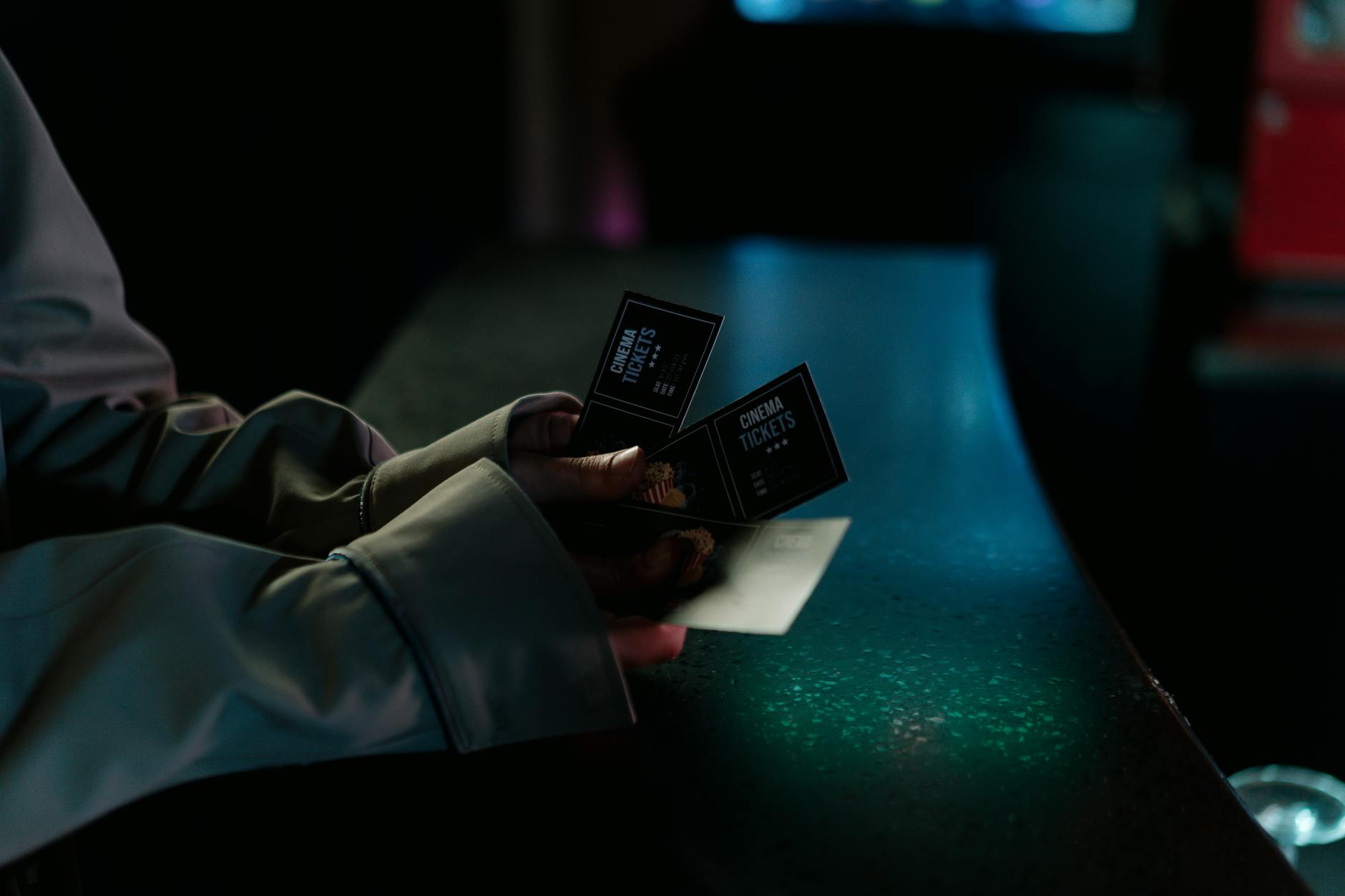
Blockbuster Sci-Fi Films Dominating the 2025 Release Calendar
Studio tentpoles form the backbone of 2025’s science fiction offerings, with several carrying budgets exceeding $200 million. “Avatar: fire and Ash” leads this category, arriving in December with expectations of repeating the billion-dollar success of its predecessors. Cameron has indicated this third film explores fire-based Na’vi clans, introducing new biomes on Pandora while continuing the Sully family’s saga. The production employed the same underwater filming techniques developed for “The Way of Water,” suggesting another technically groundbreaking visual experience.
“Jurassic World Rebirth” represents Universal’s attempt to revitalize its dinosaur franchise, this time with Scarlett Johansson and Mahershala Ali leading a cast in what’s described as a more contained thriller compared to previous entries. Director Gareth Edwards, fresh off his success with “The Creator,” brings his visual sensibility to prehistoric creatures. The film’s marketing emphasizes practical effects work alongside CGI, responding to audience fatigue with fully digital creations. Meanwhile, “Tron: Ares” continues Disney’s attempts to expand the Tron universe, with Jared Leto playing a program who escapes into the real world”a premise that inverts the franchise’s traditional narrative structure.
- These productions employ thousands of visual effects artists and crew members
- Release dates are strategically positioned around holidays and summer weekends
- Marketing budgets often equal production costs for maximum audience reach
- International box office performance increasingly determines franchise viability
- Post-credit sequences frequently tease future installments and expanded universes
Original Sci-Fi Concepts Breaking Through in 2025
Beyond franchise entries, 2025 features several original science fiction properties that have generated significant industry attention. “Bugonia,” directed by Yorgos Lanthimos, stars Emma Stone and Jesse Plemons in a dark comedy about two conspiracy theorists who kidnap a corporate executive they believe is secretly an alien. The film represents Lanthimos’s continued exploration of absurdist premises, applying his distinctive directorial style to science fiction territory. Test screenings have reportedly prompted strong reactions, suggesting the film will inspire debate among audiences.
“Warfare,” from Alex Garland, takes a more grounded approach to speculative fiction, examining near-future military technology and its psychological effects on soldiers. Garland’s track record with “Ex Machina” and “Annihilation” positions him as one of contemporary cinema’s most thoughtful sci-fi voices. Additionally, “Drop,” directed by Christopher Landon, builds a thriller premise around technology dependence, while “Opus” explores the cult-like following surrounding a reclusive tech billionaire. These original properties benefit from lower budgets, allowing for greater creative risk-taking than franchise obligations typically permit.
- Original sci-fi films often debut at festivals before theatrical release
- Critical reception can significantly boost original properties’ commercial prospects
- Streaming services have become important secondary markets for original sci-fi
- Director-driven projects attract talent seeking creative fulfillment between franchise work
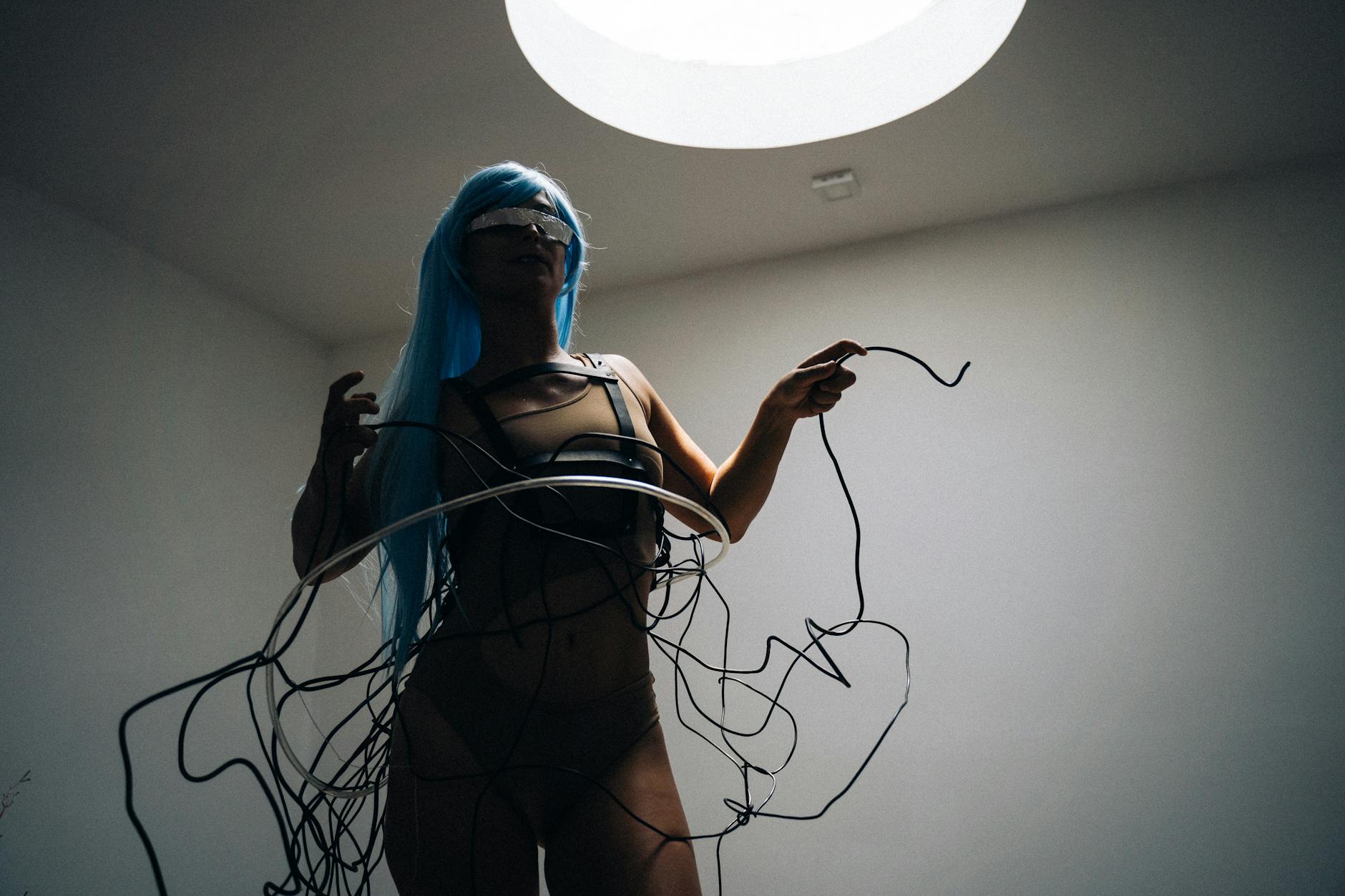
How Streaming Platforms Are Shaping Sci-Fi Releases in 2025
The streaming wars continue influencing which science fiction projects get greenlit and how they reach audiences. Netflix has committed substantial resources to “The Electric State,” marking one of the platform’s biggest original film investments. The Russo Brothers’ involvement signals Netflix’s strategy of pairing recognizable directing talent with marketable stars for its tentpole releases. Apple TV+ continues its prestige approach with science fiction, though specific 2025 releases remain under wraps as of early production announcements.
Amazon’s MGM acquisition has expanded its sci-fi library capabilities, while Max (formerly HBO Max) leverages Warner Bros.’ deep catalog of genre properties. The distinction between theatrical and streaming releases has blurred considerably, with some films receiving simultaneous releases and others moving exclusively to platforms after abbreviated theatrical runs. This shifting distribution landscape affects everything from film length (streaming allows for longer runtimes) to marketing approaches (platform algorithms versus traditional advertising). For audiences, this means more viewing options but also increased fragmentation”keeping track of which sci-fi releases appear where has become its own challenge.
- Platform exclusivity affects international availability and timing
- Streaming allows for harder sci-fi concepts that might struggle theatrically
- Budget transparency differs between streaming and theatrical releases
- Subscriber retention metrics now influence sequel greenlight decisions
- Physical media releases often lag streaming debuts by months
Indie and International Sci-Fi Films Worth Watching in 2025
Festival circuits have showcased several independent and international science fiction productions positioning for 2025 release. These films typically operate with fraction of major studio budgets yet often deliver more conceptually daring material. South Korean productions continue demonstrating strong genre craftsmanship, while European co-productions explore sci-fi themes with cultural specificity rarely seen in Hollywood offerings. Distribution deals secured at festivals like Sundance, Toronto, and Berlin will determine when these films reach broader audiences.
The indie sci-fi space has benefited from democratized visual effects technology, allowing smaller productions to achieve convincing speculative environments without prohibitive costs. Filmmakers like Alex Garland emerged from this ecosystem, proving that audiences respond to intelligent sci-fi regardless of budget scale. For 2025, watch lists should include productions from studios like A24 and Neon, which have established reputations for distributing thought-provoking genre fare. International streaming platforms are also increasingly acquiring global sci-fi productions, making foreign-language science fiction more accessible than ever to English-speaking audiences.
- Film festival premiere dates often precede theatrical release by 6-12 months
- Subtitled sci-fi has gained acceptance among wider audiences via streaming
- Co-production financing models enable ambitious international sci-fi projects
- Critical acclaim at festivals generates crucial word-of-mouth marketing

Returning Directors and Franchises Continuing Sci-Fi Sagas
Several established directors return to science fiction in 2025, bringing proven track records and devoted fanbases. Bong Joon-ho’s “Mickey 17” marks his first English-language film since the Oscar-winning “Parasite,” applying his distinctive vision to a story about labor exploitation in a space colonization context. Danny Boyle revisits the infected world he created in 2002 with “28 Years Later,” reportedly the first of a planned trilogy that will pass the franchise to new filmmakers while establishing contemporary relevance for its pandemic-era themes.
James Cameron’s continued investment in the Avatar franchise demonstrates his long-term thinking about world-building and technological advancement. Each Avatar film has pushed motion capture and 3D presentation forward, with “Fire and Ash” reportedly introducing new frame rate techniques. The Russo Brothers, primarily known for Marvel entries, venture into original sci-fi territory with “The Electric State,” potentially establishing themselves as genre filmmakers beyond superhero material. These returning voices bring audience trust and studio confidence, though they also carry expectations that their new work will match previous achievements.
- Director track records significantly impact opening weekend performance
- Franchise continuity requires balancing fan expectations with fresh storytelling
- Long production timelines mean some 2025 releases began development years earlier
- Director-studio relationships often span multiple projects across years
How to Prepare
- **Create a release calendar** by compiling confirmed premiere dates for your most-wanted films. Studios often shift dates, so following entertainment news sources or using tracking apps helps maintain accuracy. Note both theatrical and streaming release dates, as they frequently differ.
- **Prioritize theatrical experiences** for visually spectacular releases like “Avatar: Fire and Ash” and “The Electric State,” which are designed for large-format presentation. IMAX and premium formats often have limited engagement windows, so booking early for opening weeks maximizes format options.
- **Research source material** for adapted properties when possible. Reading Edward Ashton’s “Mickey 17” novel or exploring Simon Stålenhag’s artwork for “The Electric State” enhances appreciation for how filmmakers translate other media to screen. This preparation also helps evaluate adaptation choices critically.
- **Follow film festival coverage** from Sundance (January), Berlin (February), and SXSW (March) for early reviews and acquisition news regarding indie sci-fi that will release later in 2025. Festival reactions often predict wider critical and audience reception.
- **Manage streaming subscriptions** strategically around exclusive sci-fi releases. Monthly subscription flexibility allows accessing platforms specifically for anticipated releases without maintaining year-round commitments to every service.
How to Apply This
- **Track review aggregation** on sites like Rotten Tomatoes and Metacritic during release weekends, but read individual reviews from trusted critics rather than relying solely on percentage scores”science fiction often generates polarized responses that aggregate scores flatten.
- **Engage with online communities** discussing 2025 sci-fi releases on Reddit, Letterboxd, and film-focused Discord servers. These spaces often surface lesser-known releases and provide spoiler-managed discussion environments.
- **Support theatrical sci-fi** when possible, as box office performance directly influences which future projects receive greenlight. Original sci-fi especially depends on opening weekend numbers to prove viability to risk-averse studios.
- **Revisit predecessor films** before sequels and franchise continuations release. Rewatching “28 Days Later” and “28 Weeks Later” before “28 Years Later” refreshes narrative context, while revisiting previous Avatar entries prepares for continued storylines in “Fire and Ash.”
Expert Tips
- **Avoid trailer oversaturation** by watching initial teasers for anticipated films, then limiting additional marketing consumption. Studios often reveal too much in subsequent trailers, diminishing first-viewing impact for plot-driven science fiction.
- **Consider double features** when theatrical releases complement each other thematically. Pairing a blockbuster with an indie sci-fi from the same period can provide interesting comparative viewing experiences.
- **Check director and writer filmographies** before unfamiliar releases. A director’s previous work often indicates tonal and thematic approaches, helping calibrate expectations appropriately.
- **Read production reporting** from outlets like Deadline and Variety for context about troubled productions or creative conflicts that might affect final quality. Behind-the-scenes turmoil doesn’t guarantee poor results, but provides useful perspective.
- **Sample international sci-fi** that may not receive wide theatrical distribution but appears on streaming platforms. Korean, Japanese, and European science fiction often approaches familiar concepts from refreshing cultural angles.
Conclusion
The 2025 sci-fi release calendar demonstrates the genre’s continued vitality and commercial importance to the film industry. From auteur-driven projects like “Mickey 17” to franchise behemoths like “Avatar: Fire and Ash,” this year offers enough variety to satisfy diverse audience preferences. The balance between original properties and established franchises reflects studios’ ongoing negotiation between creative risk and financial security, with streaming platforms increasingly providing homes for projects that might not survive theatrical-only distribution models.
For science fiction enthusiasts, 2025 presents opportunities to support the kinds of films they want to see more of while enjoying the spectacle of big-budget productions designed for theatrical presentation. Keeping informed about release dates, distribution platforms, and critical reception helps ensure no significant release goes unwatched. The films arriving this year will likely influence science fiction cinema for years to come, making engagement with 2025’s releases both immediately rewarding and culturally significant.
Frequently Asked Questions
How long does it typically take to see results?
Results vary depending on individual circumstances, but most people begin to see meaningful progress within 4-8 weeks of consistent effort.
Is this approach suitable for beginners?
Yes, this approach works well for beginners when implemented gradually. Starting with the fundamentals leads to better long-term results.
What are the most common mistakes to avoid?
The most common mistakes include rushing the process, skipping foundational steps, and failing to track progress.
How can I measure my progress effectively?
Set specific, measurable goals at the outset and track relevant metrics regularly. Keep a journal to document your journey.