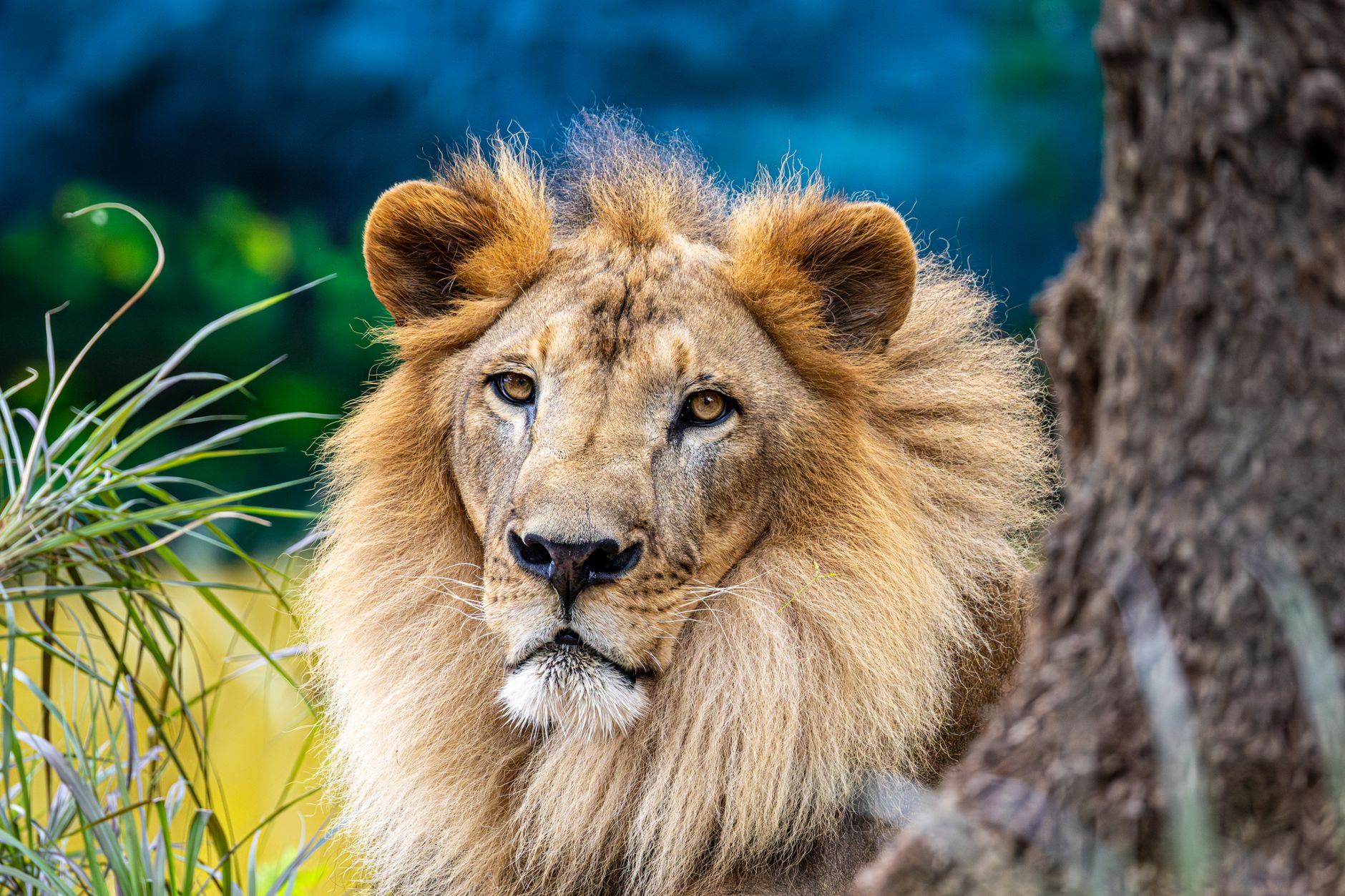
If you’ve been captivated by Mufasa: The Lion King, several other Disney animated features offer similar emotional resonance, thematic depth, and sweeping adventure. The most direct parallels exist in films like The Lion King (1994), which shares the same universe and character foundations, but also in movies such as Encanto, Moana, and Elemental—each explores inheritance, responsibility, and self-discovery against visually rich backdrops. What these films share isn’t just animation quality; they all grapple with how individuals navigate expectations placed on them by family or community while discovering their authentic identity.
The appeal of Mufasa centers on its meditation on legacy, the weight of inherited responsibility, and the journey toward acceptance. Disney has returned to these themes repeatedly across its catalog, each time through a different lens. Whether you’re drawn to the majesty of animal kingdoms, the emotional intensity of family conflict, or the adventure elements, there are solid alternatives that capture different aspects of what makes the Mufasa film resonate.
Table of Contents
- What Makes a Disney Film Similar to Mufasa’s Core Story?
- The Coming-of-Age Narrative and Inherited Burdens in Disney’s Catalog
- Animation, Visual Storytelling, and Narrative Scope
- Choosing the Right Disney Film Based on What Resonated with Mufasa
- Narrative Subversion and the Risks of Direct Comparison
- The Broader Disney Canon of Epic Storytelling
- Specific Recommendations for Pairing and Viewing Context
- Frequently Asked Questions
What Makes a Disney Film Similar to Mufasa’s Core Story?
The strongest Disney parallels to mufasa share a three-part narrative structure: a protagonist learning difficult truths about themselves, a journey that tests their resolve, and ultimately a confrontation with fear or self-doubt. The Lion King (1994) obviously fits this mold—Simba’s exile and eventual return parallel the emotional arc of understanding parental sacrifice—but Mulan (1998) follows an almost identical template. Mulan disguises herself to enter the army, faces impossible odds, discovers hidden capabilities, and returns transformed. Both films present protagonists who initially reject their assigned roles before learning those roles carry unexpected meaning.
Another crucial similarity is how these films balance spectacle with genuine character vulnerability. Mufasa doesn’t shy away from depicting the complexity of parent-child relationships; the father isn’t simply a wise sage dispensing wisdom, but a flawed figure whose choices have consequences. Zootopia (2016) operates the same way—it uses a buddy-cop framework and crime-solving mystery as the surface narrative, but the emotional core tracks two characters learning to see each other clearly despite their conditioning and prejudices. The mystery gets solved, but the real story is about recognizing when you’ve misjudged someone.
The Coming-of-Age Narrative and Inherited Burdens in Disney’s Catalog
A common limitation when comparing films is treating “similar theme” as equivalent to “similar experience.” Encanto addresses inherited pressure and family legacy, but through a multigenerational female perspective across an extended household, not a patriarch-to-heir transfer. Mirabel must accept that her lack of magical powers doesn’t diminish her value, whereas Mufasa explores what happens when a heir possesses power but questions whether they’re worthy of wielding it. The emotional registers are distinct even though both films tackle the same fundamental anxiety about family expectations. Moana presents another instructive contrast.
Like the Mufasa protagonist, Moana is called to a role she didn’t choose—restoring the ocean and saving her people—but her arc involves learning to trust her instincts rather than honoring a parent’s wishes. Where Mufasa’s narrative hinges on accepting a father’s wisdom even after his death, Moana’s turns on recognizing that her mother’s advice to stay was rooted in fear, not wisdom. The films have comparable emotional stakes, but they model different relationships to inherited responsibility. A warning: if you approach Moana expecting the father-figure mentorship of Mufasa, you’ll be disappointed. The film deliberately sidelines paternal guidance as a model.
Animation, Visual Storytelling, and Narrative Scope
Mufasa employs photorealistic animation to heighten emotional immersion—the texture of fur, the weight of movement, the complexity of facial expressions. This technical approach filters the emotional experience. Films like Zootopia, Tangled, and Frozen use different visual languages but achieve similar narrative ambition. Tangled employs warmer, more expressive character animation paired with visible brushwork that suggests storybook illustration, creating intimacy even at moments of grand adventure. Frozen operates in a similar range but adds musical spectacle to match its emotional climaxes.
The practical consideration here involves pacing and length. Mufasa is structured as an epic—it takes its time establishing the kingdom, the family relationships, and the political tensions before catastrophe arrives. Encanto and Moana operate on tighter timeframes; they move from inciting incident to resolution more swiftly. If you’re seeking another film with Mufasa’s deliberate, immersive pacing, Sleeping Beauty (1959) or Beauty and the Beast (1991) offer slower-burn storytelling, though their animation styles differ significantly. Modern Disney tends to favor faster narrative momentum, which means some comparable emotional depth is achieved in less screen time.
Choosing the Right Disney Film Based on What Resonated with Mufasa
If the animal-kingdom setting appealed to you specifically, Bambi (1942) and The Jungle Book (1967) are the closest alternatives, though both predate Mufasa by decades and employ different animation aesthetics. Bambi’s loss-and-orphaning narrative mirrors Simba’s tragedy but delivers the story with less visual spectacle and more restraint in emotional presentation. The Jungle Book takes a more picaresque, adventure-forward approach where the emotional weight accumulates gradually rather than through structured conflict.
If the father-son relationship was central to your investment, Coco (2017) provides the most resonant equivalent. Coco restructures the dynamic—the father-figure relationship becomes a grandfather-grandson relationship across death itself—but it explores similar themes of honoring a parent’s memory, understanding sacrificial choices, and inheriting someone else’s unfinished business. However, Coco locates this drama within a broader family network, and its visual palette emphasizes vibrancy and color rather than the golden-hour majesty of Mufasa’s Pride Lands. If you’re seeking a cleaner parallel, Inside Out 2 and Turning Red both address parent-child relationships and self-discovery, but they use contemporary human settings and rely more heavily on humor to balance emotional stakes.
Narrative Subversion and the Risks of Direct Comparison
One pitfall when searching for “similar” films is expecting exact tonal matches. Hercules (1997) shares Mufasa’s interest in a protagonist learning that inherited power doesn’t automatically confer purpose or virtue, but it’s structured as a comedy with lighter stakes and more comedic supporting characters. If you approach Hercules expecting the gravitas of Mufasa’s political intrigue, you’ll find the opening Underworld scenes involving baby Hercules far too played for laughs. The Lion King leans into genuine darkness—a father’s betrayal and murder drive the plot—whereas Hercules treats the Underworld sequence as comedic setup.
Another consideration: some acclaimed Disney alternatives operate with anti-hero protagonists or morally ambiguous characters. Cruella (2021) and Maleficent (2014) recontextualize their respective villains as protagonists with understandable motivations. These films reject Mufasa’s implicit moral clarity. If what resonated was the film’s confidence in Good and Evil as distinct forces, with Scar representing genuine malevolence rooted in jealousy, these revisionist villainous-protagonist films will feel dissonant. They’re thematically sophisticated but philosophically opposed to Mufasa’s values-clear worldview.
The Broader Disney Canon of Epic Storytelling
Brave (2012) offers another angle on inherited expectation and family legacy, centering a mother-daughter relationship fractured by misaligned expectations. The film’s Highland Scottish setting and archery-focused action create visual and tonal distinctness from Mufasa, but the core emotional narrative—learning that a family member isn’t your enemy, but a person acting from fear and limited understanding—maps directly. Raya and the last Dragon (2021) extends this pattern with a larger scope, exploring how trust broken across generations must be painstakingly rebuilt.
If you value the grand-scale worldbuilding and character introduction sequences that Mufasa executes, Frozen offers similar breadth—it establishes an entire kingdom’s visual character and social structure before focusing on the central characters. However, Frozen divides its emotional weight between two sisters rather than centralizing a single protagonist’s journey, which creates a different narrative texture. The coronation and societal stakes exist as scaffolding for the sisterhood plot rather than as the primary source of dramatic tension.
Specific Recommendations for Pairing and Viewing Context
The Lion King (1994) remains the essential prerequisite viewing if you haven’t encountered it—it provides the foundational mythology for Mufasa and illuminates the choice to tell the father’s story rather than the son’s. However, watching them in immediate succession risks emotional exhaustion; the two films cover similar emotional terrain with overlapping character arcs. Spacing them across multiple viewings allows you to appreciate the structural differences and what each film emphasizes.
For a thematic viewing progression, consider pairing Mufasa with Coco and Moana. This sequence tracks different cultural and familial approaches to legacy and inherited responsibility—Mufasa’s patriarchal kingdom structure, Coco’s multigenerational Mexican family honoring, and Moana’s wayfinding tradition passed through a single lineage. Across these three films, you encounter various models of how meaning and responsibility transmit across generations, each filtered through distinct narrative and visual languages.
Frequently Asked Questions
Is The Lion King (1994) required viewing before watching Mufasa?
Not strictly required—Mufasa functions as a complete prequel with its own narrative arc—but the 1994 film provides context for character motivations and deepens appreciation for plot choices. The two films work independently but resonate more richly together.
Which Disney film has the most similar animation style to Mufasa?
Zootopia and Frozen employ comparable photorealistic detail for environmental design and character rendering, though their visual approaches differ. Zootopia favors urban complexity while Mufasa emphasizes natural landscape majesty.
Are there Disney films with similar father-child relationships?
Coco centers a grandfather-grandson relationship across death with comparable emotional weight. Finding Nemo (Pixar, but Disney-distributed) explores father-son anxiety, though with lighter tone and contemporary setting.
What Disney film most closely matches Mufasa’s pacing and scope?
The Lion King (1994), Sleeping Beauty, and Beauty and the Beast employ deliberate, immersive pacing with extended scene development rather than rapid plot progression.
Do any recent Disney films share Mufasa’s animal-kingdom setting?
Zootopia features an anthropomorphic animal world but prioritizes urban detective narrative over wildlife or kingdom establishment. Direct animal-kingdom equivalents are older films like Bambi and The Jungle Book.
Which Disney film best addresses inherited responsibility?
Encanto most directly parallels the theme of family expectations and inherited pressure, though through a multigenerational female household lens rather than patriarchal succession.