Several 2026 films put social media influence at the center of their narratives, ranging from a Thai horror-thriller about an influencer destroyed by online backlash to an A24 heist film where hackers exploit a target’s overshared social media presence. The year marks a turning point where the influencer economy is no longer just background noise in cinema but the actual engine driving plots, character arcs, and even how studios market the finished product to audiences. Beyond the films themselves, the relationship between social media and the movie industry has grown uncomfortably cozy. Warner Bros.
paid over 2,000 social media influencers to post favorable reactions to their Wuthering Heights adaptation before official reviews dropped, a strategy that helped the film open to $37.5 million despite middling critical reception. This article covers the specific 2026 films exploring influencer culture, how social media functions as a plot device in this year’s releases, the blurring line between creator economy and Hollywood talent pipelines, and what all of it means for the future of filmmaking. The conversation is no longer about whether social media belongs in movies. It is about the fact that social media has become so deeply embedded in how stories are told, funded, and sold that separating the two feels almost impossible.
Table of Contents
- Which 2026 Movies Tell Stories About Social Media Influence?
- How A24’s How to Make a Killing Uses Social Media as a Weapon
- The Charli XCX Film and the Collapse of Celebrity Into Content
- Influencer Marketing vs. Film Criticism — The Wuthering Heights Case Study
- When Social Media Horror Gets It Right — Lessons from Influencers (2025)
- Studios Are Now Treating Vertical Video as a Development Pipeline
- Where Social Media Influence in Film Goes From Here
- Conclusion
- Frequently Asked Questions
Which 2026 Movies Tell Stories About Social Media Influence?
The most striking entry is Rinrada The Influencer, a Thai horror-thriller directed by Artistaya Arriyawongsa and set for release on June 3, 2026 in Thailand. The premise is grim and pointed: a female influencer is destroyed by social media backlash to the point of taking her own life, then gets a second chance as a spirit with only 28 days before she is forgotten forever. Produced by THAM Studio 19 and Fearfolks, the film uses supernatural horror as a vehicle for something uncomfortably real — the speed at which the internet builds people up and tears them apart, and the terrifying impermanence of online relevance. Then there is Man vs. Flock, the first fictional feature from Tamara Kotevska, who directed the acclaimed documentary Honeyland. The film follows an old Macedonian farmer fighting to defend his land from a Chinese company constructing the New Silk Road. His unexpected ally turns out to be a social media influencer and plane crash survivor.
The project won the Les Arcs Work in Progress award, and Criterion listed it among the most anticipated films of 2026. What makes Man vs. Flock interesting is its refusal to treat the influencer character as a punchline. Instead, the story seems to ask whether someone whose entire identity was built on digital performance can function when stripped of connectivity and audience. A separate film titled Influencers, directed by Kazem Rast Goftar and listed on IMDb as a 2026 comedy, follows a family drawn into the world of social media through unexpected circumstances. Details remain sparse, but the comedy angle suggests a lighter take on the same anxieties driving the horror and drama entries. The range in tone across these three films — horror, drama, comedy — reflects how thoroughly influencer culture has permeated every genre.

How A24’s How to Make a Killing Uses Social Media as a Weapon
One of the higher-profile 2026 releases involving social media is How to Make a Killing, directed by John Patton Ford and released by A24 on February 20, 2026 in the US, with StudioCanal handling the UK release on march 11. The cast is stacked: Glen Powell, Margaret Qualley, Ed Harris, Jessica Henwick, Topher Grace, Zach Woods, and Bill Camp. The premise centers on young hackers who exploit a billionaire’s daughter’s overshared social media presence to infiltrate a cryptocurrency wallet. Social media here is not the theme so much as the vulnerability — the open door through which the crime becomes possible. The film’s critical reception landed at 47% on Rotten Tomatoes from 153 critics, which suggests it may have struggled to balance its heist mechanics with its commentary on digital exposure.
However, the central conceit is worth paying attention to because it reflects a genuine and growing concern: how much personal information people voluntarily broadcast, and how that information can be weaponized. If you are expecting a straightforward thriller without any friction, this may not deliver. But as a case study in how filmmakers are using social media as a plot mechanism rather than mere set dressing, it is instructive. The A24 pedigree also matters here. The studio has built its reputation on films that engage with contemporary anxieties in stylish, sometimes polarizing ways. That How to Make a Killing uses the language of influencer oversharing to set up a heist plot feels entirely consistent with A24’s brand, even if the execution divided critics.
The Charli XCX Film and the Collapse of Celebrity Into Content
Charli XCX: The Moment, expected in 2026, is a different kind of social media film. Described as a meta-portrait combining concert footage with scripted scenes, the project takes aim at trends the singer helped make pervasive and the broader cultural landscape those trends created. Multiple Charli XCX films are reportedly expected in 2026, which itself says something about the appetite for content that blurs the line between artist, brand, and internet phenomenon. What makes this project notable is its self-awareness. Charli XCX did not just ride the wave of social media culture — she shaped parts of it.
The “brat summer” phenomenon of recent years was essentially a social media event that happened to originate from a musician. A film that interrogates that dynamic from the inside, rather than from the safe distance of fiction, has the potential to say something more honest about what happens when a person becomes inseparable from the content they generate. The risk, of course, is that self-referential projects can tip into self-congratulation. Whether The Moment manages to be genuinely critical rather than a feature-length brand exercise remains to be seen. But the fact that it exists at all is a sign that even the people at the center of influencer culture recognize that the phenomenon has become large enough — and strange enough — to warrant examination on a cinematic scale.

Influencer Marketing vs. Film Criticism — The Wuthering Heights Case Study
The most revealing social media story in 2026 cinema is not a film’s plot but a film’s marketing. Warner Bros. paid over 2,000 social media influencers to post favorable reactions to their Wuthering Heights adaptation before official reviews were published. Early influencer reactions called it “a god-tier classic.” The film opened to $37.5 million over Presidents’ Day weekend despite sitting at a middling 68% on Rotten Tomatoes. Warner Bros. had previously used similar influencer tactics for Barbie, but the Wuthering Heights campaign was more brazen in its timing — deliberately front-running the critical consensus. The tradeoff here is worth examining honestly.
From a business perspective, the strategy worked. The opening weekend numbers were strong, and the influencer campaign created a wave of positive sentiment that likely pulled in audiences who might have waited for reviews. From a cultural perspective, it raises uncomfortable questions about whether professional film criticism still functions as a meaningful counterweight to studio marketing, or whether it has been outflanked by a distributed network of paid endorsements that audiences may not recognize as advertising. This is not entirely new — studios have always managed early buzz through screenings, press junkets, and strategic embargo dates. But the scale and directness of paying 2,000 influencers represents a qualitative shift. When the people your audience trusts for honest opinions are on the studio’s payroll, the entire ecosystem of recommendation and discovery starts to warp. Whether audiences eventually develop antibodies to this kind of campaign, or whether it simply becomes the new normal, is one of the more consequential questions facing the industry.
When Social Media Horror Gets It Right — Lessons from Influencers (2025)
For context on why 2026 filmmakers are drawn to influencer stories, it is worth looking at the 2025 horror-thriller Influencers, directed by Kurtis David Harder. The film stars Cassandra Naud, Emily Tennant, and Georgina Campbell, and is set in southern France, where a young woman’s fascination with murder and identity theft sends her life into chaos. It premiered at the Fantasia International Film Festival on July 26, 2025, and was released on Shudder on December 12, 2025. Critics responded enthusiastically — the film holds a 96% rating on Rotten Tomatoes from 45 critics, with the consensus praising it for skewering hollow influencer culture with stylish carnage and delicious black humor. That near-universal critical approval matters because it demonstrated that audiences and critics alike have an appetite for films that treat influencer culture as genuine dramatic material rather than a gimmick. The 96% score is not just a number — it signals that the subject matter, when handled with craft and actual point of view, resonates.
It likely helped greenlight or accelerate several of the 2026 projects discussed here. However, there is a limitation worth noting. The 2025 Influencers succeeded partly because it committed to being a genre film first and a social commentary second. The horror framework gave it permission to be extreme in ways that a straight drama might not get away with. Filmmakers tackling similar themes in 2026 without that genre scaffolding — like the more grounded Man vs. Flock — face a harder challenge in keeping audiences engaged with what could otherwise feel like a lecture about screen time.
Studios Are Now Treating Vertical Video as a Development Pipeline
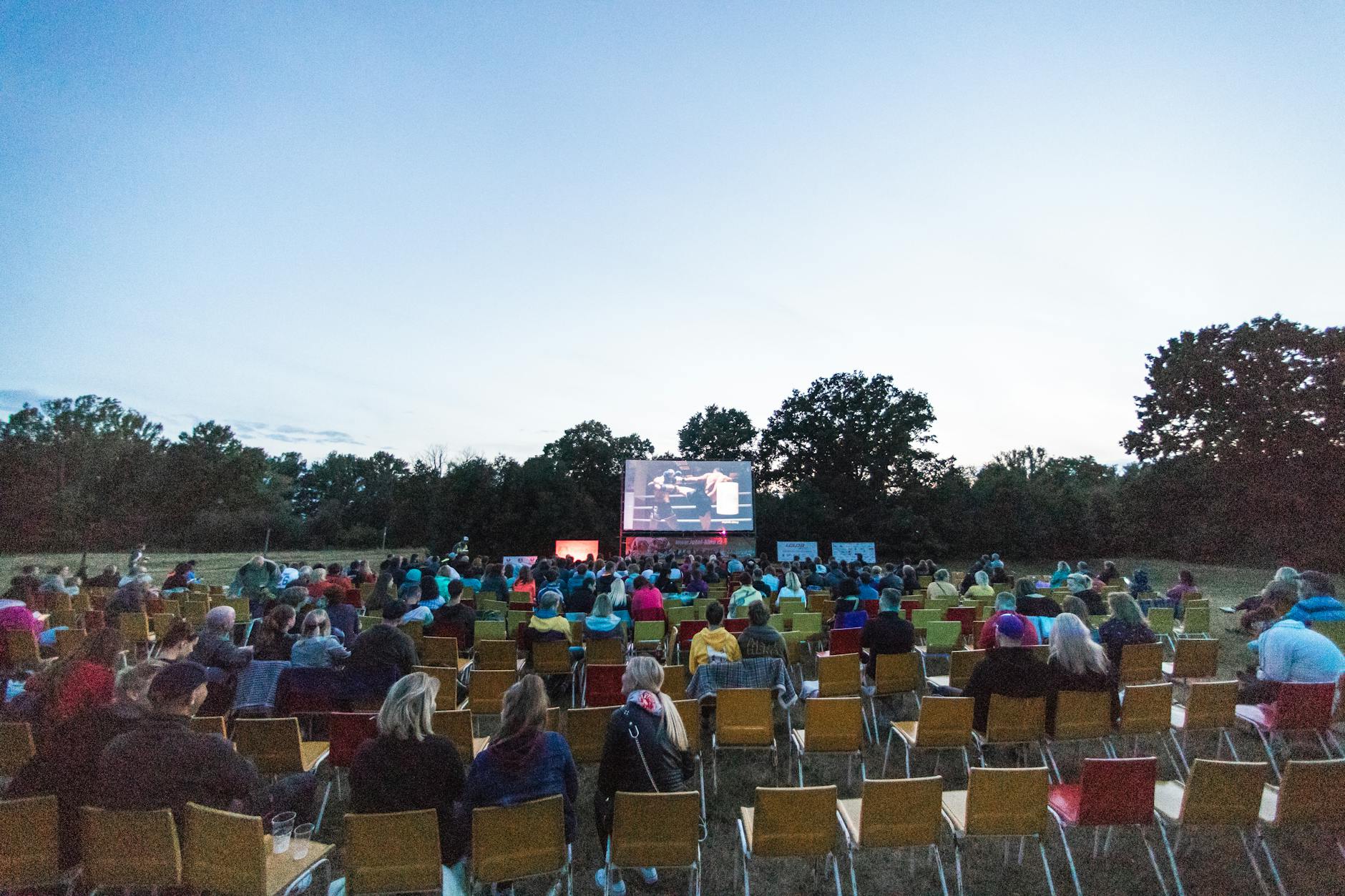
One of the more significant industry trends in 2026 is that major studios are treating vertical video — the short-form content native to TikTok, Instagram Reels, and YouTube Shorts — as a legitimate development pipeline. Studios are courting short-form creators for adaptation deals and brand partnerships, essentially scouting talent and intellectual property from the same platforms that audiences use to decide which movies to watch. The boundaries between Hollywood and the creator economy are dissolving in both directions.
Studios embrace creators as both marketers and talent, while social platforms are professionalizing their content and moving toward longer formats and living room viewing. Opening weekends for blockbusters now function as shared cultural rituals amplified by social media buzz and real-time online discussion. The theatrical release has become, in a sense, a content event — something that exists partly so that people can post about experiencing it.
Where Social Media Influence in Film Goes From Here
The trajectory is clear: social media is not a passing theme for cinema in 2026 but an accelerating one. The films arriving this year approach the subject from wildly different angles — supernatural horror in Thailand, land-rights drama in Macedonia, cryptocurrency heists in A24’s stylish register, and self-interrogating pop-star portraits. That variety suggests the topic has enough depth to sustain multiple genres and perspectives without feeling exhausted.
Looking ahead, the more interesting question may not be which films tell stories about social media, but whether any major film can afford to ignore it entirely. When studios are paying thousands of influencers to shape opening-weekend narratives, when short-form video creators are getting development deals, and when the theatrical experience itself is increasingly mediated through posts and reactions, social media is no longer a subject that cinema observes from the outside. It is the water the entire industry swims in.
Conclusion
The 2026 film landscape reveals social media influence operating on every level of the movie industry simultaneously. On screen, films like Rinrada The Influencer, Man vs. Flock, and How to Make a Killing use influencer culture and digital oversharing as the raw material for horror, drama, and thriller narratives. Off screen, Warner Bros.’ 2,000-influencer campaign for Wuthering Heights demonstrated that social media has become as important to a film’s commercial performance as the film itself.
The critical success of the 2025 Influencers proved the audience appetite is real. For anyone tracking the intersection of cinema and digital culture, the films and industry moves of 2026 represent a moment of consolidation. The experimental phase — where a social media subplot felt novel or edgy — is over. Studios, filmmakers, and platforms are now deeply entangled, and the films being produced reflect that entanglement with increasing sophistication and, in the best cases, genuine critical insight. Whether the industry can maintain that critical distance while simultaneously depending on the very platforms it examines is the tension that will define this era of filmmaking.
Frequently Asked Questions
What is the best 2026 movie about social media influencers?
Rinrada The Influencer, a Thai horror-thriller releasing June 3, 2026, is the most direct exploration of influencer culture, following a content creator destroyed by online backlash who returns as a spirit with 28 days before being forgotten. For a lighter take, the comedy Influencers directed by Kazem Rast Goftar covers a family pulled into social media challenges.
Is How to Make a Killing about social media?
Social media is a central plot device rather than the main theme. The A24 film, starring Glen Powell and Margaret Qualley, follows hackers who use a billionaire’s daughter’s overshared social media presence to infiltrate a cryptocurrency wallet. It received a 47% on Rotten Tomatoes from 153 critics.
Did Warner Bros. really pay influencers to promote Wuthering Heights?
Yes. Warner Bros. paid over 2,000 social media influencers to post favorable reactions to their Wuthering Heights adaptation before official reviews were published. The film opened to $37.5 million over Presidents’ Day weekend 2026 despite a 68% score on Rotten Tomatoes.
Are there any critically acclaimed movies about influencer culture?
The 2025 horror-thriller Influencers, directed by Kurtis David Harder, holds a 96% on Rotten Tomatoes from 45 critics and is widely praised for skewering hollow influencer culture. It premiered at the Fantasia International Film Festival and is available on Shudder.
How is social media changing movie marketing in 2026?
Studios are treating social media influencers as a primary marketing channel, sometimes deploying thousands of paid creators to shape audience perception before critics publish reviews. Vertical video platforms are also being used as talent and IP scouting pipelines, with short-form creators receiving adaptation deals.
What is the Charli XCX movie about?
Charli XCX: The Moment is a meta-portrait combining concert footage with scripted scenes that examines trends the singer helped popularize and the broader cultural landscape they created. Multiple Charli XCX films are expected in 2026.