is shaping up to be a landmark year for films rooted in cultural folklore and mythology, with major studios investing heavily in adaptations that span ancient epics, indigenous traditions, and global mythological narratives. The year will see the theatrical release of Christopher Nolan’s *The Odyssey* this July, an ambitious retelling of Homer’s ancient Greek epic featuring Matt Damon as Odysseus, alongside live-action remakes of beloved animated films like *Moana*, which brings Polynesian ocean voyaging mythology to the screen with Dwayne Johnson reprising his role as Maui.
Beyond these high-profile releases, filmmakers are increasingly drawing from diverse cultural traditions—from Irish folklore horror to Asian mythologies to period dramas steeped in medieval legend—reflecting a broader industry recognition that audiences hunger for stories grounded in authentic cultural narrative traditions rather than purely contemporary settings. This article examines the landscape of folklore-driven cinema in 2026, exploring why studios are doubling down on these narratives, how different cultural traditions are being adapted for film, and what this trend reveals about contemporary storytelling. We’ll look at specific releases across multiple genres, discuss the challenges of translating mythology to screen, and consider how these films balance commercial appeal with cultural authenticity.
Table of Contents
- What Defines the Folklore Film Boom of 2026?
- Epic Historical Mythology and Major Studio Productions
- Horror and Dark Folklore Traditions
- Live-Action Remakes and Cultural Storytelling
- The Authenticity Challenge in Cross-Cultural Adaptation
- Asian Mythologies and Bollywood Expansion
- The Broader Implications for Mainstream Cinema
- Conclusion
What Defines the Folklore Film Boom of 2026?
The surge in mythology-based films isn’t random. Filmmakers have discovered that folklore narratives offer inherent dramatic structure, built-in audience interest, and the kind of universal themes that transcend geographic boundaries. When Nolan tackles *The Odyssey*, he’s working with material that’s been proven compelling for nearly 3,000 years—the journey home, the struggle against fate, the test of human resolve. Similarly, the live-action *Moana* adaptation leans on Polynesian wayfinding traditions that represent genuine cultural achievements rather than invented fantasy.
Over two dozen films explicitly described as “rewriting our modern myths” are scheduled for 2026 releases, according to industry sources tracking the genre, indicating this is far more than a passing trend. What distinguishes folklore films from generic fantasy is their grounding in actual cultural traditions. A folklore-based narrative carries the weight of generations of storytelling, which audiences intuitively recognize. However, this also creates responsibility for filmmakers—adapting existing cultural narratives requires more research and cultural sensitivity than creating wholly fictional worlds. A film like *Moana* carries the expectation that it will honor Polynesian ocean navigation and cultural knowledge, whereas an entirely fictional fantasy world bears no such obligation to external communities.
Epic Historical Mythology and Major Studio Productions
Christopher Nolan’s *The Odyssey*, arriving July 17, 2026, represents the largest investment in classical mythology adaption in recent cinema history. By casting established actor Matt Damon and directing the project himself, Nolan is signaling that ancient epic storytelling warrants A-list treatment and substantial budgets. This follows successful precedent with other classical adaptations, yet *The Odyssey* faces the challenge of compressing a narrative that has traditionally required weeks of episodic storytelling into a feature-length format.
The film must balance fidelity to Homer’s text with cinematic pacing requirements—a limitation that every classical adaptation confronts. Beyond Nolan’s effort, Bollywood and international productions are explicitly developing mythological films centered on Indian and Asian cultural traditions. These releases indicate that folklore adaptation isn’t limited to Western studios or Greco-Roman narratives. The diversity of cultural mythologies being adapted simultaneously suggests the industry recognizes that folklore has truly global commercial and artistic appeal, though it also means audiences will encounter varying interpretations of what “authenticity” means across different cultural contexts.
Horror and Dark Folklore Traditions
Not all 2026 folklore films are epic adventures. The horror genre is actively mining cultural folklore for atmospheric source material. *Hokum*, releasing May 1, 2026, grounds itself in Irish supernatural folklore with a contemporary cast including Adam Scott, suggesting that horror audiences are receptive to folklore-informed narratives that emphasize cultural specificity over jump scares. Robert Eggers’ *Werwulf* similarly draws on 13th-century England’s folkloric traditions, creating a period horror film centered on a mysterious creature stalking a rural community—the kind of folk tale that likely originated as explanations for real predatory incidents in medieval England.
The horror subgenre demonstrates that folklore appeal extends across audience demographics. While younger audiences might engage with *Moana*’s Polynesian mythology through adventure and spectacle, adult horror audiences engage with folklore through atmosphere and cultural dread. The limitation here is that horror adaptations of folklore sometimes flatten cultural narratives into scare content, prioritizing atmospheric dread over deeper cultural exploration. When folklore becomes merely a setting for horror conventions, some of the meaning embedded in the original traditions can be lost.

Live-Action Remakes and Cultural Storytelling
The live-action *Moana* remake represents a significant approach to folklore adaptation—taking an animated film already invested in Polynesian cultural accuracy and translating it to live-action format. Dwayne Johnson’s return as Maui signals continuity with the original film’s cultural foundations, though live-action adaptation inherently changes how audiences experience mythology.
Animation allows for stylization and metaphor that can represent spiritual or fantastical elements; live-action demands physical reality. The trade-off is that live-action potentially deepens audience immersion in the cultural world while simultaneously constraining the visual vocabulary available to storytellers.
- The Legend of Aang: The Last Airbender*, arriving October 2026 on Paramount+, represents another live-action mythology translation. Unlike *Moana*, which draws from specific Polynesian traditions, *Avatar: The Last Airbender* constructs mythology from pan-Asian influences and original fictional world-building. This distinction matters—the film must honor the source material’s mythological approach without claiming to represent actual cultural traditions. For audiences familiar with the animated series, the live-action adaptation becomes a test of whether filmmakers understand the underlying mythological concepts that made the original compelling.
The Authenticity Challenge in Cross-Cultural Adaptation
A critical tension in folklore film adaptation is the gap between cultural authenticity and commercial viability. Studios need films to appeal to global audiences, which sometimes conflicts with depicting cultural specifics that might seem “foreign” or unfamiliar to viewers outside that tradition. *Moana* navigates this by combining Polynesian cultural accuracy with accessible storytelling conventions; *The Odyssey* similarly uses classical narrative structures that Western audiences have internalized through education and prior cultural exposure.
However, when adaptations oversimplify or strip away cultural specificity to maximize appeal, they risk transforming living folklore traditions into generic fantasy backdrops. A warning to audiences and filmmakers alike: folklore isn’t just aesthetic window dressing or plot motivation. When a film claims to represent cultural traditions—whether Polynesian wayfinding, Irish supernatural beliefs, or Greek epic heroism—it carries implicit responsibility to engage with why those traditions matter to the cultures that created them. Films that treat folklore as merely setting rather than substance may entertain but ultimately diminish the cultural knowledge they purport to represent.

Asian Mythologies and Bollywood Expansion
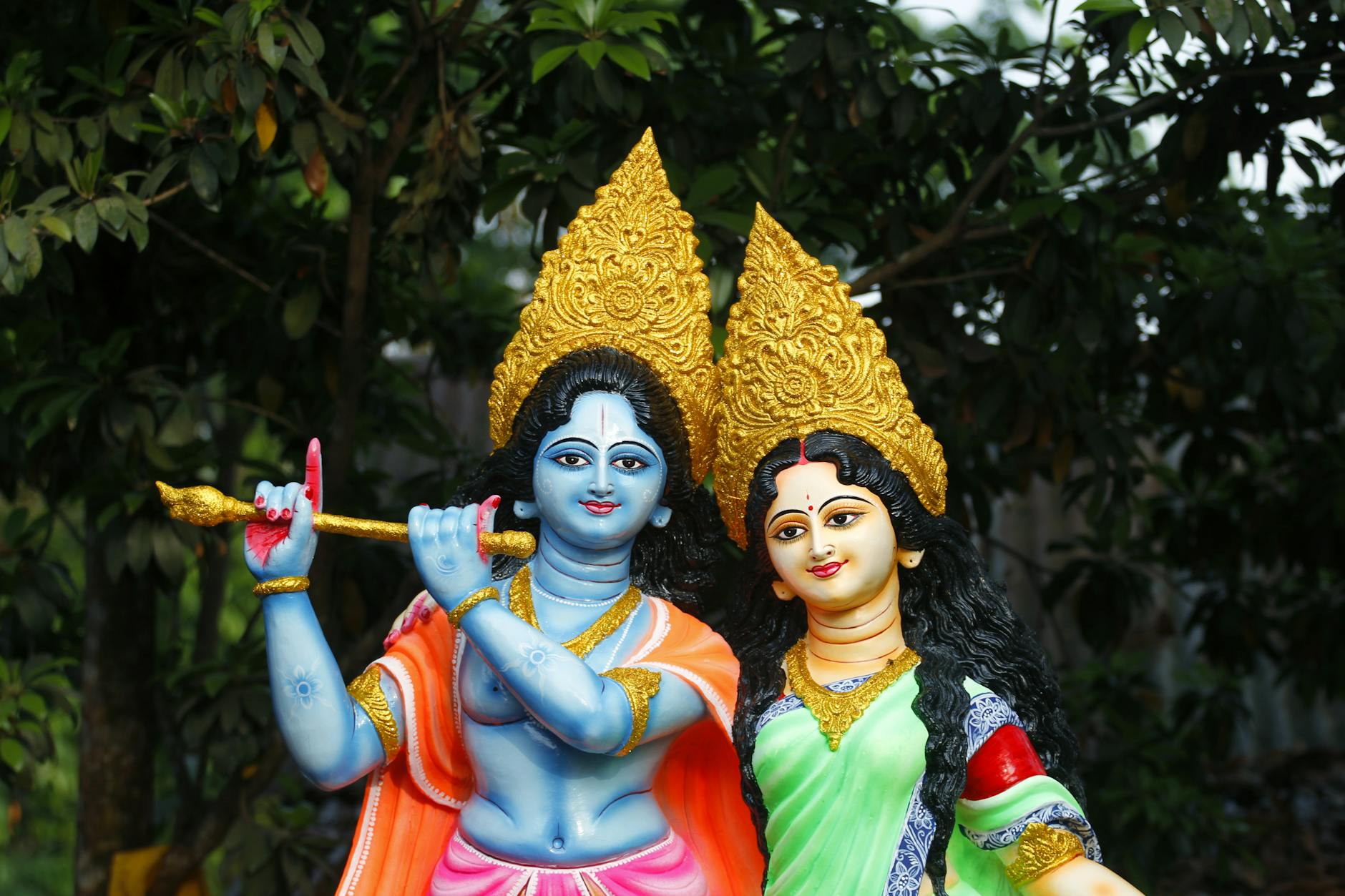
Beyond major Hollywood releases, Bollywood and other Asian film industries are actively producing mythology-focused content scheduled for 2026 release. These productions represent a substantial portion of the 27+ mythology movies releasing in 2026, though they receive less attention in Western film discourse. Indian epics like the Ramayana and Mahabharata have generated multiple film and television adaptations over decades, and 2026 continues this tradition with productions explicitly designed around mythological narratives.
These films operate within established cultural contexts where audiences have deep familiarity with source material, allowing filmmakers to assume baseline knowledge and focus on fresh interpretative approaches. The expansion of mythology filmmaking beyond Hollywood and Western European traditions indicates that folklore-driven narratives have genuine cross-cultural resonance. An audience in India engaging with a Ramayana adaptation and an audience in North America engaging with *The Odyssey* are both participating in a global moment where cultural origin stories have commercial and artistic value. This simultaneous global interest in diverse folklores suggests audiences are increasingly comfortable with cultural narratives outside their own traditions.
The Broader Implications for Mainstream Cinema
The concentration of folklore and mythology films in 2026 reflects a strategic decision across the industry to move beyond purely contemporary narratives and stranger-in-a-strange-land stories. Folklore provides built-in narrative structures, established character archetypes, and thematic depth that requires less exposition than wholly original material. For filmmakers, it’s a pragmatic choice; for audiences, it signals that studios believe cinematic storytelling can and should engage with cultural traditions seriously rather than dismissively.
Looking forward, the success or failure of 2026’s mythology films will likely determine how aggressively studios pursue folklore-based projects. If *The Odyssey*, *Moana*, and the various international mythological releases find audiences and critical appreciation, expect the trend to intensify. If they underperform, studios may retreat toward safer contemporary narratives. The cultural momentum toward folklore seems genuine and audience-driven rather than manufactured, suggesting this moment may represent a sustained shift in what kinds of stories mainstream cinema considers commercially viable.
Conclusion
stands as a pivotal year for folklore and mythology in cinema, with over two dozen films drawing from cultural traditions spanning ancient Greek epics, Polynesian wayfinding, Irish supernatural folklore, Asian mythologies, and Bollywood epics. Major releases like Christopher Nolan’s *The Odyssey*, the live-action *Moana*, and Robert Eggers’ *Werwulf* demonstrate that cultural storytelling traditions command the attention and budgets of major filmmakers and studios, indicating this is no niche movement but rather a fundamental reconception of what narratives audiences want to experience on screen.
As you explore 2026’s folklore-driven films, consider approaching them not merely as entertainment but as cultural documents—stories that reveal what contemporary audiences believe matters about human experience, which traditions we collectively think are worth preserving, and how different cultures understand universal themes like heroism, homecoming, family, and fate. Whether through theatrical epics or streaming releases, through Hollywood productions or international cinema, 2026 offers unprecedented opportunity to engage with humanity’s oldest stories told through cinema’s most contemporary medium.