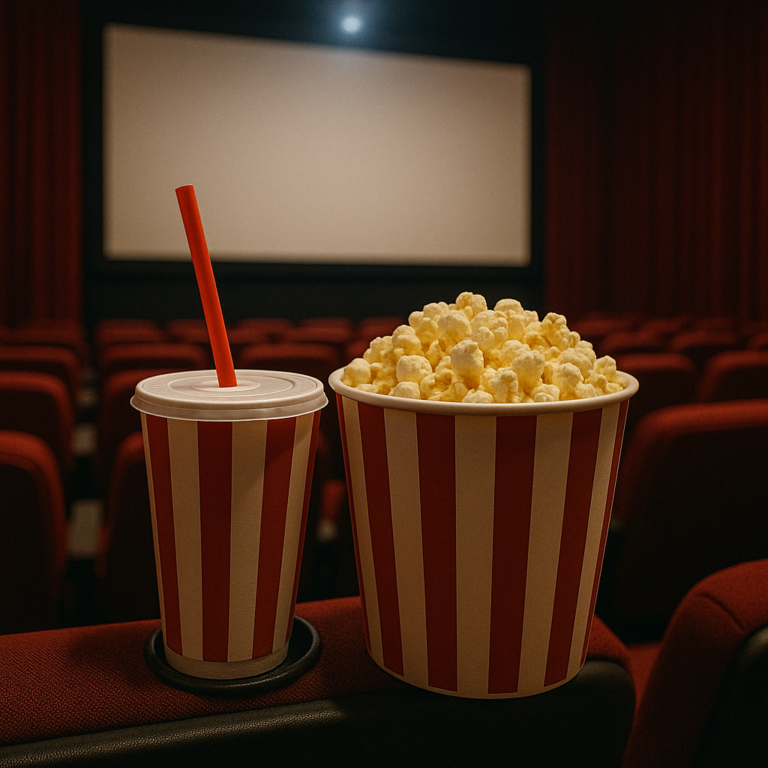
The most anticipated sequels of 2025 represent one of the most stacked lineups of follow-up films in recent memory, with major franchises returning to theaters after years of development and fan speculation. From the resurrection of iconic 1980s properties to the continuation of modern blockbuster sagas, this year’s sequel slate reflects Hollywood’s ongoing commitment to established intellectual property while also delivering genuinely exciting creative directions from acclaimed filmmakers. Understanding which sequels deserve attention matters for both casual moviegoers and dedicated cinephiles. With ticket prices continuing to rise and theatrical windows shrinking, knowing which films warrant a trip to the multiplex versus a streaming wait has real value.
The sequels arriving in 2025 also signal broader industry trends, from the revival of practical effects-driven action to the expansion of interconnected universes beyond the superhero genre. Several of these films carry budgets exceeding $200 million, representing significant gambles by studios betting on audience nostalgia and franchise loyalty. By the end of this guide, readers will have a comprehensive overview of the major sequels hitting theaters throughout 2025, the creative talent behind them, release date information, and context about what makes each project significant. Whether tracking the return of beloved characters, monitoring directorial choices, or simply planning a year of moviegoing, this breakdown covers the essential details for navigating the year ahead in franchise filmmaking.
Table of Contents
- What Makes the 2025 Sequel Lineup Different from Previous Years?
- Major Franchise Sequels Dominating the 2025 Release Calendar
- How Legacy Sequels Are Reviving Classic 1980s and 1990s Franchises
- Release Dates and Theatrical Strategies for 2025’s Biggest Sequels
- Common Concerns About Sequel Fatigue and Franchise Oversaturation
- International and Independent Sequels Worth Watching in 2025
- How to Prepare
- How to Apply This
- Expert Tips
- Conclusion
- Frequently Asked Questions
What Makes the 2025 Sequel Lineup Different from Previous Years?
The 2025 sequel calendar stands apart from recent years due to the unusual convergence of legacy franchise revivals and contemporary series continuations arriving simultaneously. While 2023 and 2024 saw numerous sequels underperform at the box office, leading to industry hand-wringing about franchise fatigue, the 2025 slate features projects with notably longer development cycles and more distinctive creative visions. Studios appear to have learned from recent disappointments, greenlighting sequels with clearer artistic purposes rather than rushing productions to meet arbitrary release windows. Several factors distinguish this year’s anticipated sequels from the typical Hollywood follow-up fare. First, a significant number of these films bring back original directors rather than handing franchises to new creative teams, suggesting studios are prioritizing creative continuity.
Second, practical effects and in-camera filmmaking have become selling points for multiple 2025 sequels, reflecting audience appetite for tangible spectacle over CGI-heavy productions. Third, the average gap between these sequels and their predecessors tends to be longer than usual, with some franchises returning after decades rather than the typical two-to-three-year cycle. The theatrical landscape has also shifted in ways that affect sequel reception. Premium large-format screens now account for a growing percentage of box office revenue, and several 2025 sequels have been specifically shot and designed for imax and similar premium presentations. This technical consideration influences which films audiences prioritize for theatrical viewing versus home streaming, making format-aware filmmaking a genuine competitive advantage.
- Legacy sequels arriving 30+ years after original films, banking on multigenerational appeal
- Director-driven franchise installments with stronger artistic signatures
- Practical effects emphasis responding to CGI fatigue among audiences
- Premium format optimization becoming a standard expectation for major releases
Major Franchise Sequels Dominating the 2025 Release Calendar
The headline releases among 2025’s most anticipated sequels span multiple genres and demographics, with several films carrying near-certain blockbuster status based on predecessor performance. Mission: Impossible 8, titled “The Final Reckoning,” arrives in May with Tom Cruise completing the two-part story begun in Dead Reckoning Part One. The production’s extensive practical stunt work, including sequences filmed at altitude and underwater, has generated substantial pre-release attention, continuing the franchise’s tradition of escalating real-world action sequences. James Cameron’s return to the avatar universe continues with Avatar 3, scheduled for December 2025.
Following Avatar: The Way of Water’s $2.3 billion worldwide gross, the third installment will reportedly introduce a fire-based Na’vi clan, expanding Pandora’s world-building while advancing the Sully family narrative. Cameron’s methodical production schedule, shooting multiple sequels simultaneously, positions this as a reliable year-end tentpole despite the five-year gap between installments. Beyond action spectacles, the animated sequel space features major entries including Zootopia 2 from Walt Disney Animation Studios, returning to the anthropomorphic metropolis nearly a decade after the original’s surprise critical and commercial success. The Incredibles 3 has also been confirmed for 2025 development, though its specific release window remains unannounced. In the horror-thriller space, 28 Years Later arrives in June, marking Danny Boyle’s return to the franchise he launched in 2002, with Cillian Murphy reportedly reprising his role alongside new cast members.
- Mission: Impossible 8 concludes the Dead Reckoning storyline with signature practical action
- Avatar 3 expands Pandora mythology with new Na’vi cultures and environments
- 28 Years Later reunites original director and star after extended franchise hiatus
- Animated sequels leverage nostalgia for beloved original films
How Legacy Sequels Are Reviving Classic 1980s and 1990s Franchises
The legacy sequel phenomenon reaches a notable peak in 2025, with several franchises dormant for decades receiving new installments designed to bridge generational audience gaps. These projects typically combine returning original cast members with younger performers positioned to potentially carry future installments, creating a passing-of-the-torch narrative structure that has proven commercially effective in recent franchise revivals. Beetlejuice Beetlejuice, Tim Burton’s return to his 1988 supernatural comedy, premiered in late 2024 to strong reception, establishing a template other legacy sequels will attempt to follow in 2025. The film balanced nostalgia callbacks with new characters and contemporary sensibilities, grossing over $450 million worldwide against a modest budget.
This financial success validates the legacy sequel approach and creates pressure on similar 2025 releases to match its crowd-pleasing formula. The challenge facing legacy sequel productions involves satisfying longtime fans invested in original films while remaining accessible to viewers encountering these properties for the first time. Filmmakers must navigate references and continuity without alienating newcomers, a balancing act that has produced mixed results across the broader legacy sequel trend. The most successful examples tend to prioritize emotional authenticity over fan service, using returning characters in service of compelling new stories rather than extended cameo appearances designed purely to trigger nostalgia.
- Legacy sequels bridge 25-40 year gaps between original films and new installments
- Torch-passing narratives introduce younger characters for franchise continuation
- Nostalgia must be balanced with accessibility for new audience members
- Beetlejuice Beetlejuice’s success creates blueprint for 2025 legacy releases

Release Dates and Theatrical Strategies for 2025’s Biggest Sequels
Understanding the release calendar provides practical value for audiences planning their moviegoing year, as theatrical windows continue shrinking and certain high-profile releases benefit significantly from opening weekend viewership. The first quarter of 2025 features relatively lighter sequel competition, with studios historically avoiding January and February for major franchise releases. This pattern shifts dramatically beginning in May, when blockbuster season traditionally launches. May 2025 positions Mission: Impossible 8 as the month’s marquee release, strategically placed to capture Memorial Day weekend audiences.
The early summer window also features Karate Kid: Legends, uniting Ralph Macchio and Jackie Chan in a franchise crossover bridging the original Karate Kid series with the Chan-led 2010 reboot. June brings 28 Years Later to the mid-summer horror slot that has proven effective for franchise entries, while Superman, though technically a reboot rather than sequel, will compete for blockbuster attention. The fall and winter periods concentrate additional major sequels, with Avatar 3 claiming the December holiday corridor that proved extraordinarily lucrative for its predecessor. Studios increasingly view the Thanksgiving-to-New Year stretch as prime territory for family-friendly spectacles and prestige releases, making late-year scheduling highly competitive. Tracking these release dates helps audiences prioritize theatrical viewings for films benefiting most from big-screen presentation while identifying titles suitable for eventual streaming.
- Summer 2025 front-loads action-oriented franchise sequels in May-June corridor
- December positions Avatar 3 in proven holiday release window
- Premium format allocations favor early-release theatrical audiences
- 45-day theatrical windows typical before streaming availability
Common Concerns About Sequel Fatigue and Franchise Oversaturation
The persistent narrative around franchise fatigue deserves examination as 2025’s sequel lineup approaches. Industry observers have noted declining returns for certain sequel-heavy franchises, with several 2023-2024 follow-up films underperforming relative to predecessors and studio expectations. However, the data presents a more nuanced picture than simple audience exhaustion with sequels as a category, revealing instead that quality and creative ambition remain the primary predictors of sequel success. Recent underperformers share common characteristics beyond their sequel status: rushed production timelines, unclear creative visions, and insufficient differentiation from predecessors.
Conversely, sequels that delivered distinctive experiences, such as Top Gun: Maverick, Spider-Man: Across the Spider-Verse, and Dune: Part Two, achieved exceptional commercial results despite arriving in supposedly saturated markets. This pattern suggests audiences remain willing to support franchise filmmaking when individual entries justify their existence beyond mere brand continuation. The 2025 anticipated sequels lineup appears to have absorbed these lessons, with multiple projects emphasizing creator-driven approaches and extended development periods. Whether this translates to improved audience reception remains uncertain, but the strategic shift away from rapid sequel deployment toward more considered franchise stewardship represents a meaningful industry adjustment. Viewers approaching this year’s sequels should evaluate each film on individual merits rather than applying blanket skepticism based on sequel status alone.
- Franchise fatigue affects lazily produced sequels more than the category broadly
- Quality-driven follow-ups continue achieving exceptional commercial results
- 2025 sequels emphasize longer development cycles and creator involvement
- Individual film merit matters more than sequel status for audience reception

International and Independent Sequels Worth Watching in 2025
Beyond Hollywood’s major franchise releases, the 2025 sequel landscape includes notable international productions and independent follow-ups that merit attention from engaged film audiences. These projects often operate outside the blockbuster marketing machine, reaching viewers through festival premieres, limited theatrical releases, and streaming platforms rather than multiplex saturation campaigns.
European and Asian film industries maintain their own sequel traditions, with several anticipated 2025 releases continuing critically acclaimed series. South Korean cinema, which has increasingly influenced global genre filmmaking, features multiple sequel productions in the crime and thriller categories that built the country’s international reputation. Japanese animation continues its reliable output of franchise installments, with established series receiving theatrical film entries designed for both domestic audiences and growing international fanbases cultivated through streaming exposure.
- International sequels follow different production and release patterns than Hollywood
- Asian cinema sequel traditions influence global genre conventions
- Festival circuit introduces independent franchise continuations
- Streaming platforms provide discovery pathways for non-blockbuster sequels
How to Prepare
- **Revisit predecessor films strategically** – Rather than attempting complete franchise rewatches, focus on the most recent prior installment for sequels continuing ongoing storylines. For films like Avatar 3 or Mission: Impossible 8, the immediate predecessor provides sufficient context without requiring full series review. Streaming services typically surface relevant predecessor content in the months before sequel releases.
- **Track premium format availability early** – IMAX, Dolby Cinema, and similar premium screenings often sell out quickly for major releases. Monitoring ticket sale announcements and purchasing early ensures access to optimal viewing experiences for films specifically shot for these formats. Director statements and production news often indicate which films prioritize premium presentation.
- **Calibrate expectations based on creative team** – Research the directors, writers, and key creative personnel attached to anticipated sequels. Returning creative teams generally signal continuity with predecessor tone and quality, while new creative leadership may indicate tonal shifts or different artistic approaches. Neither guarantees success, but informed expectations improve viewing experiences.
- **Follow trade publication tracking** – Industry outlets regularly report on sequel production status, test screening reception, and release date changes. This information helps distinguish troubled productions from smoothly developing projects, useful context when making theatrical viewing decisions.
- **Identify personal priority tiers** – With numerous sequels competing for attention and ticket dollars, categorizing releases into must-see theatrical experiences versus streaming-appropriate viewings helps manage both time and budget. Not every sequel requires opening weekend attendance, and some films benefit from post-release word-of-mouth clarification.
How to Apply This
- **Build a flexible viewing calendar** – Plot tentative theatrical visits around confirmed release dates while remaining adaptable to schedule shifts. Major sequels occasionally move dates based on production timelines or competitive positioning, requiring adjusted planning.
- **Coordinate group viewing for social franchise experiences** – Certain sequels benefit from communal theatrical environments, particularly horror entries and action spectacles designed for audience reaction. Organizing viewing groups for appropriate releases enhances the theatrical experience.
- **Budget across the full release calendar** – Rather than defaulting to opening weekend viewings for every anticipated sequel, allocate premium theatrical spending to releases most enhanced by theatrical presentation while planning streaming or discount viewing for others.
- **Engage with critical reception thoughtfully** – Review aggregators and professional criticism provide useful guidance without requiring complete agreement. Identifying critics whose tastes align with your own offers more reliable insight than composite scores alone.
Expert Tips
- **Prioritize practical effects showcases for theatrical viewing** – Films emphasizing in-camera action and practical stunt work, such as Mission: Impossible 8, deliver notably different theatrical versus home viewing experiences. These spectacles justify premium ticket prices more than CGI-dependent productions that translate well to home screens.
- **Consider franchise commitment before legacy sequel viewing** – Legacy sequels often assume emotional investment in original films. Viewing or revisiting predecessors before legacy sequel releases significantly enhances the intended nostalgic experience, while newcomers may find certain references inaccessible.
- **Track director and studio relationships** – Creative conflicts between directors and studios occasionally produce compromised sequels. News about creative disagreements, reshoots, or directorial departures provides warning signs about potentially troubled productions.
- **Weight practical production information over marketing** – Trailers and promotional campaigns exist to generate excitement regardless of actual film quality. Behind-the-scenes details about production approach, filming techniques, and creative decisions offer more reliable indicators of sequel quality.
- **Maintain realistic expectations for franchise conclusions** – Announced “final” installments rarely deliver complete closure, as studios preserve sequel potential. Approaching supposed franchise endings with measured expectations prevents disappointment when definitive conclusions prove elusive.
Conclusion
The most anticipated sequels of 2025 present a diverse array of franchise filmmaking, from legacy revivals connecting generations of audiences to ongoing series pushing technical and narrative boundaries. While the sheer volume of sequel releases might suggest creative exhaustion, the specific projects arriving this year demonstrate thoughtful approaches to franchise continuation, with extended development periods, returning creative talent, and distinctive artistic visions distinguishing the slate from more cynically produced follow-ups. Navigating this sequel-heavy year rewards engaged viewing rather than passive consumption.
Understanding production contexts, tracking creative personnel, and calibrating expectations based on reliable information allows audiences to identify which releases merit theatrical priority and which can wait for streaming convenience. The theatrical experience remains unmatched for certain types of spectacle, making informed selection valuable in an environment of rising ticket prices and shrinking exclusive windows. Whether driven by nostalgia for beloved franchises or excitement about ongoing series evolution, 2025 offers substantial opportunities for satisfying sequel experiences across multiple genres and audience demographics.
Frequently Asked Questions
How long does it typically take to see results?
Results vary depending on individual circumstances, but most people begin to see meaningful progress within 4-8 weeks of consistent effort.
Is this approach suitable for beginners?
Yes, this approach works well for beginners when implemented gradually. Starting with the fundamentals leads to better long-term results.
What are the most common mistakes to avoid?
The most common mistakes include rushing the process, skipping foundational steps, and failing to track progress.
How can I measure my progress effectively?
Set specific, measurable goals at the outset and track relevant metrics regularly. Keep a journal to document your journey.