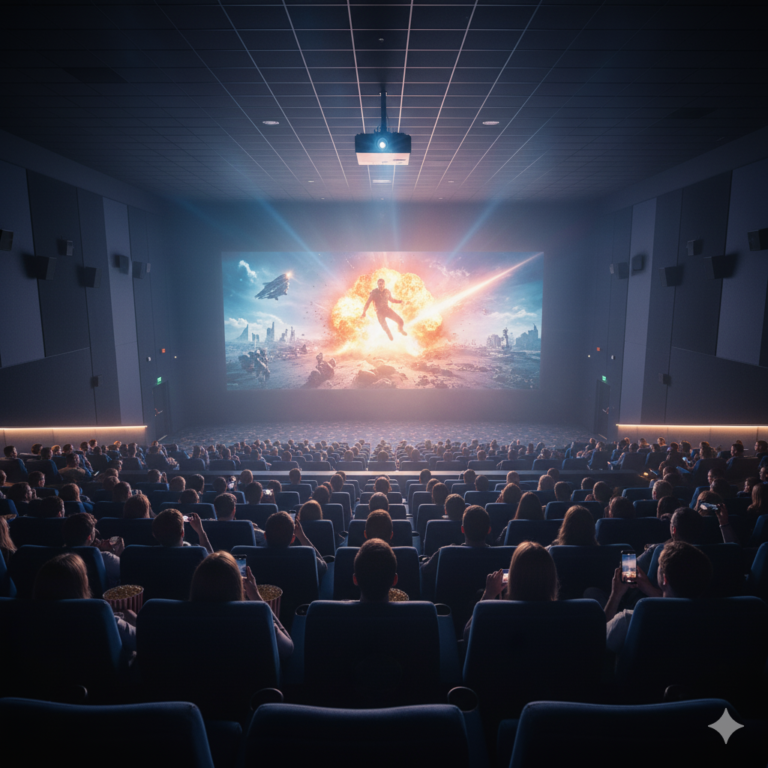
The Mickey 17 parents guide has become essential reading for families curious about Bong Joon-ho’s latest science fiction film, which marks the acclaimed director’s return to Hollywood following his Oscar-winning Parasite. Based on Edward Ashton’s novel “Mickey7,” this Warner Bros. release stars Robert Pattinson as an “expendable”””a human clone sent on dangerous missions with the understanding that if he dies, a new copy will be printed with most of his memories intact. The film’s unique premise raises immediate questions about what content parents should expect and whether the material is appropriate for younger viewers.
Understanding the content of Mickey 17 matters particularly because Bong Joon-ho’s films often blend genres in unexpected ways, incorporating dark humor, social commentary, and visceral imagery that can catch audiences off guard. His previous works like Snowpiercer and The Host demonstrated his willingness to explore mature themes through genre filmmaking, and Mickey 17 continues this tradition. Parents searching for guidance want specifics about violence levels, language frequency, sexual content, and thematic elements that might require discussion with children or teenagers. By the end of this comprehensive guide, readers will have detailed information about every content category relevant to family viewing decisions, including scene-specific descriptions where helpful, age recommendations based on maturity levels, and context for the film’s more challenging elements. This guide also addresses what makes Mickey 17 different from typical PG-13 science fiction fare and provides practical advice for parents considering whether to watch with their teens or preview the film first.
Table of Contents
- What Age Rating Did Mickey 17 Receive and Why Does It Matter for Parents?
- Violence and Intense Scenes in Mickey 17: A Detailed Breakdown
- Language and Profanity Content Guide for Mickey 17
- Sexual Content and Nudity Warnings for Parents
- Thematic Elements and Mature Concepts in Mickey 17
- Comparing Mickey 17 to Other Bong Joon-ho Films for Content Reference
- How to Prepare
- How to Apply This
- Expert Tips
- Frequently Asked Questions
What Age Rating Did Mickey 17 Receive and Why Does It Matter for Parents?
Mickey 17 received an R rating from the Motion Picture Association (MPA), which means children under 17 require an accompanying parent or adult guardian for theatrical admission. This rating places it in more restricted territory than many mainstream science fiction films, and parents should understand exactly what content earned this classification. The MPA cited violence, language, some sexual content, and brief graphic nudity as the reasons for the R rating””a combination that suggests the film doesn’t shy away from adult material across multiple categories.
The R rating carries significant implications for family viewing decisions. Unlike PG-13 films where parents might feel comfortable allowing teenagers to attend independently, the R classification indicates content that the ratings board determined inappropriate for viewers under 17 without parental guidance. This doesn’t mean the film is unsuitable for all teenagers””many mature 15 and 16-year-olds handle R-rated content appropriately””but it does signal that parents should inform themselves about specifics before making decisions.
- The violence component includes science fiction action and some disturbing imagery related to the cloning premise
- Language includes multiple uses of strong profanity throughout the film
- Sexual content and nudity, while described as “brief,” contributed to pushing the film beyond PG-13 territory

Violence and Intense Scenes in Mickey 17: A Detailed Breakdown
The violence in Mickey 17 stems primarily from the film’s central concept: Mickey is designed to die. Multiple death sequences occur throughout the narrative, some played for dark comedy and others presented with genuine tension or horror. The sci-fi setting allows for creative depictions of peril including exposure to hostile alien environments, encounters with indigenous creatures on the colony planet Niflheim, and the physical dangers of space colonization. Parents should expect scenes where the main character meets violent ends, followed by his “reprinting” as a new clone.
Creature violence features prominently in the film, with the native life forms of Niflheim posing constant threats to the human colonists. These sequences range from tense chase scenes to more graphic encounters showing physical harm. The alien creatures themselves may frighten younger viewers, designed with the kind of unsettling biological detail that Bong Joon-ho employed effectively in The Host. Body horror elements also emerge from the cloning technology itself, as the film doesn’t shy away from showing the more disturbing implications of printing human bodies.
- Death scenes occur multiple times given the expendable clone premise, varying in intensity and graphic detail
- Alien creature attacks include moments of sudden violence that may startle viewers
- The film contains some blood and injury detail, though it avoids gratuitous gore
- Psychological tension builds around existential questions of identity and mortality
Language and Profanity Content Guide for Mickey 17
Strong language appears consistently throughout Mickey 17, contributing to its R rating. The dialogue includes multiple instances of the F-word and its variations, used both as expletives and in sexual contexts. This frequency exceeds what the MPA typically permits for PG-13 films, which generally allow only one non-sexual use of the strongest profanity. Additional crude language, insults, and profanity of varying intensity fill out the dialogue, reflecting the harsh conditions of the colonial setting and the often-dark humor of the screenplay.
The language choices serve the film’s tone rather than feeling gratuitous, emerging naturally from characters under extreme stress in a hostile environment. Bong Joon-ho’s films often feature raw dialogue that reflects class tensions and power dynamics, and Mickey 17 continues this approach. The expendables occupy the lowest social tier of the colony, and their speech patterns reflect their marginalized status. Parents who object to strong language in any context should note that this element pervades the film rather than appearing in isolated scenes.
- F-words appear throughout with notable frequency
- Sexual references and crude humor occur in dialogue
- Various other profanities and crude expressions appear regularly
- The language intensity remains consistent rather than building to specific scenes

Sexual Content and Nudity Warnings for Parents
The MPA specifically cited “some sexual content and brief graphic nudity” in Mickey 17’s rating, indicating that while not pervasive, these elements exceed typical PG-13 boundaries. Sexual situations occur between characters, and the “graphic” designation for nudity suggests more explicit imagery than the brief, obscured nudity sometimes permitted in less restrictive ratings. Parents should understand that these scenes, while not constituting the majority of the film, present content inappropriate for younger viewers.
Context matters for evaluating sexual content, and in Mickey 17, the intimate scenes develop character relationships in a colony setting where normal social structures have broken down. The film doesn’t employ sexuality gratuitously but does include it as part of the adult-oriented storytelling. The brief nature of the nudity means it doesn’t dominate the film’s runtime, but its graphic description indicates full nudity is visible rather than merely implied.
- Brief but explicit nudity appears in the film
- Sexual situations occur between characters, played as part of relationship development
- The content earned specific mention in the MPA rating justification
- These scenes may require parents to preview the film before deciding on teen viewing
Thematic Elements and Mature Concepts in Mickey 17
Beyond content ratings categories, Mickey 17 explores philosophical and ethical themes that may challenge younger viewers or prompt difficult conversations. The entire premise questions what makes a person unique when exact copies can be created with transferred memories. Mickey’s existence as an expendable raises issues about the value of human life, exploitation of workers, corporate ethics, and what constitutes murder when the victim can simply be reprinted.
These concepts require a maturity level that doesn’t correlate directly with age. Social commentary runs through the film as it does through most of Bong Joon-ho’s work. The colony’s class structure, the treatment of expendables as disposable, and the corporate interests driving space colonization parallel real-world concerns about labor exploitation and capitalism. Parents interested in using films as discussion starters will find rich material here, but those seeking pure entertainment without heavier themes should set expectations accordingly.
- Identity and consciousness questions pervade the narrative
- Death is treated both seriously and with dark humor, which may unsettle some viewers
- Class inequality and worker exploitation themes require contextual understanding
- Colonialism metaphors appear through the treatment of indigenous alien life

Comparing Mickey 17 to Other Bong Joon-ho Films for Content Reference
Parents familiar with Bong Joon-ho’s filmography can calibrate expectations based on his previous work. Parasite, which won Best Picture at the 2020 Academy Awards, contained violence including a stabbing sequence, strong language, and themes of class warfare that built to shocking intensity. Snowpiercer featured extensive violence, disturbing imagery, and heavy social commentary. The Host combined creature horror with family drama and dark humor.
Mickey 17 fits within this spectrum as a filmmaker who doesn’t soften material for broader audience accessibility. The director’s approach to genre consistently involves subverting expectations and mixing tones in ways that can feel jarring. A scene might shift from comedy to horror quickly, or violence might occur in contexts that feel both absurd and genuinely disturbing. This tonal complexity represents one of Bong Joon-ho’s signatures as a filmmaker but also means parents cannot assume the science fiction premise will deliver straightforward adventure. The film aims for adult audiences comfortable with ambiguity and darkness.
How to Prepare
- Review multiple sources for content details beyond just the MPA rating, including detailed parent review sites that offer scene-specific breakdowns, noting that different sources may have varying tolerance levels for content
- Consider your family’s established boundaries for each content category, recognizing that some households permit strong language but restrict violence, while others apply the opposite standard
- Evaluate your teenager’s maturity level separately from their chronological age, as emotional readiness to process dark themes and existential questions matters more than simply being old enough per the rating
- Decide whether parental preview is warranted based on how uncertain you feel after research, acknowledging that watching first allows you to anticipate specific scenes that might require pausing for discussion
- Discuss the film’s premise with interested teens beforehand so they understand the clone concept and death-as-plot-device element, which prepares them for content that might otherwise feel shocking
How to Apply This
- If choosing to watch Mickey 17 with teenagers, select a viewing format that allows pausing for questions or discussion of complex themes as they arise, rather than a theatrical setting where breaks aren’t possible
- Prepare conversation starters about identity, mortality, and ethics before viewing so you’re ready to engage with the philosophical material the film presents
- Set expectations about content intensity in advance so younger viewers aren’t caught off guard by violence, language, or sexual content
- Follow up after viewing with open discussion about what stood out, what felt uncomfortable, and what questions the film raised, treating it as an opportunity for meaningful engagement rather than passive consumption
Expert Tips
- Watch the trailer critically before making decisions, noting that modern trailers sometimes obscure darker elements to broaden appeal, and Mickey 17’s marketing may not fully represent its tonal range
- Consider that Robert Pattinson’s appeal to younger audiences from the Twilight franchise doesn’t indicate family-friendly content in his current work, as he consistently chooses challenging material
- Recognize that dark comedy requires sophisticated interpretation, and jokes about death and cloning may land differently for viewers without the life experience to appreciate gallows humor
- Trust your instincts about individual children’s readiness rather than defaulting to age guidelines, since you understand their sensitivities better than any external rating system
- Remember that choosing to wait until teens are older represents valid parenting rather than overprotection, and there’s no urgency to expose younger viewers to mature content before they’re ready
Frequently Asked Questions
How long does it typically take to see results?
Results vary depending on individual circumstances, but most people begin to see meaningful progress within 4-8 weeks of consistent effort.
Is this approach suitable for beginners?
Yes, this approach works well for beginners when implemented gradually. Starting with the fundamentals leads to better long-term results.
What are the most common mistakes to avoid?
The most common mistakes include rushing the process, skipping foundational steps, and failing to track progress.
How can I measure my progress effectively?
Set specific, measurable goals at the outset and track relevant metrics regularly. Keep a journal to document your journey.