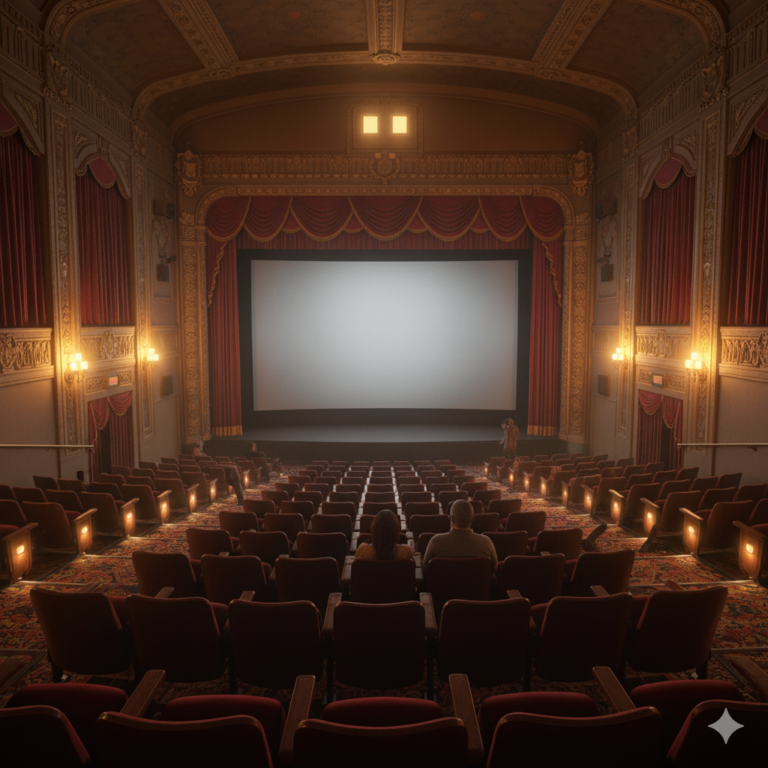
The question of whether Avatar 3 is too dependent on 3D ticket sales has become increasingly relevant as James Cameron’s franchise prepares for its next theatrical release. With the original Avatar and its sequel Avatar: The Way of Water having generated a combined $5 billion worldwide””a substantial portion from premium 3D screenings””the financial model underpinning the series faces mounting challenges in a theatrical landscape that has shifted dramatically since 2009. The premium pricing strategy that once seemed revolutionary now confronts audiences who have grown skeptical of 3D’s value proposition and exhibitors who have reduced their 3D-capable screens. This matters because Avatar represents the most significant ongoing bet on 3D cinema in Hollywood history.
When the first film debuted, it sparked a 3D gold rush that saw studios rush-converting films into the format and theaters installing expensive projection systems. That bubble has largely deflated, yet Avatar remains committed to the technology that defined its identity. For filmgoers, industry observers, and investors tracking Disney’s theatrical slate, understanding whether this dependency represents a vulnerability or a strength carries real implications for how the franchise performs and what it means for premium theatrical experiences. By the end of this analysis, readers will understand the specific financial breakdown of Avatar’s 3D revenue, how market conditions have evolved since the first two films, what strategies might mitigate potential risks, and whether Cameron’s technical approach genuinely offers something that justifies the premium pricing model. The discussion extends beyond mere box office speculation into questions about theatrical exhibition’s future and whether spectacle-driven blockbusters can continue commanding premium prices in an era of home theater improvements and streaming ubiquity.
Table of Contents
- How Much Does Avatar’s Box Office Depend on 3D Ticket Sales?
- The Declining 3D Market Since Avatar’s 2009 Revolution
- Why James Cameron Continues Betting on 3D Technology
- Avatar 3 Box Office Projections and 3D Revenue Assumptions
- What Happens If 3D Demand Falls Further Before Avatar 3’s Release?
- The Broader Implications for Premium Theatrical Experiences
- How to Prepare
- How to Apply This
- Expert Tips
- Conclusion
- Frequently Asked Questions
How Much Does Avatar’s Box Office Depend on 3D Ticket Sales?
avatar‘s financial architecture differs fundamentally from most blockbusters because of how heavily its revenue skews toward premium formats. The original Avatar earned approximately 72% of its domestic box office from 3D screenings in 2009, an unprecedented ratio that reflected both the film’s technical achievement and the novelty of modern 3D presentation. Avatar: The Way of Water, released thirteen years later in 2022, still managed roughly 61% of its domestic gross from 3D tickets despite the format’s diminished cultural cachet””a testament to how intrinsically the franchise identity connects with immersive viewing. The raw numbers illuminate this dependency clearly.
When Avatar 2 earned $2.32 billion worldwide, estimates suggest over $1.4 billion came from 3D presentations, with premium large format (PLF) screens like imax 3D and Dolby Cinema contributing disproportionately to that total. These premium tickets often cost 40-60% more than standard 2D admission, meaning the per-ticket revenue advantage compounds the percentage advantage. A hypothetical Avatar 3 that lost significant 3D attendance wouldn’t just lose ticket count””it would lose its highest-margin tickets. This revenue concentration creates both opportunity and vulnerability:.
- The premium pricing allows Avatar films to gross more than comparable attendance figures would suggest, inflating totals in ways that make direct comparisons to 2D-dominant releases misleading
- Theatrical exhibitors rely on these premium screenings for their own profitability, creating aligned incentives that ensure optimal screen allocation during opening weeks
- Any significant shift in audience preference away from 3D would disproportionately impact Avatar compared to franchises where the format represents a smaller revenue percentage

The Declining 3D Market Since Avatar’s 2009 Revolution
The theatrical landscape Avatar 3 enters has transformed considerably from the one that greeted its predecessors. In 2010, following the original film’s success, 3D films commanded 43% of total box office revenue and theaters rushed to install digital 3D projection systems. By 2019, before the pandemic disrupted all metrics, that share had fallen to roughly 14%. The pandemic years further accelerated the decline as theaters removed 3D equipment during closures and audiences returned with changed habits and priorities. Several factors drove this contraction.
Studios oversaturated the market with poor post-conversion 3D that offered minimal visual benefit while charging premium prices, training audiences to distrust the format. Many films used 3D as a cash grab rather than an artistic choice, dimming the image without adding depth or immersion. Simultaneously, home theater technology improved dramatically””4K HDR televisions offered picture quality that made standard theatrical presentations seem less essential, while streaming services normalized watching new content at home. The glasses remain uncomfortable for many viewers, particularly those who already wear corrective lenses. The international picture varies significantly, which matters enormously for Avatar’s global-dependent business model:.
- China, historically a strong 3D market representing Avatar 2’s second-largest territory, has maintained higher 3D attendance rates than Western markets, though even there the format has declined from its peak
- European markets have seen particularly sharp drops in 3D uptake, with many multiplexes converting 3D auditoriums back to 2D-only configuration
- Premium large format screens (IMAX, Dolby, etc.) have partially absorbed the “experience” market that 3D once dominated, offering enhanced presentation without requiring glasses
Why James Cameron Continues Betting on 3D Technology
James Cameron’s commitment to stereoscopic filmmaking extends beyond business calculation into genuine artistic conviction developed over decades. He first experimented with 3D in 2003’s documentary Ghosts of the Abyss, then spent years developing camera systems specifically designed for Avatar’s native 3D capture. Unlike films that shoot flat then convert in post-production, Cameron’s approach captures actual depth information during filming, resulting in imagery that uses 3D as a fundamental storytelling tool rather than a superficial enhancement. This distinction matters technically and experientially.
Native 3D shot with purpose-built cameras produces smoother depth planes, more comfortable viewing, and imagery where the stereoscopic effect enhances rather than distracts. Cameron has been vocally critical of poor 3D implementation, understanding that each bad experience erodes audience willingness to pay premiums. His films represent what 3D can accomplish when treated as a primary creative medium””Pandora’s bioluminescent forests and underwater environments gain genuine dimensionality that 2D cannot replicate. The director’s technical philosophy encompasses several key elements:.
- Higher frame rates in select sequences (48fps in Avatar 2’s action scenes) that reduce the strobing effect that makes conventional 3D uncomfortable during motion
- Brightness levels specifically calibrated for 3D projection, addressing the dimness complaints common to lesser implementations
- Depth budgets that place most action within a comfortable viewing range while using extreme depth sparingly for specific dramatic effect
- Underwater filming innovations that required entirely new 3D capture systems, representing technological investments that only make sense if 3D remains central to the presentation

Avatar 3 Box Office Projections and 3D Revenue Assumptions
Industry analysts projecting Avatar 3’s performance must grapple with the 3D dependency as a primary variable. Most models assume the film will gross between $1.5 billion and $2 billion worldwide, with scenarios varying significantly based on what percentage of that total comes from premium formats. If Avatar 3 matches Avatar 2’s approximately 61% 3D domestic share, the per-screen averages and total gross calculations follow certain paths. If that share drops to 50% or lower, reflecting continued format erosion, the math changes substantially.
The production budget, reportedly exceeding $400 million before marketing, means Avatar 3 needs massive theatrical returns to achieve profitability. Unlike franchises that can rely on streaming rights, merchandise, and ancillary revenues to justify lower theatrical performance, Avatar’s value proposition centers on theatrical spectacle. A film designed specifically for immersive 3D viewing loses something fundamental when watched flat on a television””the economic model depends on audiences continuing to value that theatrical premium highly enough to leave home and pay extra. Current projections incorporate several assumptions:.
- Opening weekend domestic estimates range from $175-225 million depending on 3D screen availability and uptake, with higher estimates assuming strong 3D demand persists
- China’s theatrical market, having cooled toward Hollywood imports, represents significant uncertainty””if Avatar 3 underperforms there, the global 3D percentage could actually increase as Western premium markets compensate
- Holiday release timing (December 2025) provides extended runway for word-of-mouth to drive repeat viewings, a pattern that heavily benefited Avatar 2’s eventual total
- IMAX and other PLF commitments suggest exhibitors remain confident in premium demand, with extended exclusive windows for these formats preceding standard 3D and 2D expansion
What Happens If 3D Demand Falls Further Before Avatar 3’s Release?
The worst-case scenario for Avatar 3 involves a perfect storm of 3D-specific challenges converging. Theater chains, facing ongoing financial pressure, might continue decommissioning 3D equipment to reduce maintenance costs and simplify operations. Audiences, offered fewer 3D options and having gone years between Avatar releases, might default to 2D showtimes out of convenience or cost consciousness. A generation of younger viewers who never experienced the original Avatar’s 3D revelation might not understand why they should pay extra for glasses.
Mitigation strategies exist but require careful execution. Disney and Cameron’s team could pursue aggressive marketing specifically emphasizing what distinguishes Avatar 3D from lesser implementations””essentially re-educating audiences about the format’s potential when executed properly. Strategic theater partnerships ensuring adequate 3D screen counts in major markets would address supply-side concerns. Pricing innovation, potentially including reduced 3D premiums or bundled concession deals, might lower the psychological barrier for format-skeptical viewers. The franchise faces specific vulnerabilities:.
- Release date delays could allow further 3D infrastructure erosion, as each year sees additional screens converted away from the format
- Competing blockbusters releasing in 2D-only increasingly normalize that as the default experience, making 3D feel like an anachronism rather than an enhancement
- Audience fatigue with the franchise itself””regardless of format preferences””represents a risk that compounds with 3D-specific concerns, as casual viewers might wait for streaming while only committed fans seek the premium theatrical experience

The Broader Implications for Premium Theatrical Experiences
Avatar 3’s performance will serve as a referendum on whether theatrical spectacle can continue commanding premium pricing in an industry struggling to define its value proposition against home viewing. If the film succeeds with strong 3D revenue, it validates the argument that certain experiences justify theatrical presentation at any price point. If it underperforms or sees dramatic 3D share declines, studios may conclude that even the best possible implementation cannot save the format from audience indifference.
This extends beyond 3D to questions about theatrical exhibition’s future generally. The same forces eroding 3D demand””improved home technology, streaming normalization, changed habits””affect all theatrical attendance. Premium formats like IMAX and Dolby represent attempts to offer experiences impossible to replicate at home, and 3D fits that strategy when executed well. Avatar’s dependency on these premiums makes it an extreme test case whose results will influence investment decisions across the industry.
How to Prepare
- Research 3D screen availability in your market by checking major theater chains’ websites for showtimes closer to release””the ratio of 3D to 2D showings indicates exhibitor confidence and consumer demand patterns in your specific region.
- Compare ticket pricing between formats to understand the actual premium being charged””this varies significantly by market and theater, with some locations charging modest upcharges while others price 3D at nearly double standard admission.
- Examine your own 3D viewing history and experiences, as personal comfort with the format significantly affects perceived value””viewers who find 3D uncomfortable or unimpressive are rational to avoid it regardless of the film’s technical quality.
- Follow pre-release industry tracking to understand how projections evolve””sites covering box office analytics publish updated forecasts that increasingly incorporate format-specific assumptions as release approaches.
- Consider the full range of viewing options including IMAX 3D, standard 3D, IMAX 2D, and standard 2D to determine which combination of size, format, and price best matches your priorities for the theatrical experience you seek.
How to Apply This
- If planning to see Avatar 3 in 3D, book premium format tickets early, as IMAX and Dolby 3D screens have limited capacity and sell out quickly for major releases””advance purchase often also locks in pricing before potential demand-based increases.
- For viewers skeptical of 3D, consider the 2D IMAX or large format option as a middle ground that captures the scale without the stereoscopic element””this tests whether your objection is to 3D specifically or premium pricing generally.
- Track early audience reactions specifically mentioning 3D quality once reviews emerge, as critical consensus on format implementation often forms quickly and can guide whether the premium genuinely enhances this particular film.
- When discussing Avatar 3’s performance with others, frame box office numbers in context of format splits””a $180 million opening means different things depending on whether 3D comprised 65% or 50% of that total, with implications for how studios interpret the results.
Expert Tips
- Watch or rewatch Avatar: The Way of Water in 3D before Avatar 3 releases if possible, as this calibrates your expectations for Cameron’s specific approach to the format and helps you evaluate whether the premium price delivers subjective value for your viewing preferences.
- Understand that “3D” encompasses vastly different quality levels””Cameron’s native capture differs so substantially from post-converted 3D that previous negative experiences with lesser implementations may not predict your response to Avatar’s specific presentation.
- Consider afternoon or weekday showings for better seat selection in premium format auditoriums, as the central “sweet spot” seating that optimizes 3D viewing often gets claimed early for evening and weekend shows.
- Recognize that Avatar 3’s 3D dependency reflects a specific artistic vision rather than purely commercial calculation””Cameron genuinely believes the format enhances his storytelling, which shapes how the film is designed from pre-production through final presentation.
- Follow theater chain announcements about format availability and exclusive windows, as the choreography of when different formats become available affects both optimal viewing timing and overall market performance.
Conclusion
The question of whether Avatar 3 is too dependent on 3D ticket sales ultimately hinges on definitions of “too dependent.” The franchise has successfully monetized 3D at rates no other film series matches, converting technical achievement into premium pricing that audiences have repeatedly accepted. That model worked spectacularly for the first two films, generating billions in revenue and proving that properly implemented 3D retains commercial viability even as the broader market contracts. Whether it continues working depends on factors both within and beyond Cameron’s control””the quality of his 3D implementation, the health of theatrical exhibition, the competitive landscape, and audience willingness to pay premiums for experiences they increasingly can approximate at home. What remains clear is that Avatar represents an irreplaceable test case for premium theatrical presentation.
No other filmmaker has committed so completely to 3D as both artistic medium and business model. Avatar 3’s performance will inform not just the franchise’s future but industry-wide assumptions about format premiums, theatrical exhibition’s value proposition, and whether spectacle alone can sustain premium pricing. For viewers, understanding this dependency context enriches the viewing choice””paying the 3D premium becomes not just a personal preference but participation in an ongoing experiment about what theatrical movies can and should be. Whether that experiment ultimately succeeds likely determines whether any future filmmaker attempts something similar or whether Avatar remains a unique artifact of a brief moment when 3D seemed like cinema’s inevitable future.
Frequently Asked Questions
How long does it typically take to see results?
Results vary depending on individual circumstances, but most people begin to see meaningful progress within 4-8 weeks of consistent effort.
Is this approach suitable for beginners?
Yes, this approach works well for beginners when implemented gradually. Starting with the fundamentals leads to better long-term results.
What are the most common mistakes to avoid?
The most common mistakes include rushing the process, skipping foundational steps, and failing to track progress.
How can I measure my progress effectively?
Set specific, measurable goals at the outset and track relevant metrics regularly. Keep a journal to document your journey.