
The 2026 independent film landscape is delivering some of the most compelling cinema in recent years, with a significant wave of buzz emerging directly from the Sundance Film Festival, which concluded on February 1, 2026, in Park City, Utah.
Notable titles like “Buddy” from director Casper Kelly have already been crowned the buzziest film in Sundance’s Midnight lineup, while other standouts including “I Want Your Sex,” “Iron Lung,” “Coyote’s Run,” and “The Christophers” are generating serious momentum heading into spring releases.
- Independent Movies 2026: Table of Contents
- What Made Sundance 2026 a Turning Point for Independent Cinema?
- The Films Capturing Critical and Audience Attention
- How Debut Directors and International Talent Are Reshaping the Independent Landscape
- What 2026 Indie Releases Reveal About Audience Appetite and Industry Direction
- Notable Films Beyond the Standing Ovations and Obvious Frontrunners
- The Role of Sundance as the Final Festival Cycle in Utah
- The Emerging Trajectory of Independent Cinema Into Mid-2026 and Beyond
- Frequently Asked Questions
- You Might Also Like
This article covers the independent films already turning heads, the storytelling trends reshaping the indie landscape, the emergence of first-time filmmakers, and why industry analysts believe 2026 could be the year that independent cinema truly steals the spotlight from major studios.
The energy surrounding independent films this year reflects a broader shift in how audiences and critics value authentic storytelling, deeper character development, and experimental narratives over franchise familiarity.
The Sundance Film Festival, which ran January 22-February 1, 2026, served as a crucial proving ground, premiering over 100 films across 13 categories and marking a historic milestone: this was the last Sundance Film Festival to take place in Utah before the festival relocates to Boulder, Colorado in 2027.
Table of Contents
- What Made Sundance 2026 a Turning Point for Independent Cinema?
- The Films Capturing Critical and Audience Attention
- How Debut Directors and International Talent Are Reshaping the Independent Landscape
- What 2026 Indie Releases Reveal About Audience Appetite and Industry Direction
- Notable Films Beyond the Standing Ovations and Obvious Frontrunners
- The Role of Sundance as the Final Festival Cycle in Utah
- The Emerging Trajectory of Independent Cinema Into Mid-2026 and Beyond
- Frequently Asked Questions
What Made Sundance 2026 a Turning Point for Independent Cinema?
Sundance 2026 distinguished itself not just for the quantity of films but for the quality of storytelling and the diversity of voices behind the camera.
Approximately 40 percent of the films premiering in the festival came from first-time feature directors, a statistic that underscores how the festival is actively platforming new creative talent rather than recycling established names.
This emphasis on debut filmmakers created a palpable sense of discovery and risk-taking that permeated the entire festival, offering audiences access to perspectives and storytelling approaches that major studios would rarely greenlight. The sheer volume of content—over 100 films across 13 categories—meant that even deeply engaged film enthusiasts struggled to catch everything of interest.
Six films earned standing ovations: “Fing,” “Josephine,” “Wicker,” “The Invite,” “Levitating,” and “Union County.” These standing ovations represent more than critical approval; they signal the kind of emotional resonance and craft that suggests these films will carry momentum far beyond Park City.

The Films Capturing Critical and Audience Attention
“Buddy,” directed by Casper Kelly, emerged as the clear consensus favorite of the Sundance Midnight category, a programming track specifically designed to showcase bold, genre-bending, and provocative cinema.
Midnight selections typically represent the festival’s most experimental programming, so “Buddy’s” ability to stand out even within that context speaks to something genuinely distinctive about the film’s execution and concept.
“I Want Your Sex,” directed by Gregg Araki, carries particular significance because it marks the acclaimed filmmaker’s return to features after a 12-year absence—his last film was 2014’s “White Bird in a Blizzard.” Araki’s return to the festival circuit and to feature filmmaking generally suggests a renewed creative impulse and a filmmaker who likely has something specific and personal to say.
The film’s very existence is enough to generate buzz among cinephiles who have followed Araki’s career across three decades of boundary-pushing cinema.
The standout of the sci-fi horror category proved to be “Iron Lung,” an indie film shot on a $3 million budget that has already demonstrated record-breaking performance in its opening weekend.
What’s remarkable about “Iron Lung” is that it comes from YouTuber Markiplier, a creator whose transition into narrative filmmaking could signal how digital-native talent is increasingly moving into feature production.
However, the film’s success should not be interpreted as a sign that every content creator turned filmmaker will find similar traction—”Iron Lung” clearly distinguished itself through storytelling quality, not merely through its creator’s existing fanbase.
How Debut Directors and International Talent Are Reshaping the Independent Landscape
with 40 percent of Sundance 2026’s films coming from first-time feature directors, the festival effectively demonstrated that fresh perspectives and voices outside the established industry circle can compete with veteran filmmakers on equal footing.
This democratization of the festival circuit has real implications for what kinds of stories get told and whose experiences get represented on screen. Debut directors frequently bring urgency, specificity, and personal conviction to their work precisely because they have something to prove and because they’re often drawing from deeply felt personal experience.
Sophy Romvari’s “Blue Heron” exemplifies this potential, representing the directorial debut from a Canadian-Hungarian filmmaker bringing international sensibilities to independent American filmmaking. The film’s placement at Sundance and its inclusion in critical discussions of the festival’s best offerings suggests that geographic origin and relative anonymity need not be barriers to getting significant attention.
International filmmakers increasingly see Sundance not as an American festival but as a global marketplace for independent cinema.
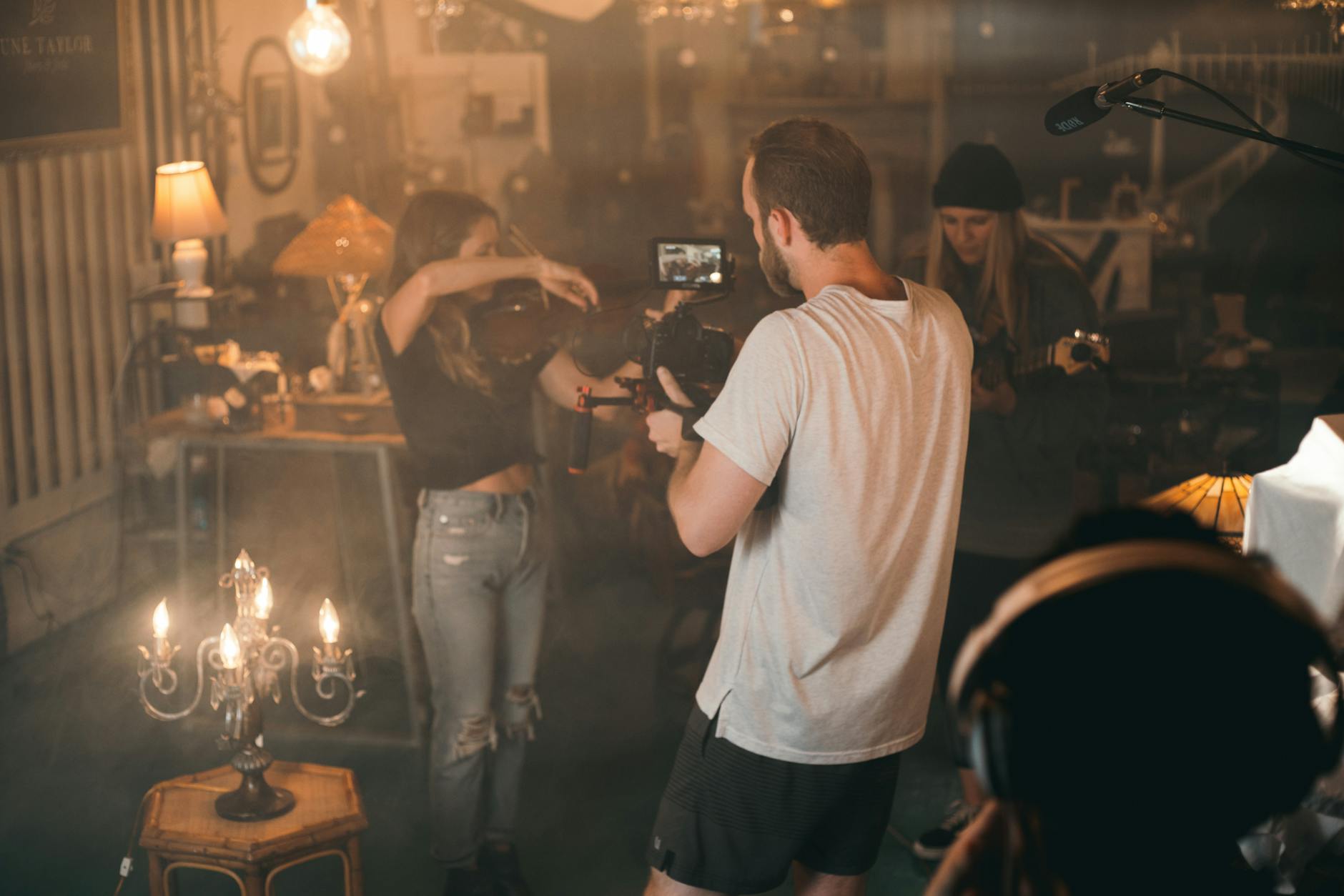
What 2026 Indie Releases Reveal About Audience Appetite and Industry Direction
Industry analysts have begun suggesting that 2026 could be the year in which independent films genuinely steal spotlight from big studios, a development driven by stronger storytelling fundamentals and deeper emotional engagement than audiences typically find in franchise films and sequels.
The Sundance slate itself bears out this observation: stories about murderous capers, Bay Area fashion heists, and robotic infants comprise the spring indie release schedule—narratives that would struggle to find studio backing because they lack genre predictability or built-in IP recognition.
The contrast between indie filmmaking strategy and studio strategy has sharpened considerably. Studios increasingly rely on intellectual property with proven audience appeal, while independent filmmakers must rely on pure storytelling, performance, and directorial vision to attract viewers.
This fundamental difference in approach means that when audiences hunger for originality and character-driven narratives, independent cinema becomes the primary source of that content.
Notable Films Beyond the Standing Ovations and Obvious Frontrunners
“Coyote’s Run” exemplifies a particular indie film phenomenon: the small, character-focused drama that generates massive buzz out of the festival circuit despite lacking obvious commercial hooks or recognizable cast members. These films typically rely on strong performances, detailed writing, and directors with clarity of vision to create word-of-mouth momentum.
However, “Coyote’s Run” also represents a category of indie film that faces distribution challenges—while critical acclaim and festival buzz can establish prestige, converting that prestige into sustained theatrical runs and audience viewership remains a persistent challenge for modestly budgeted dramas.
Steven Soderbergh’s “The Christophers” brings an established director working at the indie scale and featuring Ian McKellen in what critical consensus describes as his most essential screen performance since the “Lord of the Rings” trilogy.
Soderbergh’s involvement carries weight with festival programmers and critics, but McKellen’s casting and reported performance represent genuine artistic commitments rather than commercial calculation.

The Role of Sundance as the Final Festival Cycle in Utah
The timing of Sundance 2026—its final year in Utah before relocating to Boulder, Colorado in 2027—adds a subtle historical dimension to this particular festival. The 2026 edition carries the weight of conclusion and transition, the last opportunity for filmmakers to premiere work in the specific geographic and cultural context that Sundance has occupied for decades.
While the relocation itself is unlikely to fundamentally alter the festival’s role as the preeminent showcase for independent cinema, there’s a certain poignancy to the 2026 edition serving as the culmination of a long institutional chapter.
This historical moment may itself contribute to the sense of significance many observers attach to the slate of films that premiered this year.
The Emerging Trajectory of Independent Cinema Into Mid-2026 and Beyond
The momentum building around independent films heading into the spring and summer of 2026 suggests that audiences are actively seeking alternatives to the franchise-dominated release calendar. Streaming platforms continue to invest in independent cinema, festivals like Sundance continue to elevate new voices, and critics continue to champion films that offer genuine originality and emotional weight.
The convergence of these factors creates conditions favorable to independent filmmaking success, at least in terms of critical recognition and film festival prestige.
What remains uncertain is whether this buzz translates into sustainable theatrical revenue and broader audience access. Independent films have historically struggled with distribution infrastructure and marketing resources, and these structural challenges persist despite increased critical interest.
The question for 2026 and beyond is whether the audience enthusiasm signaled by Sundance can sustain a genuinely thriving independent film ecosystem or whether critical success will continue to outpace commercial viability for all but the most broadly appealing indie films.
Frequently Asked Questions
Where can I watch the films that premiered at Sundance 2026?
Films typically begin wider theatrical distribution in the months following their festival premieres, though timelines vary. Streaming platforms frequently acquire indie films for later release. Check individual film websites and entertainment news sources for specific distribution announcements.
Is it harder for indie filmmakers to get distribution now than it was five years ago?
Distribution infrastructure has changed significantly, with streaming platforms acquiring more independent films while traditional theatrical distribution has become more selective. Success depends heavily on festival prestige, critical reception, and pre-existing audience enthusiasm.
What percentage of Sundance films actually get theatrical releases?
Not all Sundance premieres receive theatrical distribution. Estimates suggest somewhere between 20-40 percent get meaningful theatrical runs, while many others transition directly to streaming platforms or limited releases.
Are first-time filmmakers at Sundance actually more likely to build sustained careers?
Being selected for Sundance significantly raises a filmmaker’s profile and creates industry connections, but sustained career success depends on subsequent projects, continued access to funding, and ongoing creative development. Festival selection is a launching point, not a guarantee.
Why does the Sundance Film Festival matter so much to independent cinema?
Sundance provides one of the largest platforms for independent films to reach critics, industry professionals, and potential distributors. Festival selection elevates projects that might otherwise struggle for visibility and creates momentum for theatrical and streaming releases.
Should I prioritize film festival buzz when deciding what to watch?
Festival acclaim is a useful signal of quality and originality, but film selection ultimately depends on personal taste. Some highly acclaimed festival films appeal to niche audiences, while some commercially successful films were never festival darlings.
You Might Also Like
- Indie Movies In 2026 Getting Early Festival Buzz You Should Not Miss
- Hidden Gem Indie Movies Releasing In 2026 That Could Surprise Everyone
- The Most Talked About Indie Movies Of 2026 So Far
For more on Independent Movies 2026, see the full breakdown above – the independent movies 2026 details cover what most viewers want to know.
Whether you searched for independent movies 2026 reviews, independent movies 2026 streaming, or independent movies 2026 cast, this guide consolidates the relevant independent movies 2026 facts in one place.


