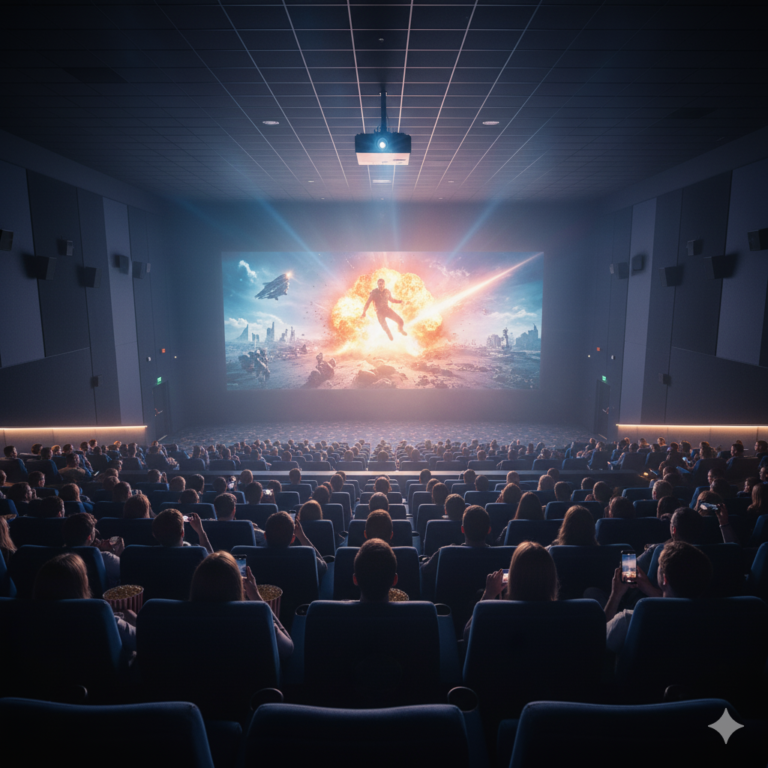
IMAX ticket prices in 2025 have become a significant consideration for moviegoers seeking the ultimate cinematic experience, with costs varying dramatically based on location, theater format, and the type of film being shown. As studios continue releasing blockbusters specifically optimized for IMAX’s massive screens and superior sound systems, understanding the current pricing landscape helps audiences make informed decisions about when and where to spend their entertainment dollars. The premium format has evolved from a niche offering at science museums into a mainstream theatrical option, but that evolution has come with increasingly complex pricing structures that merit examination. The question of how much an IMAX ticket costs doesn’t have a simple answer.
Prices fluctuate based on whether you’re attending a true IMAX laser projection venue, a converted multiplex screen branded as “IMAX with Laser,” or a standard digital IMAX installation. Geographic location plays perhaps the largest role, with tickets in major metropolitan areas like New York, Los Angeles, and San Francisco commanding significantly higher prices than those in smaller markets. Add in variables like 3D presentations, reserved seating, and peak versus off-peak showtimes, and the final cost can range anywhere from $18 to over $35 for a single adult admission. This guide breaks down exactly what determines IMAX ticket pricing in 2025, explores the different IMAX formats and their respective costs, and provides practical strategies for experiencing premium format films without overpaying. Readers will gain clarity on the actual value proposition of IMAX versus standard theatrical presentations, learn which types of films genuinely benefit from the format upgrade, and discover legitimate methods for reducing ticket expenses while still enjoying top-tier presentation quality.
Table of Contents
- How Much Do IMAX Tickets Cost in 2025?
- Understanding IMAX Format Tiers and Their Price Differences
- Regional IMAX Pricing Variations Across the United States
- Strategies for Finding Cheaper IMAX Ticket Prices in 2025
- When IMAX Premium Pricing Is Actually Worth the Cost
- IMAX Ticket Price Trends and Future Projections
- How to Prepare
- How to Apply This
- Expert Tips
- Conclusion
- Frequently Asked Questions
How Much Do IMAX Tickets Cost in 2025?
The baseline cost for imax tickets in 2025 typically ranges from $20 to $28 for a standard 2D presentation at most major theater chains across the United States. AMC Theatres, the largest IMAX exhibitor in North America, prices IMAX tickets at approximately $6 to $8 above their standard format tickets, placing most screenings in the $22 to $26 range depending on the specific location. Regal Cinemas follows a similar premium structure, while Cinemark tends to offer slightly lower IMAX pricing in comparable markets, often coming in $2 to $3 below AMC’s rates.
3D IMAX presentations add another $3 to $5 on top of the 2D IMAX price, pushing tickets into the $25 to $32 range at most venues. Premium IMAX installations””those featuring dual 4K laser projection systems and the largest screen dimensions””command the highest prices, with tickets regularly exceeding $30 in major cities. The TCL Chinese Theatre IMAX in Hollywood, featuring one of the largest IMAX screens in North America, charges $32 for 2D presentations and $35 for 3D, representing the upper end of the pricing spectrum.
- **Standard Digital IMAX (2D)**: $18-$24, depending on market size and theater chain
- **IMAX with Laser (2D)**: $20-$28, reflecting the upgraded projection technology
- **IMAX 3D**: $23-$32, with the 3D surcharge adding to the base IMAX premium
- **Premium/GT IMAX Laser**: $25-$35, for venues with the largest screens and newest technology

Understanding IMAX Format Tiers and Their Price Differences
Not all IMAX screens deliver identical experiences, and the pricing differences between IMAX tiers reflect genuine technological and presentation quality gaps. The original IMAX format, developed for museum installations and featuring 70mm film projection on screens up to 100 feet wide, established the gold standard that the brand still trades on today. However, the expansion of IMAX into multiplexes during the 2000s and 2010s created a tiered system where screen sizes, projection systems, and audio configurations vary considerably between venues.
IMAX with Laser represents the current flagship technology, utilizing dual 4K laser projectors capable of displaying a wider color gamut and achieving higher contrast ratios than xenon lamp systems. These installations typically feature screens ranging from 60 to 90 feet in width, with the largest venues approaching or exceeding 100 feet. Theaters equipped with IMAX with Laser typically charge $3 to $5 more than those using older xenon-based digital IMAX projectors, a premium that most enthusiasts consider justified given the visible image quality improvements.
- **”Liemax” (Digital IMAX in converted multiplexes)**: Smaller screens averaging 40-55 feet, xenon projection, lowest IMAX pricing tier
- **IMAX with Laser (Standard)**: Mid-sized screens with upgraded projection, moderate premium
- **IMAX GT (Grand Theatre) Laser**: Purpose-built auditoriums with the largest screens and full 1.43:1 aspect ratio capability, highest pricing
- **IMAX 70mm Film**: Rare format reserved for special presentations, often priced at premium event levels ($20-$25 surcharge over standard tickets)
Regional IMAX Pricing Variations Across the United States
Geographic location remains the single most influential factor in IMAX ticket pricing, with costs in coastal metropolitan areas running 40% to 60% higher than in mid-sized markets throughout the Midwest and South. A standard IMAX ticket in Manhattan routinely costs $28 to $32, while the same presentation in cities like Indianapolis, Oklahoma City, or Memphis typically falls in the $19 to $23 range. This disparity reflects broader differences in real estate costs, local minimum wages, and regional economic conditions rather than any difference in presentation quality.
California markets demonstrate particularly elevated pricing, with San Francisco, Los Angeles, and San Diego all featuring IMAX tickets in the $26 to $35 range depending on the specific venue and format. The Pacific Northwest follows similar patterns, with Seattle and Portland IMAX tickets averaging $24 to $28. East Coast markets outside of new York show more variability, with Boston and Washington D.C. on the higher end ($24-$28) and cities like Philadelphia and Baltimore trending slightly lower ($22-$26).
- **High-cost markets (NYC, LA, SF, Seattle)**: $26-$35 for IMAX presentations
- **Mid-tier markets (Chicago, Dallas, Phoenix, Atlanta)**: $22-$28 for IMAX presentations
- **Lower-cost markets (smaller cities, suburban locations)**: $18-$24 for IMAX presentations
Strategies for Finding Cheaper IMAX Ticket Prices in 2025
Subscription programs offered by major theater chains provide the most substantial savings for frequent moviegoers seeking affordable IMAX access. AMC Stubs A-List, priced at $22.95 to $26.95 monthly depending on location, includes unlimited IMAX viewings along with standard format films, making it cost-effective for anyone attending more than one IMAX screening per month. Regal Unlimited offers similar value at $21.50 to $25.50 monthly, while Cinemark Movie Club provides a more modest benefit with one premium format ticket monthly plus discounts on additional purchases.
Discount days remain viable at most major chains despite overall price increases. AMC’s Discount Tuesdays typically reduce IMAX tickets by $5 to $7 compared to weekend pricing, while Regal’s Value Tuesday promotions offer similar savings. Matinee pricing””screenings starting before 4 PM or 5 PM depending on the chain””can reduce IMAX costs by $3 to $5, making weekday afternoon showings particularly economical. Some independent IMAX venues, particularly those attached to museums or educational institutions, offer their own discount structures that undercut multiplex pricing.
- **Subscription services**: Best value for viewing two or more IMAX films monthly
- **Discount days**: Savings of $5-$7 compared to peak pricing
- **Matinee pricing**: $3-$5 reduction for early showtimes
- **Student/senior/military discounts**: $2-$4 off standard pricing at most chains
- **Gift card promotions**: Costco, Sam’s Club, and retailer promotions occasionally offer 15-20% savings on movie gift cards
When IMAX Premium Pricing Is Actually Worth the Cost
The value proposition of IMAX varies significantly depending on the specific film and how it was produced. Movies shot entirely or partially with IMAX-certified cameras””such as Christopher Nolan’s productions, Denis Villeneuve’s Dune films, and various Marvel Studios releases””offer expanded aspect ratios that display substantially more image information on IMAX screens than standard theatrical presentations show. For these films, the IMAX premium delivers tangible visual benefits unavailable at any other venue, making the additional cost easier to justify.
Films merely formatted for IMAX through digital remastering present a more complicated value equation. The DMR (Digital Media Remastering) process enhances image quality and remixes audio for IMAX’s sound systems, but the core content remains identical to standard presentations. The larger screen and improved audio still enhance the experience, but whether that enhancement justifies $8 to $12 in additional ticket cost depends on individual priorities and budgets. Action-heavy films with extensive CGI work and complex sound design tend to benefit most from IMAX DMR, while dialogue-driven dramas show minimal improvement.
- **IMAX-shot films**: Nearly always worth the premium for the exclusive expanded image
- **Visually spectacular blockbusters**: Usually enhanced significantly by IMAX presentation
- **Standard dramas and comedies**: Rarely justify the IMAX surcharge
- **Concert films and documentaries shot in IMAX**: Often provide exceptional value given the format-specific content

IMAX Ticket Price Trends and Future Projections
IMAX ticket prices have increased approximately 15% to 20% since 2020, outpacing both general inflation and standard movie ticket price growth during the same period. This trend reflects IMAX Corporation’s continued investment in technology upgrades, including the rollout of IMAX with Laser systems and development of next-generation audio formats, as well as the premium format’s increasingly important role in theatrical exhibition economics. As streaming services absorb more casual viewing, theaters have leaned heavily into premium formats that offer experiences unavailable at home.
Industry analysts expect IMAX pricing to continue rising modestly through the remainder of the decade, likely at 3% to 5% annually. However, competitive pressure from other premium formats””including Dolby Cinema, ScreenX, and various chain-specific premium large format options””may constrain aggressive increases. The expansion of subscription programs has also created de facto price ceilings for frequent attendees, limiting theaters’ ability to raise nominal prices without improving the underlying value proposition.
How to Prepare
- **Research nearby IMAX venues and their format tiers**: Not all IMAX screens are created equal, so identify which local venues offer IMAX with Laser versus older digital IMAX installations. Use the IMAX website’s theater finder to check screen specifications, then compare pricing across venues to determine whether format differences justify price variations.
- **Evaluate subscription program value based on your viewing habits**: Calculate how many premium format films you attend monthly, then compare that against subscription costs from AMC, Regal, or Cinemark. Factor in additional perks like free upgrades, waived convenience fees, and concession discounts when determining true value.
- **Identify discount days and promotional periods at preferred theaters**: Check each chain’s website or app for recurring discount programs like Discount Tuesdays or Bargain Matinees. Note the specific IMAX pricing on these days versus peak times to quantify potential savings.
- **Set up price alerts for gift card deals**: Retailers like Costco, Target, and Amazon periodically offer movie theater gift cards at 10% to 20% discounts. Purchasing gift cards during these promotions effectively reduces all future ticket purchases by the discount percentage.
- **Check studio promotional partnerships**: Major releases occasionally include promotional ticket discounts through brand partnerships. Fast food restaurants, credit card companies, and consumer product brands sometimes offer reduced IMAX tickets as part of movie marketing campaigns.
How to Apply This
- **Book tickets through official theater apps rather than third-party services**: Theater chain apps display accurate pricing and apply membership discounts automatically, while third-party ticketing sites sometimes add undisclosed fees or fail to recognize subscription benefits.
- **Select seats during initial booking to avoid preferred seating surcharges**: Many chains now charge $1 to $3 extra for prime center-section seating. Booking early ensures access to good seats without additional fees, while waiting until showtime may leave only surcharge or suboptimal locations.
- **Combine discount strategies when possible**: Subscription members can still benefit from discount day pricing on guest tickets, and gift card purchases stack with all other discounts. Planning group outings around these combinations maximizes savings.
- **Verify the format before purchasing**: Theater apps sometimes default to non-IMAX showtimes. Confirm that the selected screening displays the IMAX logo and appropriate pricing before completing purchase to avoid accidentally buying standard format tickets at IMAX prices.
Expert Tips
- **Prioritize IMAX 70mm screenings when available**: These rare film presentations, typically reserved for new Christopher Nolan releases and special anniversary showings, offer image quality impossible to replicate with digital projection. The premium pricing for these events reflects genuine scarcity and superior presentation.
- **Sit in the center of the theater, roughly two-thirds back from the screen**: IMAX sound systems are calibrated for this “sweet spot,” and the screen’s massive size becomes overwhelming rather than immersive when viewed too close. Most IMAX auditoriums place this ideal position around rows 8-12 in a 15-20 row configuration.
- **Check whether your film features IMAX-exclusive content**: Studios sometimes promote expanded aspect ratios or bonus IMAX scenes through marketing materials. Confirming these features exist for your chosen film helps determine whether IMAX pricing delivers format-specific value or merely a larger screen experience.
- **Consider weeknight IMAX screenings over discount Tuesdays for popular releases**: Discount days attract larger crowds, potentially placing you in suboptimal seats despite arriving early. The slightly higher weeknight price often provides a less crowded, better-positioned viewing experience.
- **Follow IMAX and theater chain social media accounts for flash promotions**: Limited-time offers for specific screenings or promotional pricing for new IMAX installations occasionally appear through social channels before reaching broader advertising.
Conclusion
Understanding IMAX ticket pricing in 2025 requires recognizing that “IMAX” now encompasses a range of presentation formats with meaningful differences in both quality and cost. The $18 to $35 spread between the cheapest digital IMAX matinee and the most expensive premium laser 3D presentation reflects real variations in screen size, projection technology, and overall experience quality. Armed with knowledge about format tiers, regional pricing patterns, and available discount strategies, moviegoers can make deliberate choices about which films merit premium pricing and which work perfectly fine in standard theatrical presentation.
The theatrical landscape continues evolving toward premium experiences as differentiation from home viewing becomes increasingly important. IMAX pricing will likely continue its gradual upward trajectory, but subscription programs and strategic discount utilization keep the format accessible for audiences willing to plan ahead. Whether paying full weekend pricing for a must-see IMAX-shot blockbuster or catching a Tuesday matinee of an action spectacle on digital IMAX, understanding the factors driving costs ensures that every premium ticket purchase delivers commensurate value.
Frequently Asked Questions
How long does it typically take to see results?
Results vary depending on individual circumstances, but most people begin to see meaningful progress within 4-8 weeks of consistent effort.
Is this approach suitable for beginners?
Yes, this approach works well for beginners when implemented gradually. Starting with the fundamentals leads to better long-term results.
What are the most common mistakes to avoid?
The most common mistakes include rushing the process, skipping foundational steps, and failing to track progress.
How can I measure my progress effectively?
Set specific, measurable goals at the outset and track relevant metrics regularly. Keep a journal to document your journey.