Learning how to introduce film history topics during your virtual watch parties transforms ordinary movie nights into enriching educational experiences that deepen appreciation for cinema as an art form. The rise of remote viewing platforms has created unprecedented opportunities for film enthusiasts to gather across distances, yet many hosts struggle to incorporate meaningful discussions about cinema’s rich heritage without disrupting the flow of entertainment. Virtual watch parties offer a unique format where participants can engage with both the film itself and the broader context of its creation, influence, and place within cinematic movements. The challenge lies in striking the right balance between education and entertainment. Too much lecturing kills the social energy that makes watch parties enjoyable, while too little context leaves viewers without the framework to fully appreciate what they are watching.
Many classic and contemporary films carry layers of meaning rooted in specific historical moments, technical innovations, or artistic movements that casual viewers might miss entirely. When participants understand that German Expressionism influenced film noir, or that the French New Wave revolutionized editing conventions, they begin seeing films as conversations across decades rather than isolated entertainment products. By the end of this guide, you will have concrete strategies for weaving film history into your virtual gatherings without becoming a film school professor mid-party. You will learn how to choose appropriate moments for historical context, curate films that spark natural discussions, and create supplementary materials that enhance rather than interrupt the viewing experience. Whether you host weekly movie nights with friends or organize larger community screenings, these approaches will help you build a more film-literate audience while maintaining the casual, enjoyable atmosphere that brings people together around movies.
Table of Contents
- Why Should You Discuss Film History During Virtual Watch Parties?
- Selecting Films That Naturally Spark Film History Conversations
- Timing and Format for Film History Discussions in Virtual Settings
- Practical Tools for Introducing Film History in Virtual Watch Parties
- Common Challenges When Mixing Film Education and Entertainment
- Building Long-Term Film Literacy Through Themed Watch Party Series
- How to Prepare
- How to Apply This
- Expert Tips
- Conclusion
- Frequently Asked Questions
Why Should You Discuss Film History During Virtual Watch Parties?
The virtual watch party format actually provides distinct advantages for incorporating film history that in-person screenings cannot match. Unlike traditional theater experiences where talking disrupts others, synchronized online viewing allows for running commentary through text chat, pause-for-discussion moments, and pre-programmed information sharing. Platforms like Teleparty, Scener, and Discord Watch Together have normalized interactive viewing, creating space for educational elements that would feel intrusive in other settings. Research from the Pew Research Center indicates that 67% of adults under 50 have participated in some form of synchronized remote viewing since 2020, representing a massive audience increasingly comfortable with hybrid entertainment-education experiences.
Film history discussions during watch parties serve multiple purposes beyond simple education. They create shared reference points that strengthen community bonds among participants, transforming passive consumption into active collective analysis. When your group understands that a particular crane shot references Orson Welles or that a jump cut pays homage to Jean-Luc Godard, inside jokes and deeper conversations emerge organically. This shared vocabulary elevates future discussions and helps participants articulate why certain films resonate with them.
- Historical context reveals hidden layers of meaning in familiar films, from political subtexts to technical innovations
- Understanding film movements helps viewers trace influences between directors, eras, and national cinemas
- Discussing industry history illuminates how economic factors shaped artistic decisions and vice versa
- Knowledge of past achievements provides benchmarks for evaluating contemporary cinema
- Film history connects movies to broader cultural, social, and technological developments
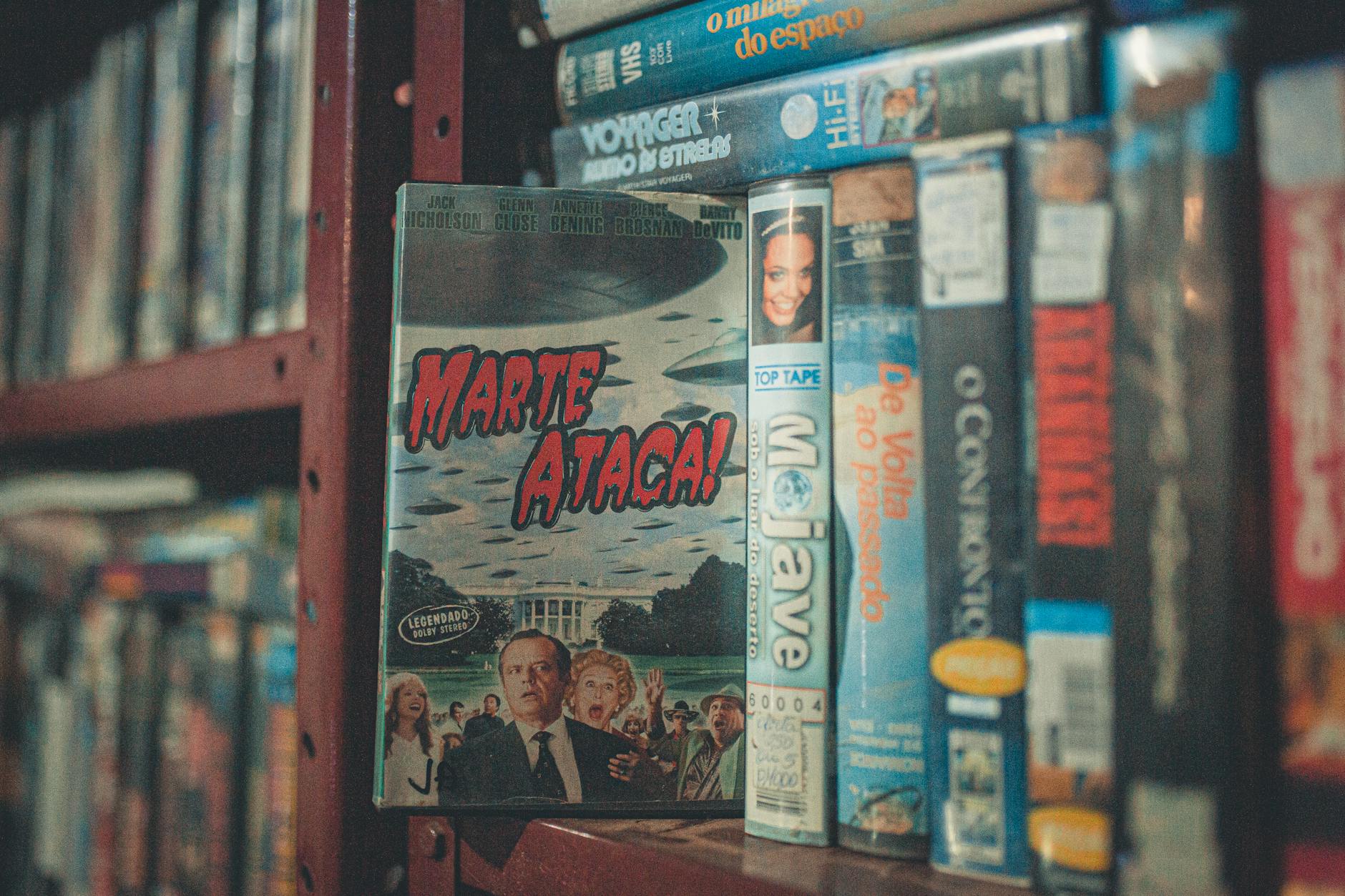
Selecting Films That Naturally Spark Film History Conversations
Certain films serve as better entry points for historical discussions than others, and strategic selection makes your job as host significantly easier. Landmark films that defined or revolutionized genres naturally invite questions about what came before and what followed. Showing “Psycho” (1960) opens conversations about the decline of the Hollywood Production Code, the economics of independent production within the studio system, and the birth of modern horror.
A screening of “The Matrix” (1999) can trace the lineage from Hong Kong action cinema through anime to american blockbusters while exploring how bullet-time technology changed visual effects. Anniversary screenings provide built-in frameworks for historical discussion. A film’s 25th, 50th, or 75th anniversary creates natural opportunities to examine how it was received upon release versus its current reputation, what the industry looked like at the time of production, and which subsequent films borrowed from its innovations. The American Film Institute, British Film Institute, and various national film archives regularly publish anniversary lists that can guide your programming while providing credible sources for historical information.
- Choose films from transitional periods in cinema history, such as early sound films or the collapse of the studio system in the 1960s
- Select movies that exemplify specific movements like Italian Neorealism, Dogme 95, or the New Hollywood era
- Program double features that show influence across generations, pairing an original with its spiritual successor
- Include international films that traveled across borders and shaped other national cinemas
- Pick films with well-documented production histories that offer compelling behind-the-scenes narratives
Timing and Format for Film History Discussions in Virtual Settings
The structure of your historical interjections matters as much as their content. Front-loading all context before the film begins risks losing viewers who came primarily for entertainment, while constant interruptions fragment the viewing experience. The most effective approach involves layered delivery: a brief introduction establishing essential context, strategic pause points for deeper dives during the film, and substantive discussion afterward.
A 1996 study published in the Journal of Film and Video found that viewers retained significantly more contextual information when it was distributed across the viewing experience rather than concentrated entirely before or after. Pre-film introductions should last no longer than five to seven minutes and focus on information that directly enhances understanding of what viewers are about to see. This might include the film’s place within a director’s career, the historical moment of its production, or specific technical innovations to watch for. Save biographical details, box office performance, and critical reception history for post-screening discussion when viewers have formed their own opinions and can engage more meaningfully with how others responded.
- Use the text chat function for historical notes during viewing to avoid audio interruptions
- Establish designated pause points in advance so viewers expect breaks for discussion
- Create visual overlays or slides for introductions that maintain engagement
- Keep mid-film comments brief and directly relevant to scenes just watched
- Reserve complex analysis and debate for post-screening discussion periods

Practical Tools for Introducing Film History in Virtual Watch Parties
Modern streaming platforms and supplementary tools make incorporating film history into virtual watch parties more feasible than ever before. The Criterion Channel includes introductions and supplements with many titles that you can share-screen before beginning the main feature. YouTube hosts thousands of video essays from channels like Every Frame a Painting, Lessons from the Screenplay, and The Royal Ocean Film Society that provide professional-quality historical context in digestible formats. These existing resources reduce the burden on hosts to create original educational content.
Creating a shared digital document that participants can reference during and after screenings amplifies retention and engagement. Google Docs, Notion pages, or Discord channels dedicated to each screening can include filmmaker biographies, glossaries of technical terms, timelines of relevant film movements, and links to further reading. The Library of Congress, Academy Film Archive, and university film studies departments maintain free online resources that provide academically vetted information for your materials. When participants can consult these references at their own pace, they engage more deeply without slowing down group discussion.
- Screen capture relevant frames in advance to illustrate specific techniques during discussion
- Compile short clips showing influences or homages across different films
- Build a shared watchlist that traces historical threads participants can explore independently
- Use annotation tools within streaming platforms to highlight moments during viewing
- Create simple infographics showing timelines, family trees of influence, or movement characteristics
Common Challenges When Mixing Film Education and Entertainment
The most frequent obstacle hosts encounter involves calibrating depth of content for mixed-knowledge audiences. Film buffs may find basic historical context tedious while newcomers feel lost by references to obscure movements or filmmakers. Address this by offering tiered information: essential context for everyone, with clearly marked “deep dive” materials for those who want more. Establish group norms where knowledgeable participants enrich rather than dominate discussions, perhaps by assigning rotating “expert” roles where different members research and present on different aspects.
Resistance from participants who simply want entertainment without education requires diplomatic handling. Some viewers strongly prefer experiencing films without contextual framing, arguing that historical knowledge creates biases that prevent fresh engagement with the work itself. Respect this perspective by making educational elements optional where possible and by demonstrating how context enhances rather than prescribes interpretation. Start with lighter touches and gradually increase depth as your group develops appetite for historical discussion. If certain participants consistently skip educational portions, consider whether a separate, purely social watch party might serve everyone better.
- Avoid lecturing tones that position you as professor and others as students
- Balance canonical films with lesser-known works to keep knowledgeable viewers engaged
- Acknowledge multiple valid interpretations rather than presenting single authoritative readings
- Address technical terms immediately rather than assuming shared vocabulary
- Create safe space for basic questions without judgment

Building Long-Term Film Literacy Through Themed Watch Party Series
Single screenings provide isolated insights, but thematic series build cumulative understanding that fundamentally changes how participants engage with cinema. A twelve-week program tracing the development of American independent film from John Cassavetes through the Sundance generation to contemporary A24 releases creates a narrative arc that individual screenings cannot achieve. Participants begin recognizing patterns, tracing influences, and forming their own critical frameworks rather than simply receiving predetermined analyses.
Consider structuring series around questions rather than answers: “How did World War II change international cinema?” or “What makes a film ‘political’?” These open-ended themes invite participant contribution and debate rather than passive absorption. Monthly themes allow time for participants to seek out related films independently, bringing their discoveries back to the group. Over time, your watch party community develops its own collective knowledge base and shared viewing history that becomes self-sustaining.
How to Prepare
- Research the film thoroughly using reputable sources before the screening date. Consult academic databases like JSTOR, university film studies syllabi, and published film histories rather than relying solely on Wikipedia or fan sites. The Sight and Sound archive, Film Comment, and Cineaste provide accessible but substantive criticism that bridges academic and popular audiences.
- Identify three to five key historical points that directly enhance viewing of the specific film. More than five risks overwhelming participants; fewer may not justify dedicated educational time. Prioritize information that viewers cannot easily discover independently and that changes how they perceive what happens on screen.
- Prepare supplementary materials including any slides, documents, or video clips at least 48 hours before the screening. Test all technical elements including screen sharing, audio routing, and synchronized playback to ensure smooth delivery during the actual event.
- Communicate the educational format to participants in advance so expectations align. Indicate approximate length of pre-film introduction, whether you plan mid-film pauses, and the expected depth of post-screening discussion. This allows those uninterested in historical content to join later or leave earlier without awkwardness.
- Designate specific pause points in the film and prepare brief contextual notes for each. Time these pauses to fall after significant scenes rather than during tension or action. Having predetermined moments prevents the temptation to interrupt constantly while ensuring key connections get made.
How to Apply This
- Begin your next watch party with a two-minute historical hook before the film starts, focusing on one surprising fact or connection that makes the screening feel more significant than casual viewing.
- Create a dedicated text channel or chat thread for historical notes during the film, posting prepared observations at relevant moments without requiring group pauses or audio discussion.
- After the screening ends, pose one specific historical question for group discussion rather than opening with general reactions. This frames the conversation around the educational dimension while still allowing organic responses.
- Follow up within 48 hours with a brief email or message summarizing historical points covered and linking to resources for participants who want to explore further, reinforcing learning and building anticipation for future screenings.
Expert Tips
- Always connect historical information to something visible or audible in the film itself rather than presenting abstract background. If discussing studio system economics, point to how those pressures manifest in set design, casting, or narrative structure within the specific film you are showing.
- Prepare more content than you plan to use, allowing you to read the room and adjust depth based on participant engagement. Having reserve material prevents awkward silences if discussion moves faster than expected while giving you permission to cut prepared content if energy flags.
- Invite participants to share their own knowledge and connections rather than positioning yourself as sole expert. Film literacy is distributed across communities, and someone in your group likely knows more about specific genres, eras, or national cinemas than you do.
- Use comparative clips sparingly but powerfully. A thirty-second side-by-side comparison of two shots demonstrating direct influence conveys more than five minutes of verbal explanation. Visual evidence carries particular weight when discussing a visual medium.
- Build a personal reference library of reliable film history sources you can consult quickly during live discussions. David Bordwell and Kristin Thompson’s “Film History: An Introduction,” Mark Cousins’s “The Story of Film,” and the Criterion Channel’s supplementary materials provide solid foundations for most topics.
Conclusion
Introducing film history topics during virtual watch parties requires balancing educational ambition with social entertainment, but the effort creates viewing experiences far richer than passive consumption. The strategies outlined here””from film selection and timing to tool preparation and series programming””provide a framework you can adapt to your specific community’s interests and tolerance for educational content. As your group develops shared knowledge and vocabulary, discussions naturally deepen, and participants begin making historical connections independently.
The democratization of cinema access through streaming platforms means more films from more eras and more countries are available for home viewing than at any previous moment in history. Virtual watch parties represent one of the most promising venues for ensuring this access translates into genuine appreciation rather than shallow content consumption. By thoughtfully weaving film history into your gatherings, you contribute to a more film-literate culture while creating memorable experiences that distinguish your watch parties from solitary streaming. Start with modest historical additions to your next screening and expand based on what resonates with your community.
Frequently Asked Questions
How long does it typically take to see results?
Results vary depending on individual circumstances, but most people begin to see meaningful progress within 4-8 weeks of consistent effort.
Is this approach suitable for beginners?
Yes, this approach works well for beginners when implemented gradually. Starting with the fundamentals leads to better long-term results.
What are the most common mistakes to avoid?
The most common mistakes include rushing the process, skipping foundational steps, and failing to track progress.
How can I measure my progress effectively?
Set specific, measurable goals at the outset and track relevant metrics regularly. Keep a journal to document your journey.