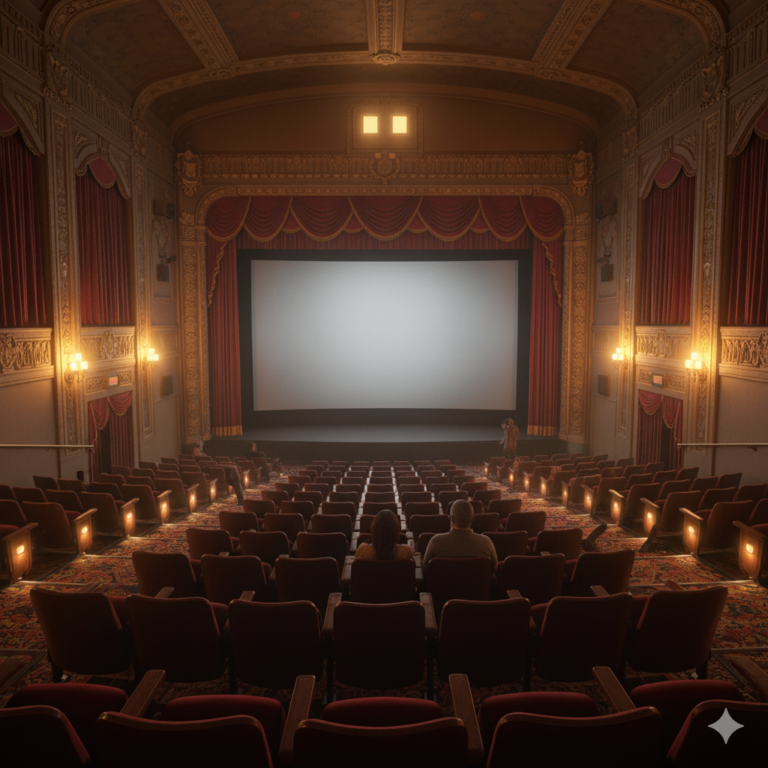
Learning how to host a virtual movie night that encourages learning transforms casual screen time into meaningful educational experiences that connect people across distances. The pandemic accelerated our collective familiarity with video conferencing, but many virtual gatherings remain surface-level social events that fail to leverage the rich analytical potential of watching films together. A thoughtfully designed virtual movie night can spark critical thinking, deepen understanding of complex themes, and create lasting intellectual connections between participants who may be separated by thousands of miles. The challenge with most virtual movie nights lies in their passive nature.
Participants watch the same film simultaneously but rarely engage with the material beyond basic reactions. This represents a missed opportunity, particularly given that cinema serves as one of the most accessible art forms for exploring history, psychology, philosophy, ethics, and cultural studies. When structured intentionally, a virtual movie screening becomes a seminar, a book club, and a social gathering rolled into one, offering participants the chance to develop media literacy skills while strengthening relationships. By the end of this guide, readers will understand how to select films with educational merit, choose appropriate streaming technologies, design discussion frameworks that encourage analytical thinking, accommodate different learning styles in virtual settings, and troubleshoot common technical and social obstacles. Whether organizing a family film study, a classroom supplement, or an informal film club among friends, these principles apply across contexts and audience types.
Table of Contents
- What Makes a Virtual Movie Night Educational Rather Than Just Entertaining?
- Choosing the Right Platform and Technology for Synchronized Virtual Viewing
- Selecting Films That Balance Educational Value with Engagement
- How to Structure Pre-Screening Materials That Prepare Participants for Learning
- Facilitating Post-Film Discussions That Deepen Understanding
- Extending Learning Beyond the Single Virtual Movie Night
- How to Prepare
- How to Apply This
- Expert Tips
- Conclusion
- Frequently Asked Questions
What Makes a Virtual Movie Night Educational Rather Than Just Entertaining?
The distinction between entertainment and education often presents itself as a false binary, but understanding their intersection clarifies what transforms a standard movie night into a learning experience. Educational virtual movie nights differ from casual viewing in three fundamental ways: intentional film selection, structured engagement before and during viewing, and facilitated discussion afterward. Without these elements, even watching a documentary about quantum physics becomes passive consumption rather than active learning. Intentional film selection means choosing movies based on their thematic depth, historical significance, technical innovation, or relevance to topics participants want to explore. This does not mean avoiding entertaining films. Some of cinema’s most educational works are also wildly entertaining.
Rather, it means having specific learning objectives in mind when making selections. A virtual movie night centered on understanding Cold War paranoia might feature “Dr. Strangelove,” while one exploring the ethics of artificial intelligence could screen “Ex Machina.” The educational intent shapes everything that follows. Structured engagement refers to activities that prime participants for analytical viewing rather than passive watching. This includes providing background reading, posing questions before the film begins, assigning different participants to track specific elements like cinematography choices, character development, or historical accuracy, and building in pauses for real-time discussion during longer films. The goal is active viewership where participants watch with purpose, notice details they might otherwise miss, and prepare to contribute to post-film analysis.
- Educational movie nights require intentional planning rather than spontaneous film selection
- Active viewing strategies transform passive consumption into analytical engagement
- Post-screening discussion frameworks convert observations into deeper understanding
Choosing the Right Platform and Technology for Synchronized Virtual Viewing
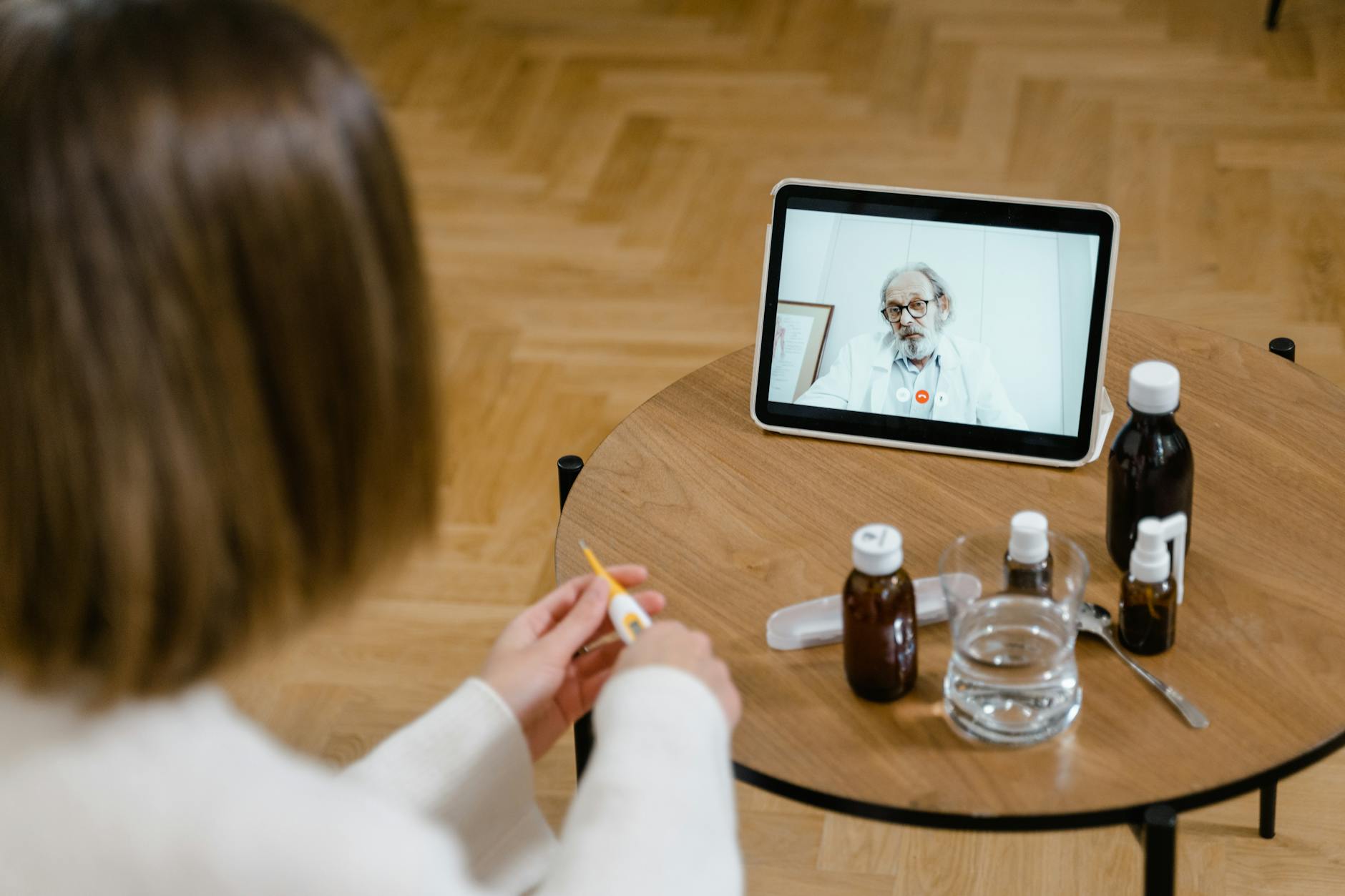
The technical foundation of a virtual movie night directly impacts its educational potential. Platforms vary significantly in their features, reliability, and suitability for different group sizes and purposes. Understanding these differences prevents frustrating technical failures that derail carefully planned educational experiences. Dedicated watch party platforms like Teleparty (formerly Netflix Party), Disney+ GroupWatch, Amazon Prime Watch Party, and Scener offer synchronized playback with chat features. Teleparty works with Netflix, Hulu, HBO Max, and Disney+ and includes text chat alongside synchronized playback, making it suitable for groups up to 50 participants. However, text-based chat limits the depth of real-time discussion compared to voice communication.
For more robust interaction, Scener combines synchronized video streaming with optional video chat, allowing participants to see each other while watching, which significantly enhances social presence and discussion quality. For educational contexts requiring more sophisticated discussion tools, combining a standard video conferencing platform like Zoom, Microsoft Teams, or Google Meet with screen sharing offers greater flexibility. The host can share their screen while streaming the film, and participants can unmute for discussion at designated points. This approach works particularly well for smaller groups of 12 or fewer where voice discussion during the film is desirable. The drawback involves higher bandwidth requirements and potential synchronization issues if participants have varying internet speeds. Discord servers with streaming capabilities represent another hybrid option, particularly popular among younger demographics and established online communities.
- Teleparty and similar browser extensions offer simple synchronized viewing but limited discussion features
- Screen sharing through video conferencing platforms provides richer interaction but requires more bandwidth
- Discord combines community features with streaming capabilities for ongoing film study groups
- Test your chosen platform with participants before the scheduled event to troubleshoot technical issues
Selecting Films That Balance Educational Value with Engagement
Film selection represents the most consequential decision in planning an educational virtual movie night. The ideal choice offers sufficient depth for analysis while maintaining engagement across the entire runtime. A film that is intellectually rich but tediously paced will lose participants before the credits roll, while a purely entertaining film may not provide enough material for substantive discussion. Consider the composition of your viewing group when selecting films. A multigenerational family group has different needs than a college film studies cohort or a professional development team. Rating, runtime, pacing, and accessibility all matter. For groups including younger viewers, animated films from Studio Ghibli or Pixar offer surprising thematic depth while remaining appropriate for all ages.
“Spirited Away” provides rich material for discussing Japanese cultural traditions, environmental themes, and coming-of-age narratives. “Inside Out” offers a surprisingly accurate framework for discussing emotional development and psychology. Documentary films serve obvious educational purposes but require careful selection to avoid alienating participants who associate documentaries with dry, lecture-style presentations. Contemporary documentaries have evolved dramatically in their entertainment value. “13th” combines historical education about racial injustice with compelling filmmaking. “Free Solo” explores psychology, risk assessment, and human potential through breathtaking cinematography. “Won’t You Be My Neighbor?” examines child development, media ethics, and emotional intelligence through the lens of Fred Rogers’ life and work.
- Match film selection to your audience’s interests, attention spans, and content tolerance
- Classic films offer historical context but may require additional preparation for modern audiences
- Foreign language films expand cultural horizons but require participants comfortable with subtitles
- Documentary selection should prioritize engaging storytelling alongside informational content

How to Structure Pre-Screening Materials That Prepare Participants for Learning
Pre-screening preparation significantly impacts how much participants learn from a virtual movie night. Providing context before viewing equips participants with frameworks for understanding what they see and primes them to notice details they might otherwise miss. The depth and formality of pre-screening materials should match the educational goals and participant expectations. For casual educational viewing, a brief email or message sent 24 to 48 hours before the screening suffices. This communication should include basic information about the film, including its director, year of release, and runtime, along with two or three questions to consider while watching. These viewing questions focus attention without constraining interpretation.
For a screening of “Parasite,” pre-viewing questions might include: “Pay attention to how the film uses physical space and vertical movement. What patterns do you notice?” and “Consider how each family views and presents itself to others. What does the film suggest about social performance?” More formal educational settings benefit from expanded pre-screening materials. A one to two page reading providing historical context, filmmaker background, or relevant theoretical frameworks deepens engagement substantially. For a virtual movie night featuring “12 Angry Men,” this might include a brief overview of jury deliberation psychology, information about the film’s theatrical origins, and context about 1950s American attitudes toward justice and prejudice. Some facilitators assign different participants specific roles: one person tracks cinematography choices, another follows character arc developments, a third notes historical references or anachronisms. This division of analytical labor ensures comprehensive coverage during discussion while giving each participant a specific focus.
- Pre-screening materials should enhance rather than constrain interpretation
- Viewing questions should be open-ended and observation-focused rather than leading
- Formal educational settings benefit from assigned analytical roles for participants
- Distribute materials 24 to 48 hours in advance to allow adequate preparation time
Facilitating Post-Film Discussions That Deepen Understanding
The post-screening discussion represents the primary learning opportunity in an educational virtual movie night. Poor facilitation squanders this moment, allowing conversation to devolve into superficial reactions or dominant voices monopolizing airtime. Effective facilitation requires preparation, structure, and active management of group dynamics. Begin discussions with low-barrier questions that every participant can answer regardless of their analytical experience. “What moment stuck with you most?” or “What surprised you?” invites participation without requiring sophisticated film vocabulary. These opening questions also reveal what resonated with the group, providing natural direction for deeper exploration.
From this foundation, transition to more analytical questions that connect observations to broader themes. “Why do you think the director chose to film that scene in one continuous take?” moves participants from reaction to analysis. Virtual settings present unique facilitation challenges. Without physical presence cues, facilitators must actively manage turn-taking to prevent dominant voices from overwhelming quieter participants. Use direct invitations: “We have not heard from several people yet. Sarah, what did you notice about the film’s use of color?” The chat function in most platforms allows quieter participants to contribute written thoughts while others speak, which the facilitator can then surface verbally. For larger groups exceeding eight participants, consider using breakout rooms for initial small group discussion before reconvening for full group synthesis.
- Begin with accessible questions before moving to analytical depth
- Actively manage turn-taking to ensure balanced participation
- Use chat functions and breakout rooms to accommodate different participation styles
- Prepare specific discussion questions but remain flexible to follow group interests

Extending Learning Beyond the Single Virtual Movie Night
A single virtual movie night provides a snapshot of learning, but sustained educational impact comes from building connections across multiple viewings. Establishing a regular schedule transforms isolated events into an ongoing learning community with cumulative knowledge development. Consider organizing virtual movie nights around themes that span multiple films. A four-week series on “The Evolution of Science Fiction” might progress from “Metropolis” (1927) through “2001: A Space Odyssey” (1968) to “Blade Runner” (1982) and conclude with “Arrival” (2016), allowing participants to trace how the genre’s concerns and techniques evolved across nearly a century.
This approach builds upon previous discussions, with each screening adding layers to participants’ understanding. Alternatively, a director retrospective examining the complete works of someone like Bong Joon-ho or Denis Villeneuve allows deep exploration of individual artistic vision and development. Create persistent spaces for continued conversation between screenings. A dedicated Discord server, Slack channel, or group chat allows participants to share related articles, post observations that occurred to them after discussion ended, and recommend films for future sessions. This ongoing engagement maintains community momentum and demonstrates that learning continues beyond the structured event itself.
How to Prepare
- Define your educational objectives at least two weeks before the event. Determine what participants should understand, question, or be able to analyze after the screening. These objectives guide every subsequent decision from film selection to discussion questions. Write these objectives down and refer to them throughout the planning process.
- Select and test your streaming technology one week in advance. Create test sessions with at least two participants to identify potential synchronization issues, audio problems, or platform limitations. Confirm that all participants have necessary subscriptions or access to the chosen platform and troubleshoot any account or technical issues before the event.
- Prepare and distribute pre-screening materials 48 hours before the event. This timeline gives participants adequate preparation time without allowing the material to fade from memory. Include film background, viewing questions, and any technical instructions participants need for accessing the platform.
- Set up the viewing environment 30 minutes before start time. Log into your streaming platform, confirm screen sharing works correctly, test audio levels, and ensure you have discussion materials readily accessible. Have a backup plan ready if primary technology fails.
- Send a reminder message two hours before the event. Include the start time, any last-minute technical information, and a brief restatement of the viewing questions to focus participant attention.
How to Apply This
- Start with a single experimental virtual movie night using a film you know well. Familiarity with the material allows you to focus on facilitation and technical management rather than struggling with unfamiliar content. Choose a film you have already analyzed and can discuss confidently.
- Recruit three to five committed participants for your initial session rather than attempting a large group immediately. Smaller groups are more forgiving of technical issues and facilitation inexperience while still providing enough perspectives for rich discussion.
- Conduct a brief post-event survey asking participants what worked and what could improve. Simple questions about technical quality, discussion satisfaction, and film selection provide actionable feedback for subsequent events.
- Document what you learned from each session in a simple planning document. Note which discussion questions generated engagement, which fell flat, what technical issues arose, and how you addressed them. This institutional memory improves each subsequent event.
Expert Tips
- Schedule the discussion period to be at least half the runtime of the film. A two-hour film warrants a minimum one-hour discussion to adequately explore its themes. Rushed discussions undermine the educational purpose of the entire event.
- Create a visual handout showing the film’s scene structure with timestamps. This reference document allows facilitators to quickly jump to specific moments during discussion without fumbling through the film trying to locate relevant scenes.
- Record discussions with participant permission to create a resource library. Reviewing past discussions helps new participants catch up and allows regular participants to revisit insights they may have forgotten.
- Establish discussion norms explicitly at the beginning of each session, especially for new groups. “One voice at a time,” “build on others’ observations rather than dismissing them,” and “ground interpretations in specific evidence from the film” create productive analytical culture.
- Rotate facilitation responsibilities among participants in ongoing groups. This distribution develops analytical and leadership skills across the group while preventing facilitator burnout and introducing fresh perspectives on discussion management.
Conclusion
Hosting a virtual movie night that encourages learning requires intentional design across every element of the experience. From selecting films with analytical depth to preparing pre-screening materials that focus attention, from choosing appropriate technology to facilitating discussions that build on participant observations, each decision either supports or undermines the educational potential of the gathering. The investment in planning pays dividends in participant engagement, analytical skill development, and the creation of genuine learning communities that transcend geographical limitations.
The broader significance of educational virtual movie nights extends beyond individual sessions. In an era of fragmented attention and passive media consumption, these gatherings model active, critical engagement with cultural texts. Participants develop transferable analytical skills including close observation, evidence-based argumentation, perspective-taking, and collaborative knowledge construction. Perhaps most valuably, they experience the pleasure of thinking together about meaningful questions, discovering that intellectual engagement enhances rather than diminishes the joy of watching films.
Frequently Asked Questions
How long does it typically take to see results?
Results vary depending on individual circumstances, but most people begin to see meaningful progress within 4-8 weeks of consistent effort.
Is this approach suitable for beginners?
Yes, this approach works well for beginners when implemented gradually. Starting with the fundamentals leads to better long-term results.
What are the most common mistakes to avoid?
The most common mistakes include rushing the process, skipping foundational steps, and failing to track progress.
How can I measure my progress effectively?
Set specific, measurable goals at the outset and track relevant metrics regularly. Keep a journal to document your journey.