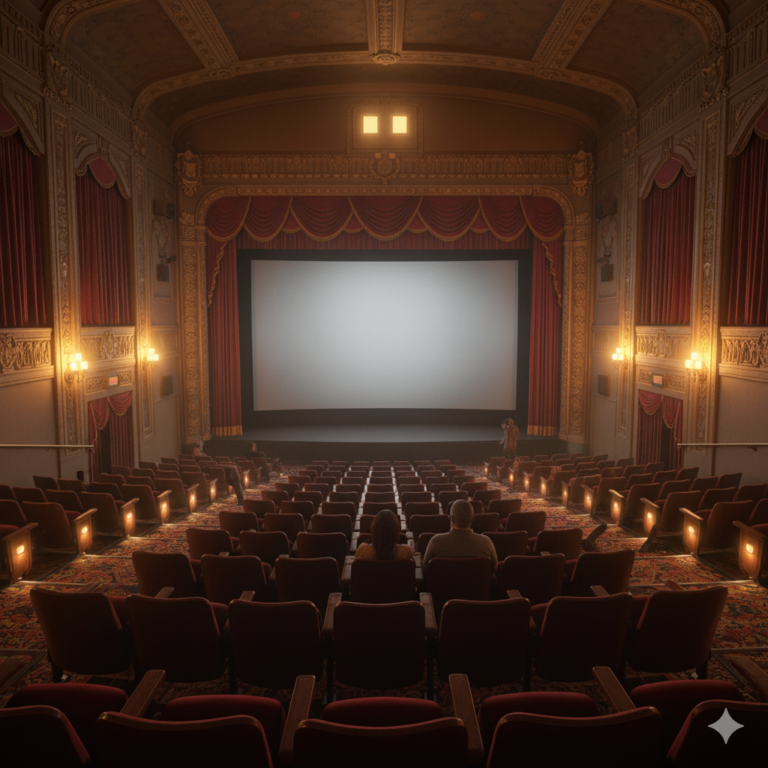
Watching a movie together is more than just sharing a story on screen it is a chance to connect with others in a way that goes beyond the usual small talk. Movies touch on emotions, ideas, and experiences that can spark meaningful conversations if you know how to bring them up. Encouraging deeper conversations after a movie is not about asking complicated questions or turning the chat into a film class. It is about creating a space where people feel comfortable sharing their thoughts, feelings, and personal connections to what they just watched. The goal is to move past simple reactions like I liked it or That was boring and instead explore what the movie made each person think about, feel, or remember.
One of the first things you can do is pay attention to the mood and energy of the group. If everyone is still processing the movie, give them a moment to breathe. Sometimes people need a little time to gather their thoughts before they are ready to talk. You can start with a light question like What was the first thing that came to your mind when the credits started rolling This kind of question is easy to answer and helps people ease into the conversation without feeling pressured. It also gives you a sense of what stood out to each person and can lead to more specific topics.
Once people start sharing their initial reactions, you can gently guide the conversation toward deeper territory. Instead of asking if they liked the movie, try asking what part of the movie stayed with them the most. This question invites people to think about the scenes, characters, or moments that left a lasting impression. It opens the door to personal stories and reflections. For example, someone might say the scene where the main character faced a tough decision reminded them of a time they had to make a hard choice in their own life. This kind of sharing creates a connection between the movie and real life, making the conversation more meaningful.
Another way to encourage deeper conversations is to ask about the characters. Instead of just talking about what the characters did, ask what people think the characters were feeling or why they made certain choices. You can say something like What do you think was going through the main character’s mind when they did that This kind of question helps people step into the shoes of the characters and imagine themselves in similar situations. It also allows for different perspectives, since not everyone will see the characters the same way. Some people might relate to a character’s struggles, while others might be surprised by their actions. These differences can lead to interesting discussions about empathy, judgment, and understanding.
You can also ask about the themes of the movie. Every movie has ideas or messages it is trying to share, even if they are not obvious. You might ask What do you think the movie was really about at its core This question encourages people to look beyond the plot and think about the bigger picture. For instance, a movie about a family might be about more than just family relationships it could be about forgiveness, change, or the passage of time. Talking about themes helps people connect the movie to their own beliefs and values. It also gives them a chance to reflect on how the movie’s message might apply to their own lives.
Sometimes the best conversations come from asking about what the movie made people feel. You can say What emotions did the movie bring up for you This question is powerful because it invites honesty and vulnerability. People might share that the movie made them feel hopeful, sad, angry, or inspired. They might talk about how certain scenes reminded them of their own experiences or how the music and visuals affected their mood. When people share their emotions, it creates a sense of trust and openness in the group. It also helps everyone understand each other on a deeper level.
Another approach is to ask about the choices the filmmakers made. You do not need to be an expert to notice things like the way a scene was shot, the music that was used, or the way the story was told. You can ask What did you notice about how the movie was made This question can lead to discussions about the art of filmmaking and how different elements come together to create the overall experience. For example, someone might point out that a particular camera angle made a scene feel more intense, or that the soundtrack added to the emotional impact. Talking about these details helps people appreciate the craft behind the movie and can spark curiosity about how movies are made.
You can also encourage people to share their own stories that are connected to the movie. If the movie is about friendship, you might ask What does friendship mean to you or Can you think of a time when a friend really supported you These kinds of questions help people draw parallels between the movie and their own lives. They also create opportunities for people to share personal experiences and learn from each other. When someone shares a story, it often inspires others to do the same, leading to a rich and varied conversation.
It is important to create a safe and respectful environment where everyone feels comfortable sharing. This means listening without judgment and being open to different opinions. If someone says something you do not agree with, try to understand their perspective instead of arguing. You can say That is an interesting point I never thought about it that way before This kind of response shows that you value their opinion and are willing to learn from them. It also encourages others to speak up and share their thoughts.
Asking follow up questions is another way to keep the conversation going. If someone mentions a particular scene or character, you can ask Why did that stand out to you or How did that make you feel These questions show that you are interested in what they have to say and want to hear more. They also help people dig deeper into their own thoughts and feelings. Sometimes a simple follow up question can lead to a whole new direction in the conversation.
You can also bring in outside perspectives by asking if anyone has read anything about the movie or the people who made it. For example you might ask Have you seen any interviews with the director or actors or What have you heard about the real life events that inspired the movie This kind of question adds another layer to the conversation and can introduce new ideas and information. It also shows that there is more to explore beyond what is shown on screen.
Another way to encourage deeper conversations is to talk about what the movie made people want to do or think about after watching it. You might ask What did the movie inspire you to do or What new ideas did it give you This question helps people connect the movie to their own goals and interests. It can lead to discussions about personal growth, creativity, and taking action in the world. For example someone might say the movie inspired them to try something new or to have a conversation with a loved one.
Finally you can invite people to imagine what might happen to the characters after the movie ends. You might ask What do you think happens to the main character next or How do you think the story would continue This kind of question sparks creativity and imagination. It also allows people to project their own hopes and fears onto the characters and explore different possibilities. It can lead to fun and imaginative discussions that go beyond the movie itself.
Encouraging deeper conversations after movies is about creating a space where people feel seen heard and valued. It is about asking questions that invite honesty reflection and connection. It is about listening with curiosity and openness and being willing to share your own thoughts and feelings. When you approach movie conversations in this way you turn a simple viewing experience into a meaningful and memorable exchange.