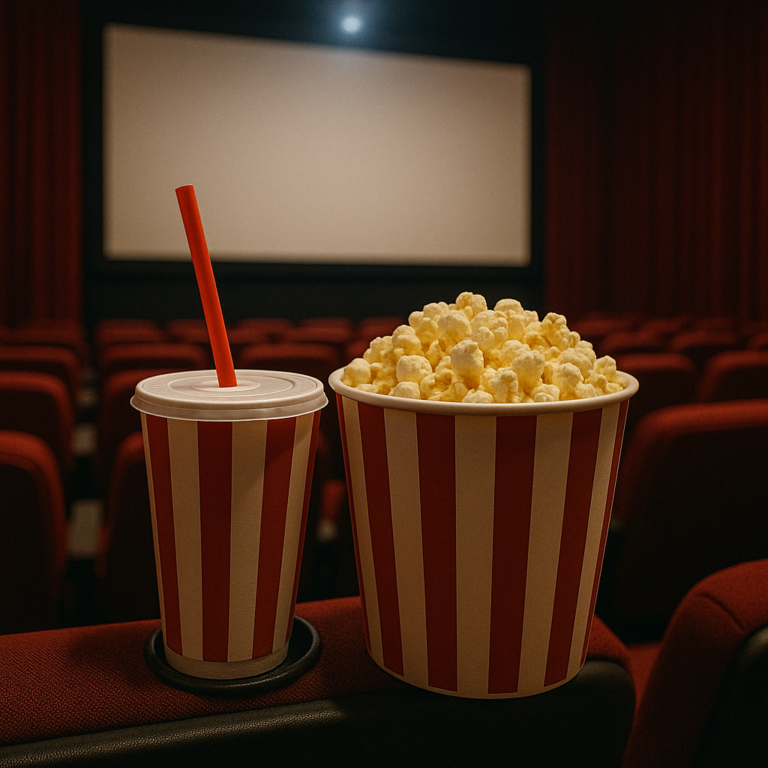
Learning how to create fun movie themed games for online events has become an essential skill for anyone looking to bring people together in virtual spaces. Whether organizing a corporate team-building session, a birthday celebration, or a casual movie night with friends scattered across different time zones, the combination of cinema nostalgia and interactive gaming creates memorable experiences that transcend physical distance. The shift toward remote gatherings has accelerated demand for creative entertainment solutions, and film-based activities tap into a universal language that most participants already speak fluently. The challenge many event organizers face lies in translating the communal joy of watching movies together into something interactive and engaging through a screen.
Passive viewing works for some occasions, but online fatigue sets in quickly when participants have no active role to play. Movie themed games solve this problem by channeling shared cultural knowledge into competitive or collaborative activities that require attention, quick thinking, and often a healthy dose of humor. From trivia battles that test obscure knowledge of cult classics to creative challenges that put participants in the director’s chair, the possibilities span every genre and difficulty level. By the end of this guide, readers will understand the full spectrum of movie game formats available for virtual events, the technical requirements for smooth execution, strategies for matching game types to specific audiences, and detailed preparation steps that prevent common pitfalls. The goal is not merely to fill time during an online gathering but to create genuine moments of connection through the shared experience of cinema.
Table of Contents
- What Makes Movie Themed Games Work for Online Events?
- Types of Movie Themed Games Suited for Virtual Gatherings
- Technical Setup and Platform Considerations for Online Movie Games
- Designing Movie Games for Different Audience Types and Event Goals
- Common Mistakes When Creating Online Movie Trivia and Games
- Theming and Atmosphere for Virtual Movie Game Nights
- How to Prepare
- How to Apply This
- Expert Tips
- Conclusion
- Frequently Asked Questions
What Makes Movie Themed Games Work for Online Events?
The success of movie themed games in virtual settings stems from several psychological and practical factors that align perfectly with the constraints of online interaction. films represent a vast repository of shared cultural touchstones that transcend geographic boundaries, age groups, and professional backgrounds. When a participant recognizes a quote from The Godfather or identifies the Wilhelm scream in an audio clip, they experience a moment of connection both with the content and with fellow participants who share that recognition. This common ground creates immediate rapport among people who may never have met in person.
Online events face inherent limitations that movie games address effectively. Video call platforms flatten social dynamics, making it difficult for personality and humor to shine through the way they would at an in-person gathering. Structured game formats provide clear frameworks for interaction, giving participants permission to speak, compete, and express themselves without the awkwardness of open-ended video chat. The competitive element raises stakes just enough to maintain attention without creating genuine tension, while collaborative formats encourage teamwork that builds relationships naturally.
- **Universal accessibility**: Unlike games requiring specific equipment or athletic ability, movie knowledge draws on passive consumption that most adults have accumulated over decades
- **Scalable difficulty**: Games can target casual viewers with mainstream blockbusters or challenge cinephiles with deep cuts from international cinema
- **Flexible duration**: Activities can expand or contract to fill available time slots, from five-minute warm-ups to hour-long tournaments
- **Low barrier to participation**: No special software installations or accounts required for most formats, reducing technical friction

Types of Movie Themed Games Suited for Virtual Gatherings
The landscape of film-based online games encompasses formats that reward different skills and appeal to different participant preferences. Understanding the full taxonomy helps organizers select activities that match their specific audience and objectives rather than defaulting to generic trivia every time. Classic movie trivia remains popular for good reason, but the format benefits from creative variations.
standard question-and-answer rounds test recall, but picture rounds showing cropped film stills, audio rounds featuring score excerpts or iconic sound effects, and video rounds with muted clips requiring lip-reading or context deduction add sensory variety. timeline challenges ask participants to arrange films by release year, while connection rounds require identifying the common thread linking seemingly unrelated movies. Budget estimation games present surprising entertainment value, asking participants to guess production costs or box office results with points awarded for proximity to actual figures.
- **Performance-based games**: Charades adapted for video calls, where participants act out film titles with cameras on; scene recreation challenges where teams re-enact famous moments with household props
- **Creative challenges**: Pitch sessions where participants invent sequel concepts for classic films; alternate casting games where players recast iconic roles with contemporary actors and justify their choices
- **Identification games**: Name That Frame with single still images; audio-only rounds featuring dialogue, music, or sound effects; emoji translation puzzles representing film titles through pictographs
- **Strategic games**: Draft-style competitions where participants build hypothetical film festival lineups; prediction markets for upcoming releases; fantasy league formats for awards season
Technical Setup and Platform Considerations for Online Movie Games
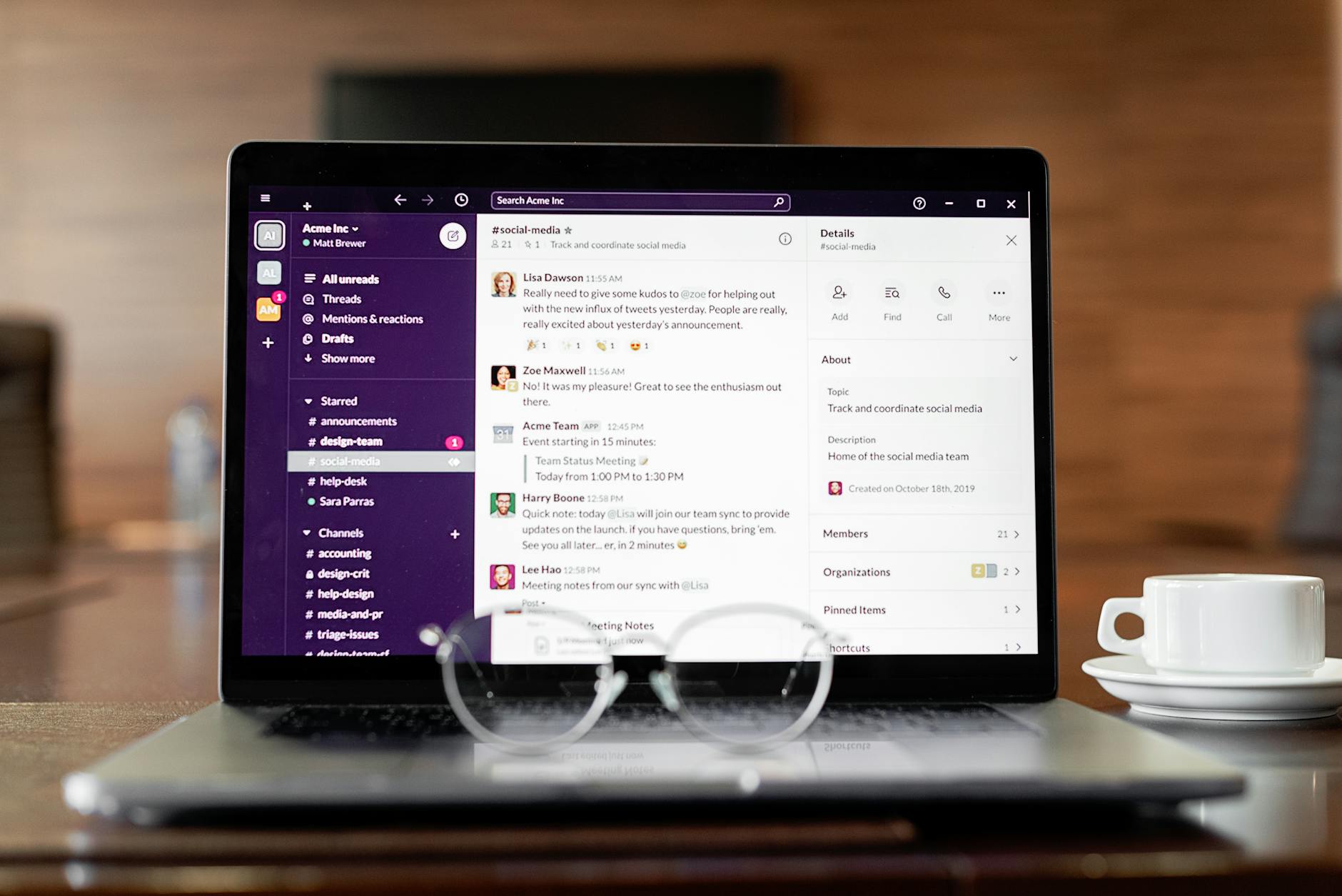
The technical infrastructure supporting movie themed games requires careful planning to prevent the frustration that derails virtual events. Platform selection, media delivery, and scoring systems all demand attention before invitations go out. Video conferencing platforms vary significantly in their suitability for different game types. Zoom offers robust screen sharing with audio pass-through, breakout rooms for team huddles, and polling features useful for multiple-choice trivia. Microsoft Teams integrates well with corporate environments but sometimes struggles with multimedia playback quality.
Google Meet provides accessibility without software installation but lacks some advanced features. For larger events, platforms like Kahoot or Jackbox Games offer purpose-built infrastructure where participants interact through personal devices while shared content displays on a central screen. The choice depends on audience technical comfort, organization policies, and budget. Copyright awareness matters when incorporating actual film content into games. Brief clips typically fall under fair use for educational or transformational purposes in private settings, but public streaming or recorded events face stricter scrutiny. Original content creation, such as written descriptions or participant-generated performances, sidesteps these concerns entirely.
- **Bandwidth considerations**: Video clips require stable connections; audio-only rounds provide fallback options for participants with poor internet
- **Screen sharing permissions**: Verify host capabilities and practice media playback before the event to catch audio routing issues
- **Scoring systems**: Spreadsheet-based manual tracking works for small groups; dedicated quiz platforms automate scoring for larger audiences
- **Backup plans**: Prepare alternative questions or activities that do not require media playback in case technical difficulties arise
Designing Movie Games for Different Audience Types and Event Goals
Effective movie themed games match content difficulty and format to the specific characteristics of the participant group. A game that delights one audience may alienate another, making audience analysis essential to event success. Corporate team-building events typically include participants with varying degrees of film knowledge and cultural backgrounds. Games for these settings benefit from mainstream content that most adults will recognize regardless of whether they consider themselves movie enthusiasts. Blockbusters from the past thirty years, award-winning films that received significant media coverage, and universally known classics provide safe territory.
The competitive element should remain light, with emphasis on humor and collaboration over individual achievement. Breakout room team formats allow quieter participants to contribute without performing in front of the entire group. The event goal shapes format selection as dramatically as audience composition. Icebreaker games for new teams should emphasize revealing participant personalities through preference questions rather than testing knowledge that might embarrass those with less film background. Celebration events can incorporate more elaborate productions with themed decorations and costumes visible on camera.
- **Friend groups and social gatherings**: Can safely venture into niche genres, inside jokes, and higher difficulty content; competition can be more intense
- **Multigenerational family events**: Balance contemporary films with classics; include categories spanning different eras so every age group has expertise moments
- **Professional networking events**: Lower difficulty with conversation-starter questions that reveal personality without requiring deep knowledge
- **Watch party companions**: Games that enhance rather than replace viewing, such as bingo cards with trope predictions or drinking game alternatives with point systems
Common Mistakes When Creating Online Movie Trivia and Games
Even well-intentioned organizers frequently stumble into predictable traps that diminish participant enjoyment. Awareness of these patterns enables proactive avoidance. Difficulty calibration represents the most common failure mode. Organizers who personally love film tend to overestimate general audience knowledge, creating questions that only fellow enthusiasts can answer.
The result leaves most participants feeling excluded rather than entertained. Conversely, excessively easy questions bore participants and drain competitive tension. The solution involves testing questions with a small sample audience before the event and building in difficulty progression that starts accessible and escalates gradually. Including point values that reward harder questions allows knowledgeable participants to shine without punishing casual viewers.
- **Excessive round length**: Attention spans in virtual settings run shorter than in-person events; plan for rounds of ten to fifteen minutes maximum before format changes or breaks
- **Poor pacing**: Dead air while organizers fumble with media or calculate scores kills momentum; practice transitions and prepare filler content for technical delays
- **Neglecting participation balance**: Some formats allow dominant personalities to monopolize responses; incorporate written answer submission or turn-based structures to ensure quieter participants engage
- **Single format fatigue**: Varying game types within a single event maintains freshness; mix trivia with performance challenges with creative exercises
- **Ignoring time zones**: International audiences may include participants at inconvenient hours; keep events tight rather than extending duration

Theming and Atmosphere for Virtual Movie Game Nights
The visual and auditory environment surrounding movie games contributes significantly to participant immersion, even through the flattening medium of video calls. Thoughtful theming transforms a generic quiz into a memorable event. Organizers can establish atmosphere through several channels. Virtual backgrounds depicting classic film locations, vintage movie posters, or genre-appropriate imagery create visual consistency. Curated playlist music during breaks and transitions reinforces thematic coherence.
Costume suggestions or dress codes invite participant investment before the event begins. For genre-specific nights, such as horror film trivia near Halloween or romantic comedy games around Valentine’s Day, thematic elements compound into genuinely immersive experiences. Even simple touches like renaming breakout rooms after famous directors or film studios add polish that participants notice and appreciate. The host’s presentation style matters as much as technical production. Adopting a persona, whether the smooth awards show presenter or the enthusiastic film school professor, provides a consistent framework that makes the event feel produced rather than improvised. Script key transitions rather than improvising them, but leave room for authentic reaction to participant responses.
How to Prepare
- **Define audience and objectives clearly**: Survey participants in advance about their film preferences, knowledge level, and favorite genres. Establish whether the event aims primarily to entertain, educate, foster team bonding, or celebrate a specific occasion. These factors drive all subsequent decisions about format, difficulty, and content selection.
- **Select and balance game formats**: Choose three to five distinct activity types that provide variety while maintaining thematic coherence. Map out timing for each segment, including buffer time for transitions and unexpected delays. Create a run-of-show document listing every element in sequence with responsible parties and technical requirements noted.
- **Develop and test content**: Write questions, prepare media assets, and create any necessary materials such as bingo cards or scoresheets. Test every piece of media on the actual platform to verify playback quality and timing. Recruit two or three people outside the organizing team to preview content and flag questions that are too easy, too hard, unclear, or potentially problematic.
- **Configure technical infrastructure**: Set up the chosen platform with all necessary permissions, prepare screen layouts, test audio routing for video clips, and verify backup options function correctly. Create a technical checklist that the host reviews immediately before the event begins.
- **Brief participants appropriately**: Send clear instructions covering platform access, any required preparation, suggested technical setup, and event timing. Include just enough preview to build anticipation without revealing content. For team-based formats, communicate team assignments in advance so participants can coordinate.
How to Apply This
- **Start with an accessible warm-up round**: Open with questions or activities that nearly all participants can engage with successfully. This builds confidence, establishes the format, and gives latecomers time to join before consequential competition begins.
- **Escalate difficulty progressively**: Structure content so that early rounds reward broad knowledge while later rounds challenge dedicated film enthusiasts. Announce point values that reflect difficulty so participants understand the strategic landscape.
- **Incorporate social interaction intentionally**: Between competitive rounds, include discussion questions or reflection moments that let participants share opinions, memories, and preferences. These interludes provide rest from performance pressure while building the social connections that make events memorable.
- **Close with recognition and continuation**: Announce results with appropriate celebration, but ensure participation recognition extends beyond just winners. Suggest follow-up activities, film recommendations based on the evening’s themes, or dates for future events to maintain community momentum.
Expert Tips
- **Build question banks larger than needed**: Prepare at least fifty percent more content than planned use to enable real-time difficulty adjustment based on how participants perform in early rounds.
- **Use the chat strategically**: Encourage participants to submit answers via private chat to the host, preventing faster typists from spoiling answers while creating a written record for scoring disputes.
- **Record breakout room instructions**: When splitting into teams, display written instructions on screen and verbally repeat them; participants frequently miss details during the transition chaos.
- **Prepare a hype participant**: Brief one reliable attendee to model enthusiastic engagement, ask questions, and fill awkward silences; genuine energy spreads while crickets compound.
- **Save detailed score announcements for the end**: Frequent leaderboard updates shift focus to competition over enjoyment; reveal standings dramatically at the conclusion rather than after every round.
Conclusion
Creating engaging movie themed games for online events requires intentional design that accounts for the unique constraints and opportunities of virtual gathering. Success depends on matching content difficulty to audience knowledge, selecting formats that provide active participation rather than passive observation, preparing technical infrastructure thoroughly, and pacing activities to maintain attention without exhausting participants. The investment in preparation pays dividends through events that participants remember fondly and request repeatedly.
Film serves as an ideal foundation for online games because it represents genuinely shared cultural experience in an era of fragmented media consumption. When participants compete over knowledge they accumulated through years of theater visits, streaming binges, and childhood movie nights, they engage a different part of themselves than typical work or social contexts access. This creates space for authentic connection that transcends the limitations of video call communication. With thoughtful planning and execution, movie themed games become more than time-fillers; they become vehicles for the human connection that makes gathering worthwhile in any format.
Frequently Asked Questions
How long does it typically take to see results?
Results vary depending on individual circumstances, but most people begin to see meaningful progress within 4-8 weeks of consistent effort.
Is this approach suitable for beginners?
Yes, this approach works well for beginners when implemented gradually. Starting with the fundamentals leads to better long-term results.
What are the most common mistakes to avoid?
The most common mistakes include rushing the process, skipping foundational steps, and failing to track progress.
How can I measure my progress effectively?
Set specific, measurable goals at the outset and track relevant metrics regularly. Keep a journal to document your journey.