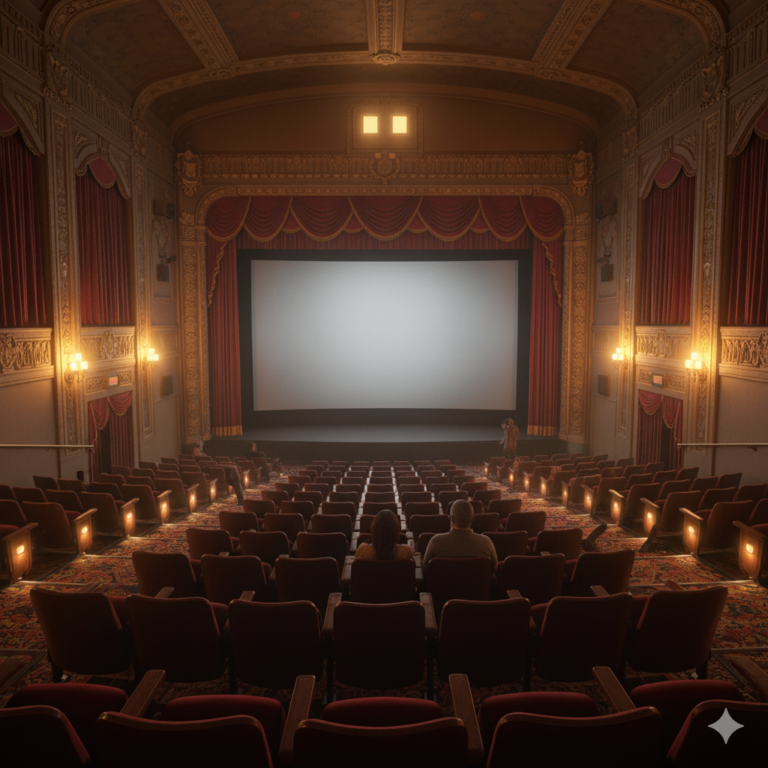
Learning how to add trivia breaks during your online movie night transforms a passive viewing experience into an interactive social event that keeps everyone engaged across any distance. The shift to virtual gatherings has fundamentally changed how film enthusiasts connect, and while streaming services and video chat platforms have made remote watch parties possible, many participants report feeling disconnected when simply watching in silence with friends displayed in a small corner of their screen. Trivia breaks solve this problem by creating natural pause points where participants can test their film knowledge, laugh together, and maintain the conversational energy that makes in-person movie nights memorable. The appeal of integrating trivia into your movie watching extends beyond mere entertainment value.
Studies on social viewing behavior indicate that interactive elements during group media consumption significantly increase participant satisfaction and feelings of connection. When viewers anticipate a trivia segment, they pay closer attention to details in the film, actively processing information rather than passively consuming it. This heightened engagement benefits both the social experience and the appreciation of the film itself, as participants become more attuned to cinematography choices, dialogue nuances, and production details they might otherwise miss. By the end of this guide, you will understand the technical logistics of implementing trivia breaks across various platforms, possess strategies for creating or sourcing compelling questions, and know how to time these intervals for maximum impact without disrupting narrative flow. Whether you are hosting a casual comedy night with college friends or organizing a serious cinephile gathering focused on classic cinema, these techniques will elevate your virtual screenings from functional to genuinely enjoyable shared experiences.
Table of Contents
- Why Should You Include Trivia Breaks in Your Online Movie Night?
- Choosing the Right Platform and Tools for Movie Night Trivia
- Creating Engaging Trivia Questions for Your Film Screening
- Timing Your Trivia Breaks for Maximum Movie Night Engagement
- Managing Competitive Dynamics and Scoring During Trivia
- Building a Trivia Question Library for Recurring Movie Nights
- How to Prepare
- How to Apply This
- Expert Tips
- Conclusion
- Frequently Asked Questions
Why Should You Include Trivia Breaks in Your Online Movie Night?
The fundamental challenge of any remote movie night lies in recreating the ambient social energy of watching together in the same room. When friends gather physically, conversation happens naturally during slow scenes, reactions are shared through glances and laughter, and the post-movie discussion flows organically. Virtual platforms strip away these subtle interactions, leaving participants isolated despite their technological connection. Trivia breaks function as structured social intervals that compensate for this loss, providing designated moments for the interaction that would otherwise occur spontaneously. Beyond maintaining engagement, trivia breaks serve an educational purpose that appeals particularly to dedicated film fans. Questions about a movie’s production history, its place in a director’s filmography, or connections to other works in the genre add layers of context that enrich the viewing experience.
A first-time viewer of “The Shining” might not know about the hundreds of takes Kubrick demanded for certain scenes, but learning this during a trivia break transforms their perception of the performances they are watching. This contextual knowledge creates talking points that extend the movie night conversation well beyond the credits. The psychological benefits of trivia breaks also deserve consideration. Watching a two-hour film requires sustained attention that can be taxing, particularly when participants have already spent their workday staring at screens. Short trivia intervals of five to seven minutes provide mental rest periods that allow viewers to reset their focus. Research on attention span during video content suggests that breaks every thirty to forty-five minutes significantly improve retention and enjoyment. Trivia breaks harness this natural need for variety while keeping the content thematically connected to the main event.
- Trivia creates forced interaction points that overcome the passive nature of remote viewing
- Film-specific questions add educational value and deeper appreciation for the movie
- Structured breaks combat screen fatigue and maintain attention throughout longer films

Choosing the Right Platform and Tools for Movie Night Trivia
The technical foundation of your trivia breaks depends entirely on the platforms you use for your movie night, and compatibility considerations should inform your choices from the start. Discord remains the most versatile option for film-focused communities, offering screen sharing, voice channels, and integration with trivia bots that can automate question delivery and scoring. The Discord bot “Trivia Bot” allows hosts to create custom question sets, meaning you can prepare film-specific content that matches your screening. For groups already using Discord as their primary communication tool, this integration keeps everything within a single application. Zoom and similar video conferencing platforms present different opportunities and limitations. While Zoom lacks native trivia functionality, its polling feature can be repurposed for multiple-choice film questions, with results displayed instantly to all participants.
The advantage here is visual””you can see everyone’s reactions when answers are revealed, maintaining the face-to-face element that pure audio channels sacrifice. Third-party tools like Kahoot integrate reasonably well with video calls, allowing participants to answer questions on their phones while maintaining the video feed on their computers. The slight awkwardness of managing multiple devices and windows diminishes with practice. For groups seeking simpler solutions, low-tech approaches often prove most reliable. A designated trivia host can simply pause the film, share questions verbally or via the chat function, and track scores manually on a shared Google Sheet visible to all participants. This method requires more preparation but eliminates potential technical failures that can derail the evening. The tools matter less than the execution””consistent timing, clearly stated rules, and questions calibrated to your group’s knowledge level will succeed regardless of the platform sophistication.
- Discord offers the most robust integration options for automated trivia delivery
- Video conferencing platforms maintain visual social connection during trivia segments
- Low-tech manual approaches remain viable and often more reliable for smaller groups
Creating Engaging Trivia Questions for Your Film Screening
The quality of your trivia questions determines whether breaks energize your group or fall flat, and crafting good questions requires understanding the balance between challenge and accessibility. Questions should reward attention to the film being watched while remaining answerable without specialized knowledge that only a few participants possess. For example, asking about a distinctive costume choice visible in a recent scene tests observation, while asking about the costume designer’s previous credits tests obscure industry knowledge that might alienate casual viewers. Effective trivia questions fall into several categories that can be mixed for variety. Production questions cover behind-the-scenes facts: budget figures, filming locations, casting decisions, and technical achievements. Performance questions focus on the actors: career milestones, awards received, or connections to other films.
Narrative questions test comprehension of plot details and character motivations from scenes already watched. Cultural context questions place the film within its historical moment or examine its influence on subsequent works. A well-designed trivia break includes questions from multiple categories, ensuring that different types of film knowledge receive recognition. Sourcing accurate information for your questions requires diligence, as film trivia published online often contains errors that propagate from unreliable sources. IMDb’s trivia sections provide a starting point but should be verified against interviews, production documentation, or reputable film publications. For classic films, academic sources and books by film historians offer more reliable data than fan-compiled lists. The effort invested in verification pays dividends””nothing undermines a trivia session faster than disputes over answer accuracy, and confident hosts who can cite their sources maintain group trust.
- Balance challenging questions with accessible ones to include all knowledge levels
- Mix production, performance, narrative, and cultural context question categories
- Verify trivia facts through multiple reliable sources before presenting them

Timing Your Trivia Breaks for Maximum Movie Night Engagement
Strategic placement of trivia breaks respects both the film’s narrative structure and your participants’ attention spans. The worst possible timing interrupts a tense sequence at its climax or cuts away during a crucial plot revelation. The best timing follows natural transitions in the film: scene changes, location shifts, or the resolution of a dramatic beat. Most feature films contain organic pause points every twenty to thirty minutes where the narrative takes a breath, and experienced hosts learn to recognize these moments in real time or identify them during a pre-screening. The length of each trivia break matters as much as its placement. Too short, and participants feel rushed, unable to discuss answers or enjoy the social element. Too long, and the film’s momentum dissipates, making it difficult to re-engage with the story.
Five to seven minutes works well for most groups, allowing time for four to six questions plus brief discussion. This duration also aligns with intermission conventions from theatrical exhibition, where audiences historically expected breaks of similar length during longer presentations. Consider your specific film’s runtime when planning break frequency. A ninety-minute comedy might warrant only one central trivia break, while a three-hour epic demands at least two intervals to prevent fatigue. Some hosts prefer front-loading breaks during a film’s establishing sequences when narrative investment remains low, then allowing the second half to play uninterrupted as tension builds toward resolution. Others distribute breaks evenly throughout. Both approaches work when executed consistently””the key is setting expectations early so participants know the rhythm of the evening.
- Identify natural transition points in the film’s narrative for break placement
- Aim for five to seven minute trivia segments with four to six questions each
- Adjust break frequency based on total runtime and your group’s attention preferences
Managing Competitive Dynamics and Scoring During Trivia
Competition can enhance or undermine your movie night depending on how you manage it, and thoughtful scoring systems channel competitive energy productively. Point-based scoring works straightforwardly: one point per correct answer, with cumulative totals tracked across all breaks. This system rewards consistency but can create discouraging gaps between high performers and struggling participants. Alternative approaches include speed bonuses for fastest correct answers, category specialists who earn extra points in their declared expertise area, or team formats that pair experienced film buffs with casual viewers. The social dynamics of your specific group should guide your competitive approach. Long-standing friend groups often enjoy fierce competition because the relationships can absorb tension and losing carries no real social cost. Newer groups or mixed gatherings where some participants barely know each other benefit from more cooperative formats or reduced emphasis on final scores.
Some successful hosts eliminate scoring entirely, treating trivia breaks as discussion prompts rather than competitions. Questions become conversation starters, with the host revealing the answer and inviting participants to share related thoughts or memories. Prizes, when offered, should enhance rather than dominate the experience. Digital prizes like movie recommendation privileges for the next gathering, custom Discord roles, or streaming service gift cards provide motivation without creating awkwardness. Physical prizes work for local groups who can exchange items at future in-person gatherings. The prize conversation often generates as much entertainment as the trivia itself, with participants negotiating trades or playfully contesting results. Whatever your approach, communicate the rules and stakes clearly before beginning so expectations remain aligned throughout the evening.
- Design scoring systems appropriate to your group’s competitive tolerance
- Consider cooperative formats for mixed groups or less established social circles
- Keep prizes modest and focused on movie-related rewards that continue the theme

Building a Trivia Question Library for Recurring Movie Nights
Regular movie night hosts benefit from developing reusable trivia resources that reduce preparation time while maintaining quality. A well-organized question library categorized by film, genre, era, and difficulty level allows rapid customization for any screening. Spreadsheet applications work well for this purpose, with columns for the question, answer, source citation, category tags, and notes on when the question was last used. Over time, this library becomes a valuable asset that improves with each movie night.
Collaboration with regular participants can expand your library efficiently. Invite attendees to submit questions for future sessions, offering small incentives for accepted contributions. This crowdsourcing approach distributes the research burden while increasing participant investment in the trivia segments they helped create. Quality control remains essential””all submitted questions should be fact-checked and edited for clarity before entering the main library. The contributor recognition when their question appears on screen adds another layer of social engagement to the trivia breaks.
How to Prepare
- Pre-screen the film at least twenty-four hours before the event, noting timestamps for natural pause points and collecting observations that could inspire questions. This viewing serves double duty as quality control if you are selecting the film and as trivia research regardless.
- Research the film’s production history using IMDb, contemporary reviews, director interviews, and behind-the-scenes documentaries. Focus on surprising facts that will generate discussion and verifiable claims that can withstand scrutiny from knowledgeable participants.
- Draft twelve to fifteen questions even if you only plan to use eight to ten, giving yourself flexibility to skip questions that feel redundant or poorly matched to the evening’s energy. Write clear, unambiguous phrasing that eliminates argument about interpretation.
- Prepare your technical setup by testing screen sharing, trivia bots, polling features, or whatever tools you plan to use. Run through a complete trivia sequence with a friend or alternate account to identify friction points before the actual event.
- Create a timing guide for yourself that includes the trivia break timestamp, questions assigned to each break, and any contextual notes about why certain questions fit particular moments in the film. This document keeps you organized during the event when multitasking demands increase.
How to Apply This
- Announce the trivia break thirty seconds before pausing, allowing participants to mentally shift gears and prepare for interaction. This transition warning prevents the jarring interruption of an abrupt stop.
- State the rules briefly at the start of the first trivia segment, including how points work, how answers should be submitted, and how long participants have for each question. Repeat key rules only if confusion arises.
- Maintain energy during the trivia by reading questions with appropriate inflection, providing encouraging commentary on correct answers, and keeping pace steady enough to prevent momentum loss. The host’s enthusiasm directly influences participant engagement.
- Transition back to the film with a brief setup that reminds participants where the narrative left off, particularly after longer breaks or breaks placed at complex plot points. This reorientation helps everyone re-engage with the story.
Expert Tips
- Prepare one or two emergency questions about general film knowledge in case technical issues prevent you from playing a planned scene-specific question, ensuring you can maintain trivia momentum regardless of circumstances.
- Match question difficulty to the time in the evening, starting with easier questions when energy is high and participants are warming up, then introducing more challenging material as the group settles into the competitive rhythm.
- Include at least one question per break that references something from the footage just watched, rewarding participants who paid close attention and reinforcing the connection between trivia and the film experience.
- Keep a separate chat window or document visible only to you for recording participant scores in real time, preventing the awkward pause of calculating totals when someone asks for standings.
- Allow brief discussion after revealing each answer, as these conversations often become highlights of the evening and strengthen the social bonds that trivia breaks are designed to foster.
Conclusion
Adding trivia breaks to your online movie night requires genuine preparation and thoughtful execution, but the investment yields returns that extend well beyond a single evening. These structured interactive segments address the core limitation of remote viewing””the loss of spontaneous social connection””while simultaneously deepening participants’ engagement with and appreciation of the films themselves. The techniques outlined here scale from casual gatherings of close friends to larger community watch parties, adapting to your group’s specific character and preferences through the choices you make about platforms, timing, question style, and competitive structure.
The broader value of developing this skill lies in its contribution to sustainable virtual social practices. As remote and hybrid socializing becomes a permanent feature of modern life rather than a temporary pandemic accommodation, the ability to create genuinely enjoyable shared experiences across distance becomes increasingly valuable. Movie nights with well-executed trivia breaks demonstrate that thoughtful design can overcome technological mediation, creating memories and inside jokes that rival those formed in person. Start with your next screening, refine your approach based on participant feedback, and build toward a reliable format that your community anticipates with genuine enthusiasm.
Frequently Asked Questions
How long does it typically take to see results?
Results vary depending on individual circumstances, but most people begin to see meaningful progress within 4-8 weeks of consistent effort.
Is this approach suitable for beginners?
Yes, this approach works well for beginners when implemented gradually. Starting with the fundamentals leads to better long-term results.
What are the most common mistakes to avoid?
The most common mistakes include rushing the process, skipping foundational steps, and failing to track progress.
How can I measure my progress effectively?
Set specific, measurable goals at the outset and track relevant metrics regularly. Keep a journal to document your journey.