- Fans Say Sean: Table of Contents
- Why Colonel Lockjaw Avoids the Typical Villain Trap
- The Unsettling Humanity Beneath the Menace
- Lockjaw's Role in the Fatherhood Narrative
- Penn's Performance as a Study in Controlled Intensity
- The Contemporary Political Mirror and Its Dangers
- How Lockjaw Transcends Action-Film Convention
- The Future of Villainy in Cinema
- Conclusion
- You Might Also Like
Sean Penn’s portrayal of Colonel Steven J. Lockjaw in “One Battle After Another” (2025) feels too real to be fiction because the character transcends typical villain caricature by tapping into genuine human flaws that resonate with contemporary American politics and social dysfunction.
Rather than playing an over-the-top antagonist, Penn crafts a composite figure that embodies toxic entitlement, racism, and authoritarianism in ways that audiences find uncomfortably familiar—not as an exaggerated movie villain, but as a disturbingly plausible portrait of a dangerous man who could exist in the real world.
Critics have described Lockjaw as a “masterclass in villainy” precisely because Penn balances absurdity with menace, creating a character whose warped humanity makes him far more unsettling than any cartoon villain could be.
The film itself, rated 7.7/10 on IMDB, weaves Lockjaw into a larger narrative exploring three different visions of fatherhood alongside characters played by Leonardo DiCaprio and Benicio Del Toro.
What sets Penn’s performance apart is not that his character does outlandish things, but rather how he embodies a specific type of corrupted authority figure whose relevance to America’s current state gives the performance its edge.
This article explores why audiences and critics have responded so intensely to Penn’s portrayal, examining the character’s construction, Penn’s approach to the role, and what his unsettling performance reveals about modern villainy in cinema.
Table of Contents
- Why Colonel Lockjaw Avoids the Typical Villain Trap
- The Unsettling Humanity Beneath the Menace
- Lockjaw’s Role in the Fatherhood Narrative
- Penn’s Performance as a Study in Controlled Intensity
- The Contemporary Political Mirror and Its Dangers
- How Lockjaw Transcends Action-Film Convention
- The Future of Villainy in Cinema
- Conclusion
Why Colonel Lockjaw Avoids the Typical Villain Trap
What separates Lockjaw from cartoonish antagonists in action films is his grounding in recognizable behavior patterns and psychological realities.
penn doesn’t play the character as someone who twirls a metaphorical mustache or speaks in villainous proclamations—instead, Lockjaw operates from a place of genuine conviction in his own righteousness.
The character genuinely believes his worldview is justified, which makes him dangerous in a way that purely evil antagonists never are. This approach mirrors real-world authoritarians and abusers, who typically don’t see themselves as villains but as people defending what they believe is right.
The character’s composition of toxic entitlement, racism, and authoritarianism also prevents the kind of dismissal audiences typically apply to one-dimensional villains. Rather than being an obstacle to overcome, Lockjaw becomes a mirror that reflects aspects of real social dysfunction.
critics have highlighted that the character doesn’t exist in a vacuum as a problem to solve—he exists as a symptom of larger systemic issues, which gives him a complexity that standard action-film villains lack.
This approach forced audiences to sit with discomfort rather than simply root against a clear enemy.

The Unsettling Humanity Beneath the Menace
Penn’s performance has been called potentially “the most unsettling villain of the year” because he infuses Lockjaw with warped but genuine humanity rather than playing pure evil. The character possesses motivations rooted in fear, pride, and a twisted sense of loyalty—emotions the audience recognizes and understands, even when recoiling from how Lockjaw expresses them.
This humanization makes the character far more frightening than a villain with alien or incomprehensible motivations would be, because Lockjaw’s logic, however corrupted, follows a path that ordinary people might recognize in themselves or others.
However, this approach also requires careful balance—if the character becomes too sympathetic or too understandable, the film risks romanticizing fascism or authoritarianism.
The film walks this line by never asking the audience to excuse Lockjaw’s actions or beliefs, while simultaneously refusing to reduce him to caricature. Penn reportedly found this balance reinvigorated his love of acting, suggesting that the complexity of the role provided genuine creative satisfaction.
The danger of this approach is that some viewers might inappropriately identify with the character, but the film’s construction of Lockjaw’s narrative consequences prevents him from becoming an aspirational figure.
Lockjaw’s Role in the Fatherhood Narrative
one of the film’s most compelling structural choices is positioning Colonel Lockjaw as one of three competing visions of fatherhood, alongside the characters played by DiCaprio and Del Toro.
This framework elevates the character beyond simple antagonist into a thematic statement about masculine authority and its corruption. Lockjaw’s fatherhood—or his approach to paternal authority—reflects his broader pathology: control masquerading as protection, domination disguised as discipline, and emotional absence compensated for through power dynamics.
This narrative positioning gives the character profound relevance to contemporary conversations about toxic masculinity and authoritarian parenting styles. Rather than existing solely as an external threat, Lockjaw becomes an internal examination of how certain men understand and wield power within intimate relationships.
The comparison between his approach to fatherhood and the alternative models presented by DiCaprio and Del Toro’s characters creates space for the film to comment on how these different masculine templates produce different outcomes, both personal and social.
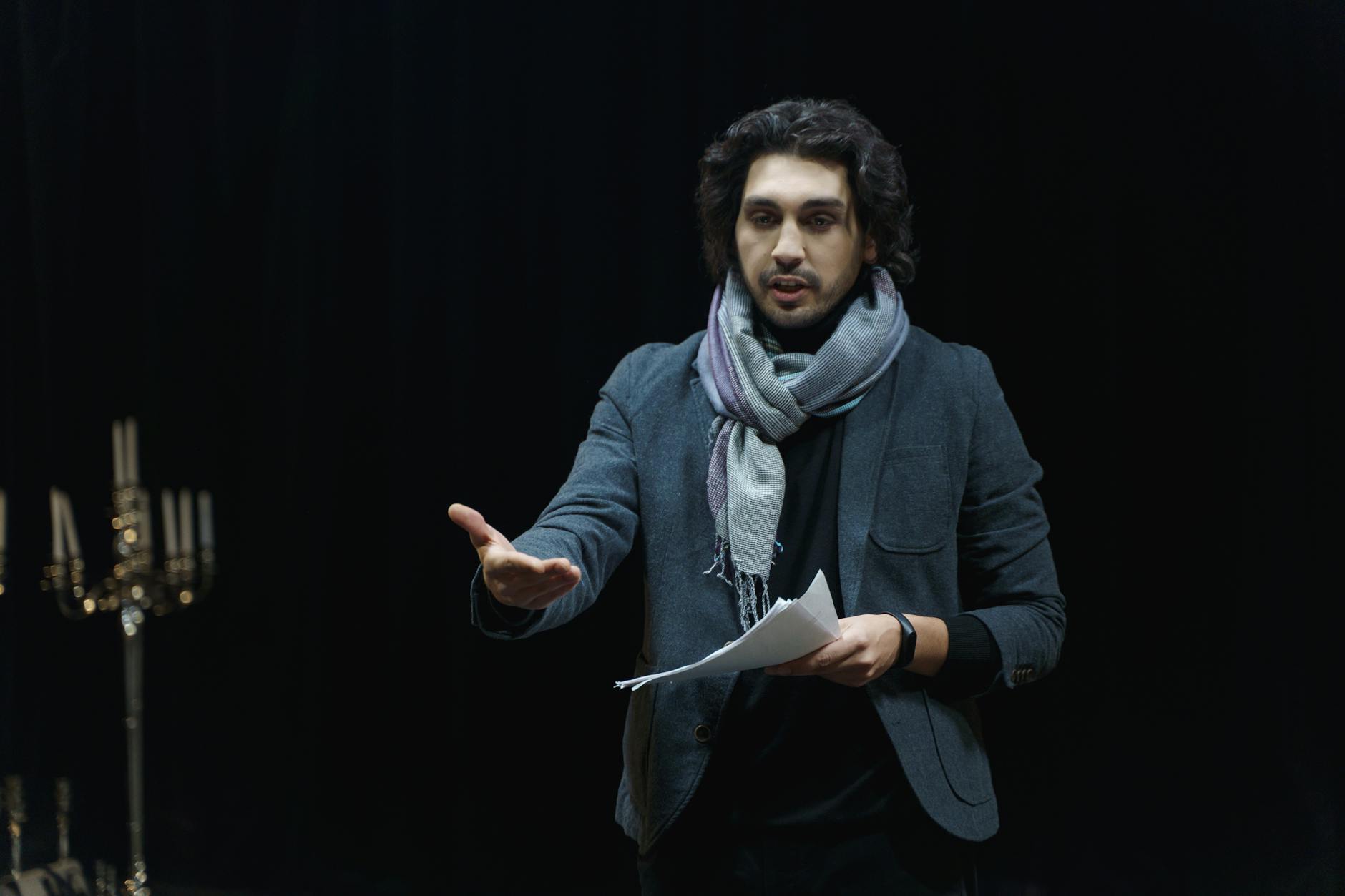
Penn’s Performance as a Study in Controlled Intensity
sean penn‘s execution of Lockjaw demonstrates how much villainy depends on restraint rather than explosion.
Rather than playing the character through outbursts or theatrical moments, Penn appears to have approached Lockjaw as a man constantly calculating, constantly assessing, constantly aware of his power and how to maintain it.
This controlled intensity creates more genuine menace than a character who loses control would provide—audiences sense that Lockjaw is always thinking, always strategizing, always one step ahead.
The comparison to more typical action-film villains reveals Penn’s subtlety: where many antagonists telegraph their intentions through dialogue or dramatic gestures, Lockjaw communicates threat through implication, through the weight of his authority, through what remains unspoken.
This requires an actor capable of conveying danger through minimal movements and carefully modulated speech—exactly the kind of disciplined, interior performance Penn has built his reputation on. The trade-off is that such a performance demands more from audiences, who must read subtext and implication rather than having the character’s danger spelled out explicitly.
The Contemporary Political Mirror and Its Dangers
Critics have emphasized that Lockjaw possesses “relevancy to America in its current state,” suggesting that the character deliberately echoes real political figures and movements rather than existing as pure fantasy.
This deliberate connection to contemporary politics gives the character an uncanny resonance—audiences see in Lockjaw characteristics of actual power brokers and political actors, which explains the intensity of their discomfort. The character doesn’t represent some distant historical evil or future dystopia; he represents a disturbingly plausible present.
This aspect of the character’s construction does carry a limitation worth noting: the more specifically a villain mirrors current events or figures, the more likely the character becomes dated once those political circumstances change.
However, what gives Lockjaw longevity is that he appears to represent not a specific political moment but rather an archetype of corrupted authority—the patterns he embodies have recurred throughout history and across cultures, suggesting the character has staying power beyond a single political moment.
The film’s decision to ground Lockjaw in recognizable American dysfunction rather than make him a purely fictional construct is precisely what makes him feel uncomfortably real.

How Lockjaw Transcends Action-Film Convention
In most action films, the villain’s threat is external and physical—they pose a danger to be overcome through force, intelligence, or sacrifice. Lockjaw, by contrast, represents a threat that cannot be simply neutralized or defeated in conventional ways. His danger is institutional, ideological, and systemic rather than personal in the limited sense.
This structural difference forces the film (and audiences) to reckon with the fact that some problems cannot be solved through the traditional action-film formula of confrontation and victory. This approach to the antagonist has earned the film praise from critics who appreciate the refusal to simplify the conflict into a good-versus-evil dynamic.
Lockjaw’s power is real, structural, and rooted in systems that extend far beyond his individual actions, which gives the character a weight that standard villains lack.
The Future of Villainy in Cinema
Penn’s performance as Lockjaw may signal a shift in how cinema approaches antagonists—away from caricature and toward complexity, away from evil for evil’s sake and toward corrupted reasoning systems that feel uncomfortably familiar.
The success of this approach (evidenced by the film’s 7.7 IMDB rating and widespread critical praise) suggests that audiences are hungry for villains who challenge rather than simply oppose the protagonist.
This direction also reflects broader conversations in society about confronting systemic dysfunction and corruption—the realization that the most dangerous threats often don’t come from external villains but from people embedded within systems, acting according to logic that they themselves believe is justified.
As long as these conversations remain relevant to American society, characters like Colonel Lockjaw will continue to resonate because they mirror something audiences recognize as disturbingly real.
Conclusion
Sean Penn’s Colonel Steven J. Lockjaw feels too real to be fiction because he exists as a portrait of warped humanity rather than a caricatured villain. The character’s composite nature—toxic entitlement, racism, authoritarianism—combined with Penn’s restrained, calculated performance creates an antagonist whose danger feels plausible and immediate.
By grounding Lockjaw in recognizable patterns of corrupt authority while refusing to make him either purely evil or inappropriately sympathetic, the film presents a character study in how dangerous men justify themselves and maintain power.
The intensity of audience and critical response to Lockjaw’s character demonstrates that modern cinema has capacity for complexity in villainy—that viewers can be simultaneously fascinated and repulsed by a character, deeply uncomfortable with what he represents while recognizing his troubling authenticity.
This approach to characterization opens doors for how cinema can examine power, corruption, and the psychology of authoritarianism without resorting to melodrama or simplification.
You Might Also Like
- Sean Penn’s Performance in One Battle After Another Has Fans Debating Whether the Character Is Fiction or Political Commentary
- Sean Penn’s Character in One Battle After Another Has Fans Comparing It to Several Real Life Media Personalities
- One Battle After Another Fans Are Debating Who Sean Penn’s Character Might Represent in Real Life
For more on Fans Say Sean, see the full breakdown above – the fans say sean details cover what most viewers want to know.