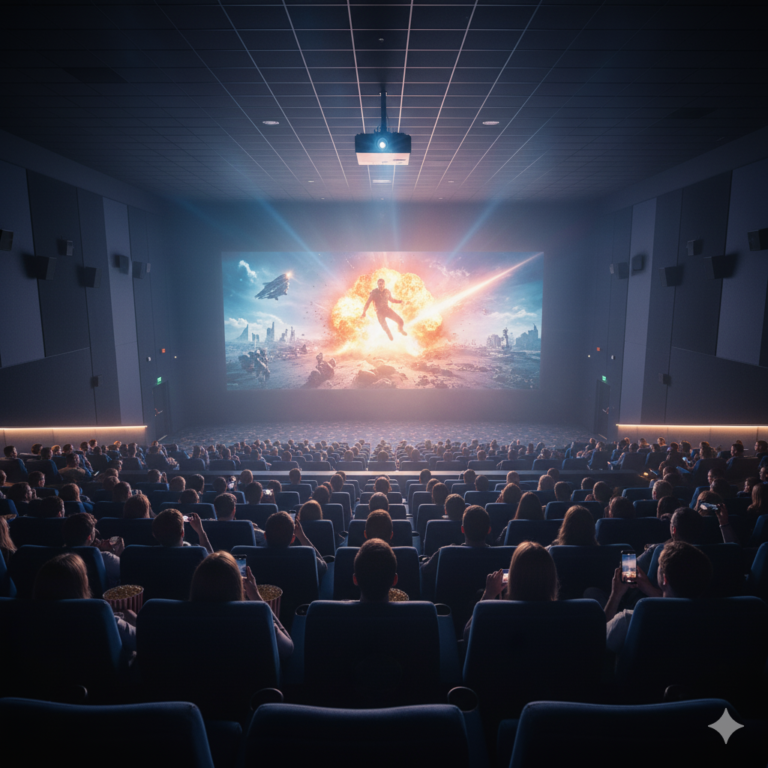
A comprehensive Dune Part Two violence and language guide is essential viewing preparation for anyone planning to watch Denis Villeneuve’s epic 2024 science fiction film. As the highly anticipated sequel to 2021’s Dune, this second installment escalates the intensity significantly, featuring large-scale battles, visceral combat sequences, and mature thematic content that warrants careful consideration before viewing. Whether you’re a parent deciding if your teenager is ready for the film or an adult who prefers to know what to expect from intense content, understanding the specific nature of the violence and language in Dune Part Two helps ensure an informed viewing experience. The film carries a PG-13 rating from the Motion Picture Association, which places it in a category that permits some violence and brief strong language but restricts the most graphic depictions. However, PG-13 ratings can vary enormously in intensity, and Dune Part Two sits firmly at the upper end of that spectrum.
The movie depicts warfare, hand-to-hand combat, assassination, and the consequences of desert survival in ways that may disturb sensitive viewers. Understanding these elements ahead of time allows audiences to mentally prepare or make alternative choices about viewing. This guide breaks down every significant category of potentially concerning content in Dune Part Two, from the battle sequences and their aftermath to the film’s approach to language, substance use, and frightening imagery. By the end, readers will have a complete picture of what the film contains, how it compares to the first installment, and specific recommendations for different age groups and sensitivities. The goal is not to discourage viewing but to empower informed decision-making about a genuinely remarkable cinematic achievement that happens to contain mature content.
Table of Contents
- How Violent Is Dune Part Two Compared to the First Film?
- Detailed Breakdown of Violence and Combat Scenes in Dune Part Two
- Language and Profanity Content in Dune Part Two
- Frightening and Intense Scenes Beyond Combat Violence
- Substance Use and Other Mature Content Considerations
- Age-Appropriate Viewing Recommendations for Dune Part Two
- How to Prepare
- How to Apply This
- Expert Tips
- Conclusion
- Frequently Asked Questions
How Violent Is Dune Part Two Compared to the First Film?
Dune part Two represents a significant escalation in violent content compared to its predecessor. While the first Dune film contained notable violence, including the attack on House Atreides and various combat scenes, the sequel expands the scope dramatically due to its focus on Paul Atreides leading the Fremen in open warfare against the Harkonnen occupation. The runtime dedicated to battle sequences increases substantially, and the personal stakes of the violence become more emotionally charged as characters viewers have come to know face life-threatening situations repeatedly throughout the narrative.
The nature of the violence also shifts from the first film. Where Dune (2021) primarily showed defensive actions and the aftermath of attacks, Dune Part Two features offensive warfare, guerrilla tactics, and ceremonial combat. The film includes multiple one-on-one knife fights shown in detail, large-scale battles with significant casualties, and several character deaths depicted on screen. The emotional weight of this violence is heightened by the film’s themes of religious fanaticism and the moral compromises of revolutionary warfare, making it not just physically intense but psychologically complex.
- Combat frequency increases approximately threefold compared to the first film
- Individual deaths are shown more explicitly, though extreme gore remains limited
- The scale of battles involves thousands of combatants in some sequences
- Emotional impact is heightened by deaths of established characters
Detailed Breakdown of Violence and Combat Scenes in Dune Part Two
The film opens with Fremen conducting raids on Harkonnen spice harvesting operations, establishing early that combat will be a recurring element. These sequences show Fremen warriors using crysknives (blades made from sandworm teeth) to dispatch Harkonnen soldiers, with brief glimpses of wounds and bloodshed. The violence is rapid and stylized rather than gratuitously lingering, but the intent and impact of lethal force is unmistakable. Explosions destroy equipment and vehicles, occasionally with visible human casualties. A significant portion of the film’s violence involves ritual combat, particularly the climactic duel that determines political power. These scenes are extended and intense, showing combatants sustaining injuries including cuts, stabs, and blunt trauma.
Blood is visible on wounds and weapons, though the film avoids excessive gore or prolonged suffering. The choreography emphasizes the desperate, life-or-death nature of these encounters rather than glorifying the violence itself. one particular duel near the film’s conclusion runs several minutes and shows the progressive physical toll on both participants. The Harkonnen characters, particularly Feyd-Rautha, are depicted engaging in sadistic violence that establishes their villainy. This includes scenes in a gladiatorial arena where prisoners are hunted and killed for entertainment. While the actual deaths are not shown in graphic detail, the implication and buildup are disturbing, and brief aftermath shots confirm lethal outcomes. The film also depicts the aftermath of violence through wounded characters, dead bodies in battle scenes, and the emotional trauma experienced by survivors.
- Approximately 15-20 distinct combat or violent sequences throughout the film
- Blood is present but not excessive by PG-13 standards
- No dismemberment or extreme gore is shown explicitly
- Psychological and implied violence creates tension beyond physical depictions
Language and Profanity Content in Dune Part Two
The language in Dune Part Two remains relatively restrained compared to many contemporary action films. The PG-13 rating permits limited strong language, and the film uses this allowance sparingly. Viewers can expect occasional profanity including words like “damn,” “hell,” and similar mild expletives used in moments of stress or anger. The frequency is low enough that individual instances may be easily missed, particularly during intense action sequences where dialogue is minimal.
The film does not contain the single use of strong profanity (specifically the F-word) that PG-13 films are permitted. This keeps the language content accessible for younger teenagers while maintaining the serious, adult tone of the narrative. The Fremen characters speak with a formal, almost ritualistic cadence that naturally limits casual profanity, and the Harkonnen villains express their cruelty more through actions and tone than vulgar language. Some insults and derogatory terms are used between factions, reflecting the colonial dynamics of the story.
- Total profanity instances: approximately 5-10 throughout the entire film
- No sexual language or crude humor
- Strongest language falls in the mild-to-moderate category
- Insulting terms related to the fictional universe appear but lack real-world equivalents

Frightening and Intense Scenes Beyond Combat Violence
Dune Part Two contains numerous sequences designed to create tension, fear, and unease beyond straightforward combat violence. The sandworms, massive creatures central to the story, are depicted as genuinely terrifying forces of nature. Scenes involving characters attempting to summon and ride these creatures generate sustained tension, and the worms’ massive scale and predatory behavior may frighten younger or more sensitive viewers. The sound design amplifies these moments, with the worms’ approach signaled by deep, rumbling bass frequencies. The Harkonnen homeworld of Giedi Prime is depicted in stark black-and-white photography, creating an unsettling, alien atmosphere. Scenes set there include the gladiatorial combat mentioned earlier, as well as depictions of the Harkonnen ruling family engaging in manipulation, cruelty, and implied torture.
The Baron Harkonnen is shown in ways that emphasize his physical grotesqueness and moral corruption. Feyd-Rautha’s introduction involves disturbing implications about violence against women, though nothing explicit is shown. These sequences cultivate dread through atmosphere and implication rather than graphic content. The film also explores disturbing psychological territory through its depiction of religious manipulation and the loss of individual identity. Characters undergo transformations that may be unsettling to watch, and the film’s climax involves decisions and outcomes that are emotionally devastating rather than triumphant. Viewers expecting a straightforward heroic narrative may find the moral complexity and dark ending more disturbing than any physical violence.
- Sandworm encounters create sustained fear sequences lasting several minutes
- Harkonnen scenes are designed to unsettle through atmosphere and implication
- Psychological intensity escalates significantly in the final act
- Some sequences may trigger claustrophobia or fear of darkness
Substance Use and Other Mature Content Considerations
The spice melange, the central resource of the Dune universe, functions as a consciousness-altering substance throughout the film. Characters consume spice in various forms, and the resulting visions and altered states are depicted visually through distorted imagery, color shifts, and symbolic sequences. While spice is fictional, its parallels to real-world psychoactive substances are unmistakable, and the film shows characters becoming dependent on it, experiencing withdrawal effects, and making decisions under its influence. This content may raise concerns for parents discussing substance use with children. One character, Lady Jessica, undergoes a ritual involving the consumption of a toxic substance that has been transformed through a sandworm process. This sequence is visually intense, showing her experiencing pain, visions, and physical transformation. The ritual has religious significance in the narrative, but the depiction of voluntarily consuming a dangerous substance and its dramatic effects may be disturbing.
Another character later undergoes a similar ritual with different outcomes. Sexual content in the film is minimal. A romantic relationship between two main characters is depicted through embraces, kisses, and implied intimacy, but nothing explicit is shown. The characters are shown sleeping in the same space in ways that suggest a physical relationship without depicting it. One scene implies that conception has occurred, confirmed later through dialogue. The film contains no nudity. Some costumes, particularly among the Harkonnen, include revealing elements, but these are brief and not sexualized.
- Spice use is depicted frequently as both practical necessity and consciousness-altering
- One major ritual sequence involves consuming a dangerous substance
- Romantic content is present but handled with restraint
- No nudity or explicit sexual content
Age-Appropriate Viewing Recommendations for Dune Part Two
Based on the content analysis above, Dune Part Two is most appropriate for viewers aged 13 and older, with some caveats based on individual maturity and sensitivity levels. The PG-13 rating is accurate but represents the more intense end of that classification. Mature 12-year-olds with previous exposure to fantasy violence and an interest in the story may handle the content, while sensitive 13 or 14-year-olds might find it overwhelming. Parents know their children best and should use this guide in conjunction with their understanding of individual tolerance levels.
For adults with particular sensitivities, the film presents challenges worth considering. Those affected by depictions of warfare, knife violence, or the deaths of sympathetic characters should prepare accordingly. The film’s dark themes regarding religious extremism and the corruption of idealistic movements may be emotionally difficult for some viewers regardless of age. The intense sound design and visual scale of the theatrical experience amplify all these elements, and viewers who found the first film intense should expect a significant step up.
How to Prepare
- **Watch Dune Part One first** to establish familiarity with the world, characters, and baseline intensity level. The sequel assumes full knowledge of the first film and does not soften its content for newcomers. This also allows viewers to gauge their own reactions to the franchise’s approach to violence and intensity.
- **Review the specific content categories** that may be concerning for your situation. If knife violence is a particular issue, know that it appears frequently. If substance use themes are concerning, be aware they’re central to the plot. Targeted preparation is more effective than general anxiety about mature content.
- **Discuss the film’s themes in advance** with younger viewers. The story involves complex ideas about heroism, religion, warfare, and moral compromise. Having context for these themes helps viewers process difficult scenes as part of a meaningful narrative rather than gratuitous content.
- **Choose your viewing format thoughtfully.** The theatrical IMAX experience maximizes intensity through sound and scale. A home viewing allows for pausing, volume control, and a less immersive environment that some viewers may prefer for their first exposure.
- **Plan for processing time afterward.** The film’s ending is emotionally complex and may require discussion. Allow time after viewing for conversation about what happened and how viewers feel about it, particularly for younger audiences experiencing challenging themes for the first time.
How to Apply This
- **Use the specific content breakdown** to make informed decisions about whether to view the film, when to view it, and with whom. The detailed scene descriptions allow for targeted avoidance of particularly concerning moments if necessary.
- **Apply the age recommendations flexibly** based on individual maturity rather than strict numerical guidelines. A child who has read the novel and processed its themes may be ready earlier than one unfamiliar with the story.
- **Reference this guide during discussions** about media consumption with children or family members. The specific examples provide concrete talking points about violence, consequences, and storytelling choices.
- **Consider a preview viewing** if you’re uncertain about a child’s readiness. An adult watching first can identify specific scenes to prepare for or potentially skip during a family viewing.
Expert Tips
- **Sit toward the back of the theater** for initial viewings if the scale of IMAX presentation feels overwhelming. This reduces the physical impact of intense sequences while preserving the theatrical experience.
- **Pay attention to the sound design** as a warning system. The film telegraphs intense moments through its score and sound effects, allowing prepared viewers to brace themselves before violent or frightening sequences begin.
- **Remember that PG-13 violence typically focuses on action rather than consequences.** While Dune Part Two is intense, it does not linger on suffering or gore in ways that R-rated films might, making recovery between intense moments easier.
- **Engage with the source material** through the novel or supplementary content to provide context that makes difficult themes more understandable and less shocking when depicted on screen.
- **Trust your instincts** about readiness. If the trailers felt overwhelming, the full film will be more intense. There’s no shame in waiting for a home video release or deciding the film isn’t right for a particular viewer regardless of age.
Conclusion
This Dune Part Two violence and language guide demonstrates that the film represents a significant intensity increase over its predecessor while remaining within PG-13 boundaries. The violence is frequent and impactful, depicting warfare, ritual combat, and the human cost of revolution with seriousness rather than glorification. Language remains restrained, frightening content extends beyond combat into psychological and atmospheric territory, and substance use themes permeate the narrative through the fictional spice melange. Armed with this information, viewers can make informed decisions about their own engagement with the film.
Denis Villeneuve has created a visually stunning and thematically rich sequel that takes its mature content seriously as part of meaningful storytelling. The intensity serves the narrative’s exploration of power, religion, and the costs of violence rather than existing for shock value. For viewers who are prepared and appropriately aged, Dune Part Two offers a rewarding cinematic experience that grapples with complex ideas through spectacular filmmaking. Those who need to wait for a time when they’re ready lose nothing by doing so, as great films remain great regardless of when you experience them.
Frequently Asked Questions
How long does it typically take to see results?
Results vary depending on individual circumstances, but most people begin to see meaningful progress within 4-8 weeks of consistent effort.
Is this approach suitable for beginners?
Yes, this approach works well for beginners when implemented gradually. Starting with the fundamentals leads to better long-term results.
What are the most common mistakes to avoid?
The most common mistakes include rushing the process, skipping foundational steps, and failing to track progress.
How can I measure my progress effectively?
Set specific, measurable goals at the outset and track relevant metrics regularly. Keep a journal to document your journey.