The best cinematography to look forward to in movies for 2025 represents one of the most exciting visual landscapes in recent cinema history, with several highly anticipated films featuring the work of legendary directors of photography and promising newcomers alike. From sprawling science fiction epics shot on cutting-edge digital formats to intimate dramas captured on 35mm film, the coming year promises a diverse array of visual storytelling that will push the boundaries of what audiences expect from theatrical experiences. Cinema in 2025 arrives at a fascinating crossroads where technological advancement meets artistic tradition. The resurgence of large-format filmmaking, including IMAX and 70mm presentations, continues to draw audiences seeking immersive visual experiences that streaming cannot replicate.
Meanwhile, cinematographers are increasingly blending practical lighting techniques with digital tools, creating hybrid approaches that honor classical craftsmanship while embracing modern capabilities. This tension between old and new methodologies has produced some of the most visually striking work in decades. By exploring the anticipated cinematography of 2025, readers will gain insight into which films merit theatrical viewing for their visual artistry alone, understand the technical innovations shaping modern filmmaking, and discover the cinematographers whose work deserves recognition during awards season. Whether you follow the craft closely or simply want to know which upcoming releases will deliver the most stunning imagery, this guide breaks down the visual achievements to watch for in the year ahead.
Table of Contents
- What Makes the Best Cinematography in 2025 Movies Worth Anticipating?
- Notable Cinematographers and Their 2025 Film Projects
- Visual Innovations in Upcoming 2025 Film Releases
- Common Challenges Facing Cinematographers in Modern 2025 Productions
- The Influence of Awards Recognition on 2025 Cinematography
- How to Prepare
- How to Apply This
- Expert Tips
- Conclusion
- Frequently Asked Questions
What Makes the Best Cinematography in 2025 Movies Worth Anticipating?
The cinematography landscape for 2025 films stands out due to an unusual convergence of factors. Several of the industry’s most celebrated directors of photography have projects releasing within months of each other, creating what amounts to a showcase of top-tier visual talent. Roger Deakins, Hoyte van Hoytema, Linus Sandgren, and Greig Fraser all have major releases scheduled, each bringing distinct visual philosophies that have defined modern cinema.
Beyond individual talent, the technical specifications of 2025 releases reveal ambitious visual scope. Multiple films have been shot using imax cameras for sequences or entire features, meaning audiences who seek out proper IMAX presentations will experience images with unprecedented resolution and aspect ratios that fill peripheral vision. The continued refinement of LED volume technology, popularized by productions like The Mandalorian, has also matured to the point where its application in feature films looks increasingly seamless and artistically controlled.
- The return of anamorphic widescreen photography in several prestige projects signals a renewed appreciation for the format’s distinctive bokeh and horizontal lens flares
- Natural lighting approaches continue gaining favor, with multiple productions prioritizing available light and practical sources over extensive artificial setups
- High-dynamic-range mastering ensures that films shot with careful attention to highlight and shadow detail will translate properly to premium home formats after theatrical runs
Notable Cinematographers and Their 2025 Film Projects
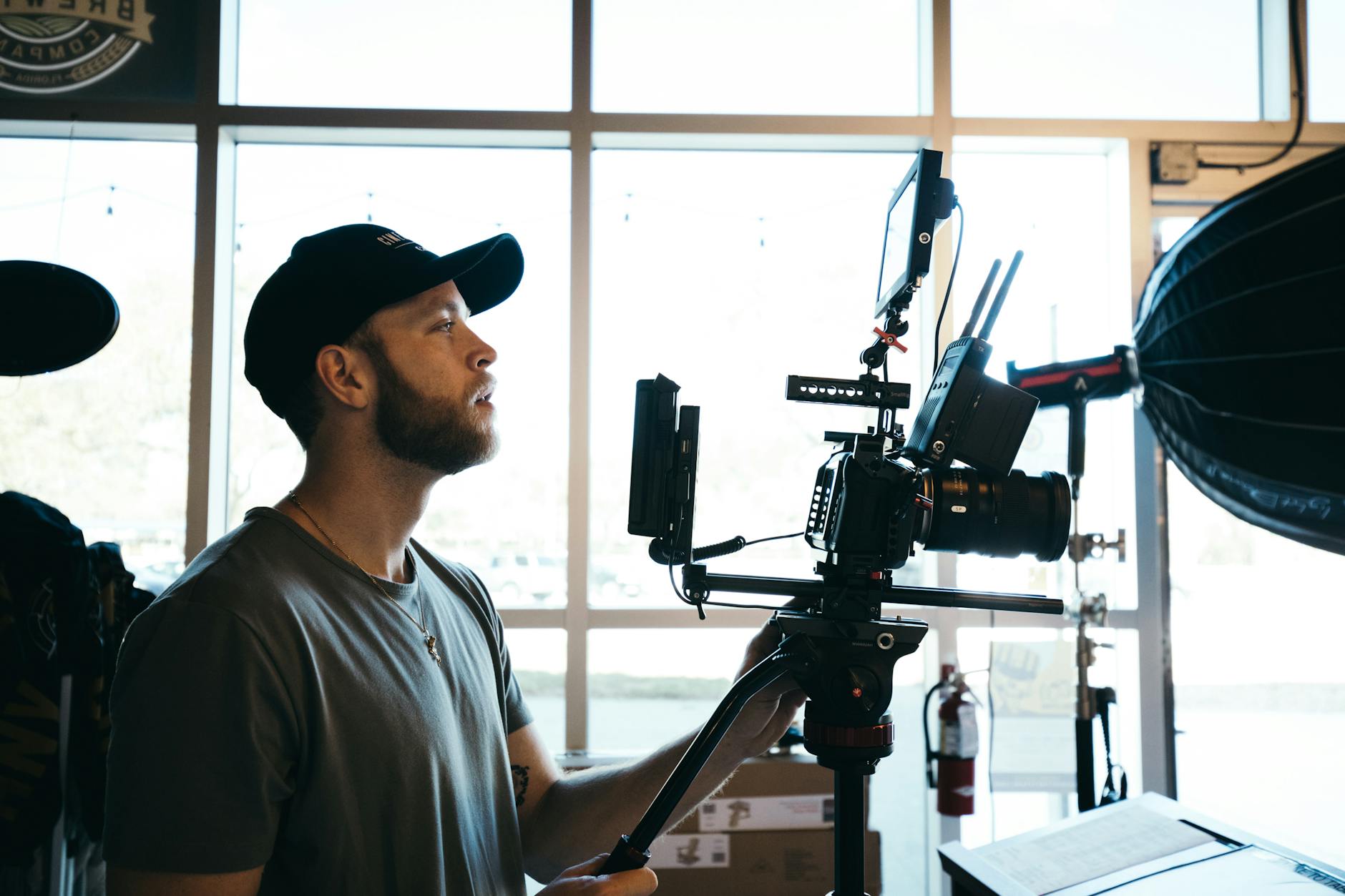
Roger Deakins, the fourteen-time Academy Award nominee and two-time winner, brings his characteristic precision to anticipated projects that showcase his ability to blend naturalism with carefully composed frames. His work has consistently demonstrated that technical excellence need not sacrifice emotional authenticity, and his 2025 output continues this tradition. Deakins’ collaborations typically feature meticulous pre-visualization and a commitment to in-camera effects whenever possible. Hoyte van Hoytema, whose work on Oppenheimer earned widespread acclaim, has multiple projects in various stages of completion for 2025 release.
His partnership with Christopher Nolan has produced some of the most visually ambitious blockbusters of the past decade, and his approach to large-format photography has influenced an entire generation of cinematographers. Van Hoytema’s ability to shoot action sequences with clarity while maintaining atmospheric lighting makes his work consistently engaging regardless of genre. Greig Fraser’s trajectory from indie productions to franchise tentpoles demonstrates modern Hollywood’s appetite for distinctive visual voices. His textured, often desaturated palette has become influential, and 2025 projects allow him to continue refining techniques he developed on Dune and The Batman. Fraser’s willingness to experiment with vintage lenses on modern digital cameras creates images that feel simultaneously contemporary and timeless.
- Linus Sandgren continues exploring the intersection of classical Hollywood glamour and modern sensibilities
- Bradford Young’s deeply saturated shadows and skin-tone-conscious lighting influence numerous upcoming productions
- Ari Wegner’s dynamic camera movement and bold color choices position her as a cinematographer to watch closely
Visual Innovations in Upcoming 2025 Film Releases
The technical landscape of 2025 cinematography reflects years of research and development reaching commercial viability. ARRI’s latest camera systems offer increased latitude and color science refinements that cinematographers have praised for approaching film-like rendering while maintaining digital workflow advantages. Sony’s Venice line continues gaining adoption among high-profile productions, particularly for projects requiring low-light sensitivity. LED volume stages have matured considerably since their mainstream introduction. Early implementations sometimes produced flat, unconvincing backgrounds, but contemporary LED stages feature higher pixel density, improved color accuracy, and better integration with in-camera visual effects supervision. Several 2025 releases utilized these stages not merely for convenience but for creative purposes, allowing real-time lighting from virtual environments to illuminate actors naturally. The persistence of photochemical film, while representing a minority of productions, remains artistically significant. Kodak’s continued manufacture of motion picture film stock, combined with preservation efforts from major directors, ensures that celluloid remains viable for productions prioritizing its unique texture and color response. Christopher Nolan, Quentin Tarantino, and several other filmmakers have vocally supported film acquisition, and their 2025 projects maintain this commitment.
## How to Identify Exceptional Cinematography in 2025 movies Recognizing accomplished cinematography requires attention to elements that casual viewers might overlook. Lighting serves as the foundational element, and observing how shadows fall, how skin tones render, and how practical light sources integrate into scenes reveals the cinematographer’s intentions. The difference between flat, functional lighting and sculpted, atmospheric illumination becomes apparent when comparing sequences across different productions. Composition and camera movement constitute equally important considerations. Static shots force attention to framing precision, while moving camera work must maintain spatial clarity without becoming disorienting. The best cinematography serves narrative and emotional purposes rather than calling attention to itself, meaning the most virtuosic work often goes unnoticed by audiences absorbed in storytelling. Color palette and contrast ratios contribute significantly to a film’s visual identity. Some 2025 releases employ desaturated, cool-toned approaches that evoke specific eras or moods, while others embrace rich, saturated colors that heighten emotional responses. Understanding that these choices stem from collaboration between cinematographers, directors, and colorists helps viewers appreciate the intentionality behind each project’s look.
- In-camera visual effects integration reduces reliance on post-production compositing, improving on-set creative decisions
- High-frame-rate photography for select sequences creates deliberate contrast with standard 24fps footage
- Drone cinematography technology now enables shots previously requiring helicopters or cranes, democratizing aerial photography
- Watch for how eyes are lit in close-ups, a fundamental technique that separates competent work from exceptional craft
- Notice transitions between interior and exterior lighting, which test a cinematographer’s ability to maintain visual continuity

Common Challenges Facing Cinematographers in Modern 2025 Productions
Contemporary cinematographers navigate pressures that previous generations rarely encountered. The expectation of extensive visual effects integration means shooting with future compositing in mind, often requiring compromise between ideal in-camera imagery and technical requirements for post-production. Green and blue screen work demands lighting approaches that may not serve performers ideally, forcing cinematographers to balance competing priorities. Theatrical versus streaming release strategies create additional complications.
Films destined for exclusive theatrical runs can be graded for controlled viewing environments, while those potentially headed to streaming must account for wildly variable consumer displays. This uncertainty sometimes influences creative decisions during production, as cinematographers consider how their work will translate across different presentation contexts. Budget constraints and accelerated schedules pressure cinematographers to work faster than ideal. The meticulous pre-production that characterized classical Hollywood has compressed significantly, with some productions beginning principal photography before locations are finalized or sets are fully designed. Experienced cinematographers develop strategies for handling uncertainty, but these conditions inevitably affect what’s achievable.
- Weather and location variables require extensive contingency planning
- Actor availability sometimes dictates shooting order, disrupting visual continuity plans
- Equipment failures during location work far from rental houses demand problem-solving skills
The Influence of Awards Recognition on 2025 Cinematography
Academy Award attention shapes both public perception of cinematography and industry prioritization of the craft. Films released during awards season often receive specific theatrical presentations designed to showcase visual qualities, with studios booking premium large-format venues and organizing cinematographer Q&A sessions to highlight technical achievements. This marketing emphasis helps audiences appreciate work they might otherwise consume passively.
The distinction between nominated and winning cinematography often hinges on factors beyond pure technical excellence. Voters respond to novelty, meaning films that introduce unfamiliar techniques or push format boundaries sometimes receive disproportionate recognition. Conversely, impeccably crafted work in conventional modes may go overlooked despite demonstrating superior fundamentals. Understanding these dynamics helps contextualize awards discourse.
How to Prepare
- Research participating cinematographers by watching their previous work, noting recurring techniques and visual signatures that will likely appear in upcoming projects. Roger Deakins’ masterclass and interviews provide insight into his philosophy, while Hoyte van Hoytema’s explanations of his Oppenheimer approach reveal thinking that carries forward.
- Identify which local theaters offer premium formats including true IMAX (with 1.43:1 capability), Dolby Cinema, and 70mm projection. Not all multiplexes labeled IMAX feature the larger format, and understanding venue capabilities ensures appropriate theater selection for specific releases.
- Calibrate home viewing equipment for accurate color reproduction if theatrical attendance proves impossible. Consumer displays often ship with oversaturated, contrast-boosted settings that misrepresent cinematographers’ intentions, and proper calibration reveals subtleties otherwise lost.
- Read trade publication coverage of productions during filming, as American Cinematographer and similar outlets often publish detailed breakdowns of equipment choices, lighting approaches, and creative decisions before releases arrive.
- Study basic cinematography terminology including aspect ratios, focal lengths, color temperature, and exposure latitude. This vocabulary enables more precise appreciation and communication about what makes specific imagery effective.
How to Apply This
- Watch trailers and promotional materials analytically rather than passively, observing lighting direction, color grading, and compositional patterns that indicate the final film’s visual approach.
- Choose theatrical presentations deliberately based on how specific films were shot, prioritizing IMAX presentations for films captured in that format and seeking Dolby Cinema for productions emphasizing high dynamic range.
- Revisit films after initial viewing to study cinematography specifically, allowing narrative absorption during first screenings and technical analysis during subsequent watches.
- Compare different cinematographers’ approaches to similar subject matter or genres, identifying how individual visual philosophies distinguish their work from peers handling comparable material.
Expert Tips
- Arrive at theatrical screenings during pre-show content to allow eyes to adjust to the darkened environment, improving shadow detail perception during the feature presentation.
- Sit in theaters’ optimal viewing zones, typically center seats positioned approximately two-thirds back from the screen, where image geometry and sound mixing align optimally.
- Avoid checking phones during screenings, as even brief exposure to bright screens compromises dark adaptation that took minutes to develop.
- Watch for cinematographer credits and research unfamiliar names, as emerging talents often work on smaller films before major releases and their earlier work provides context.
- Follow cinematographers on social media platforms where many share behind-the-scenes insights, equipment discussions, and philosophical perspectives unavailable through traditional press coverage.
Conclusion
The cinematography achievements anticipated in 2025 movies represent the culmination of artistic vision, technological capability, and industrial support for visual excellence. From established masters working with unprecedented resources to emerging talents bringing fresh perspectives, the year ahead offers abundant opportunities for viewers who appreciate filmmaking’s visual dimension. Understanding who shoots these films, how they approach their craft, and where to see results presented optimally transforms passive consumption into engaged appreciation.
The theatrical experience remains irreplaceable for encountering cinematography as intended, despite streaming’s convenience. Large-format presentations, properly calibrated projectors, and darkened auditoriums reveal image qualities that home viewing cannot replicate. Prioritizing theatrical attendance for visually ambitious 2025 releases supports both the craft and the exhibition infrastructure that enables it. As the year unfolds, paying attention to cinematography credits and seeking out the work of talented directors of photography enriches the moviegoing experience considerably.
Frequently Asked Questions
How long does it typically take to see results?
Results vary depending on individual circumstances, but most people begin to see meaningful progress within 4-8 weeks of consistent effort.
Is this approach suitable for beginners?
Yes, this approach works well for beginners when implemented gradually. Starting with the fundamentals leads to better long-term results.
What are the most common mistakes to avoid?
The most common mistakes include rushing the process, skipping foundational steps, and failing to track progress.
How can I measure my progress effectively?
Set specific, measurable goals at the outset and track relevant metrics regularly. Keep a journal to document your journey.