Behind the scenes insights from actors on set reveal a world that exists far beyond the polished two-hour runtime audiences experience in theaters. The filmmaking process involves countless hours of preparation, waiting, collaboration, and problem-solving that rarely makes it into promotional materials or DVD extras. Understanding what actually happens when cameras roll”and more importantly, when they don’t”provides a deeper appreciation for the craft of acting and the collaborative nature of film production. For film enthusiasts and aspiring actors alike, the gap between perception and reality on a movie set can be substantial. Many viewers imagine glamorous trailers, constant action, and seamless performances captured in single takes.
The truth involves 5 a.m. call times, twelve-hour days spent mostly waiting, and the same scene performed dozens of times from different angles. Actors must maintain emotional continuity across shooting schedules that frequently film scenes out of sequence, sometimes capturing a character’s final moments before shooting the opening scenes. This article explores the authentic experiences actors face during production, from the physical demands of repetitive takes to the psychological challenges of staying in character across fragmented shooting schedules. Readers will gain insight into the collaborative relationships between actors and directors, the technical constraints that shape performances, and the unspoken protocols that govern professional film sets. Whether you’re interested in pursuing acting, studying film production, or simply want to understand movies more deeply, these behind-the-scenes realities illuminate the remarkable effort that transforms a screenplay into a finished film.
Table of Contents
- What Do Actors Actually Experience Behind the Scenes on a Film Set?
- How Directors and Actors Collaborate Behind the Scenes
- The Physical and Emotional Demands Actors Face on Set
- Set Protocols and Professional Etiquette Actors Navigate Daily
- Technical Constraints That Shape Actors’ Performances on Set
- How Shooting Schedules Affect Actors’ Behind-the-Scenes Preparation
- How to Prepare
- How to Apply This
- Expert Tips
- Conclusion
- Frequently Asked Questions
What Do Actors Actually Experience Behind the Scenes on a Film Set?
The daily reality for actors on set bears little resemblance to the final product audiences watch. A typical shooting day begins hours before any camera rolls, with actors arriving for hair, makeup, and wardrobe”processes that can take anywhere from thirty minutes for a simple contemporary look to four or more hours for period pieces or prosthetic-heavy roles. Heath Ledger reportedly spent three hours daily in the makeup chair for his joker transformation, while the actors in “The Lord of the Rings” endured even longer sessions for their hobbit feet and elf ears. Once on set, actors spend the majority of their time waiting. Industry veterans estimate that the actual performing-to-waiting ratio sits around 1:10 on most productions.
Between lighting setups, camera repositioning, and technical rehearsals, performers might deliver the same emotional scene a dozen times across several hours. This requires a particular kind of stamina”the ability to summon genuine emotion repeatedly while maintaining consistency for editing purposes. Tom Hanks has described the challenge as “being able to cry on the twenty-seventh take the same way you cried on the first.” The set environment itself shapes performance in ways audiences never see. Actors frequently perform intense dialogue scenes while standing on precise tape marks, maintaining specific eyelines for camera composition, and avoiding shadows from complex lighting rigs. Emotional scenes might be filmed with forty crew members watching in complete silence, or interrupted by aircraft noise requiring a complete reset. The ability to compartmentalize these technical demands while accessing authentic emotion distinguishes working professionals from talented amateurs.
- Call times typically range from 5 a.m. to 7 a.m. for daytime shoots, with night shoots beginning in late afternoon
- Average shooting ratio for dramatic films sits between 15:1 and 40:1 (minutes filmed to minutes used)
- Most actors spend 80-90% of their on-set time not actively performing

How Directors and Actors Collaborate Behind the Scenes
The actor-director relationship forms the creative core of any film production, though the nature of this collaboration varies dramatically across projects and personalities. Some directors provide extensive guidance, discussing character motivation, backstory, and specific physical choices before each take. Others prefer to cast actors they trust and provide minimal direction, allowing performers to discover the scene through multiple takes. David Fincher famously shoots upward of fifty takes for simple dialogue scenes, while Clint Eastwood rarely exceeds two or three. Communication styles on set have evolved alongside filmmaking technology. Modern productions increasingly use video monitors that allow directors to watch performances in real-time from a distance, providing notes through assistant directors rather than approaching actors directly.
Some performers find this creates helpful emotional distance, while others miss the intimacy of direct conversation. Meryl Streep has spoken about preferring directors who engage personally between takes, while Daniel Day-Lewis is known for maintaining character throughout shooting days, communicating only within the reality of the scene. The rehearsal process”or lack thereof”significantly impacts what happens on set. Theater-trained actors often expect extensive rehearsal periods to develop character relationships and blocking, but film productions rarely allocate more than a few days for this preparation. Some directors deliberately limit rehearsal, believing that first takes capture spontaneity impossible to recreate. Others build in extensive preparation time, treating it as essential to achieving nuanced performances. The “Before” trilogy, directed by Richard Linklater, involved months of preparation and script development with its two lead actors, resulting in performances that feel remarkably natural.
- Average film production allocates 2-5 days for rehearsal, compared to 4-6 weeks in professional theater
- Director’s shooting ratio preferences range from 2:1 (Eastwood) to 100:1 (Kubrick)
- Video village”the area where directors monitor takes”typically sits 20-50 feet from the camera
The Physical and Emotional Demands Actors Face on Set
Film acting places substantial physical demands on performers that extend far beyond what appears onscreen. Action sequences require weeks of physical preparation, stunt training, and careful choreography, with actors often performing the same fight or chase sequence dozens of times across multiple shooting days. Tom Cruise’s commitment to performing his own stunts has resulted in multiple injuries, including a broken ankle during “Mission: Impossible ” Fallout” that required a nine-month production hiatus. Even non-action scenes carry physical demands”standing in uncomfortable positions for hours, repeating physical movements precisely for continuity, and maintaining energy across twelve-hour shooting days. The emotional labor of film acting receives less attention but proves equally taxing. Actors accessing traumatic emotional material”grief, terror, rage”must summon these states repeatedly across fragmented shooting schedules. A character’s breakdown might be filmed across three separate days, weeks apart, requiring the performer to return to that emotional state with consistency.
Some actors use method techniques, remaining in distressed emotional states between takes or throughout entire productions. Others develop technical approaches to accessing emotion quickly without personal psychological cost. Physical transformation adds another dimension to set experiences. Actors gaining or losing significant weight for roles face genuine health consequences alongside the performance challenges. Christian Bale’s fluctuations for films like “The Machinist” (losing 62 pounds) and “Vice” (gaining 40 pounds) placed substantial stress on his body. Similarly, wearing prosthetics, period costumes, or other restrictive wardrobe creates daily discomfort that performers must work through while maintaining character. The corsets worn in period dramas genuinely restrict breathing, and heavy prosthetics can cause skin irritation and claustrophobia.
- Stunt performers and actors typically rehearse fight sequences for 2-4 weeks before filming
- Industry guidelines recommend maximum 12-hour shooting days, though many productions exceed this
- Extreme weight changes for roles have been linked to long-term metabolic and cardiovascular effects

Set Protocols and Professional Etiquette Actors Navigate Daily
Professional film sets operate according to unwritten rules and established protocols that significantly shape actors’ daily experiences. Understanding set hierarchy matters for navigating the complex social dynamics of production. The director holds creative authority, but the first assistant director runs the physical set, managing time and coordinating between departments. Actors interface primarily with the AD team for scheduling and logistics, with the director for creative matters, and with department heads for specific needs. Quiet on set serves as more than a cliché”it reflects the genuine acoustic sensitivity of film recording. When the first AD calls for silence, all conversation and movement ceases until “cut” is called. This protocol extends beyond the immediate filming area, with crew members throughout the sound stage or location holding position during takes.
Actors learn to communicate necessary information quickly and quietly, using hand signals and whispered exchanges when possible. Breaking silence during a take”causing a ruined recording”represents a significant professional breach. The politics of trailers, billing, and on-set accommodations rarely appear in behind-the-scenes documentaries but substantially impact actors’ experiences. Contract negotiations determine trailer size, placement relative to set, and specific amenities. Lead actors typically receive larger, more comfortable accommodations, while day players might share communal spaces. These hierarchies extend to meal services, transportation, and even the order of names in credits. While seemingly superficial, these details affect actors’ comfort and focus across long shooting schedules.
- First AD: manages schedule and set operations
- Second AD: coordinates actor movements between locations
- Key grip and gaffer: control physical set elements and lighting
- Script supervisor: tracks continuity across takes and shooting days
- Stand-ins: maintain positions during lighting setups while actors rest
Technical Constraints That Shape Actors’ Performances on Set
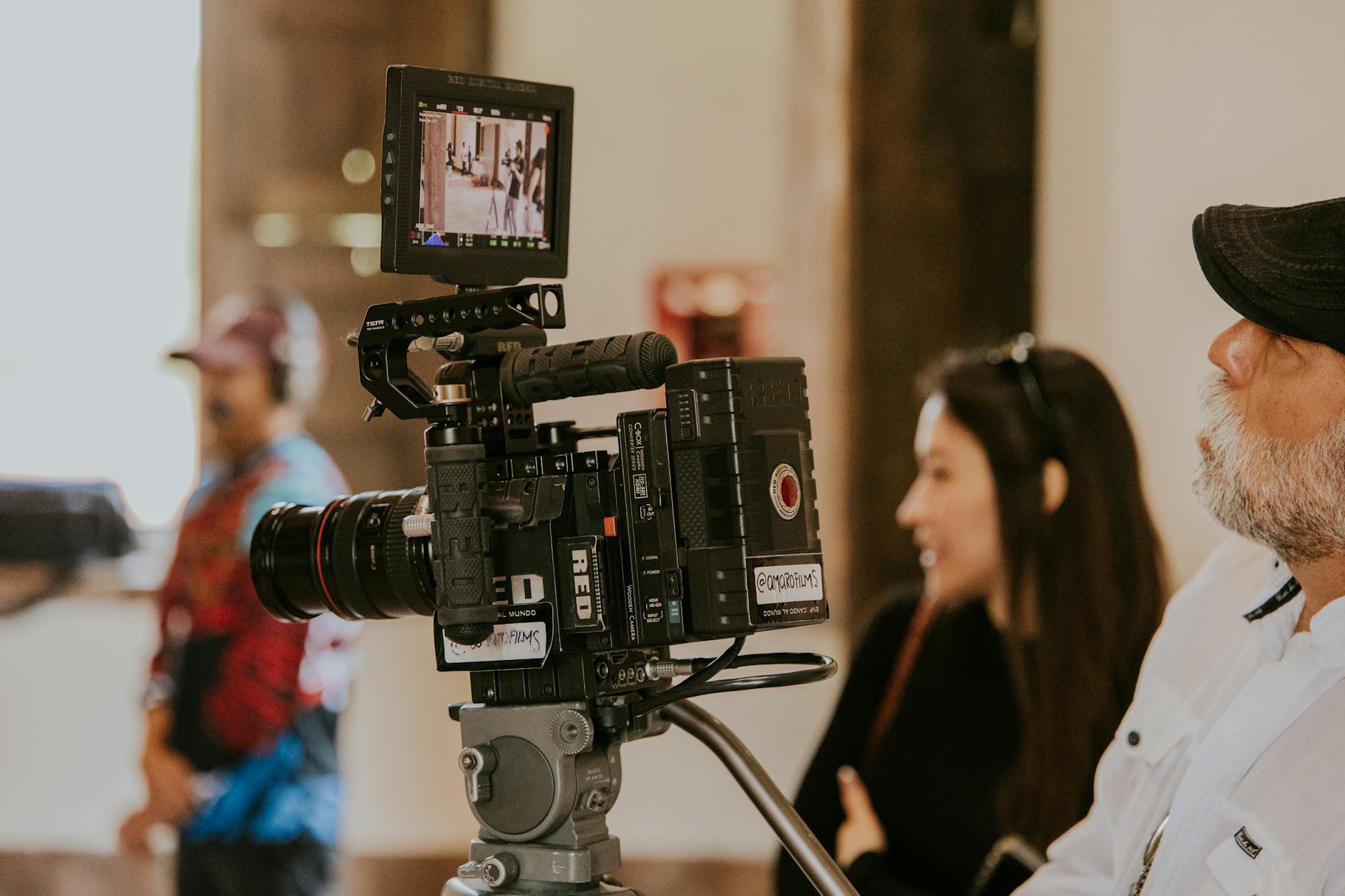
The technical requirements of film production create constraints that dramatically shape how actors work, often in ways invisible to audiences. Hitting marks”landing on specific tape positions on the floor”ensures actors remain in focus and properly lit throughout a scene. This seemingly simple requirement becomes complex during emotional sequences or scenes involving movement, forcing performers to internalize precise blocking while appearing spontaneous. Missing a mark by six inches can throw off focus or lighting, requiring another take. Eyeline direction represents another technical element actors must master. In dialogue scenes, the camera captures each actor separately, meaning performers often deliver lines to marks on the wall rather than their scene partners.
More challenging, actors sometimes perform against tennis balls or pieces of tape that will later become CGI characters or effects. The cast of the “Avatar” films spent months performing with minimal physical reference, reacting to creatures and environments that existed only in James Cameron’s pre-visualization. Sound recording adds additional performance constraints. Boom microphones capture dialogue from above actors’ heads, requiring consistent volume levels and clear enunciation regardless of emotional state. Whispering rarely records cleanly, forcing actors to perform stage whispers that sound natural through speakers but feel artificial in the moment. Similarly, scenes with overlapping dialogue must be performed multiple times”once clean for each character’s coverage”even though the final edit will blend them into natural conversation.
- Standard shooting lenses have depth of field ranging from 2 to 6 feet, requiring precise blocking
- Production sound typically captures at 48 kHz/24-bit, picking up ambient noise that actors must work around
- Green screen and blue screen work requires actors to imagine environments that compose 70-90% of final frame
How Shooting Schedules Affect Actors’ Behind-the-Scenes Preparation
Film shooting schedules rarely follow narrative chronology, creating unique preparation challenges for actors. Productions organize schedules around location availability, actor contracts, and budget efficiency rather than story sequence. An actor might film their character’s death scene during the first week of production, then spend the remaining weeks playing earlier, more optimistic versions of the same character. This requires detailed tracking of character knowledge, emotional state, and even physical condition across the narrative timeline. The script supervisor works closely with actors to maintain continuity, but performers bear primary responsibility for understanding their character’s journey and calibrating each scene accordingly. Many actors create detailed character timelines, noting emotional states, relationships, and key events in chronological order even when shooting out of sequence.
Cate Blanchett has discussed creating extensive character biographies that allow her to know precisely where a character stands emotionally in any given scene, regardless of shooting order. Night shoots and location changes add additional disruption to actors’ preparation routines. Shifting from day to night schedules requires physical adjustment”most performers need several days to acclimate to 6 p.m. call times and 6 a.m. wrap times. Location work, particularly in remote areas or foreign countries, can provide creative inspiration but also creates challenges for maintaining the physical and mental routines that support consistent performance. Experienced actors develop portable preparation practices that function regardless of external circumstances.
How to Prepare
- **Learn the technical vocabulary thoroughly.** Film sets operate using specific terminology that enables efficient communication. Understanding terms like “martini shot” (final shot of the day), “checking the gate” (verifying camera cleanliness), and “flying in” (bringing equipment to set) allows actors to follow set operations and respond appropriately to direction. Most drama schools now incorporate set terminology into their curricula, and numerous glossaries exist online.
- **Develop physical stamina for long shooting days.** Twelve-hour days standing under hot lights in potentially uncomfortable wardrobe requires genuine endurance. Many working actors maintain fitness routines specifically designed to support the physical demands of production, emphasizing core strength for maintaining posture and cardiovascular health for sustaining energy. Sleep hygiene becomes particularly important given irregular shooting schedules.
- **Practice technical skills in realistic conditions.** Hitting marks, maintaining eyelines, and delivering consistent performances across multiple takes require practice beyond traditional acting training. Many actors work with coaches using marked floors and camera setups to develop comfort with technical requirements. Recording practice scenes on video helps performers see how technical choices read on screen rather than in a room.
- **Build effective preparation routines that travel.** Location work and unpredictable schedules mean actors cannot depend on specific spaces or lengthy preparation time. Developing portable warm-up routines, character access techniques, and focusing practices that function in trailer hallways or crowded base camps proves essential. Most working actors can drop into character readiness within fifteen minutes of being called to set.
- **Study productions across multiple genres and scales.** Working conditions vary dramatically between studio films, independent productions, television series, and commercial work. Understanding these differences helps actors adapt expectations and preparation accordingly. Reading production diaries, listening to actor interviews, and studying behind-the-scenes documentaries provides realistic perspective on set life.
How to Apply This
- **Watch behind-the-scenes footage with analytical attention.** Beyond entertainment value, making-of documentaries reveal set dynamics, actor-director communication, and technical processes that inform understanding of the final film. Note how actors discuss their preparation, how directors communicate adjustments, and how technical challenges get solved collaboratively.
- **Analyze film performances with awareness of technical constraints.** When watching films, consider which shots required hitting specific marks, where eyelines indicate the actor was working alone, and how emotional continuity was maintained across what were likely separate shooting days. This analytical viewing deepens appreciation for the craft involved.
- **Apply set etiquette principles to any collaborative creative work.** The protocols that govern film sets”respecting hierarchies, communicating efficiently, supporting others’ work, maintaining focus”translate to theater, video production, and other collaborative environments. Understanding these principles before entering professional situations demonstrates preparation and professionalism.
- **Connect with working professionals to hear current experiences.** Film production practices evolve constantly with technology and industry changes. Recent graduates, working actors, and crew members provide current perspective that historical accounts cannot offer. Industry events, educational institutions, and online communities offer connection opportunities.
Expert Tips
- **Study your scene partners’ previous work before shooting.** Understanding how other actors in your scenes typically work”their preferred preparation styles, communication approaches, and on-set behaviors”allows more effective collaboration from the first day. This research demonstrates professionalism and often reveals opportunities for creative connection.
- **Maintain detailed personal continuity notes beyond script supervisor records.** While the production tracks physical continuity, actors benefit from tracking emotional and psychological continuity specific to their character journey. These notes become reference documents throughout potentially months-long productions.
- **Establish pre-take rituals that signal readiness without demanding accommodation.** Brief, self-contained preparation routines help actors transition into performance mode without requiring special circumstances from crew or scene partners. The most effective rituals take under thirty seconds and function regardless of surrounding activity.
- **Build genuine relationships with crew members across departments.** Hair, makeup, wardrobe, and camera crew spend substantial time with actors and significantly impact performance quality and comfort. Treating these relationships as collaborative rather than service-oriented creates better working conditions and often yields creative insights.
- **Develop specific techniques for maintaining energy across long shooting days.** Different actors use varying approaches”some conserve energy between takes, others stay active and engaged, some use brief meditation or movement practices. Discovering what sustains your performance capacity across a full shooting day comes through experience and deliberate experimentation.
Conclusion
The behind-the-scenes realities of film acting reveal a profession demanding far more than natural talent and screen presence. The technical precision required to deliver authentic emotion while hitting marks, maintaining eyelines, and matching previous takes represents a sophisticated skill set developed through years of training and experience. Understanding these demands transforms how we watch performances, allowing appreciation for the countless invisible choices and challenges that shape what appears onscreen.
For those pursuing acting or film production, these insights provide realistic preparation for professional environments that can otherwise prove disorienting. The gap between film school or community theater and professional set work catches many aspiring performers off guard. Knowing what to expect”the waiting, the repetition, the technical constraints, the hierarchies”allows newcomers to adapt more quickly and demonstrate the professionalism that leads to continued work. Beyond career preparation, understanding set dynamics simply enriches the experience of watching films, adding dimension to every performance and every frame.
Frequently Asked Questions
How long does it typically take to see results?
Results vary depending on individual circumstances, but most people begin to see meaningful progress within 4-8 weeks of consistent effort.
Is this approach suitable for beginners?
Yes, this approach works well for beginners when implemented gradually. Starting with the fundamentals leads to better long-term results.
What are the most common mistakes to avoid?
The most common mistakes include rushing the process, skipping foundational steps, and failing to track progress.
How can I measure my progress effectively?
Set specific, measurable goals at the outset and track relevant metrics regularly. Keep a journal to document your journey.