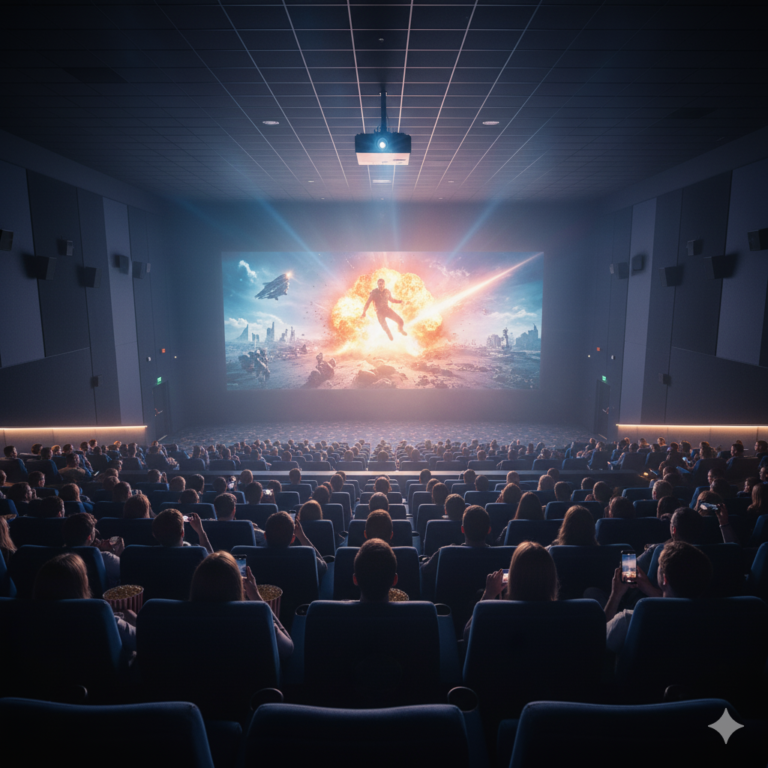
The debate over Avatar IMAX vs standard ticket price has become increasingly relevant as premium format screenings continue to dominate the theatrical landscape. When James Cameron’s Avatar: The Way of Water premiered in December 2022, audiences faced a significant decision: pay the standard admission price or invest substantially more for the IMAX experience. This pricing gap, often ranging from $8 to $15 depending on location, represents one of the most significant cost considerations moviegoers face when choosing how to experience visually spectacular films. Understanding the price differential between IMAX and standard screenings matters because it directly impacts household entertainment budgets, particularly for families or frequent moviegoers.
A single IMAX screening for a family of four can easily exceed $80-100 in major metropolitan areas, while a standard showing might cost half that amount. The Avatar franchise specifically raises these questions because Cameron has consistently pushed the boundaries of filmmaking technology, designing his films to be experienced in the largest, most technically advanced formats available. For many viewers, this creates genuine uncertainty about whether the premium price translates to a proportionally enhanced viewing experience. By the end of this guide, readers will have a clear understanding of the specific cost differences between Avatar IMAX and standard ticket prices across various markets, the technical factors that justify the premium, and the tools needed to make an informed decision about which format delivers the best value for their personal preferences. The analysis covers real pricing data, technical specifications, and practical considerations that go beyond simple dollar comparisons.
What Is the Actual Price Difference Between Avatar IMAX and Standard Tickets?
The price gap between ticket-price/” title=”Avatar IMAX HFR Ticket Price”>avatar IMAX and standard format screenings varies considerably based on geographic location, theater chain, and specific IMAX technology deployed. In the United States, standard 2D screenings of Avatar films typically range from $10-16 at major chains like AMC, Regal, and Cinemark. IMAX 3D presentations, the format Cameron explicitly designed Avatar to showcase, command prices between $20-28 in the same markets. This translates to a premium of roughly 60-100% over standard admission, making it one of the steepest format upcharges in the industry. International pricing follows similar patterns with regional variations.
In the United Kingdom, standard tickets average £10-14, while IMAX screenings run £18-25. Australian audiences see AUD $22-28 for standard versus AUD $35-45 for IMAX. Major Asian markets like Japan and South Korea often feature even higher premiums, with IMAX tickets sometimes exceeding twice the standard price. These global variations reflect local market conditions, currency fluctuations, and the relative scarcity of premium format screens in certain regions. Several factors compound the base ticket price difference:.
- 3D surcharges add $3-5 on top of both standard and IMAX base prices
- Premium seating tiers within IMAX auditoriums can add another $2-6
- Peak timing surcharges for weekend evenings and opening weekends increase costs across all formats
- Location-based pricing means urban theaters in cities like New York, Los Angeles, or London charge 20-40% more than suburban or rural locations for identical formats
Technical Specifications That Justify IMAX Premium Pricing for Avatar
The technical gap between IMAX and standard projection systems provides the foundational justification for premium pricing, and the Avatar films were engineered to exploit these differences more than perhaps any other franchise. True IMAX presentations use dual 4K laser projection systems capable of producing 1.43:1 aspect ratio images on screens measuring 70-100 feet in height. Standard digital projection, by contrast, typically employs single 2K or 4K projectors displaying 1.85:1 or 2.39:1 aspect ratios on screens rarely exceeding 40 feet. James Cameron shot significant portions of both Avatar and Avatar: The way of Water using proprietary camera systems specifically designed for IMAX presentation.
The Way of Water features sequences filmed in IMAX-native 3D at 48 frames per second, a technical achievement that requires IMAX’s specialized projection infrastructure to display properly. Standard theaters must downscale this footage, reducing resolution by approximately 40% and cropping the frame to fit conventional aspect ratios. The underwater sequences that comprise much of the sequel’s runtime lose substantial visual information when presented outside the IMAX ecosystem. The audio differential further justifies the pricing gap:.
- IMAX sound systems deliver 12-channel audio with calibrated speakers positioned throughout the auditorium
- Standard theaters typically feature 5.1 or 7.1 surround configurations with less precise calibration
- IMAX’s proprietary DMR (Digital Re-mastering) process enhances both audio and visual elements specifically for each film
- The immersive audio design of Avatar relies heavily on spatial positioning that standard systems cannot fully reproduce
Avatar IMAX vs Standard Ticket Prices
| Standard 2D | 12 $ | |
| Standard 3D | 16 $ | |
| IMAX 2D | 19 $ | |
| IMAX 3D | 24 $ | |
| IMAX 3D Premium | 30 $ |
Source: National Association of Theatres
How IMAX Laser Compares to IMAX Digital for Avatar Screenings
Not all IMAX screens deliver equivalent experiences, creating an additional layer of complexity for consumers evaluating Avatar IMAX vs standard ticket prices. IMAX Laser represents the company’s flagship technology, featuring dual 4K laser projectors capable of displaying the full 1.43:1 aspect ratio with expanded color gamut and contrast ratios exceeding 10,000:1. These installations exist in purpose-built IMAX theaters with screens typically measuring 70 feet or larger and are sometimes designated as “IMAX with Laser” or “IMAX GT” in marketing materials.
IMAX Digital, the more common installation found in multiplex conversions, use single xenon lamp or single laser projectors displaying a 1.90:1 aspect ratio on screens averaging 40-60 feet. While still superior to standard projection, these systems cannot display the full IMAX frame and produce notably less brightness and contrast than their laser counterparts. The pricing between these two IMAX variants often differs by only $2-4, yet the technical gap is substantial enough that informed consumers should consider it when evaluating value. For Avatar specifically, the distinction matters enormously:.
- Full IMAX Laser screens display 26% more image area than IMAX Digital
- The Way of Water’s high frame rate sequences play at native 48fps on Laser systems versus 24fps on most Digital installations
- Color reproduction in Pandora’s bioluminescent environments requires the expanded color gamut that only Laser systems provide
- True IMAX 3D brightness measures approximately 14 foot-lamberts compared to 4-6 foot-lamberts on standard 3D systems
Is the Avatar IMAX Experience Worth the Higher Ticket Price?
Determining whether Avatar IMAX ticket prices represent good value requires examining what aspects of film viewing matter most to individual audience members. For viewers who prioritize visual spectacle and immersion, the IMAX format delivers measurably superior results that justify the premium. The expanded frame, enhanced resolution, and improved 3D depth perception create a at its core different viewing experience that cannot be replicated in standard formats. Cameron’s careful attention to detail rewards audiences who pay for the format he intended.
Budget-conscious moviegoers can legitimately question whether the incremental improvement justifies paying 60-100% more per ticket. A family of four attending a standard showing might spend $50-60, while the same group in IMAX could easily exceed $100 before concessions. For that differential, the family could attend two standard screenings or allocate funds toward other entertainment options. The calculus changes for solo viewers or couples, where the absolute dollar difference remains more manageable and the percentage premium becomes the primary consideration. Several factors should inform the value assessment:.
- First-time viewings of Avatar benefit most from IMAX presentation, as the novelty and scale maximize impact
- Repeat viewings may not require IMAX investment if the viewer has already experienced the premium format
- Seat selection matters enormously in IMAX theaters, where optimal positions occupy approximately 30-40% of available seating
- Matinee and weekday showings reduce the absolute price gap while maintaining the format advantages
Common Pricing Mistakes When Booking Avatar IMAX Tickets
Theater chains have implemented pricing structures that can confuse or mislead consumers attempting to compare Avatar IMAX vs standard ticket costs. Dynamic pricing algorithms now adjust ticket costs based on demand, screening time, seat location, and historical sales data. A Tuesday matinee IMAX showing might cost less than a Saturday evening standard screening in some markets, inverting the typical price relationship and complicating straightforward comparisons.
Third-party ticketing platforms add service fees that vary significantly between providers, sometimes obscuring the true cost differential between formats. Fandango, Atom Tickets, and theater-specific apps each structure their fees differently, with some charging percentage-based fees that amplify IMAX premiums and others applying flat fees that relatively discount premium formats. Purchasing directly through theater chain websites or apps typically minimizes these additional costs, though membership programs introduce their own complexity. Subscription programs complicate the pricing picture further:.
- AMC Stubs A-List includes IMAX at no additional surcharge for up to three movies weekly at $24-40 monthly
- Regal Unlimited adds IMAX screenings for a $6-8 surcharge per ticket
- Cinemark Movie Club provides $1.50 discounts on premium formats but does not eliminate upcharges entirely
- Independent theaters and regional chains offer varied loyalty programs that may or may not include format discounts
Regional Variations in Avatar IMAX and Standard Ticket Pricing
Geographic location represents one of the most significant variables in Avatar IMAX vs standard ticket price analysis. Manhattan theaters routinely charge $28-32 for IMAX 3D screenings, while theaters in suburban New Jersey or Connecticut show the same films in IMAX for $22-26. This 20-30% regional variation within a single metropolitan area demonstrates that consumers willing to travel modest distances can achieve substantial savings while maintaining format quality.
International travelers encounter even wider disparities, creating opportunities for budget-conscious film enthusiasts. IMAX screenings in Southeast Asian countries like Thailand, Malaysia, or the Philippines often cost USD $8-12 equivalent, approximately 60% less than American prices for identical technology and presentation quality. European pricing occupies a middle ground, with Eastern European markets offering significant discounts compared to Western European capitals.
How to Prepare
- **Research available IMAX formats in your area** by visiting the official IMAX website’s theater locator, which distinguishes between IMAX Laser, IMAX Digital, and IMAX with Laser installations. Note which theaters operate full-size versus retrofitted IMAX screens, as this significantly impacts the viewing experience despite similar pricing.
- **Compare pricing across multiple platforms** including the theater’s official website, Fandango, Atom Tickets, and any regional booking services. Document the base ticket price plus all fees for both IMAX and standard showings to determine the true cost differential rather than relying on advertised prices.
- **Evaluate subscription program eligibility** by calculating your expected annual movie attendance and comparing membership costs against pay-per-ticket expenses. For viewers planning to see multiple films in IMAX annually, programs like AMC A-List often provide substantial net savings despite monthly fees.
- **Check screening schedules for pricing variations** as many theaters offer discounted pricing for early shows, weekday screenings, or designated discount days. An IMAX matinee might cost less than a standard evening showing, eliminating or reducing the format premium entirely.
- **Review seat maps before purchasing** to understand which seats in the IMAX auditorium offer optimal viewing angles. The additional cost of IMAX proves less valuable if only suboptimal seating remains available, as poorly positioned seats can negate many of the format’s technical advantages.
How to Apply This
- **Select your preferred showing time** based on budget constraints and schedule flexibility, prioritizing off-peak times when the absolute price for IMAX screenings drops closest to standard pricing levels.
- **Book tickets directly through theater websites or apps** to minimize third-party fees and maximize any loyalty program benefits, applying available rewards points or member discounts to further reduce the format premium.
- **Arrive early enough to claim optimal seating** if general admission applies, or select center-auditorium seats in approximately the middle third of rows if reserved seating is available, as these positions maximize the IMAX visual and audio experience that justifies the price premium.
- **Adjust future viewing decisions based on experience** by honestly evaluating whether the IMAX presentation delivered value proportional to the price premium for your personal preferences, using this assessment to inform subsequent format choices for future films.
Expert Tips
- **Prioritize true IMAX Laser venues** over IMAX Digital conversions when the price difference between these sub-formats is minimal, as the technical gap far exceeds the typical $2-4 price variation.
- **Consider the specific film’s IMAX optimization** before committing to premium pricing, as films shot specifically for IMAX like Avatar deliver substantially greater format benefits than post-converted releases.
- **Avoid opening weekend IMAX screenings** if budget is a concern, as dynamic pricing typically peaks during premiere weekends and decreases 20-30% within two to three weeks while presentation quality remains identical.
- **Purchase subscription memberships strategically** by activating them immediately before periods of concentrated moviegoing, such as summer blockbuster season or winter award releases, to maximize value during the subscription period.
- **Check for private screening deals** at some theater chains that allow groups to book entire IMAX auditoriums at flat rates that, when divided among attendees, can reduce per-person costs below standard individual ticket prices.
Frequently Asked Questions
How long does it typically take to see results?
Results vary depending on individual circumstances, but most people begin to see meaningful progress within 4-8 weeks of consistent effort.
Is this approach suitable for beginners?
Yes, this approach works well for beginners when implemented gradually. Starting with the fundamentals leads to better long-term results.
What are the most common mistakes to avoid?
The most common mistakes include rushing the process, skipping foundational steps, and failing to track progress.
How can I measure my progress effectively?
Set specific, measurable goals at the outset and track relevant metrics regularly. Keep a journal to document your journey.