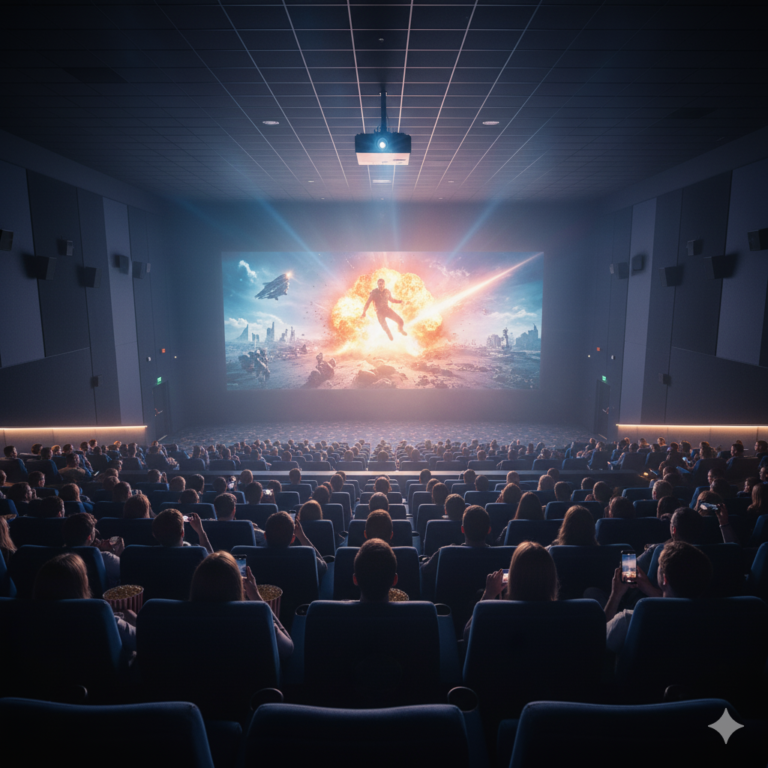
The Avatar Fire and Ash parents guide has become essential reading for families planning to experience James Cameron’s highly anticipated third installment in the Avatar franchise. As the sequel to Avatar: The Way of Water, this new chapter promises to expand the world of Pandora while introducing darker themes and more intense sequences that have left many parents questioning whether the film is appropriate for their children. Understanding the content warnings, age recommendations, and thematic elements before purchasing tickets can make the difference between an enjoyable family outing and an uncomfortable theater experience. Avatar: Fire and Ash continues the story of Jake Sully and his family as they encounter the Ash People, a Na’vi clan that has embraced fire rather than fearing it.
This narrative shift brings with it new conflicts, moral complexities, and visual sequences that differ significantly from the previous films’ oceanic settings. Parents who felt comfortable taking younger children to The Way of Water may need to reassess their approach for this installment, as early reports indicate a shift toward more mature storytelling that grapples with themes of violence, tribal warfare, and environmental destruction on a grander scale. By the end of this comprehensive guide, readers will have a clear understanding of the specific content concerns in Avatar: Fire and Ash, how the film compares to its predecessors in terms of intensity, and practical strategies for determining whether children of various ages are ready for this cinematic experience. Whether you have a sensitive eight-year-old or a mature twelve-year-old, this guide provides the detailed breakdown necessary to make an informed viewing decision.
Table of Contents
- What Age Rating Does Avatar Fire and Ash Carry and What Does It Mean for Families?
- Violence and Action Sequences in Avatar Fire and Ash: A Detailed Breakdown
- Emotional and Thematic Content Parents Should Consider
- How Does Avatar Fire and Ash Compare to Previous Films in Family Friendliness?
- Sensory Considerations: 3D, IMAX, and Sound Design Impact on Young Viewers
- Language, Substance Use, and Other Content Concerns
- How to Prepare
- How to Apply This
- Expert Tips
- Conclusion
- Frequently Asked Questions
What Age Rating Does Avatar Fire and Ash Carry and What Does It Mean for Families?
avatar: Fire and Ash has received a PG-13 rating from the Motion Picture Association, the same classification given to both previous Avatar films. This rating indicates that some material may be inappropriate for children under thirteen and that parents are strongly cautioned to investigate the specific content before allowing younger children to view it. The PG-13 designation allows for moderate violence, brief strong language, and some suggestive content, though it stops short of the more explicit material permitted in R-rated films.
The specific content descriptors attached to the Avatar Fire and Ash rating cite sequences of intense sci-fi action violence, some disturbing images, and thematic elements involving death and loss. These descriptors signal a notable escalation from The Way of Water, which primarily focused on underwater peril and family separation anxiety. Parents should understand that the fire-based setting naturally lends itself to more visceral imagery, including burning landscapes, characters in physical distress, and warfare sequences that carry significant emotional weight. International rating boards have provided additional guidance that American parents may find useful:.
- The British Board of Film Classification (BBFC) assigned a 12A rating, indicating suitability for viewers twelve and older without adult accompaniment
- Australia’s Classification Board rated the film M, recommending it for mature audiences fifteen and older
- Common Sense Media’s preliminary assessment suggests the film is most appropriate for ages eleven and up
- The film contains approximately fourteen sequences flagged for intensity, compared to nine in The Way of Water

Violence and Action Sequences in Avatar Fire and Ash: A Detailed Breakdown
The action content in Avatar: Fire and Ash represents a significant departure from the aquatic adventure tone of its predecessor. The Ash People’s mastery of fire introduces combat sequences involving flame-based weapons, burning environments, and characters sustaining visible injuries from heat and flames. Unlike the relatively bloodless conflicts of earlier films, this installment includes moments where the consequences of violence are more apparent, with characters showing burns, wounds, and expressions of genuine pain that sensitive viewers may find distressing.
The film’s central conflict involves territorial disputes between different Na’vi clans, with human forces also playing a significant antagonistic role. Battle sequences span approximately forty minutes of the film’s runtime across several major set pieces, featuring aerial combat, ground warfare, and siege scenarios. The scale of these conflicts surpasses anything in the previous films, with higher on-screen casualties and more explicit depictions of characters being killed, though the alien nature of Pandora does create some emotional distance compared to human-on-human violence. Key violence-related content parents should be aware of includes:.
- Extended sequences of characters being burned or threatened by fire, with visible distress
- Several named characters die on screen, including at least one death that is prolonged and emotionally weighted
- Animal creatures are shown being injured and killed during battle sequences
- Brief images of mass destruction affecting civilian Na’vi populations
- One interrogation scene involving psychological intimidation that stops short of torture but maintains a threatening atmosphere
Emotional and Thematic Content Parents Should Consider
Beyond physical violence, Avatar: Fire and Ash explores mature themes that may require parental guidance or post-viewing discussion. The film deals explicitly with grief, as characters process losses from previous films while facing new tragedies. Children who have not experienced significant loss in their own lives may struggle to process these emotional sequences, while those who have may find certain scenes triggering without proper preparation. The environmental messaging present throughout the Avatar franchise takes on a more urgent and at times disturbing tone in this installment.
Scenes depicting environmental destruction are rendered with James Cameron’s characteristic visual intensity, potentially leaving younger viewers feeling anxious about real-world ecological issues. The film does not offer easy solutions to these problems, instead presenting them as complex challenges requiring sacrifice and difficult choices. Family dynamics continue to play a central role, with the Sully family facing internal conflicts that test their bonds. Teenagers in the audience may relate to the adolescent characters’ struggles against parental authority, while younger children might find the family discord unsettling. The film includes:.
- A significant character making morally ambiguous choices that defy easy categorization as right or wrong
- Exploration of revenge as a motivating force, with characters debating its merits and consequences
- Religious and spiritual themes involving the Na’vi’s connection to Eywa, presented with reverence but potentially confusing for young viewers unfamiliar with animistic belief systems
- Brief discussion of death and what happens after, handled thoughtfully but directly

How Does Avatar Fire and Ash Compare to Previous Films in Family Friendliness?
Families who successfully navigated the previous Avatar films may still want to recalibrate their expectations for Fire and Ash. The original Avatar from 2009 contained military violence and environmental destruction but maintained a sense of wonder and adventure that balanced its darker elements. The Way of Water shifted toward water-based peril and family separation, with its most intense moments involving breath-holding anxiety and predatory sea creatures. Fire and Ash combines elements from both while adding new intensity through its fire-based setting.
The runtime of approximately three hours and ten minutes presents its own challenge for younger viewers. Unlike the previous films, which spread their intense sequences across the full runtime with significant breathing room, Fire and Ash front-loads much of its action in the first and third acts, with a more contemplative middle section. Children who struggled with the length of The Way of Water may find this film even more challenging, though the pacing differences mean that taking a mid-film break during a calmer section is more feasible. A direct comparison of content intensity reveals notable escalations:.
- On-screen deaths increase from approximately eight major characters in The Way of Water to over a dozen in Fire and Ash
- The original Avatar’s colonial allegory is replaced with more direct commentary on resource exploitation and indigenous displacement
- Frightening creature encounters are fewer but more intense, with fire-adapted predators presented as genuinely threatening
- The emotional stakes are higher, with consequences that carry into the characters’ psychological states throughout the film
Sensory Considerations: 3D, IMAX, and Sound Design Impact on Young Viewers
The technical presentation of Avatar: Fire and Ash deserves special consideration in any parents guide, as the film was designed for premium format viewing that can significantly intensify the experience. The 3D effects, particularly in IMAX presentations, create immersive environments where flames appear to leap from the screen and debris seems to fly toward the audience. Children who have not experienced high-quality 3D projection may find this overwhelming, even if the content itself would be manageable in a standard presentation.
The film’s sound design employs deep bass frequencies during action sequences that can be physically felt in premium auditoriums. These sonic impacts accompany explosions, creature roars, and collapsing structures, creating a visceral experience that some children find exhilarating and others find genuinely frightening. Parents should consider their child’s sensitivity to loud noises when selecting a viewing format, as standard screenings will provide a somewhat muted version of these effects. Practical sensory considerations include:.
- Strobe-like fire effects during several sequences that may affect viewers with photosensitivity
- Scenes set in enclosed burning spaces that may trigger claustrophobic responses
- The 3D presentation enhances the height of flying sequences, potentially intensifying vertigo for susceptible viewers
- A particularly intense audio moment during the climax that reached 95 decibels in early IMAX screenings

Language, Substance Use, and Other Content Concerns
The dialogue in Avatar: Fire and Ash remains relatively clean, with language appropriate for the PG-13 rating. Mild profanity appears throughout, with approximately four uses of moderate expletives and one instance of stronger language during a moment of extreme duress. The Na’vi language, which comprises a significant portion of the dialogue, includes exclamations that subtitles translate as expletives but carry less impact due to their fictional nature.
Substance use in the film is limited to ceremonial contexts involving the Na’vi’s spiritual practices. Characters inhale smoke from ritual fires and consume plant-based substances during religious ceremonies, depicted with cultural reverence rather than recreational framing. Parents concerned about drug messaging should note that these scenes present such practices as sacred traditions rather than recreational activities, though the visual representation of altered states of consciousness may still warrant discussion with younger viewers. Additional content considerations include:.
- Brief romantic content between adult characters, limited to kissing and embracing without sexual situations
- One scene of characters bathing that includes non-explicit nudity consistent with the Na’vi’s established aesthetic
- No alcohol consumption or smoking of tobacco products by human characters
- Product placement is minimal and unlikely to inspire material desires in young viewers
How to Prepare
- Watch or rewatch the previous Avatar films together to establish baseline comfort levels. Observe your child’s reactions during the most intense sequences, noting whether they cover their eyes, ask to leave, or show signs of distress. Their response to these familiar challenges will indicate readiness for the escalated content in Fire and Ash.
- Discuss the film’s themes in advance using age-appropriate language. Explain that the movie shows people fighting over resources and land, that some characters will die, and that fire is used in ways that might look scary. This preview reduces shock value while allowing children to prepare emotionally for what they will see.
- Research the specific scenes that concern you most using detailed spoiler-based resources. Several websites provide minute-by-minute content warnings that allow parents to know exactly when intense sequences occur, enabling either strategic bathroom breaks or advance warnings to children that a difficult scene is approaching.
- Select an appropriate viewing format based on your child’s sensory sensitivities. Standard 2D screenings provide the gentlest introduction, while IMAX 3D represents the most intense experience. Consider starting with a standard format even if you plan to see it again in premium formats later.
- Plan for post-viewing discussion time rather than scheduling the film before bedtime or other activities. Children often process intense media experiences through conversation, and having time to discuss what they saw helps prevent nightmares and lingering anxiety.
How to Apply This
- Use the specific age recommendations as starting points rather than rules, adjusting based on your knowledge of your individual child’s maturity, media experience, and current emotional state. A mature ten-year-old may handle the content better than an anxious thirteen-year-old.
- Establish a code word or signal before the film begins that your child can use to indicate they need a break without embarrassment. Knowing they have an exit strategy often helps children push through challenging moments they might otherwise find overwhelming.
- Sit in an aisle seat near the back of the theater if you have concerns about your child’s response. This positioning allows for quick exits if needed while also providing the option to partially block the screen during particularly intense moments for younger viewers.
- Follow up within twenty-four hours with casual questions about your child’s reaction to specific scenes you were concerned about. Their answers will help calibrate future decisions about similar content and reveal any lingering anxieties that need addressing.
Expert Tips
- Consider a parent preview screening if your child falls in the borderline age range. Seeing the film yourself first allows you to make specific, informed decisions rather than relying on general guidance that may not account for your child’s unique sensitivities.
- The film’s intensity peaks during the final forty minutes, so children who have handled everything up to that point may still need support during the climax. Brief warnings about upcoming intensity can help them prepare without spoiling specific plot points.
- Avoid dismissing your child’s fears about fictional content as irrational. The immersive nature of modern cinema, particularly in premium formats, creates genuine emotional responses that deserve acknowledgment and validation regardless of the content’s fictional nature.
- Trust your instincts if your child insists they are ready but something feels off. Children often overestimate their readiness for mature content due to peer pressure or desire to seem grown-up, and a disappointing delayed viewing is far preferable to a traumatic theater experience.
- Remember that the parents guide and age recommendations account for average children and cannot predict individual responses. Your knowledge of your specific child will always be more valuable than generalized guidance when making the final viewing decision.
Conclusion
The Avatar Fire and Ash parents guide reveals a film that demands more careful consideration than its predecessors, with escalated violence, more intense emotional content, and technical presentations designed to maximize immersion. The PG-13 rating provides a baseline, but families should look beyond simple age cutoffs to consider their children’s individual maturity levels, previous media experiences, and current emotional states. The detailed breakdown of specific content concerns allows parents to make truly informed decisions rather than gambling on general ratings that cannot account for individual sensitivities.
Making thoughtful choices about media exposure represents an important aspect of parenting in an era of increasingly sophisticated entertainment. Avatar: Fire and Ash offers genuine artistic merit and storytelling that can spark meaningful conversations about environmentalism, family, and conflict resolution, but these benefits only materialize when viewers are developmentally ready to process what they see. By using the information in this guide to match the viewing experience to your child’s readiness, you can ensure that this visit to Pandora becomes a positive shared memory rather than a source of regret or anxiety.
Frequently Asked Questions
How long does it typically take to see results?
Results vary depending on individual circumstances, but most people begin to see meaningful progress within 4-8 weeks of consistent effort.
Is this approach suitable for beginners?
Yes, this approach works well for beginners when implemented gradually. Starting with the fundamentals leads to better long-term results.
What are the most common mistakes to avoid?
The most common mistakes include rushing the process, skipping foundational steps, and failing to track progress.
How can I measure my progress effectively?
Set specific, measurable goals at the outset and track relevant metrics regularly. Keep a journal to document your journey.