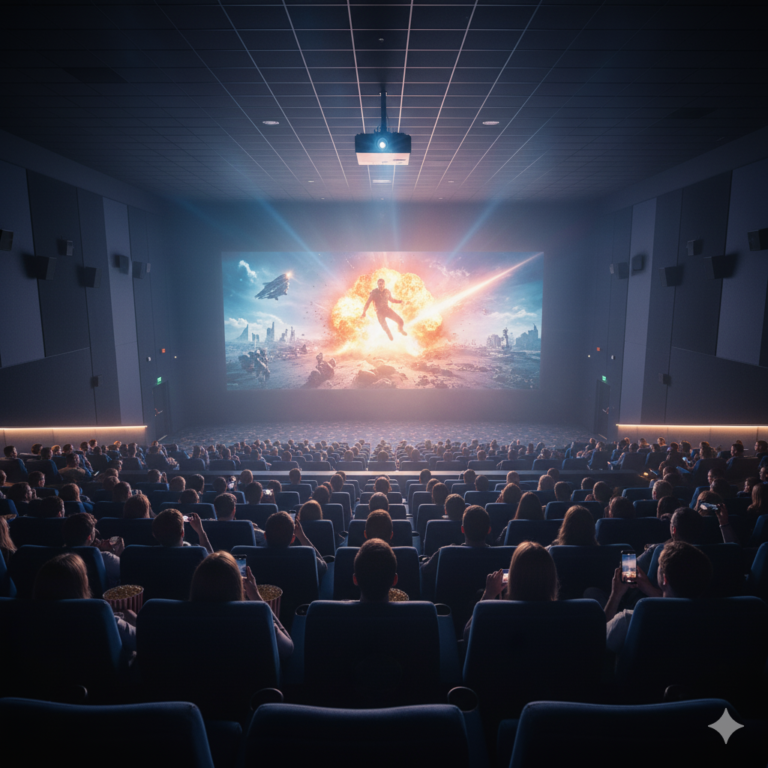
The Avatar Fire and Ash parents guide has become essential reading for families anticipating the third installment in James Cameron’s major film series. As the Avatar franchise continues to push the boundaries of visual storytelling and immersive cinema, parents face the challenge of determining whether the content is appropriate for their children. This particular entry in the saga promises to explore darker themes and more intense action sequences than its predecessors, making parental guidance more critical than ever. Understanding the violence level and mature content in Avatar Fire and Ash matters because the franchise has historically attracted viewers of all ages with its stunning visuals and environmental themes.
However, the series has progressively intensified its depictions of conflict, warfare, and emotional trauma. Parents need concrete information about what their children will encounter on screen, from battle sequences and creature attacks to thematic elements dealing with loss, revenge, and the consequences of colonialism. Without accurate guidance, families risk either exposing young viewers to content they are not ready for or unnecessarily restricting access to a meaningful cinematic experience. By the end of this comprehensive guide, readers will have a thorough understanding of the specific violent content in Avatar Fire and Ash, how it compares to previous films in the franchise, age-appropriate viewing recommendations, and strategies for discussing difficult themes with children. This analysis draws from official ratings information, detailed content breakdowns, and established parental guidance frameworks to help families make informed decisions about whether this film aligns with their values and their children’s maturity levels.
Table of Contents
- Is Avatar Fire and Ash Appropriate for Children? A Complete Violence Breakdown
- Understanding the PG-13 Rating for Avatar Fire and Ash
- Specific Violent Scenes and Content Warnings in Fire and Ash
- Avatar Fire and Ash Age Recommendations by Maturity Level
- Comparing Violence Levels Across the Avatar Film Series
- Thematic Violence and Mature Concepts Beyond Physical Combat
- How to Prepare
- How to Apply This
- Expert Tips
- Frequently Asked Questions
Is Avatar Fire and Ash Appropriate for Children? A Complete Violence Breakdown
Avatar Fire and Ash carries a PG-13 rating from the Motion Picture Association, indicating that some material may be inappropriate for children under thirteen. This rating reflects the film‘s inclusion of intense sequences of sci-fi violence and action, some disturbing images, and thematic elements that deal with warfare and its aftermath. The rating places it in line with the previous Avatar films, though industry observers note that the intensity has increased with each installment. The violence in Avatar Fire and Ash manifests primarily through large-scale battle sequences between the Na’vi clans and human military forces.
These scenes feature explosions, gunfire, arrow combat, and hand-to-hand fighting. Unlike cartoonish action films, the violence here carries weight and consequence. Characters sustain visible injuries, express pain, and in some cases die on screen. The film does not shy away from depicting the emotional toll of combat, showing grief, trauma, and the physical aftermath of battles. While blood is present, it is typically blue (from Na’vi characters) and the camera does not linger gratuitously on wounds or deaths.
- **Combat frequency**: Major action sequences occur approximately every twenty to thirty minutes throughout the film’s runtime
- **Intensity level**: Battle scenes are immersive and loud, using the film’s advanced visual technology to place viewers in the middle of conflict
- **Emotional impact**: Deaths of sympathetic characters occur and are treated with dramatic weight rather than being glossed over
Understanding the PG-13 Rating for Avatar Fire and Ash
The PG-13 rating serves as a threshold indicator, suggesting that parents should exercise caution for children under thirteen. However, this rating encompasses a wide spectrum of content intensity. Some PG-13 films barely exceed the PG threshold, while others approach R-rated territory.
avatar Fire and Ash falls somewhere in the middle to upper range of PG-13 intensity, particularly regarding its action sequences and mature themes. The MPAA’s specific descriptors for the film include “intense sequences of sci-fi violence and action” and “some thematic elements.” These descriptors signal that while the violence does not include explicit gore or torture, it is sustained, impactful, and central to the narrative. The “thematic elements” notation acknowledges that the film deals with heavy subjects including colonialism, environmental destruction, cultural genocide, and the moral complexities of resistance and warfare. These themes may prompt difficult questions from younger viewers.
- **Comparison to Avatar (2009)**: The original film featured significant battle violence but maintained a more adventure-oriented tone
- **Comparison to The Way of Water (2022)**: The second film increased emotional stakes with family-centered peril and more intense underwater action sequences
- **Fire and Ash escalation**: This third installment reportedly features the most sustained combat sequences and highest body count of the trilogy thus far
Specific Violent Scenes and Content Warnings in Fire and Ash
Parents seeking specific content warnings should note several categories of potentially disturbing material. The film contains multiple scenes of aerial and ground combat where characters are shot, stabbed, or killed by explosions. While the film avoids explicit gore, the deaths are clearly depicted and sometimes occur to characters the audience has grown attached to throughout the franchise. The emotional weight of these moments can be more disturbing than graphic violence in other films.
Creature violence also features prominently, as the Pandoran ecosystem includes predatory animals and dangerous environments. Scenes involving creature attacks may frighten younger viewers, particularly given the immersive 3D presentation that makes threats feel more immediate. Additionally, the film depicts the destruction of sacred sites and cultural artifacts, which carries emotional violence even without physical combat. For sensitive viewers, watching beloved locations and traditions being destroyed can be deeply upsetting.
- **Character deaths**: Several named characters die during the film, including some who have appeared in previous installments
- **Peril to children**: Young Na’vi characters face dangerous situations, which may heighten anxiety for parent viewers and children alike
- **Psychological intensity**: Scenes depicting trauma responses, grief, and moral conflict add layers of intensity beyond physical violence
Avatar Fire and Ash Age Recommendations by Maturity Level
Rather than applying a single age cutoff, parents should consider their individual child’s maturity, sensitivity to violence, and ability to process complex themes. Children who handle intense action films well and can distinguish fantasy violence from reality may be ready at ages ten to twelve with parental accompaniment. More sensitive children, or those prone to nightmares or anxiety after scary movies, might benefit from waiting until their mid-teens.
For children under ten, the film’s length (approximately three hours), intensity, and complex moral landscape present significant challenges. Even if a child can handle the violence itself, they may struggle with the narrative pacing or miss important thematic context. Parents of children in this age group should strongly consider previewing the film first or consulting detailed scene-by-scene breakdowns before deciding.
- **Ages 6-9**: Generally not recommended due to intensity, length, and thematic complexity
- **Ages 10-12**: Appropriate for mature viewers with parental guidance and pre-viewing discussion
- **Ages 13-15**: Appropriate for most viewers, though sensitive teens may still benefit from parental conversation
- **Ages 16+**: Appropriate for general viewing without significant concerns
Comparing Violence Levels Across the Avatar Film Series
The Avatar franchise has demonstrated a pattern of escalating intensity with each installment. The original 2009 film established the world and conflict with a climactic battle that, while spectacular, occupied a relatively small portion of the runtime. The Way of Water expanded the scope of danger by placing the Sully family in jeopardy and featuring more personal, emotionally charged violence including the hunting of whale-like creatures and sustained pursuit sequences.
Fire and Ash continues this trajectory by depicting what amounts to open warfare across multiple fronts. The scale of conflict has expanded from skirmishes to full military campaigns. This escalation serves the narrative’s themes about the mounting costs of resistance and colonialism, but it also means parents who found previous films acceptable should not assume the same standard applies. Each sequel has pushed the boundaries of its PG-13 rating further, and Fire and Ash represents the most intense entry to date.
- **Body count comparison**: Fire and Ash features significantly more on-screen deaths than either predecessor
- **Emotional stakes**: The film raises stakes by placing established beloved characters in mortal danger throughout
- **Visual intensity**: Advanced filming technology makes action sequences more immersive and potentially overwhelming

Thematic Violence and Mature Concepts Beyond Physical Combat
Beyond physical violence, Avatar Fire and Ash contains thematic content that warrants parental awareness. The film explores concepts of genocide, forced displacement, and cultural destruction that parallel real-world historical atrocities. While these themes are handled thoughtfully, they may prompt difficult conversations or emotional responses from viewers of any age. The film does not present easy answers or clear moral victories, instead depicting the messy reality of prolonged conflict.
Revenge serves as a significant narrative driver, with characters grappling with the desire for vengeance against those who have harmed their families and communities. The film examines both the appeal and the costs of revenge, showing how cycles of violence perpetuate suffering. Parents should be prepared for questions about justice, forgiveness, and when violence is or is not justified. These conversations can be valuable for older children and teens but may overwhelm younger viewers.
How to Prepare
- **Watch the previous films together first** to establish familiarity with characters, the world, and the franchise’s approach to conflict. This provides context that makes the new film more comprehensible and allows parents to gauge their child’s response to Avatar-style violence in a home environment where viewing can be paused or stopped if needed.
- **Research specific content warnings** using detailed parental guides from sources like Common Sense Media, IMDb Parents Guide, or Kids-In-Mind. These resources provide scene-by-scene breakdowns that help parents anticipate what their children will see and prepare accordingly.
- **Discuss the difference between fantasy and reality** before the screening. Help children understand that the violence depicted is fictional, created with special effects, and that real conflict has different causes and consequences than what entertainment portrays.
- **Set expectations about the film’s length and intensity**. At approximately three hours, the film demands significant attention and endurance. Let children know that intense scenes will occur and establish a plan for what to do if they feel overwhelmed, whether that means closing eyes, leaving temporarily, or holding a parent’s hand.
- **Choose an appropriate viewing format**. The 3D IMAX presentation maximizes immersion but also maximizes intensity. A standard 2D screening may be more appropriate for children on the younger end of the appropriate age range or those with sensitivity to intense visuals.
How to Apply This
- **Start conversations before the credits roll** by asking children what they expect from the film and what they have heard from friends or marketing materials. This reveals preconceptions and allows parents to correct misinformation or set appropriate expectations.
- **Sit next to your child during the screening** so you can observe their reactions and provide comfort during intense moments. Physical proximity allows for reassuring touch or whispered check-ins without disrupting others.
- **Debrief immediately after viewing** while the experience is fresh. Ask open-ended questions about what they thought, what surprised them, what scared them, and what they would want to talk about more.
- **Follow up in subsequent days** as children may process their experience over time. Dreams, questions, or references to the film in the days following indicate ongoing processing that parents can support through continued conversation.
Expert Tips
- **Trust your knowledge of your child over general age recommendations**. Parents who know their children well are better equipped to judge readiness than any rating system or guideline. A mature ten-year-old may handle the content better than a sensitive fourteen-year-old.
- **Do not dismiss fears or reactions as silly**. If a child is frightened or disturbed by content, validate their feelings rather than minimizing them. Saying “it’s just a movie” dismisses real emotional experiences and discourages future communication.
- **Use the film as an educational opportunity**. The themes of colonialism, environmental destruction, and cultural preservation connect to real historical and current events. Older children and teens can benefit from exploring these parallels.
- **Consider a second viewing for full comprehension**. Dense narratives and sensory-heavy action sequences can overwhelm on first viewing. A second watch, particularly at home where pausing is possible, often reveals details and themes missed initially.
- **Model healthy media consumption**. Share your own reactions to the film, including moments that moved or disturbed you. This demonstrates that thoughtful engagement with media is a lifelong practice, not just something children do.
Frequently Asked Questions
How long does it typically take to see results?
Results vary depending on individual circumstances, but most people begin to see meaningful progress within 4-8 weeks of consistent effort.
Is this approach suitable for beginners?
Yes, this approach works well for beginners when implemented gradually. Starting with the fundamentals leads to better long-term results.
What are the most common mistakes to avoid?
The most common mistakes include rushing the process, skipping foundational steps, and failing to track progress.
How can I measure my progress effectively?
Set specific, measurable goals at the outset and track relevant metrics regularly. Keep a journal to document your journey.