Avatar: Fire and Ash uses cutting-edge CGI to make its Na’vi characters and fiery Pandora world feel completely real. The key is performance capture, where actors wear suits with sensors to record every move and expression before adding digital effects. Check out this behind-the-scenes video for side-by-side examples: https://www.youtube.com/watch?v=wfeDWgEBif8[1].
Actors like Oona Chaplin, who plays the fierce Varang of the Fire Clan or Ash People, perform in a special studio called a volume. This space is packed with cameras that track body joints, spine, legs, and posture. Head-mounted cameras sit inches from their faces to catch tiny details like lip tension, eye focus, eyebrow shifts, and cheek motions. This data turns into CGI Na’vi that look and feel human, not cartoonish. See how it works in this making-of clip: https://www.youtube.com/watch?v=EpsiSc-IT4A[2].
To help actors stay real, the team builds practical props inside the volume. These include partial models of flying creatures, Pandora animals, vehicles, weapon handles, and platforms. Actors touch and balance on them, so their performances match the final scale. Advanced muscle simulation then adds realistic skin, eye focus, and power to characters like Varang during her fire dance or battles[2].
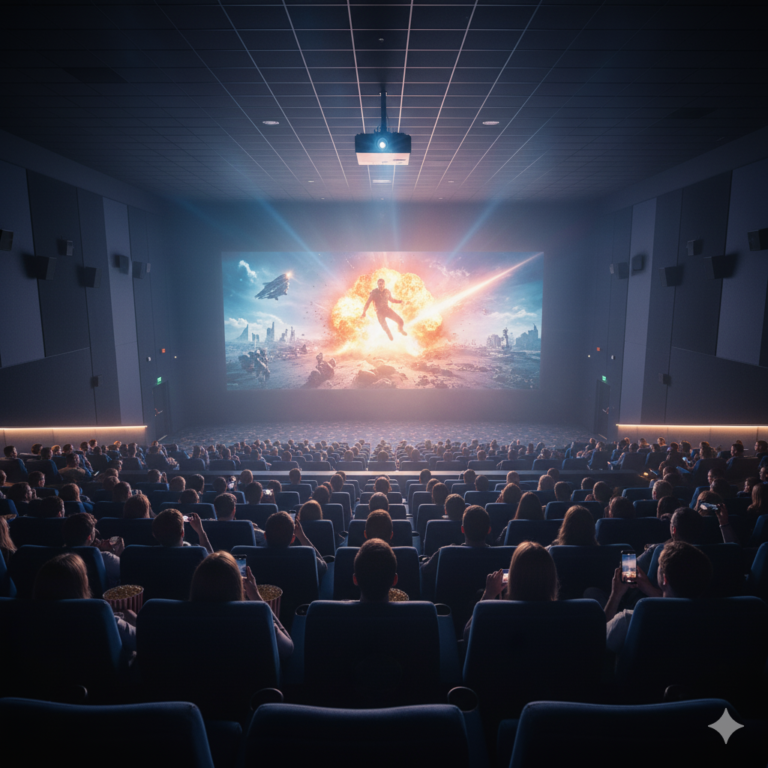
James Cameron designs the movie in native 3D from the start, not converted later. Virtual cameras and a refined VFX pipeline keep 100 percent of the actors’ emotions intact. Depth, scale, and movement get crafted shot by shot for theaters, where it shines best[1]. For 3D tech details, watch this explanation: https://www.youtube.com/watch?v=fXP939XsbO4[4].
Some scenes use high frame rates like 48 frames per second for smooth flying and lava action, while talks stay at 24 frames per second for a classic film look. This mix reduces brain strain in 3D by smoothing fast motion[3]. Performance capture has evolved since the first Avatar, with better tools for facial details and freer acting environments[5].
Fire Clan scenes add digital lava, ash, smoke, sparks, and embers synced to real motions, making assaults and fights feel alive[2]. Overall, the CGI blends real acting with digital worlds so well that the line vanishes[1][6].
Sources
https://www.youtube.com/watch?v=wfeDWgEBif8
https://www.youtube.com/watch?v=EpsiSc-IT4A
https://entertainment.slashdot.org/story/25/12/22/1927237/why-some-avatar-fire-and-ash-scenes-look-so-smooth-and-others-dont
https://www.youtube.com/watch?v=fXP939XsbO4
https://www.youtube.com/watch?v=_o2c3YusDOU
https://www.lvpnews.com/20260103/at-the-movies-avatar-fire-and-ash-a-deep-dive/
https://www.popmythology.com/avatar-fire-and-ash-is-too-much-movie/