Avatar Cinema Projector Frame Rate Explained
James Cameron’s Avatar movies push movie technology in new ways, especially with how fast images flash on cinema projectors. Frame rate means the number of still pictures shown every second to create smooth motion. Most movies run at 24 frames per second, or 24fps. This speed gives films their classic look with a bit of blur that feels dreamy and real at the same time. But Cameron mixes things up in Avatar: Fire and Ash, the third film, by using higher speeds in spots.
About 40 percent of the movie plays at 48fps, called high frame rate or HFR. This happens mostly in action scenes like flying or underwater parts. The other 60 percent, mainly talks between characters, stays at the usual 24fps. Why switch? Cameron says it makes fast action clearer and less blurry. In 3D, normal 24fps can tire your brain because your eyes work hard to blend the two images from each eye. He calls it brain strain from neurons handling quick jumps in the picture. At 48fps, motion looks super smooth, easing that strain.
Your eyes notice the change. People see between 30 and 60 frames per second, so the shift from 24fps to 48fps stands out. Smooth action scenes feel video-like, while dialog parts keep the movie feel. Cameron started this in the second film, Avatar: The Way of Water, and stuck with it. When people complained, he pointed to its huge box office success of 2.3 billion dollars as proof it works.
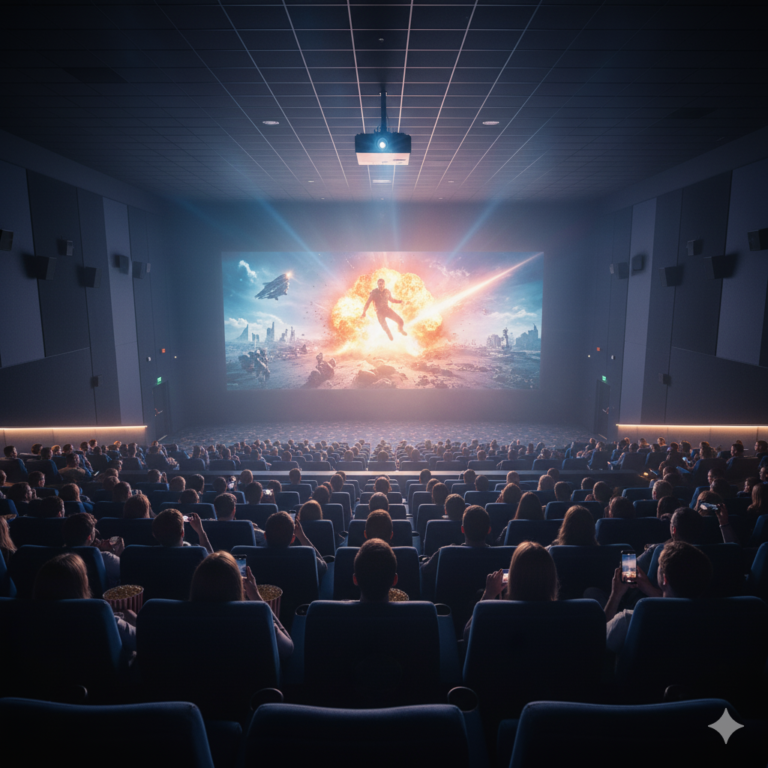
Cinema projectors handle this by switching speeds during the show. Theaters with special gear play the mixed rates without trouble. Not every screen does high frame rate in 3D, so some viewers miss the full effect. Cameron bets on it for better immersion in Pandora’s world.
Sources
https://www.flatpanelshd.com/news.php?subaction=showfull&id=1765869100
https://entertainment.slashdot.org/story/25/12/22/1927237/why-some-avatar-fire-and-ash-scenes-look-so-smooth-and-others-dont