Avatar CGI Viewer Perception Explained
When you watch the Avatar movies, especially in 3D, the CGI worlds of Pandora look very real. But how your eyes and brain handle all that computer-generated imagery makes a big difference in what you see and feel. Directors like James Cameron use special tricks with frame rates to control this.
Most movies run at 24 frames per second, or FPS. This gives that classic film look with a bit of blur between movements, which feels dreamy and immersive. In the Avatar films, like Fire and Ash, they switch things up. Some scenes jump to 48 FPS, called high frame rate or HFR. This makes motion super smooth, almost like real life. Your eyes notice because humans can pick up between 30 and 60 FPS. Check out more on this from https://www.gamesradar.com/entertainment/sci-fi-movies/avatar-smooth-frame-rate/.
Cameron picks HFR for action-packed parts, like flying through the sky or swimming underwater. It heightens the sense of being there, making the 3D pop without strain. He explains that in talky scenes with people just standing around, HFR creates too much hyper-realism. It can make faces and simple actions look odd, almost too sharp, breaking the movie magic. Sticking to 24 FPS keeps those moments feeling normal and cinematic. Details on Cameron’s choices are here: https://www.gamesradar.com/entertainment/sci-fi-movies/avatar-smooth-frame-rate/.
The 3D effect ties into this too. It’s not your eyes getting tired, says Cameron. It’s brain strain. Special brain cells handle depth perception through parallax, the way objects shift as your eyes move. At lower frame rates, edges can jump in 3D, confusing those cells. HFR smooths it out so your brain processes the scene easily. No more strobing or flicker that pulls you out of Pandora. He shared this in interviews about smoothing the 3D ride. See the full explanation at https://entertainment.slashdot.org/story/25/12/22/1927237/why-some-avatar-fire-and-ash-scenes-look-so-smooth-and-others-dont.
Not everyone loves it. Some viewers find the high FPS scenes too smooth, making CGI characters look cartoonish or fake. One person said the second Avatar felt artificial because of all the CGI, and they worry the third is the same. Shifts between frame rates can jar you if you’re sensitive. Cameron brushes off critics by pointing to the billions earned at the box office. Read viewer takes and more at https://entertainment.slashdot.org/story/25/12/22/1927237/why-some-avatar-fire-and-ash-scenes-look-so-smooth-and-others-dont.
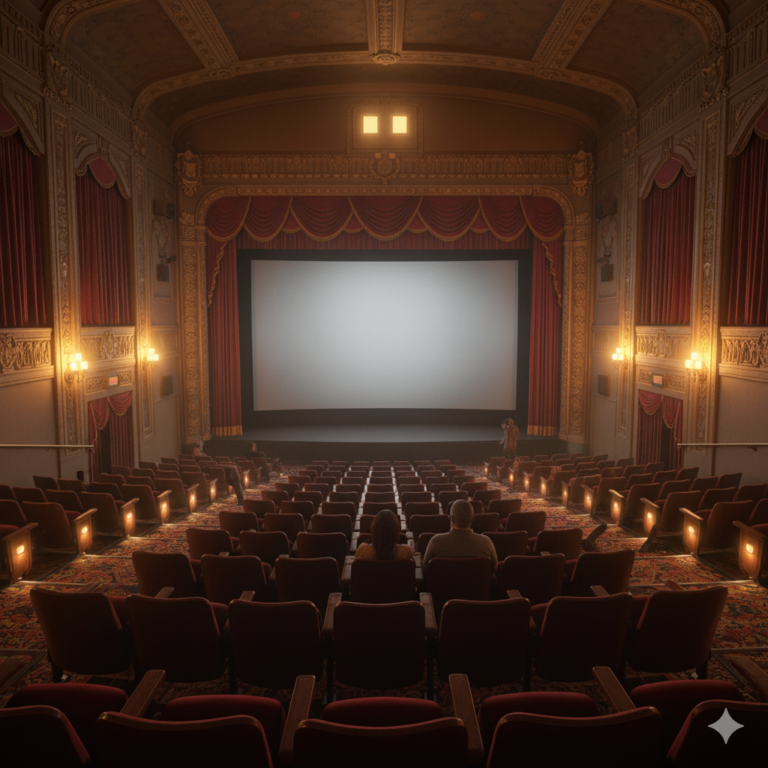
Theater viewing amps up the perception. Avatar pushes big-screen 3D glasses for the full impact. At home on a TV, the CGI loses some wow factor. It’s built for that immersive theater hit, where smooth HFR flying scenes and detailed Pandora forests feel alive. Without the huge screen and glasses, it does not stick the same way. Insights on theater magic come from https://www.statsignificant.com/p/does-avatar-have-no-cultural-footprint-a68 and https://theankler.com/p/the-strange-case-of-avatar-and-its.
In short, Avatar’s CGI perception comes down to frame rates, 3D brain processing, and the theater setup. Cameron mixes them to make epic scenes feel real and quiet ones feel like a movie.
Sources
https://www.gamesradar.com/entertainment/sci-fi-movies/avatar-smooth-frame-rate/
https://entertainment.slashdot.org/story/25/12/22/1927237/why-some-avatar-fire-and-ash-scenes-look-so-smooth-and-others-dont
https://www.statsignificant.com/p/does-avatar-have-no-cultural-footprint-a68
https://theankler.com/p/the-strange-case-of-avatar-and-its