Avatar CGI Stereoscopic 3D Explained
James Cameron’s Avatar movies stand out for their stunning use of computer-generated imagery, or CGI, combined with stereoscopic 3D. This tech makes Pandora’s world pop off the screen, blending live action, motion capture, and digital effects into something that feels real and immersive. For more on the latest camera system used in Avatar 3, check out this detailed breakdown from YMCinema: https://ymcinema.com/2025/12/28/sony-venice-rialto-stereoscopic-system-inside-the-camera-that-brought-avatar-3-to-life/.
Stereoscopic 3D works like human eyes. Each eye sees a flat 2D image, but they capture slightly different views. The brain merges them to create depth and a sense of space. In the Avatar films, filmmakers recreate this with two cameras side by side, filming the same scene from angles just inches apart, like our eyes. James Cameron explains this in a behind-the-scenes video, noting how the cameras must move and adjust dynamically to mimic natural focus. Watch his full talk here: https://www.youtube.com/watch?v=8PLHAcWiXr8.
For live action shots, early rigs were bulky, but the team refined them over time. They added beam splitters, which are mirrors that let two cameras overlap optically without blocking each other. Precision robotics make the cameras “breathe” and converge, or toe-in, like eyes crossing to focus on something close, such as a pencil held near your face. This setup powered Avatar: The Way of Water and Avatar: Fire and Ash, shot back-to-back using Sony’s VENICE Rialto system. It pairs two VENICE sensors as a stereo rig, capturing not just pixels but spatial data that VFX artists use to build CG worlds. Another video dives into Cameron’s 3D tech evolution: https://www.youtube.com/watch?v=fXP939XsbO4.
CGI takes it further. Every Na’vi character and Pandora landscape is built in 3D software, rendered with the same stereo principles. Actors wear suits dotted with markers for performance capture, or motion capture. Cameras record their movements on a soundstage, which computers translate into blue-skinned giants swimming or flying. Facial details get extra attention with dense controls, so animators refine expressions from limited data into lifelike ones. A deep look at Avatar’s original CGI breakthroughs is in this analysis video: https://www.youtube.com/watch?v=nBh5GSxks3U.
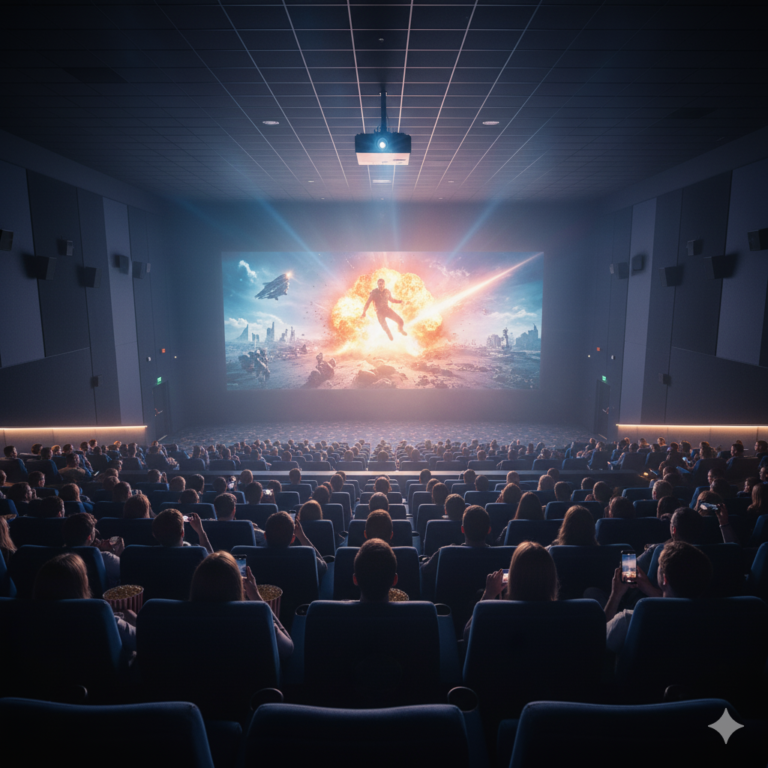
The result in theaters, especially IMAX 3D, is Pandora leaping toward you without feeling gimmicky. Depth stays natural, pulling viewers into the action rather than poking their eyes. For Avatar: Fire and Ash, this meant live plates as references layered under massive CG environments, all in true stereoscopic 3D. A recent review praises its IMAX 3D visuals: https://www.lvpnews.com/20260103/at-the-movies-avatar-fire-and-ash-a-deep-dive/.
Sources
https://ymcinema.com/2025/12/28/sony-venice-rialto-stereoscopic-system-inside-the-camera-that-brought-avatar-3-to-life/
https://www.youtube.com/watch?v=fXP939XsbO4
https://www.youtube.com/watch?v=nBh5GSxks3U
https://www.youtube.com/watch?v=8PLHAcWiXr8
https://www.lvpnews.com/20260103/at-the-movies-avatar-fire-and-ash-a-deep-dive/