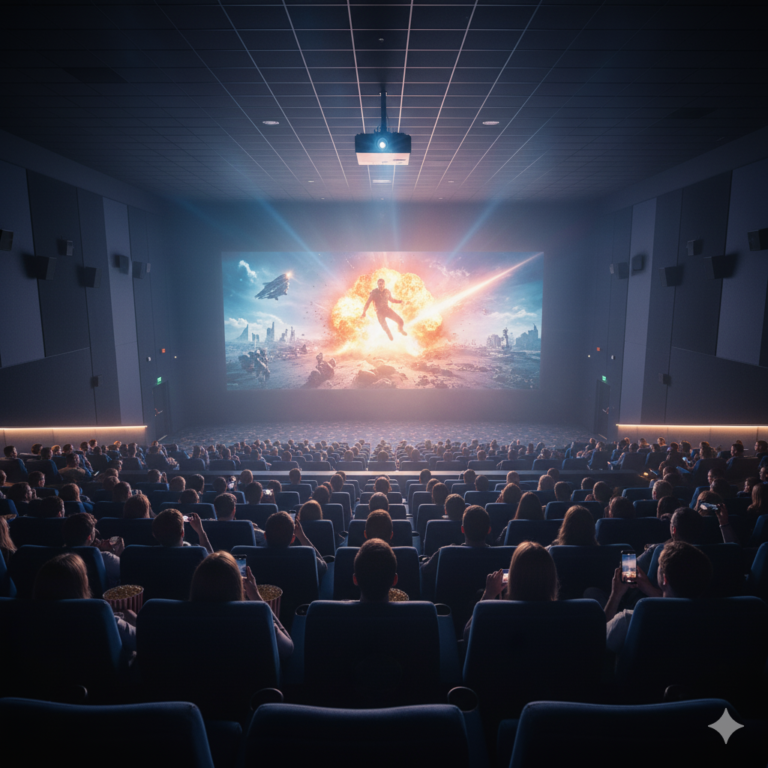
Avatar CGI Compared to Star Trek CGI
James Cameron’s Avatar movies set a new standard for computer-generated imagery with stunning, lifelike visuals that make Pandora feel like a real world you can step into. In contrast, Star Trek CGI, especially from the TV era like The Next Generation, often looks dated and basic by today’s standards, serving more as a functional tool than a visual marvel.
Avatar burst onto screens in 2009, revolutionizing CGI by creating fully digital characters and environments that blended seamlessly with live action. The forests of Pandora, glowing plants, and Na’vi people move with such realism that viewers feel like they’re peering through a window to another planet, thanks to advanced motion capture and 3D effectshttps://www.space.com/entertainment/space-movies-shows/why-are-the-avatar-movies-so-massive-their-success-seems-to-defy-conventional-logic. The sequel, Avatar: The Way of Water, pushed this further with underwater scenes where water, creatures, and characters interact in hyper-realistic ways, making Zoe Saldana’s performance as Neytiri emotionally connect despite her being all CGIhttps://comicbook.com/movies/list/every-james-cameron-movie-ranked-including-avatar-fire-and-ash/. Cameron built on his earlier work in films like The Abyss, where he first stretched CGI limits for alien effects, but Avatar took it to blockbuster heights with worlds that hold up years later.
Star Trek’s CGI journey started strong for its time but hasn’t aged as gracefully. In The Next Generation episode “Silicon Avatar,” the Crystalline Entity appears as a shimmering, geometric form that’s striking in structure but instantly feels old-fashioned, lacking the depth or personality of modern effectshttps://www.avclub.com/star-trek-the-next-generation-ensign-ro-silicon-av-1798167419. TV budgets back then meant simpler models and early CGI for ships and aliens, prioritizing story over spectacle. Later Star Trek films and shows improved with better tech, but they rarely match Avatar’s immersive scale—think blocky aliens or starfields that scream 1990s compared to Pandora’s fluid ecosystems.
The gap comes down to purpose and era. Avatar uses CGI to build entire believable planets and emotional characters, weaponizing 3D for theater magic that draws crowdshttps://www.space.com/entertainment/space-movies-shows/why-are-the-avatar-movies-so-massive-their-success-seems-to-defy-conventional-logic. Star Trek leaned on practical models early on, turning to CGI for efficiency in space battles, but it often feels like a tech demo rather than a living worldhttps://www.avclub.com/star-trek-the-next-generation-ensign-ro-silicon-av-1798167419. Both advanced the medium—Star Trek made sci-fi visuals routine on TV, while Avatar redefined cinematic immersion.
Sources
https://comicbook.com/movies/list/every-james-cameron-movie-ranked-including-avatar-fire-and-ash/
https://www.space.com/entertainment/space-movies-shows/why-are-the-avatar-movies-so-massive-their-success-seems-to-defy-conventional-logic
https://www.avclub.com/star-trek-the-next-generation-ensign-ro-silicon-av-1798167419