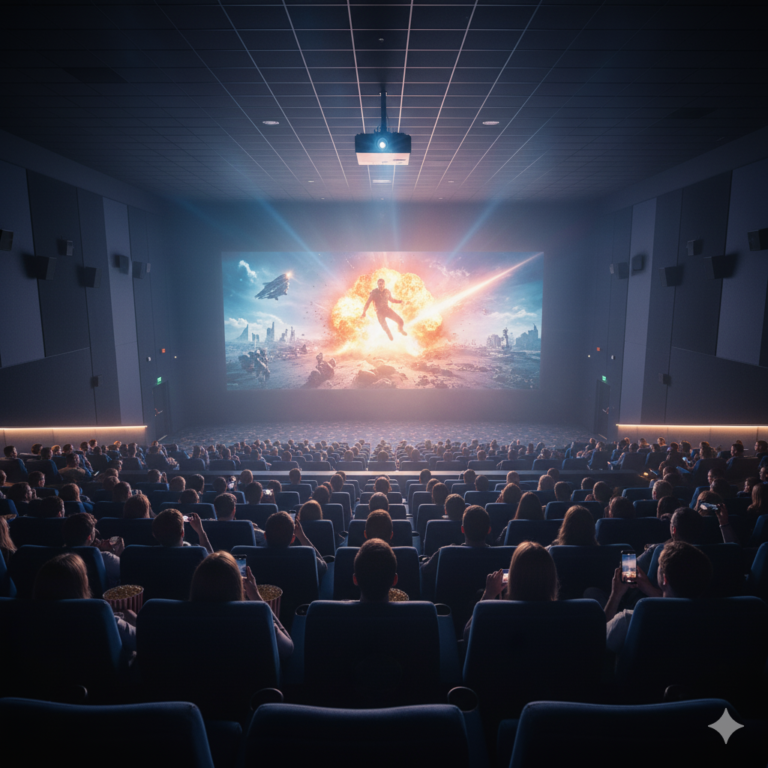
Avatar CGI Compared to Jurassic World CGI
When James Cameron released the first Avatar in 2009, its computer-generated imagery blew minds around the world. The film used groundbreaking motion capture technology to create the tall blue Na’vi people and the glowing world of Pandora. Every leaf, creature, and floating mountain looked alive in ways movies had never seen before. This set a new bar for CGI, making audiences feel like they were really flying on banshees or swimming with bioluminescent fish. You can read more about the Avatar trilogy’s visual achievements here: https://comicbook.com/movies/list/all-3-avatar-movies-ranked-worst-to-best/.
Jump ahead to Jurassic World in 2015, and the dinosaurs roared back onto screens with heavy reliance on CGI. The Indominus Rex, a massive hybrid beast, was built entirely in computers, along with stampeding herds and chaotic chases. It revived the Jurassic Park magic after years away, but many felt the digital dinos lacked the raw punch of the original film’s puppets and animatronics. Still, the CGI let creators dream up impossible monsters that moved with scary speed and smarts. Details on Jurassic World’s dino effects come from this piece: https://www.pastemagazine.com/movies/jurassic-world/jurassic-worlds-antagonist-problem-can-dinosaurs-b.
Avatar’s edge comes from its focus on performance capture. Actors wore suits dotted with sensors, letting their real movements shape the Na’vi. Cameron pushed this further in Avatar: The Way of Water, with underwater scenes that made water and sea creatures shimmer in stunning detail. The later Avatar films look sharper today than the 2009 original, which has aged a bit as tech improved. Jurassic World leaned more on straight-up CGI renders without as much actor-driven motion, so the dinos sometimes feel stiff or too glossy up close.
Both movies mixed CGI with real shots for better results. Jurassic World used some practical puppets for close-ups, echoing the first Jurassic Park’s style where brains trust real objects more than pure pixels. Avatar blended digital worlds with live-action plates, like real actors in forests enhanced by CGI foliage. But modern CGI in both can look fake if overdone, as side-by-side clips of old versus new films often show. Check out thoughts on practical versus CGI here: https://nofilmschool.com/practical-vs-cgi-debate. And for why today’s effects sometimes miss the mark: https://bleedingfool.com/blogs/what-makes-todays-films-look-fake-a-hard-look-at-modern-cinema/.
In the end, Avatar redefined immersive CGI environments, while Jurassic World proved big-budget digital beasts could still thrill crowds. Each pushed the tech of its time, creating spectacles that packed theaters.
Sources
https://comicbook.com/movies/list/all-3-avatar-movies-ranked-worst-to-best/
https://www.pastemagazine.com/movies/jurassic-world/jurassic-worlds-antagonist-problem-can-dinosaurs-b
https://nofilmschool.com/practical-vs-cgi-debate
https://bleedingfool.com/blogs/what-makes-todays-films-look-fake-a-hard-look-at-modern-cinema/