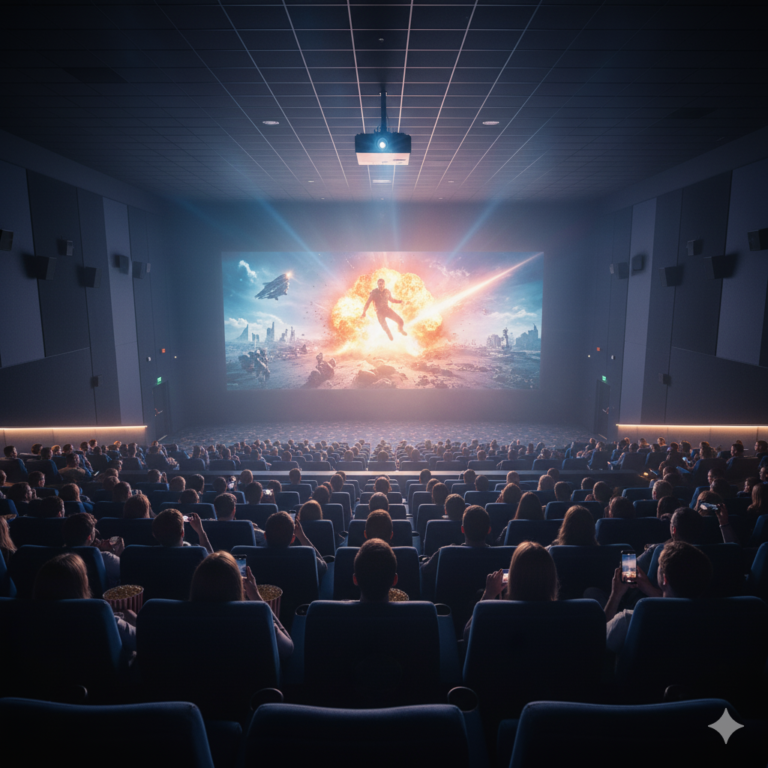
Avatar CGI stands out for its groundbreaking motion capture and stunning visuals that make Pandora feel alive, while DC movies rely on heavy CGI for action but often fall short in realism and detail.
James Cameron’s Avatar series changed movie visual effects forever. The first Avatar in 2009 introduced motion capture tech that let actors like Sam Worthington become tall blue Na’vi on screen. This tech captured every facial twitch and body move with high detail. The films have earned over five billion dollars worldwide thanks to these effects seen best in 3D theaters. For more on the ranking of all three Avatar movies, check out this article from ComicBook.com: https://comicbook.com/movies/list/all-3-avatar-movies-ranked-worst-to-best/[1].
The second film, Avatar: The Way of Water, took visuals even further. Ocean scenes with glowing sea life and massive sea creatures like tulkun looked real enough to touch. Battles in water felt tense and immersive. Avatar: Fire and Ash, the newest one from 2025, keeps pushing with epic air and ground fights that pop in 3D. Scenes like flying banshees or Na’vi clashes show off improved graphics over the original. These movies age well because Cameron updates tech each time, making Pandora brighter and more detailed.
DC movies use CGI too, but in a different way. Films like those in the DC Extended Universe pack in superheroes with powers like flight or speed. Think Superman soaring or Flash running at light speed. The effects aim for big action explosions and city destruction. Yet they often look less natural. Human faces on CGI bodies can seem stiff, and backgrounds sometimes feel flat. Reviews point out DC fights as flashy but not as lifelike as Avatar’s world-building.
Avatar wins in creating a full living planet. Every leaf, creature, and waterfall moves with purpose. Motion capture blends actors right into digital worlds seamlessly. DC focuses more on hero powers and quick cuts, which can hide weaker effects. For example, Avatar’s Na’vi villain Quaritch in Fire and Ash moves fluidly even in full blue form. DC heroes sometimes glitch in motion or lighting.
Both use top studios like Weta Digital for Avatar and Industrial Light & Magic for some DC work. But Avatar spends years perfecting each frame. Fire and Ash has thrilling battles that outshine many DC spectacles. A Roger Ebert review notes Cameron’s skill in big set pieces, even if stories repeat. Read the full review here: https://www.rogerebert.com/reviews/avatar-fire-and-ash-movie-review-2025[2].
Avatar CGI feels like a step ahead because it builds believable ecosystems. DC CGI entertains with scale but lacks that same depth in everyday scenes.
Sources
https://comicbook.com/movies/list/all-3-avatar-movies-ranked-worst-to-best/
https://www.rogerebert.com/reviews/avatar-fire-and-ash-movie-review-2025