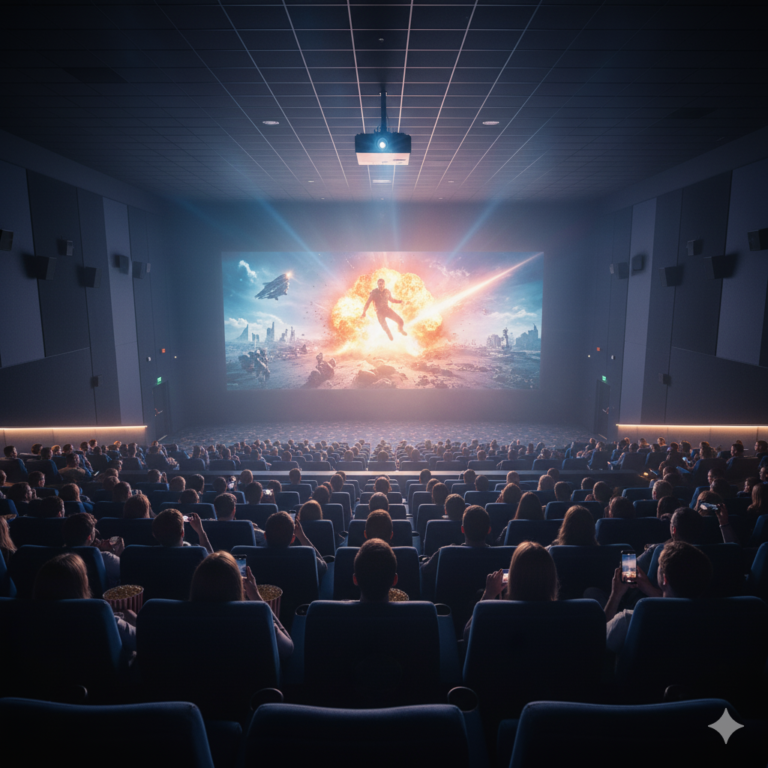
Avatar: Fire and Ash sets new standards for visual effects in sci-fi movies by focusing on real actor performances captured with advanced motion-capture tech, rather than relying on computer-generated shortcuts. This approach makes Pandora feel alive and immersive, standing out from other films that often use quicker digital tricks.
James Cameron’s team starts with actors wearing suits covered in sensors that track every body movement, from spine twists to leg steps. Tiny cameras on their heads catch facial details like lip pulls, eye shifts, and cheek twitches. These real performances form the base, and then visual effects artists at Weta build the Pandora world around them. For example, the new creature called the Nightwraith mixes physical tests and designs with CGI to make it feel real, not just a digital add-on. Check out this behind-the-scenes look at the making of https://www.youtube.com/watch?v=EpsiSc-IT4A for how they blend human input with tech.
Compared to other sci-fi hits, Avatar: Fire and Ash skips generative AI entirely. Cameron has said flat out that the film uses zero AI for effects, keeping everything tied to human nuance. He worries AI works for short social media clips but lacks the depth for big movies. This differs from films like some Marvel entries, where AI helps speed up crowd scenes or backgrounds, sometimes making them look flat. Avatar sticks to traditional motion-capture, like in the original 2009 film that wowed with 3D and grossed billions. See Cameron discussing his tech choices in this video https://www.youtube.com/watch?v=qSbBg56k4HA.
The 3D tech pushes further too. Special camera rigs with beam splitters let two lenses move like human eyes, focusing and converging naturally as shots push in. This creates true depth, whether it’s live action or full CGI. High frame rates make water and floating particles look sharp and real, giving that underwater feel without leaving the theater. Other sci-fi movies, such as older Star Wars films, used practical models and early CGI that now feel dated. Newer ones like Dune lean on massive practical sets mixed with digital, but Avatar’s virtual production lets directors tweak shots freely after filming, uncoupling actor work from final camera angles. Watch the 3D breakdown here https://www.youtube.com/watch?v=fXP939XsbO4.
Editing stays hands-on as well. Cameron and his team were on set during capture, building templates for lighting, props, and environments before Weta adds high-detail finishes. No AI in the cut; it’s all about keeping performances authentic. This reality-based method amps up immersion, making Avatar effects feel more emotional than the often sterile CGI in films like recent Star Trek entries.
Sources
https://quasa.io/media/james-cameron-s-avatar-saga-a-visual-spectacle-evolving-with-ai-but-at-what-cost
https://www.youtube.com/watch?v=fXP939XsbO4
https://www.youtube.com/watch?v=EpsiSc-IT4A
https://www.youtube.com/watch?v=qSbBg56k4HA
https://www.youtube.com/watch?v=lm39kQ8fSuc