The mythological inspirations behind Avatar 3 represent one of the most ambitious world-building efforts in modern cinema, drawing from oceanic legends, fire symbolism, and creation myths spanning cultures across the globe. James Cameron has consistently woven mythological threads throughout his Avatar franchise, and the third installment, titled “Fire and Ash,” promises to expand this tapestry by introducing the volcanic Ash People alongside continued exploration of Pandora’s reef-dwelling Metkayina. Understanding these mythological foundations enriches the viewing experience and reveals the deeper philosophical questions Cameron seeks to explore through his science fiction epic. This article addresses the growing curiosity among fans and film scholars about the specific myths, legends, and cultural traditions that inform Avatar 3’s narrative and visual design.
With Cameron drawing from Polynesian navigation myths, Mesoamerican fire deities, Hawaiian volcano goddess traditions, and global flood narratives, viewers often struggle to identify and appreciate the layered references embedded in the film’s storytelling. By examining these influences systematically, audiences can better understand the thematic resonance Cameron achieves and recognize how ancient wisdom traditions continue to shape contemporary blockbuster filmmaking. By the end of this exploration, readers will gain comprehensive knowledge of the mythological systems feeding into Avatar 3’s world, from the elemental fire worship practices that likely inspire the Ash People to the oceanic creation stories reflected in the Metkayina culture. This analysis covers the historical context of these myths, their specific manifestations in the Avatar universe, and how Cameron synthesizes disparate traditions into a cohesive fictional mythology that comments on humanity’s relationship with nature, spirituality, and community.
Table of Contents
- What Mythological Traditions Inspire Avatar 3’s Fire and Ash Themes?
- Oceanic Creation Myths and the Metkayina’s Mythological Roots
- How Avatar 3 Synthesizes Global Flood Narratives
- Understanding the Mythological Significance of Pandora’s Bioluminescence
- The Hero’s Journey and Na’vi Initiation Mythology
- Ancestor Worship and the Tree of Souls Connection
- How to Prepare
- How to Apply This
- Expert Tips
- Conclusion
- Frequently Asked Questions
What Mythological Traditions Inspire Avatar 3’s Fire and Ash Themes?
The Ash People, confirmed as a central element of avatar 3, draw heavily from global fire mythology traditions that span from the Hawaiian goddess Pele to the Aztec deity Xiuhtecuhtli. Pele, the goddess of volcanoes, lightning, wind, and fire in Hawaiian religion, represents the destructive and creative duality that cameron appears to be exploring with this new Na’vi clan. According to Hawaiian tradition, Pele resides in Kilauea volcano and possesses the power to create new land through lava flows while simultaneously destroying existing landscapes. This paradox of creation through destruction mirrors Cameron’s environmentalist themes, suggesting the Ash People may embody complex ecological relationships rather than serving as simple antagonists.
Mesoamerican fire mythology also provides rich source material for the volcanic Na’vi culture. The Aztec fire god Xiuhtecuhtli governed both destructive fire and the hearth fire that sustained communities, representing civilization’s ability to harness dangerous elemental forces. Similarly, the Mayan fire deity Tohil demanded blood sacrifice in exchange for the gift of fire, introducing moral complexity into the human relationship with this element. Cameron has previously explored sacrifice and moral ambiguity in his Na’vi cultures, and the Ash People likely continue this tradition through fire-based spiritual practices that challenge Western viewers’ ethical frameworks.
- The dual nature of fire as both destroyer and creator appears central to the Ash People’s worldview
- Volcanic landscapes in mythology often represent portals between the living world and the realm of spirits or ancestors
- Fire mythology frequently involves transformation themes, suggesting the Ash People may possess unique abilities related to change and metamorphosis
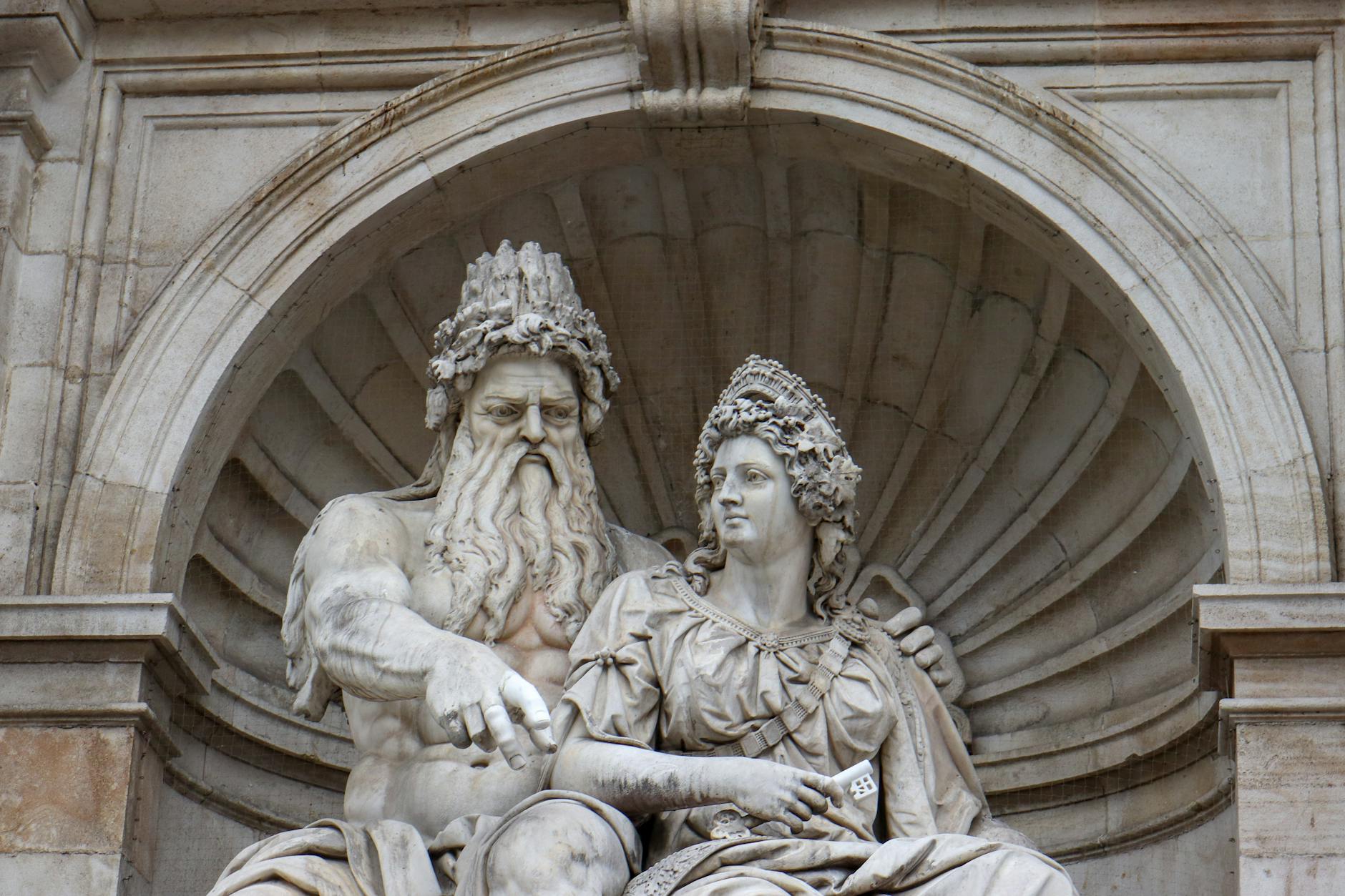
Oceanic Creation Myths and the Metkayina’s Mythological Roots
The Metkayina clan introduced in Avatar: The way of Water drew extensively from Polynesian oceanic mythology, and Avatar 3 will likely deepen these connections as the narrative continues exploring reef cultures. Polynesian creation myths consistently portray the ocean as the primordial source of all life, with islands emerging from the sea through divine action or the labors of culture heroes like Maui. This cosmology contrasts sharply with land-based creation myths that view the sea as chaotic and threatening, instead presenting water as the nurturing mother of existence. The Metkayina’s spiritual connection to the Tulkun directly references the sacred whale traditions found throughout Pacific Island cultures.
In Maori mythology, whales served as vehicles for ancestral spirits and guides for navigation, while Hawaiian traditions speak of whale deities who protected seafarers and fishing communities. The Metkayina’s grief rituals and their treatment of Tulkun hunting as profound sacrilege reflect these real-world cultural attitudes, where whales occupy spiritual positions equivalent to deities or revered ancestors rather than being viewed as resources. Navigation mythology also permeates the Metkayina culture, reflecting the astronomical and oceanic wayfinding traditions of Polynesian voyagers. These navigators developed sophisticated systems for reading star patterns, wave movements, and bird behaviors to traverse thousands of miles of open ocean without instruments. Their mythological frameworks encoded this practical knowledge within stories of divine guidance and ancestral protection, making navigation simultaneously a technical skill and a spiritual practice.
- Polynesian creation myths often feature the ocean god Tangaroa as a primary deity
- The spiritual significance of specific marine species varies across Pacific cultures but consistently emphasizes reciprocal relationships rather than dominance
- Navigation myths frequently involve transformation between human and animal forms, echoing the Avatar concept of consciousness transfer
How Avatar 3 Synthesizes Global Flood Narratives
Cameron’s environmental themes connect directly to global flood mythology, which appears across virtually every human culture and may influence Avatar 3’s conflict between fire and water elements. From the Mesopotamian Epic of Gilgamesh to the Hindu tale of Manu and the fish, flood narratives typically represent divine judgment against human moral failures, particularly ecological transgressions and violence. The Avatar franchise’s overarching narrative of human exploitation threatening Pandora’s ecosystems parallels these ancient warnings, positioning the Sky People as the agents of potential apocalypse. The confrontation between fire and water elements in Avatar 3 may draw from mythological traditions where these forces represent cosmic balance. Chinese Taoist mythology presents fire and water as complementary rather than opposing forces, both necessary for universal harmony.
Similarly, many Indigenous american traditions view the interaction between volcanic fire and ocean water as the ongoing creation of new land, a dynamic process rather than a conflict with winners and losers. Cameron’s environmentalist perspective suggests he may present this elemental meeting as an opportunity for synthesis rather than mere destruction. Indigenous Pacific flood narratives often differ from their Mediterranean counterparts by emphasizing the ocean’s role as cleanser and renewer rather than punisher. Hawaiian flood stories describe waters that wash away corruption and prepare the land for fresh growth, maintaining the ocean’s characterization as a nurturing rather than wrathful force. This perspective aligns with the Metkayina’s reverence for their oceanic environment and may influence how Avatar 3 resolves tensions between reef dwellers and fire-associated clans.
- Nearly every culture possesses flood mythology, suggesting universal human anxieties about environmental catastrophe
- Fire and flood often appear together in eschatological narratives predicting world endings and rebirths
- Cameron’s environmental activism informs his use of these mythological frameworks as warnings about climate change
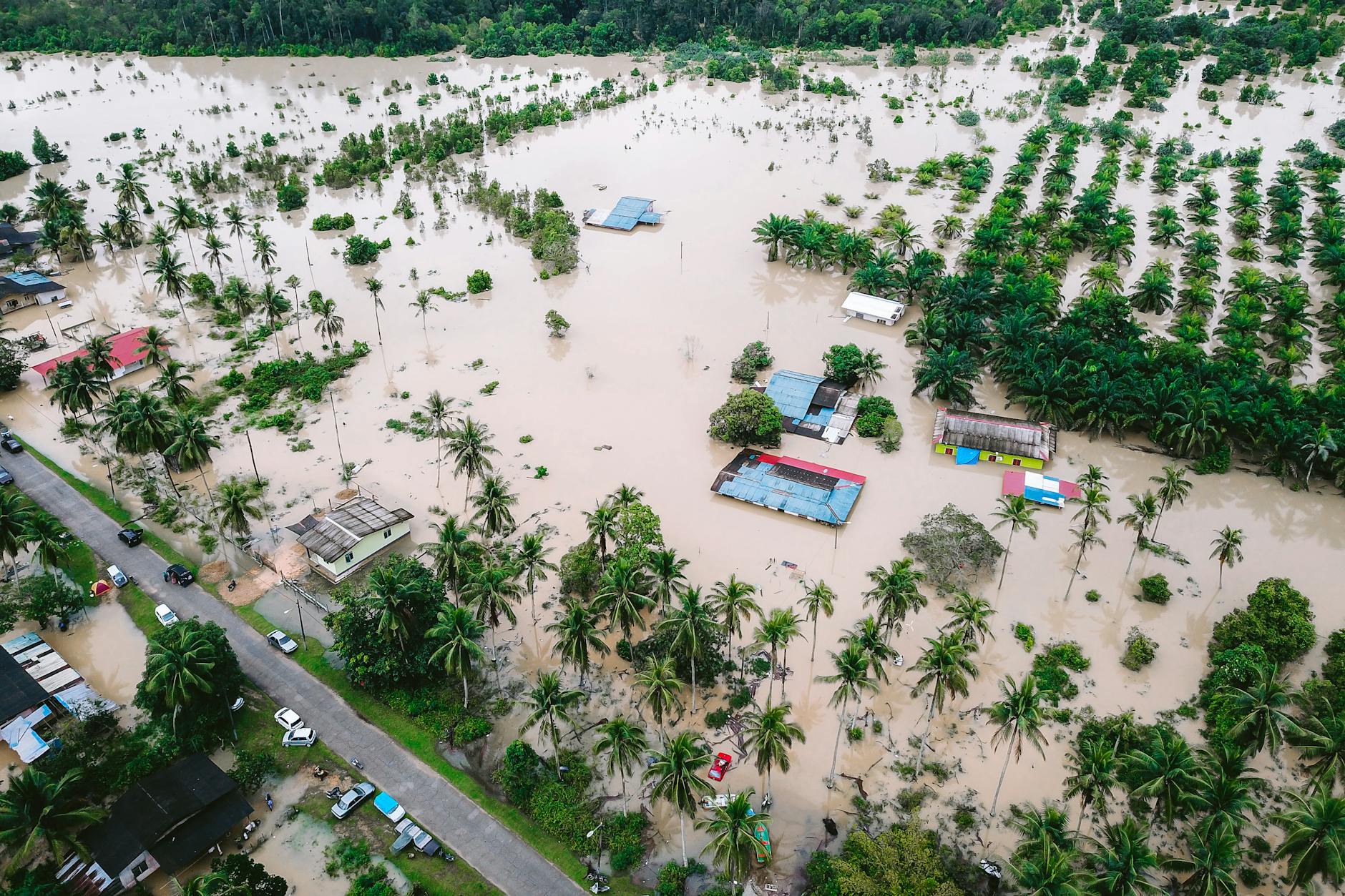
Understanding the Mythological Significance of Pandora’s Bioluminescence
The bioluminescent qualities of Pandora’s ecosystems connect to widespread mythological traditions associating light with divine presence and spiritual energy. In many shamanic traditions, the ability to perceive inner light or auras indicates spiritual advancement, while bioluminescent phenomena in nature have historically been interpreted as manifestations of spirit beings or ancestral presences. Cameron’s design of Pandora deliberately evokes these associations, creating a world where the biological and spiritual seamlessly merge.
The neural connection between Na’vi and their environment through the queue, combined with the bioluminescent responses to touch and emotion, reflects animist worldviews where consciousness pervades all matter. Japanese Shinto traditions recognize kami, or spirits, inhabiting natural phenomena from rivers to rocks, while many African traditional religions similarly attribute consciousness to elements Western thought considers inanimate. Avatar 3’s exploration of the Ash People’s relationship with volcanic landscapes will likely extend this animist framework to fire and magma, portraying even destructive forces as conscious and spiritually significant.
- Bioluminescence in deep-sea environments inspired real-world mythologies about underwater spirit realms
- The color associations in Pandoran bioluminescence may reference chakra systems and other energy-body traditions
- Cameron’s visual design creates what scholars call “numinous experience” through technological simulation of mystical perception
The Hero’s Journey and Na’vi Initiation Mythology
Avatar 3 continues employing Joseph Campbell’s monomyth structure, which Campbell himself derived from comparative mythology studies, to shape its protagonist’s development. The hero’s journey pattern, involving departure from the ordinary world, initiation through trials, and return with transformative wisdom, appears in mythologies worldwide and provides the narrative skeleton for Jake Sully’s ongoing evolution. Each Avatar film has represented a distinct phase of this journey, with the third installment likely focusing on mastery and integration of lessons learned. Initiation mythology specifically informs the trials Na’vi characters undergo when joining new clans or assuming leadership roles.
Traditional initiation rites across cultures typically involve symbolic death and rebirth, physical ordeals, transmission of secret knowledge, and assumption of new identity and responsibilities. The forest Na’vi initiation of Jake in the first film, his acceptance among the Metkayina in the second, and his presumed engagement with Ash People traditions in the third follow this archetypal pattern, each requiring him to “die” to his former self and be “reborn” with expanded consciousness. The coming-of-age narratives of the Sully children also reflect initiation mythology, particularly the trials adolescents must undergo to be recognized as adults within their communities. Many Indigenous cultures mark this transition through vision quests, physical challenges, and demonstrations of cultural knowledge. Avatar 3 will likely continue developing these themes as the Sully children mature and potentially face their own initiations within the Ash People’s cultural framework.
- Campbell’s work drew heavily from Carl Jung’s theories of universal archetypes in the collective unconscious
- Initiation mythology frequently involves encounters with death, fire, or other transformative elements
- The hero’s journey structure has been criticized for oversimplifying diverse cultural narratives, though it remains influential in Hollywood storytelling

Ancestor Worship and the Tree of Souls Connection
The Tree of Souls and the broader Eywa neural network reflect ancestor worship traditions found throughout human cultures, where deceased community members remain active participants in the living world. African traditional religions, Chinese folk religion, and many Indigenous American traditions maintain that ancestors require ongoing veneration and can provide guidance, protection, and blessings to their descendants. The Na’vi ability to literally commune with ancestral memories through the Tree of Souls represents a technological-mystical literalization of these beliefs.
Avatar 3 may expand this mythology by introducing different ancestral traditions among the Ash People, potentially involving fire-based memorial practices or volcanic sites serving functions similar to the Tree of Souls. Many cultures with volcanic geography have incorporated lava and fire into their funerary customs, viewing volcanic calderas as passages to the underworld or ancestral realms. The intersection of reef-based water burials, forest communion with Eywa, and potential fire-based ancestral practices could create rich narrative tensions about the nature of death, memory, and spiritual continuity across Pandoran cultures.
How to Prepare
- Research Polynesian navigation and oceanic mythology by exploring resources on Maori, Hawaiian, and broader Pacific Island spiritual traditions. University presses and anthropological societies offer accessible introductions to these complex belief systems, focusing particularly on the relationships between humans, ocean, and marine life that inform Metkayina culture.
- Study global fire mythology with attention to volcanic deity traditions from Hawaii, Mexico, Iceland, and Indonesia. These geographically diverse traditions share surprising commonalities while offering distinct perspectives on fire’s role in creation, destruction, and transformation that likely influence the Ash People’s characterization.
- Review the first two Avatar films with mythological awareness, noting specific visual and narrative references to Indigenous spiritual practices. Pay particular attention to initiation sequences, communion with Eywa, and the treatment of death and ancestor connection.
- Explore Joseph Campbell’s work on comparative mythology, particularly “The Hero with a Thousand Faces,” to understand the narrative structures Cameron consciously employs. This framework illuminates character arcs and plot developments across the entire Avatar saga.
- Investigate real-world ecological relationships between reef and volcanic systems to understand the scientific foundations Cameron builds his mythology upon. The biological processes of island formation and reef development often parallel mythological narratives about creation and elemental interaction.
How to Apply This
- Watch trailers and promotional materials for Avatar 3 with attention to visual symbolism, noting fire imagery, color palettes, and architectural designs that may reference specific mythological traditions.
- Engage with fan communities and academic discussions that analyze Avatar’s mythological content, bringing your own observations about cultural references to these conversations.
- Compare Avatar’s synthetic mythology to its source traditions, considering how Cameron adapts, combines, and potentially misrepresents original cultural materials in service of his narrative.
- Reflect on how mythological themes resonate with contemporary environmental and social issues, recognizing Cameron’s use of ancient wisdom traditions to comment on present-day challenges.
Expert Tips
- Focus on mythological patterns rather than specific one-to-one correspondences, as Cameron synthesizes multiple traditions rather than directly adapting any single mythology.
- Remember that mythological traditions are living cultures for many communities today, and approach source materials with respect rather than treating them merely as creative resources for entertainment.
- Pay attention to musical and auditory cues in Avatar films, as Cameron and composer Simon Franglen incorporate instruments and vocal styles referencing source cultures.
- Consider the ecological dimensions of mythology, recognizing that many spiritual traditions encode practical environmental knowledge within their narrative frameworks.
- Revisit Avatar films multiple times with different mythological lenses, as the density of references rewards repeated viewing with focused attention on specific traditions.
Conclusion
The mythological inspirations informing Avatar 3 demonstrate cinema’s continuing role as a medium for transmitting and transforming ancient wisdom traditions. Cameron’s synthesis of Polynesian oceanic spirituality, global fire mythology, ancestor worship practices, and universal narrative patterns creates a fictional world that resonates with deep human concerns about our relationship to nature, community, and transcendence. By drawing from diverse cultural sources, the Avatar franchise invites global audiences to recognize both the particularity of distinct traditions and the common themes that unite human spiritual experience across geography and history.
Understanding these mythological foundations enriches engagement with Avatar 3 far beyond surface-level spectacle appreciation. Viewers equipped with knowledge of source traditions can recognize the specific choices Cameron makes in adapting this material, critically evaluate his synthesis of diverse cultures, and connect blockbuster entertainment to broader conversations about spirituality, ecology, and human meaning-making. As Avatar 3 introduces the Ash People and expands Pandora’s mythological landscape, audiences prepared with this context will find themselves participating in an ancient tradition of storytelling that uses wonder and imagination to explore the deepest questions of existence.
Frequently Asked Questions
How long does it typically take to see results?
Results vary depending on individual circumstances, but most people begin to see meaningful progress within 4-8 weeks of consistent effort.
Is this approach suitable for beginners?
Yes, this approach works well for beginners when implemented gradually. Starting with the fundamentals leads to better long-term results.
What are the most common mistakes to avoid?
The most common mistakes include rushing the process, skipping foundational steps, and failing to track progress.
How can I measure my progress effectively?
Set specific, measurable goals at the outset and track relevant metrics regularly. Keep a journal to document your journey.