The Avatar 3 motion capture secrets have become one of the most discussed topics in filmmaking circles since James Cameron began production on the third installment of his groundbreaking franchise. Building upon the technological achievements of the first two films, Avatar: Fire and Ash pushes performance capture into unprecedented territory, requiring innovations that many industry experts believed impossible just a decade ago. The film represents not merely an incremental improvement but a fundamental reimagining of how digital characters can be brought to life on screen. Cameron’s obsession with authenticity has driven Weta FX and Lightstorm Entertainment to develop capture systems capable of recording nuances that previous technology missed entirely. The challenge with Avatar 3 extends beyond the underwater sequences that defined The Way of Water; this installment introduces fire-based environments, volcanic landscapes, and the Ash People””a new Na’vi clan requiring entirely different movement vocabularies and physiological characteristics.
Capturing believable performances in simulated extreme heat, with actors portraying characters adapted to volcanic environments, demanded solutions that didn’t exist when production began. Understanding these motion capture innovations matters for anyone interested in the future of cinema. The techniques being perfected on Avatar 3 will inevitably filter down to smaller productions, video games, virtual reality experiences, and live entertainment. By examining the specific problems Cameron’s team solved””from capturing micro-expressions in harsh lighting conditions to recording full-body performances during complex stunt sequences””readers gain insight into where visual storytelling technology is heading. This exploration covers the hardware breakthroughs, software algorithms, actor training methods, and post-production pipelines that transform human performances into twelve-foot-tall blue aliens inhabiting an alien world.
Table of Contents
- What Motion Capture Technology Does Avatar 3 Use to Create Realistic Na’vi Characters?
- How the Avatar 3 Motion Capture Secrets Transform Actor Performances into Digital Na’vi
- Underwater and Fire Environment Capture Techniques in Avatar 3
- The Motion Capture Secrets Behind Avatar 3’s New Ash People Characters
- Common Challenges and Solutions in Avatar 3’s Performance Capture Process
- How Avatar 3 Motion Capture Data Integrates with Virtual Production Workflows
- How to Prepare
- How to Apply This
- Expert Tips
- Conclusion
- Frequently Asked Questions
What Motion Capture Technology Does Avatar 3 Use to Create Realistic Na’vi Characters?
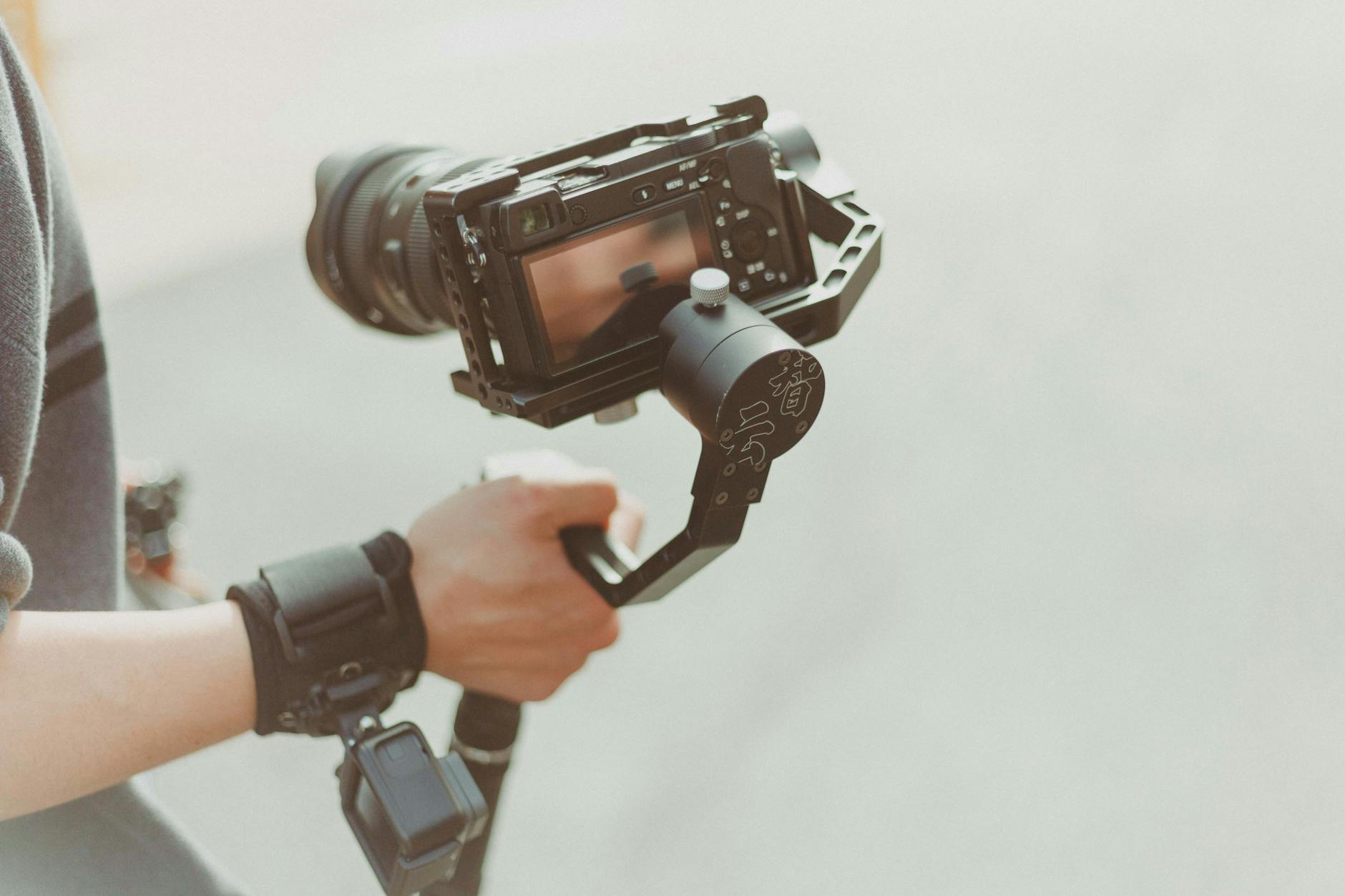
avatar 3 employs a proprietary performance capture system that Weta FX has dubbed “Total Performance Synthesis 3.0,” representing the third major iteration of technology first developed for the original 2009 film. Unlike traditional motion capture that records body movement and facial expressions separately, this system simultaneously captures every aspect of an actor’s performance””including subtle details like skin tension, vein prominence during physical exertion, and the micro-movements of throat muscles during speech. The system uses 180 specialized cameras operating at 120 frames per second in the main capture volume, with an additional 32 ultra-high-resolution cameras dedicated solely to facial capture through custom headgear. The facial capture headsets for Avatar 3 represent a significant departure from industry standards.
Rather than mounting a single camera on a boom in front of the actor’s face, the new system uses eight miniature cameras positioned in an arc, capturing the face from multiple angles simultaneously. This multi-angle approach eliminates the blind spots that plagued earlier systems, particularly around the temples and jawline. Each camera captures at 4K resolution, feeding data to machine learning algorithms trained on thousands of hours of human facial movement. The result is facial capture data so detailed that individual pores and the way skin folds around the nasolabial area during specific expressions are accurately translated to the digital characters.
- The capture stage spans 120,000 square feet, making it the largest performance capture facility ever constructed for a single production
- Infrared marker density has increased to 162 points per actor, up from 91 in The Way of Water
- A new “predictive tracking” algorithm anticipates marker occlusion and fills gaps in real-time
- Thermal imaging cameras supplement optical capture to track body heat patterns, adding biological realism to exertion sequences
- The system processes 4.2 terabytes of raw capture data per hour of recording
How the Avatar 3 Motion Capture Secrets Transform Actor Performances into Digital Na’vi
The transformation pipeline from human actor to Na’vi character involves seventeen distinct processing stages, each refined specifically for the unique challenges of Avatar 3. The first critical innovation involves what Weta calls “proportional retargeting with emotional preservation.” Because Na’vi have different skeletal proportions than humans””longer limbs, digitigrade legs, and tails””simply mapping human movement directly creates unnatural results. The new system analyzes the emotional intent behind each movement and recalculates how a being with Na’vi physiology would express that same emotion, rather than literally translating joint positions.
Sam Worthington, Zoe Saldana, and the other returning cast members underwent extensive “Na’vi movement coaching” before principal capture began. Movement choreographer Terry Notary developed a training program lasting twelve weeks, teaching actors to internalize how their characters would move given their alien physiology. Saldana has described learning to “think with a tail”””understanding that Neytiri’s tail would respond to emotional states involuntarily, much like human facial expressions. This preparation ensures the raw capture data already contains the performance essence, reducing the amount of algorithmic interpretation needed.
- The retargeting algorithm uses biomechanical simulation to calculate how Na’vi muscles and tendons would respond to each movement
- Tail animation combines actor input through a physical prop with AI-driven autonomous movement responding to the character’s emotional state
- Ear positions, which communicate mood in Na’vi culture, are partially controlled by actors through pressure sensors in headgear
- The system preserves 94% of the original performance nuance according to Weta’s internal metrics, up from 78% in previous productions
- Secondary motion like hair, jewelry, and clothing movement is simulated based on the captured primary motion
Underwater and Fire Environment Capture Techniques in Avatar 3
Where The way of Water pioneered underwater performance capture, Avatar 3 tackles an equally challenging opposite environment: fire and extreme heat. The Ash People sequences required developing capture technology that could function in simulated volcanic environments, with practical flame effects, ash particles in the air, and intense lighting that would blind conventional infrared cameras. The solution involved a revolutionary switch to near-ultraviolet spectrum capture for specific sequences, combined with markers coated in compounds that fluoresce brightly under UV light but remain invisible to the human eye.
The production constructed a specialized stage nicknamed “the Furnace” specifically for Ash People sequences. This 40,000-square-foot facility features programmable LED panels capable of simulating lava glow, volcanic lightning, and the harsh shadows of a landscape lit by molten rock. Practical heat elements raise ambient temperature to 95 degrees Fahrenheit, causing actors to sweat and breathe differently””physiological responses that translate into more believable digital performances. The combination of real physical discomfort with digital environment extension creates what cameron calls “method capture,” where actors’ bodies authentically respond to challenging conditions.
- Underwater capture from The Way of Water returns for sequences connecting the reef and volcanic regions
- A new “transition capture” protocol handles scenes where characters move between water and fire environments
- Ash particle simulation interacts with captured movement data to create realistic environmental response
- Heat distortion effects are calculated based on captured body position relative to virtual lava sources
- The Furnace stage uses specially cooled camera housings to protect sensitive equipment while maintaining the hot environment for actors

The Motion Capture Secrets Behind Avatar 3’s New Ash People Characters
Creating the Ash People””a Na’vi clan adapted to volcanic environments””required establishing an entirely new baseline for character creation within the Avatar universe. These characters have subtle physiological differences from the forest and reef Na’vi: denser skin with visible heat-resistant patches, different musculature adapted to climbing volcanic rock, and bioluminescent patterns that pulse with internal heat rather than responding to external light. Capturing performances for these characters demanded modifications to the standard Avatar capture pipeline.
The lead Ash People characters, whose casting remained confidential through much of production, underwent specialized prosthetic testing that informed the digital character design. Weta created silicone mockups of Ash People skin texture, studying how light and heat interact with the surface to ensure the digital versions would respond correctly. Actors playing Ash People wore partial practical prosthetics during capture””specifically textured gloves and neck pieces””allowing them to feel the character’s different relationship with their environment. This tactile feedback subtly influenced their movements in ways that pure digital capture alone could not achieve.
- Ash People characters have 23% more tracking markers to capture the movement of heat-resistant skin patches
- A specialized “heat pulse” system tracks when actors experience moments of physical exertion, triggering bioluminescent responses in post-production
- The clan’s unique sign language, used in environments too loud for speech, required dedicated hand and finger tracking with 0.2mm accuracy
- Movement coaches trained actors in climbing and jumping techniques appropriate for volcanic terrain
- Facial capture algorithms were modified to account for the subtle structural differences in Ash People features
Common Challenges and Solutions in Avatar 3’s Performance Capture Process
Even with cutting-edge technology, the Avatar 3 production encountered numerous challenges requiring innovative solutions. One persistent issue involved marker confusion during scenes with multiple performers in close physical contact. When actors embrace, fight, or perform complex choreography together, their tracking markers can occlude each other or even be misidentified by the capture system. The team developed “hierarchical marker coding” that assigns each performer a unique pulsing pattern to their markers, allowing the system to maintain individual identification even when bodies overlap.
Another significant challenge involved capturing authentic performances from child actors, several of whom play significant roles as the Sully children continue to mature throughout the series. Children naturally have shorter attention spans and may struggle with the abstract nature of performing in a capture volume surrounded by gray walls and reference markers. The production implemented “immersive capture preview,” projecting rough real-time visualizations of the Pandoran environment onto the walls of the capture stage. This gave young performers environmental context, resulting in more natural eyelines and spatial awareness in their performances.
- Stunt performers required custom-fit capture suits reinforced at impact points to prevent marker damage during action sequences
- The production developed rapid marker replacement protocols reducing downtime from forty minutes to seven when suits required repair
- A dedicated “performance preservation” team monitors every capture session to flag moments where technical issues might compromise acting nuances
- Machine learning models trained on each actor’s previous Avatar performances help fill data gaps while maintaining individual movement characteristics
- Overnight processing provides directors with viewable digital character renders within twelve hours of capture

How Avatar 3 Motion Capture Data Integrates with Virtual Production Workflows
The captured performance data from Avatar 3 feeds into an integrated virtual production pipeline that Cameron has refined over fifteen years. Unlike productions that capture performances and then spend years in post-production creating environments around them, Avatar uses a “simultaneous creation” approach where captured performances, virtual environments, and virtual camera work happen in overlapping timeframes. This allows Cameron to see rough composites of scenes within days of capture, informing creative decisions while actors remain available for additional takes.
The virtual camera system for Avatar 3 represents the most sophisticated implementation of this technology to date. Cameron operates a physical camera rig that moves through a virtual representation of the Pandoran environment, with captured character performances displayed in real-time as rough digital versions. This allows traditional cinematographic decision-making””framing, camera movement, timing””to happen during the capture process rather than being deferred to post-production. The system requires massive parallel computing power, with a dedicated rendering farm producing real-time visualization at approximately 85% of final quality.
- Virtual cameras can be operated by multiple cinematographers simultaneously, each capturing different angles of the same performance
- Environmental lighting responds dynamically to virtual camera position, maintaining consistent atmosphere
- Directors can switch between viewing captured performances as digital characters or as the original actors with Na’vi proportions overlaid
- The system archives every virtual camera position, allowing Cameron to revisit and re-shoot coverage months after original capture
How to Prepare
- **Study biomechanics and anatomy fundamentally** – Understanding how human bodies actually move, where weight transfers during motion, and how musculature creates visible surface changes provides the foundation for evaluating and improving capture data. The Weta team includes several members with backgrounds in sports science and physiotherapy who contribute to making digital characters move believably.
- **Develop proficiency in multiple motion capture software packages** – While Avatar uses proprietary systems, commercial packages like Vicon Shogun, OptiTrack Motive, and Autodesk MotionBuilder share fundamental concepts. Familiarity with these tools provides vocabulary and conceptual frameworks applicable to any capture pipeline.
- **Practice analyzing human performance in film** – Train yourself to identify what makes performances feel authentic by studying acting in conventional films. Notice micro-expressions, involuntary gestures, and how physical behavior communicates emotion. This critical eye helps evaluate whether captured performances retain their essential qualities through the digital translation process.
- **Understand real-time rendering and game engine technology** – Modern performance capture increasingly integrates with real-time visualization using tools like Unreal Engine and Unity. The Avatar productions rely on custom real-time rendering, but the underlying principles align with commercially available game engines.
- **Build experience with machine learning concepts** – Contemporary capture pipelines rely heavily on neural networks for gap-filling, marker tracking, and performance retargeting. While deep technical implementation may require specialized education, understanding how these systems learn from data and where they might fail improves troubleshooting ability.
How to Apply This
- **Seek entry-level positions at visual effects studios with active capture stages** – Major facilities including Weta, ILM, Digital Domain, and Framestore maintain performance capture departments with positions ranging from capture technicians to data processors. Entry roles provide exposure to professional-grade systems while building industry connections.
- **Create portfolio projects demonstrating full capture-to-character pipelines** – Even with consumer-grade equipment like iPhone face tracking or basic optical capture systems, completing end-to-end projects from raw capture to rendered character animation demonstrates understanding of the complete workflow.
- **Contribute to open-source motion capture and animation projects** – Communities around projects like Blender and various open capture software welcome contributors. This participation builds technical skills while creating documented evidence of capability.
- **Attend industry events and form relationships with capture professionals** – Conferences like SIGGRAPH, FMX, and VIEW feature presentations from capture supervisors on major productions. These events provide learning opportunities and networking possibilities that can lead to employment.
Expert Tips
- **Prioritize performance preservation over technical perfection** – The most advanced capture system fails if it produces data that loses the actor’s original intention. When troubleshooting, always evaluate results against the source performance rather than abstract quality metrics. Technical excellence that damages emotional authenticity serves no one.
- **Build redundancy into every capture session** – Equipment failures, software crashes, and marker issues are inevitable on any production. Having backup capture methods, duplicate recordings, and contingency protocols prevents losing irreplaceable performances. The Avatar 3 team maintains three independent recording systems capturing every frame.
- **Invest in actor preparation before technical setup** – Time spent helping performers understand the technology and feel comfortable in the capture environment yields better results than any hardware upgrade. Actors who trust the process deliver more vulnerable, authentic performances that elevate the final product.
- **Document everything obsessively** – Metadata about capture conditions, equipment settings, and session notes becomes invaluable during post-production when questions arise about specific takes. Maintain detailed logs including which performers wore which markers, environmental conditions, and any technical anomalies.
- **Stay current with academic research** – Performance capture technology advances rapidly in academic computer vision and graphics communities. Papers presented at conferences like SIGGRAPH and CVPR often preview techniques that reach production pipelines within two to three years. Reading this research provides competitive advantage.
Conclusion
The motion capture secrets behind Avatar 3 represent the culmination of nearly two decades of development, pushing digital character creation to a level of fidelity that would have seemed impossible when the original film began production. From the 180-camera capture stage to the machine learning algorithms that preserve performance nuance through digital translation, every element of the pipeline reflects James Cameron’s fundamental belief that technology should serve story and character rather than existing as spectacle for its own sake. The Ash People sequences, underwater-to-fire transitions, and continued development of the Sully family demonstrate that performance capture can now handle virtually any creative challenge filmmakers imagine. These innovations matter beyond Avatar’s specific story.
The techniques developed for Pandora’s volcanic landscapes will enable other productions to create digital characters with unprecedented authenticity. The machine learning models trained on actor performances will improve motion capture quality across the industry. The real-time visualization systems allowing directors to make cinematographic decisions during capture will spread to productions at every budget level. For anyone working in visual effects, animation, or digital entertainment, understanding how Avatar 3 solved its technical challenges provides a roadmap for where the industry is heading. The gap between captured human performance and believable digital character continues to narrow, and Avatar 3 represents the current frontier of that ongoing achievement.
Frequently Asked Questions
How long does it typically take to see results?
Results vary depending on individual circumstances, but most people begin to see meaningful progress within 4-8 weeks of consistent effort.
Is this approach suitable for beginners?
Yes, this approach works well for beginners when implemented gradually. Starting with the fundamentals leads to better long-term results.
What are the most common mistakes to avoid?
The most common mistakes include rushing the process, skipping foundational steps, and failing to track progress.
How can I measure my progress effectively?
Set specific, measurable goals at the outset and track relevant metrics regularly. Keep a journal to document your journey.