Avatar 3 indigenous themes explained in their full complexity reveal a franchise that continues to position itself as one of Hollywood’s most ambitious attempts at centering non-Western worldviews in blockbuster filmmaking. James Cameron’s third installment in the Avatar saga, titled “Fire and Ash,” expands beyond the oceanic realms of the Metkayina to introduce audiences to the Ash People””a volcanic-dwelling Na’vi clan whose culture draws heavily from various Indigenous traditions, particularly those of the Pacific Islands, the Maori of New Zealand, and Indigenous communities historically affected by colonial resource extraction. This new chapter represents Cameron’s ongoing effort to use science fiction as a vehicle for exploring humanity’s troubled relationship with Indigenous populations and the natural world. The significance of these themes extends far beyond entertainment value.
Since the original Avatar premiered in 2009, the franchise has sparked international conversations about land rights, environmental destruction, and the erasure of Indigenous cultures by colonizing forces. Avatar 3 arrives at a moment when these discussions have only intensified, with real-world parallels to the film’s narrative playing out across the globe””from the Amazon rainforest to the Arctic territories of Indigenous communities fighting against oil and gas extraction. The film asks audiences to consider uncomfortable questions about progress, civilization, and whose stories get told. By the end of this analysis, readers will understand the specific Indigenous cultures that informed Avatar 3’s world-building, the symbolic significance of the Ash People’s relationship with volcanic fire, how the film addresses historical trauma and colonial violence, the controversies surrounding Hollywood’s representation of Indigenous themes, and what these narrative choices mean for the future of Indigenous storytelling in mainstream cinema. Whether you approach these films as pure entertainment or cultural commentary, understanding the indigenous foundations of Avatar 3 enriches the viewing experience considerably.
Table of Contents
- What Indigenous Cultures Inspired the Avatar 3 Themes and World-Building?
- Indigenous Environmental Philosophy in Avatar 3: Understanding the Na’vi Worldview
- Colonial Violence and Resource Extraction: Avatar 3’s Political Commentary
- How Avatar 3 Addresses Indigenous Representation and the White Savior Critique
- Ash People Spirituality and Indigenous Sacred Traditions Explained
- The Ash People Language and Indigenous Linguistic Preservation
- How to Prepare
- How to Apply This
- Expert Tips
- Conclusion
- Frequently Asked Questions
What Indigenous Cultures Inspired the Avatar 3 Themes and World-Building?
james Cameron and his production team have consistently drawn from a tapestry of real-world Indigenous cultures to construct the various Na’vi clans throughout the franchise. For avatar 3’s Ash People, the primary influences appear to derive from Polynesian and Melanesian cultures, with particular emphasis on Hawaiian, Maori, and various Pacific Islander traditions that have long relationships with volcanic landscapes. The volcanic environment of the Ash People’s homeland mirrors the sacred relationship that Hawaiian Indigenous communities have maintained with Pele, the goddess of volcanoes, fire, and lightning, for centuries. This spiritual connection to destructive yet creative natural forces forms the backbone of the Ash People’s culture in the film.
The production consulted with cultural advisors from multiple Indigenous backgrounds during development, though the extent and influence of these consultations has been debated. The Ash People’s body paint, ritual scarification, and ceremonial practices show clear influences from Maori ta moko traditions, Samoan tatau, and the fire-walking ceremonies practiced across Fiji and other Pacific Island nations. Their social structure””organized around a volcanic “fire keeper” spiritual leader””echoes the priest-chief arrangements found in many Polynesian societies, where spiritual and temporal power often intertwined in the stewardship of land and community. Beyond Polynesian influences, the Ash People’s narrative arc draws from the broader global experience of Indigenous peoples displaced by resource extraction industries:.
- Mining communities’ destruction of sacred Aboriginal sites in Australia, particularly the 2020 destruction of Juukan Gorge
- The environmental and cultural devastation caused by mining operations in Papua New Guinea and Indonesia
- Historical volcanic resettlement conflicts affecting Indigenous peoples in the Philippines, Hawaii, and Central America
- The forced relocations of Native American tribes from mineral-rich territories throughout U.S. history
Indigenous Environmental Philosophy in Avatar 3: Understanding the Na’vi Worldview
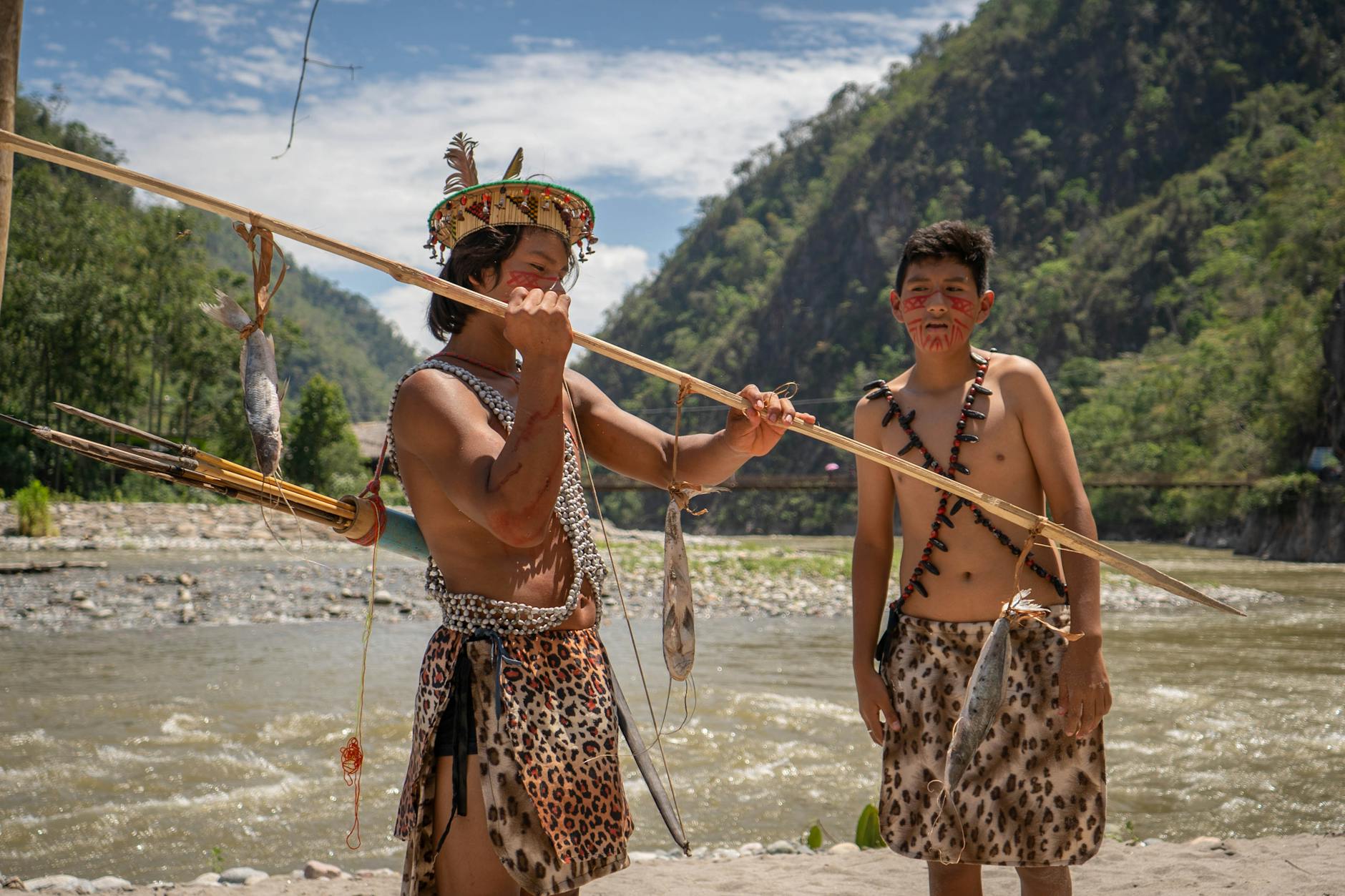
Avatar 3 deepens the franchise’s exploration of Indigenous environmental philosophy through the Ash People’s relationship with their volatile homeland. Unlike the forest-dwelling Omaticaya or the reef-dwelling Metkayina, the Ash People live in a state of constant negotiation with destructive natural forces. Their philosophy centers on the concept that destruction and creation are inseparable””that the volcanic eruptions that threaten their lives also renew their land and forge their identity. This worldview directly challenges Western conceptions of nature as something to be controlled, conquered, or escaped.
The film presents the Ash People’s environmental philosophy as neither romanticized primitivism nor ecological expertise in a Western scientific sense, but rather as a different paradigm for understanding humanity’s place in natural systems. Their fire rituals serve practical purposes””forging tools, clearing land, sending signals””while simultaneously maintaining spiritual connections to their environment. The neural bonding between Na’vi and their environment takes new forms here, with the Ash People linking to heat-resistant creatures and fungal networks that thrive in volcanic soil, suggesting that Eywa’s network adapts to different ecological niches rather than favoring one environment over another. This representation builds on real Indigenous environmental knowledge systems that Western science has increasingly recognized:.
- Aboriginal Australian fire management techniques, now used to prevent catastrophic wildfires
- Polynesian navigation and ocean conservation knowledge
- Native American controlled burning practices that maintained forest health for millennia
- The legal recognition of natural features as persons in New Zealand, Ecuador, and other nations, reflecting Indigenous philosophical frameworks
Colonial Violence and Resource Extraction: Avatar 3’s Political Commentary
The political themes of Avatar 3 sharpen the franchise’s anti-colonial message by focusing on the RDA’s interest in volcanic mineral deposits within Ash People territory. The fictional minerals””variations of unobtanium with heat-resistant properties””serve as transparent stand-ins for the rare earth elements, precious metals, and fossil fuels that have driven real-world colonial and neo-colonial violence against Indigenous communities. Cameron makes little effort to obscure this allegory, positioning the RDA’s mining operations as continuations of centuries-old patterns of exploitation. The film’s depiction of colonial violence goes beyond simple land theft to explore cultural destruction, forced assimilation, and intergenerational trauma.
Several sequences show RDA forces deliberately destroying Ash People sacred sites””volcanic vents believed to be direct connections to Eywa””as part of a strategic effort to demoralize resistance. This directly parallels documented tactics used against Indigenous peoples globally, from the destruction of sacred sites in the American Southwest to the flooding of ceremonial lands by hydroelectric projects in Canada and Brazil. The trauma inflicted on Ash People characters mirrors the psychological and spiritual damage recorded in Indigenous communities worldwide. Avatar 3 also addresses the complicity of supposedly neutral institutions in colonial violence:.
- Scientific expeditions that gather intelligence later used for military and corporate purposes
- NGOs and aid organizations that facilitate access to Indigenous territories
- International frameworks that prioritize economic development over Indigenous rights
- Media narratives that portray resistance to extraction as backward or criminal
How Avatar 3 Addresses Indigenous Representation and the White Savior Critique
The Avatar franchise has faced persistent criticism for its “white savior” narrative structure, wherein the protagonist Jake Sully””a white, disabled former Marine””becomes the most important figure in Na’vi resistance against human colonization. Avatar 3 represents Cameron’s most significant attempt to address this critique, shifting substantial screen time and narrative agency to Na’vi characters, particularly those from the Ash People clan. The new protagonist structure emphasizes Lo’ak, Jake’s Na’vi-born son, whose journey represents a move toward centering characters who are not translators between human and Na’vi worlds but fully immersed members of their Indigenous culture.
The film also introduces Elder Varang, an Ash People spiritual leader portrayed by Oona Chaplin, whose character arc explicitly critiques the intervention of outsiders””even well-meaning ones””in Indigenous struggles. Varang’s initial distrust of Jake and his family reflects real debates within Indigenous communities about the role of outside allies in liberation movements. Her character articulates positions drawn from Indigenous scholars and activists who argue that even sympathetic outsiders can inadvertently center themselves in struggles that should be led by affected communities. However, the white savior critique remains incompletely resolved:.
- Jake Sully continues to play pivotal military and strategic roles in resistance efforts
- Human characters retain disproportionate screen time relative to their narrative importance
- The emotional climax still centers on Jake’s family rather than Ash People characters
- Marketing and promotional materials continue to foreground human actors over Na’vi characters
Ash People Spirituality and Indigenous Sacred Traditions Explained
The spiritual practices of the Ash People represent Avatar 3’s most detailed exploration of Indigenous sacred traditions, developed through consultation with Polynesian and Maori cultural practitioners. Their belief system centers on the concept of volcanic fire as both destructive force and creative energy””a manifestation of Eywa that differs from the green, growth-oriented aspects seen in previous films. The Ash People understand Eywa not as a nurturing mother figure but as a force of transformation that demands respect through destruction before offering renewal. This theological complexity mirrors the diverse conceptions of the divine found across real-world Indigenous spiritual traditions.
The film depicts several extended ritual sequences that drew from documented Indigenous ceremonial practices while creating distinct fictional traditions. The fire-walking ceremonies echo similar practices found across Polynesia, particularly in Fiji, where walking across heated stones demonstrates spiritual worthiness and community belonging. The Ash People’s ancestor veneration practices””involving preserved remains kept in volcanic glass containers””recall Polynesian traditions of maintaining physical connections to ancestors while adding science fiction elements unique to Pandora’s biology. The neural “bonding” with ancestors through preserved tissue takes on new significance in volcanic environments where extreme heat both threatens and enables this practice. The treatment of Indigenous spirituality in Avatar 3 raises significant questions:.
- Whether fictional depictions of sacred practices constitute appropriate representation or appropriation
- How Indigenous consultants’ input was integrated””and potentially overridden””by commercial filmmaking decisions
- The tension between making spiritual practices accessible to global audiences and respecting their esoteric or restricted nature
- Whether secular entertainment can meaningfully engage with sacred traditions without trivializing them

The Ash People Language and Indigenous Linguistic Preservation
Avatar 3 continues the franchise’s commitment to constructed languages as expressions of Indigenous cultural identity, with linguist Paul Frommer developing distinct dialectical variations for the Ash People. Their version of Na’vi incorporates more guttural sounds, click consonants, and tonal variations that reflect their volcanic environment””linguistic features inspired by various African click languages and Polynesian phonetic patterns. This attention to linguistic detail serves both world-building purposes and makes a broader statement about the importance of language to cultural preservation and identity.
The film dedicates significant screen time to translation difficulties and miscommunication between different Na’vi clans, highlighting that “Indigenous” is not a monolithic category but encompasses vast linguistic and cultural diversity. The Ash People’s language includes terms with no direct translation in Omaticaya Na’vi, particularly around concepts of fire, destruction, and renewal that are central to their worldview but foreign to forest-dwelling clans. These sequences mirror real challenges in communication between distinct Indigenous groups who may share colonial experiences while maintaining fundamentally different cultures and languages.
How to Prepare
- Research the specific Indigenous cultures that influenced Avatar 3’s world-building, particularly Polynesian, Maori, and Pacific Islander traditions. Understanding the real sacred relationships between Hawaiian communities and volcanic landscapes, or Maori perspectives on the interconnection between humans and nature, provides crucial context for interpreting the film’s spiritual and environmental themes. Resources include the Polynesian Cultural Center educational materials and academic works on Pacific Indigenous knowledge systems.
- Familiarize yourself with the history of Indigenous peoples’ resistance to mining and resource extraction globally. Reading about the Standing Rock Sioux resistance to the Dakota Access Pipeline, the Wangan and Jagalingou people’s fight against the Carmichael coal mine in Australia, or the ongoing struggles against mining operations in Papua New Guinea provides real-world parallels that deepen the film’s political resonance.
- Engage with Indigenous scholars’ critiques of the Avatar franchise specifically and Hollywood Indigenous representation generally. Writers like Kyle Mays, Cutcha Risling Baldy, and the Native American and Indigenous Studies Association have published accessible analyses that provide frameworks for thinking critically about these representations. This preparation helps distinguish between representation that empowers and representation that exploits.
- Review the previous Avatar films with attention to their indigenous themes, tracking how these themes have evolved across the franchise. Note how different Na’vi clans represent different aspects of Indigenous experience and consider how Avatar 3’s Ash People add to this tapestry. Pay particular attention to which characters drive plot and receive emotional focus.
- Consider your own position as a viewer in relation to Indigenous communities and colonial histories. Understanding how your own background shapes your reception of these themes””whether you’re Indigenous, a member of a colonizing society, or positioned differently””enables more thoughtful engagement with the film’s political messages.
How to Apply This
- Follow the film’s themes to their real-world manifestations by supporting Indigenous-led environmental and land rights organizations. Groups like the Indigenous Environmental Network, Cultural Survival, and regional organizations specific to affected communities channel resources directly to frontline struggles against extraction industries and cultural destruction.
- Seek out Indigenous storytellers telling their own stories rather than relying solely on Hollywood representations. Indigenous filmmakers like Taika Waititi, Sterlin Harjo, and Warwick Thornton offer perspectives that emerge from within Indigenous communities rather than being filtered through non-Indigenous creators. Streaming platforms increasingly feature Indigenous-produced content that provides counter-narratives to mainstream representations.
- Educate yourself about Indigenous issues in your own region, recognizing that the struggles depicted in Avatar have direct parallels wherever you live. In North America, this means understanding ongoing treaty violations, Missing and Murdered Indigenous Women and Girls, and land acknowledgment practices. In Australia, the Uluru Statement from the Heart and ongoing Constitutional recognition debates represent similar struggles.
- Apply critical viewing skills developed through analyzing Avatar 3 to other media representations of Indigenous peoples. Question whose perspectives are centered, who profits from representations, whether Indigenous people were meaningfully consulted, and whether depictions challenge or reinforce harmful stereotypes.
Expert Tips
- Watch Avatar 3 twice: once for the entertainment experience and once specifically tracking how Indigenous themes are presented, which characters receive agency, and how colonial violence is depicted. This dual viewing reveals patterns not immediately apparent during initial viewing.
- Recognize that the Na’vi function as composite representations drawing from dozens of distinct Indigenous cultures, which means no single real-world culture is being “accurately” depicted. This awareness prevents the mistake of treating the Na’vi as ethnographic documentation of any particular people.
- Pay attention to who is not shown in the film as much as who is shown. Avatar’s vision of colonialism focuses on military and corporate violence while spending little time on settler colonialism, cultural assimilation, or the more insidious forms of colonial control that characterize contemporary Indigenous-colonial relations.
- Engage with Indigenous responses to the film once they’re published, recognizing that Indigenous critics are best positioned to assess whether representations are helpful or harmful to their communities. These perspectives often reveal dimensions of the film invisible to non-Indigenous viewers.
- Use discussions about Avatar as entry points for conversations about real Indigenous issues with friends and family who might not otherwise engage with these topics. The film’s massive cultural footprint creates opportunities for political education that more directly political media might not.
Conclusion
Avatar 3’s exploration of indigenous themes represents both the possibilities and limitations of Hollywood’s engagement with Indigenous worldviews and colonial history. The film demonstrates genuine ambition in creating complex Indigenous characters, drawing thoughtfully from multiple real-world traditions, and crafting a political narrative that names resource extraction and cultural destruction as ongoing colonial violence. James Cameron’s commitment to these themes across three films and billions of dollars of production investment has brought indigenous perspectives””however filtered””to audiences who might never encounter them otherwise. The limitations remain significant. The white savior structure persists despite modifications.
Indigenous consultants’ influence remains unclear and potentially subordinate to commercial imperatives. The vast profits generated by these representations flow primarily to non-Indigenous people, and the film cannot escape being a product of the same Hollywood system that has historically marginalized Indigenous voices. These tensions are not resolvable within the franchise itself. What Avatar 3 can do””and what this analysis has attempted to support””is spark curiosity that leads viewers toward Indigenous storytellers, scholars, and communities telling their own stories on their own terms. The film is best understood not as a destination but as a doorway.
Frequently Asked Questions
How long does it typically take to see results?
Results vary depending on individual circumstances, but most people begin to see meaningful progress within 4-8 weeks of consistent effort.
Is this approach suitable for beginners?
Yes, this approach works well for beginners when implemented gradually. Starting with the fundamentals leads to better long-term results.
What are the most common mistakes to avoid?
The most common mistakes include rushing the process, skipping foundational steps, and failing to track progress.
How can I measure my progress effectively?
Set specific, measurable goals at the outset and track relevant metrics regularly. Keep a journal to document your journey.