A Minecraft Movie parents guide has become essential reading for families planning to see the highly anticipated video game adaptation hitting theaters in 2025. Based on the wildly popular sandbox video game that has captivated over 300 million players worldwide, the live-action film brings the blocky world of Minecraft to the big screen with real actors, computer-generated imagery, and a story that expands beyond the game’s open-ended gameplay. For parents unfamiliar with the source material or unsure about the film’s content, understanding what their children will experience in the theater is crucial before purchasing tickets. The questions surrounding this adaptation are numerous and valid.
Parents want to know whether the movie contains violence, scary imagery, inappropriate language, or mature themes that might disturb younger viewers. They need to understand the plot, the characters, and how closely the film adheres to the game their children likely already play. Given that Minecraft the game is rated E for Everyone by the ESRB, expectations exist that the movie will maintain similar family-friendly standards, but film adaptations sometimes take creative liberties that shift the tone or content significantly from their source material. By the end of this comprehensive guide, parents will have a clear understanding of the movie’s rating, specific content warnings, age-appropriate recommendations, and strategies for preparing children for the viewing experience. everything from the types of action sequences depicted to the emotional themes explored, helping families make informed decisions about whether A Minecraft Movie suits their household’s comfort levels and values.
Table of Contents
- What Age Is Appropriate for A Minecraft Movie? A Parents Guide Breakdown
- Content Warnings and Violence in A Minecraft Movie
- Scary Scenes and Frightening Elements for Young Viewers
- Language and Humor in A Minecraft Movie Parents Guide
- Themes and Emotional Content Parents Should Expect
- How the Movie Compares to the Minecraft Video Game
- How to Prepare
- How to Apply This
- Expert Tips
- Frequently Asked Questions
What Age Is Appropriate for A Minecraft Movie? A Parents Guide Breakdown
The Motion Picture Association has rated A Minecraft Movie PG for action, some peril, and mild rude humor. This rating places it in the same category as most animated family films, suggesting the content is generally suitable for all ages but may contain material that parents might find unsuitable for very young children. The PG rating specifically indicates that parental guidance is suggested, meaning some content might not be appropriate for children under eight without adult context or support.
The film targets the same demographic that plays the Minecraft video game, which skews toward children ages six to fourteen, though the game enjoys popularity across all age groups. Parents should consider their individual child’s sensitivity to action sequences and mildly scary creatures when determining appropriateness. Children who comfortably play the Minecraft game, including survival mode where hostile mobs attack players, will likely handle the movie’s content without issue. Those unfamiliar with the game or particularly sensitive to fantasy peril may benefit from additional preparation.
- The PG rating indicates mild content concerns rather than serious issues
- Children ages seven and up will generally find the movie appropriate
- Sensitive children under seven may need parental presence and reassurance
- The film contains no content approaching PG-13 territory

Content Warnings and Violence in A Minecraft Movie
A minecraft movie features action sequences consistent with the video game’s survival mechanics, including encounters with hostile creatures known as mobs. These mobs include zombies, skeletons with bows, spiders, and the iconic explosive Creepers that players of the game will immediately recognize. The violence depicted is fantasy-based and cartoonish in nature, with no blood, gore, or realistic injury portrayed. Characters face danger and engage in combat using swords, bows, and other game-accurate tools, but the stylized presentation maintains a light tone throughout.
The film’s peril comes primarily from chase sequences and battle scenes where protagonists must defend themselves against waves of hostile creatures. Several scenes involve characters in genuine danger, including falling from heights, facing explosions from Creepers, and confronting the game’s ultimate boss, the Ender Dragon. While these moments create tension and excitement, they resolve without graphic consequences. The movie maintains the game’s approach where defeated enemies simply disappear rather than dying in realistic or disturbing ways.
- Fantasy violence with no blood or graphic imagery
- Action sequences involving swords, bows, and explosions
- Hostile creatures including zombies and giant spiders attack characters
- Perilous situations resolved without lasting harm to protagonists
- Combat presented in a stylized, game-accurate manner
Scary Scenes and Frightening Elements for Young Viewers
Parents should prepare younger children for several scenes that may cause momentary fear or anxiety. The hostile mobs, while rendered in the distinctive blocky Minecraft style, can appear threatening, particularly in darkened environments such as caves and the Nether dimension. The Nether sequences feature a hellish landscape with lava, fire, and aggressive creatures called Piglins that may unsettle very young viewers unfamiliar with this game content. These scenes, while not graphically frightening, create an atmosphere of danger that sensitive children may find distressing.
The Ender Dragon climax represents the film’s most intense sequence, with the massive creature attacking the protagonists in a sustained action set piece. Jump scares are minimal, but the sudden appearance of Creepers and their explosive nature creates several startling moments throughout the runtime. Nighttime scenes in the Overworld feature zombie and skeleton attacks that, while handled with some humor, place characters in genuine peril. The overall tone remains adventure-focused rather than horror-oriented, but parents of particularly anxious children should be prepared to offer reassurance during these sequences.
- The Nether dimension features fire, lava, and hostile environments
- Jump scares occur but are relatively mild
- The Ender Dragon battle represents peak intensity
- Nighttime mob attacks may frighten very young viewers

Language and Humor in A Minecraft Movie Parents Guide
The film’s dialogue remains family-appropriate throughout, with no profanity, strong language, or adult verbal content. The “mild rude humor” mentioned in the rating refers to occasional bathroom jokes, slapstick comedy, and character banter that includes playful insults. This humor aligns with what parents typically encounter in animated family films and children’s television programming. Nothing in the dialogue would surprise parents who have watched similar PG-rated adventure comedies with their children.
The comedic tone draws heavily from the absurdist nature of the Minecraft game itself, finding humor in the blocky physics, crafting mechanics, and the unusual logic of a world made entirely of cubes. Character interactions include moments of sarcasm and mild conflict that resolve positively, teaching lessons about teamwork and friendship. Some jokes reference internet culture and gaming terminology that parents may not understand but children familiar with Minecraft will appreciate. The humor never ventures into inappropriate territory for the target audience.
- No profanity or strong language throughout the film
- Mild bathroom humor and slapstick comedy present
- Gaming and internet culture references aimed at young audiences
- Positive messages about friendship and cooperation
Themes and Emotional Content Parents Should Expect
Beyond the action and adventure, A Minecraft Movie explores themes that may resonate emotionally with young viewers. The story centers on characters transported to the Minecraft world who must work together to find their way home, touching on feelings of displacement, homesickness, and the importance of community. Young children who experience separation anxiety may connect deeply with the protagonists’ desire to return to their normal lives, potentially creating emotional moments that parents should be prepared to discuss afterward.
The film emphasizes creativity, problem-solving, and the value of diverse skills, reflecting the open-ended nature of the Minecraft game. Characters must learn to appreciate each other’s strengths and overcome their differences to survive, presenting positive messages about acceptance and teamwork. The narrative arc includes moments of failure and frustration that ultimately lead to growth, modeling resilience for young viewers. These themes, while handled appropriately for children, may prompt thoughtful conversations about facing challenges and working with others.
- Themes of displacement and wanting to return home
- Emphasis on creativity and problem-solving
- Messages about teamwork and accepting differences
- Moments of failure leading to character growth

How the Movie Compares to the Minecraft Video Game
Parents familiar with their children’s Minecraft gameplay will find the movie maintains notable fidelity to the game’s aesthetic and mechanics. The blocky visual style, crafting system, and creature designs translate directly from the game to the screen, meaning children will recognize everything they see. The survival mode gameplay that many children experience provides direct preparation for the movie’s content, as the same hostile mobs and environmental dangers appear in both formats. Parents can gauge their child’s readiness for the film by observing how they handle similar content in the game.
The movie does expand beyond the game’s relatively minimal narrative, creating original characters and a structured story where the game offers open-ended exploration. This means some elements will be new even to dedicated players, though nothing contradicts the established Minecraft universe. The film includes direct references to gameplay mechanics like crafting tables, mining for resources, and building shelter before nightfall that will delight young fans. Parents who have never played Minecraft might consider spending time watching their children play or trying the game themselves to better understand the world and prepare for post-movie discussions.
- Visual style and creatures match the video game exactly
- Children familiar with the game will recognize all content
- The story expands beyond the game’s open-ended format
- Gameplay mechanics are directly referenced and depicted
How to Prepare
- **Watch gameplay footage together** if your child has not played Minecraft extensively. YouTube features countless family-friendly Minecraft videos that showcase the game’s hostile mobs, environments, and mechanics in a low-stakes format that introduces younger children to potentially startling creatures before encountering them on a large theater screen.
- **Discuss the hostile creatures beforehand** by explaining that zombies, skeletons, spiders, and Creepers will appear as antagonists. Reassure children that these creatures are made of blocks, cannot hurt them in real life, and will be defeated by the heroes. Building familiarity reduces the likelihood of fear responses during the film.
- **Review the PG rating meaning** with your child, explaining that some scenes might be a little scary or intense but are designed to be exciting rather than traumatic. Set expectations that the heroes face challenges but ultimately succeed, providing reassurance without spoiling the plot.
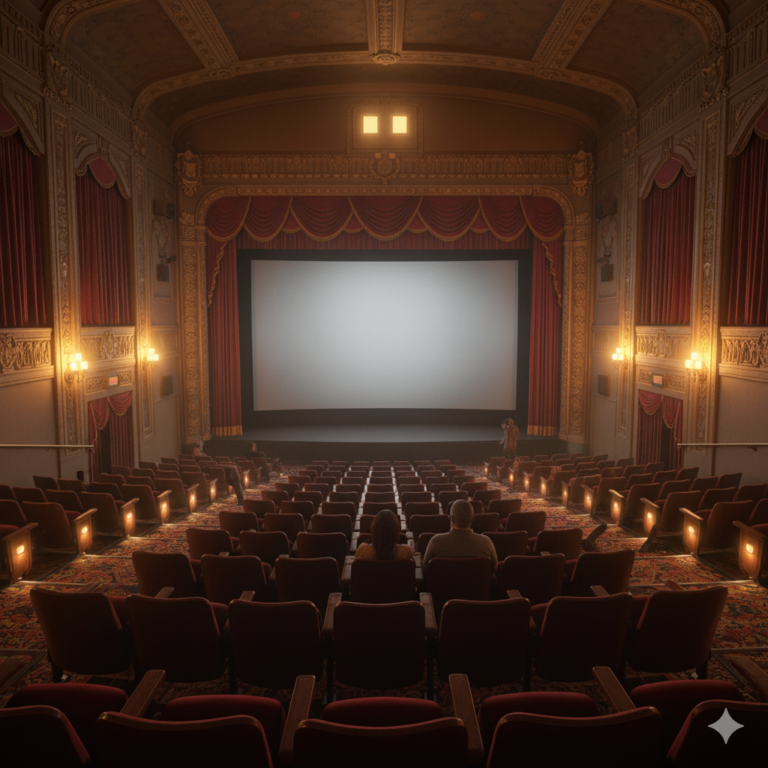
- **Choose appropriate seating** in the theater, particularly for younger or more sensitive children. Sitting further back from the screen reduces the overwhelming nature of large action sequences, and aisle seats allow for easy bathroom breaks or brief exits if a child becomes overstimulated.
- **Plan for post-movie discussion** by preparing questions about favorite characters, exciting scenes, and any moments that felt scary. This debriefing helps children process their experience and gives parents insight into what affected their child most.
How to Apply This
- **Set viewing expectations** by telling your child approximately how long the movie lasts and what type of story to expect. Children handle new experiences better when they have a framework for understanding what comes next.
- **Bring comfort items if appropriate** for younger children, such as a familiar stuffed toy or blanket, which can provide reassurance during intense scenes without disrupting other audience members.
- **Establish a signal system** where your child can communicate discomfort without needing to speak aloud, such as squeezing your hand if they feel scared and want reassurance or need to step out momentarily.
- **Follow up after the film** by connecting movie themes to real life, discussing how the characters worked together, solved problems creatively, and faced their fears. This reinforces positive messages while helping children process the experience.
Expert Tips
- **Trust your knowledge of your child** over generalized age recommendations. Some five-year-olds handle fantasy action without issue while some eight-year-olds need more support. The PG rating provides guidance, not absolute rules.
- **Avoid late showings** for younger children, as fatigue compounds anxiety and reduces their ability to self-regulate during potentially intense scenes. Matinee screenings typically work best for family viewing.
- **Preview specific scenes** if deeply concerned by searching for parental reviews or scene descriptions online once the film releases. Common Sense Media and similar sites provide detailed breakdowns of concerning content.
- **Consider a rewatch opportunity** for children who become overwhelmed during the theatrical experience. Knowing they can see it again at home, where they control the environment, reduces pressure during the first viewing.
- **Separate game anxiety from movie anxiety** as some children find passive viewing more stressful than active gameplay where they control outcomes. on the other hand, others find the movie less stressful since they bear no responsibility for character survival.
Frequently Asked Questions
How long does it typically take to see results?
Results vary depending on individual circumstances, but most people begin to see meaningful progress within 4-8 weeks of consistent effort.
Is this approach suitable for beginners?
Yes, this approach works well for beginners when implemented gradually. Starting with the fundamentals leads to better long-term results.
What are the most common mistakes to avoid?
The most common mistakes include rushing the process, skipping foundational steps, and failing to track progress.
How can I measure my progress effectively?
Set specific, measurable goals at the outset and track relevant metrics regularly. Keep a journal to document your journey.