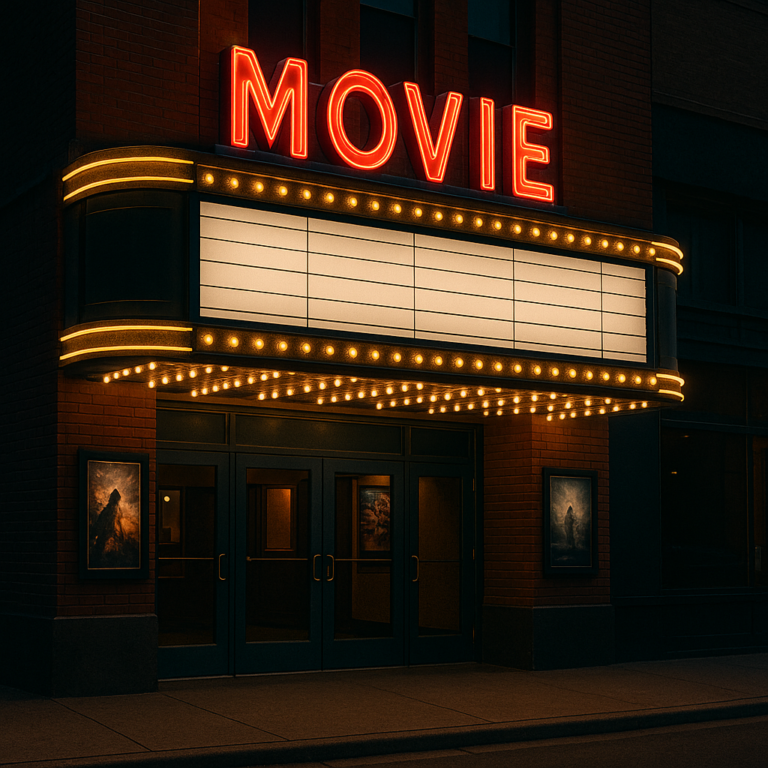
The concept of iconic haunted locations in film has shaped the horror genre for over a century, transforming ordinary buildings into characters as memorable as any actor on screen. From the imposing Victorian mansions of classic Hollywood to the suburban homes of modern supernatural thrillers, these cinematic spaces tap into primal fears about the places we inhabit. The haunted house, asylum, hotel, or cemetery becomes more than a backdrop””it evolves into a manifestation of psychological dread, historical trauma, and the uncanny intersection of the familiar and the terrifying. Understanding what makes these locations resonate with audiences reveals much about filmmaking craft and human psychology alike. Production designers, cinematographers, and directors collaborate to create spaces that feel simultaneously real and otherworldly.
The architecture itself often tells a story: winding corridors suggest confusion and entrapment, high ceilings dwarf human figures, and decaying interiors mirror the deterioration of the characters’ mental states. These decisions are never arbitrary. Every peeling wallpaper pattern, every shadowed corner, every creaking floorboard serves the narrative purpose of establishing dread. By the end of this exploration, readers will gain insight into the specific techniques filmmakers use to transform locations into sources of terror, the historical and cultural contexts that inform these choices, and the real-world inspirations behind some of cinema’s most frightening settings. Whether approaching this topic as a film student, a horror enthusiast, or someone curious about the craft of visual storytelling, this guide offers a detailed examination of how physical space becomes a vessel for fear.
Table of Contents
- What Makes a Location Truly Haunted in Film History?
- The Most Influential Haunted Houses in Horror Cinema
- Haunted Hotels and Institutions That Defined Supernatural Cinema
- How Filmmakers Transform Real Locations into Haunted Film Sets
- Common Architectural Elements in Iconic Haunted Film Locations
- International Perspectives on Haunted Film Locations
- How to Prepare
- How to Apply This
- Expert Tips
- Conclusion
- Frequently Asked Questions
What Makes a Location Truly Haunted in Film History?
The distinction between a merely spooky setting and a genuinely iconic haunted location in film lies in the synthesis of visual design, narrative function, and emotional resonance. A haunted location must feel lived-in, carrying the weight of implied history that extends beyond the runtime of the movie. The Overlook Hotel in “The Shining” (1980) exemplifies this principle””Stanley Kubrick and production designer Roy Walker created a space filled with Native American imagery and impossible architecture that suggests centuries of accumulated malevolence without explicit exposition. The hotel’s maze-like layout, with its impossible windows and spatially inconsistent rooms, creates subconscious unease even before any supernatural events occur.
historical context plays a crucial role in establishing a location’s haunted credentials. Many of the most memorable haunted settings draw on real architectural styles associated with specific eras of tragedy or social upheaval. The Gothic Revival mansions popular in films like “The Haunting” (1963) and “Crimson Peak” (2015) evoke the Victorian era’s preoccupation with death, spiritualism, and the boundaries between the living and the dead. The decaying antebellum plantation houses featured in Southern Gothic horror connect to the unresolved trauma of slavery and the Civil War.
- **Architectural symbolism**: Buildings in haunted films often feature vertical spaces (towers, staircases, attics) representing psychological ascent into madness or descent into buried secrets
- **Isolation as narrative device**: Iconic haunted locations are typically removed from society””remote hotels, country estates, island asylums””emphasizing the characters’ inability to escape
- **The uncanny familiar**: The most effective haunted spaces subvert domestic comfort, turning homes into traps and sanctuaries into prisons
The Most Influential Haunted Houses in Horror Cinema
The haunted house subgenre has produced some of cinema’s most enduring imagery, with certain properties achieving near-mythological status among horror fans. Hill House, as depicted in Robert Wise’s “The Haunting” (1963) and later Mike Flanagan’s 2018 Netflix adaptation, stands as perhaps the most psychologically complex haunted dwelling in film history. Shirley Jackson’s source novel described the house as having been “born bad,” and Wise translated this concept through oppressive camera angles, distorted wide-angle lenses, and a production design emphasizing doors that seem to breathe and walls that appear to close in on the inhabitants.
The Amityville house at 112 Ocean Avenue, featured in the 1979 film and its numerous sequels and remakes, represents a different approach to the cinematic haunted house””one rooted in alleged real-world events. The distinctive Dutch Colonial architecture with its quarter-round windows resembling malevolent eyes became so iconically associated with supernatural evil that it influenced haunted house design in films for decades afterward. The Amityville films demonstrate how location can transcend a single movie to become a franchise unto itself, with the house serving as the consistent element across wildly varying storylines and production qualities.
- **The Freeling residence in “Poltergeist” (1982)** brought haunted house horror to suburban tract housing, suggesting that supernatural evil could infest even the most mundane, newly constructed spaces
- **The Marsten House in “Salem’s Lot” (1979)** combined the traditional Gothic mansion aesthetic with Stephen King’s small-town American setting, creating a hybrid that influenced countless subsequent horror properties
- **Rose Red, the mansion in Stephen King’s 2002 miniseries**, explored the concept of a house that literally grows and changes, consuming rooms and people alike
Haunted Hotels and Institutions That Defined Supernatural Cinema
Beyond private residences, commercial and institutional spaces have provided some of horror cinema’s most disturbing haunted locations. The Overlook Hotel remains the gold standard, with Kubrick filming exteriors at the Timberline Lodge in Oregon and constructing elaborate interior sets at Elstree studios in England. The deliberate architectural impossibilities””windows in interior rooms, hallways that couldn’t physically exist, an impossible hedge maze””create a space that violates the viewer’s spatial understanding on a subconscious level. The hotel’s 1920s aesthetic, revealed in the film’s climactic photograph, suggests an entity that exists outside normal time, collecting souls across decades.
Psychiatric institutions represent another category of iconic haunted locations, drawing on cultural anxieties about mental illness, medical authority, and involuntary confinement. “Session 9” (2001) filmed at the actual Danvers State Hospital in Massachusetts, using the genuine Victorian Kirkbride building to devastating effect. The real location’s history of overcrowding, patient abuse, and eventual abandonment provided layers of authentic dread that no constructed set could replicate. Similarly, “Grave Encounters” (2011) and “House on Haunted Hill” (both the 1959 original and 1999 remake) mine the institutional setting for claustrophobic horror.
- **The Dolphin Hotel in “1408” (2007)** condensed haunted hotel horror into a single room, proving that physical scale matters less than psychological intensity
- **The Yankee Pedlar Inn in “The Innkeepers” (2011)** offered a low-key counterpoint to the Overlook’s grandeur, finding supernatural dread in a modest Connecticut establishment
- **Ashecliffe Hospital in “Shutter Island” (2010)** blurred the line between haunted institution and psychological thriller, using its remote island location to question reality itself
How Filmmakers Transform Real Locations into Haunted Film Sets
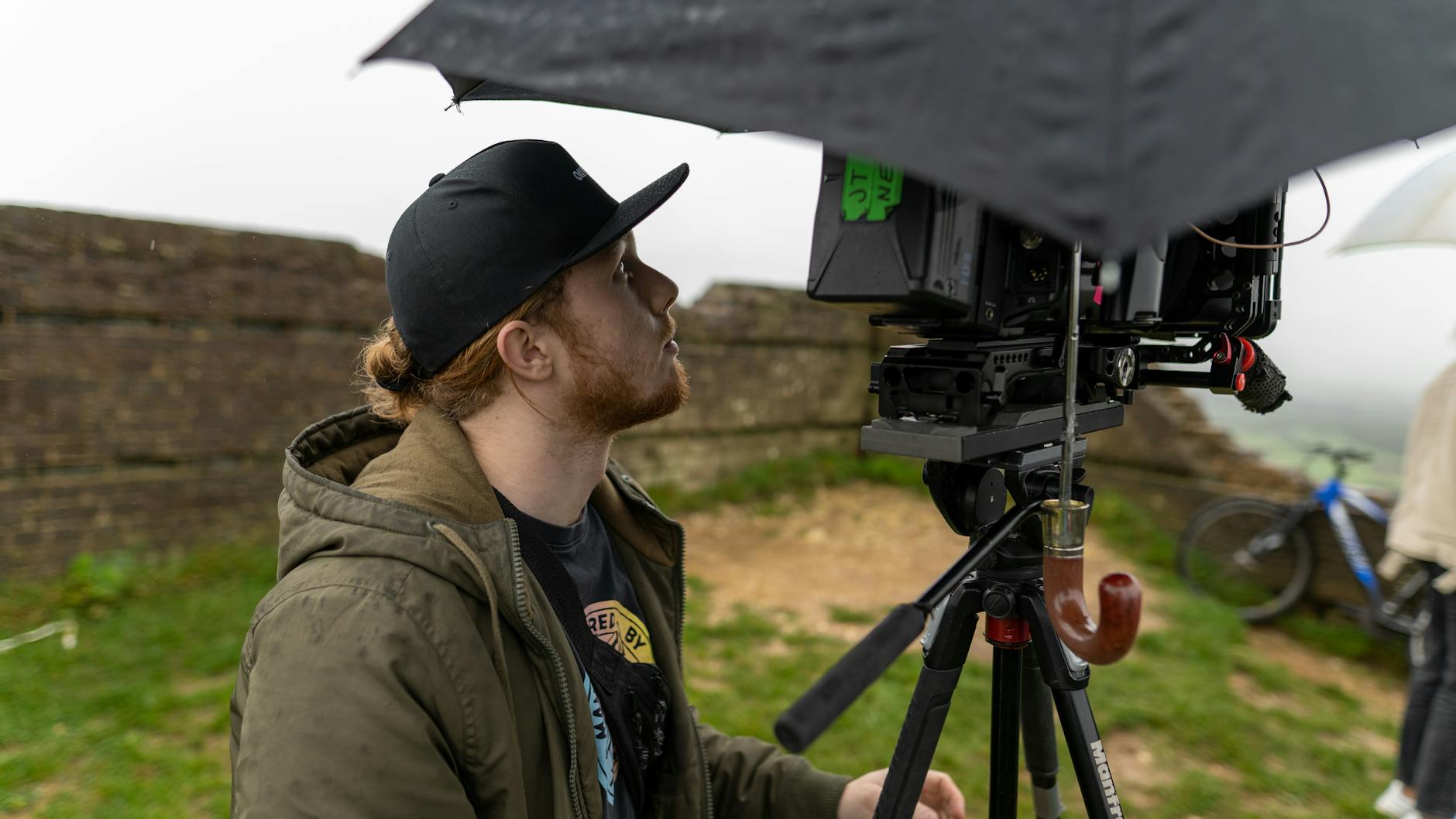
The practical process of creating iconic haunted locations involves collaboration between location scouts, production designers, cinematographers, and directors. Location scouting for horror films requires identifying properties that possess what industry professionals call “production value”””architectural features, natural lighting conditions, and ambient atmosphere that can be enhanced through filming techniques. The Ennis House, a Frank Lloyd Wright textile block structure in Los Angeles, has appeared in numerous genre films including “House on Haunted Hill” (1959) and “Blade Runner” (1982) precisely because its unusual geometric patterns create inherent visual unease.
Production design extends beyond selecting locations to modifying them for maximum psychological impact. Guillermo del Toro’s team on “Crimson Peak” (2015) constructed an elaborate Gothic mansion set at Pinewood Studios Toronto, spending months hand-applying layers of aging to create authentic-looking decay. The set included a working roof that allowed snow and leaves to fall through, making the house feel genuinely exposed to the elements. Del Toro specifically referenced the architectural philosophy of the “bleeding house”””a structure that appears to weep or ooze, as if the building itself were wounded.
- **Practical effects integration**: Physical locations must accommodate wirework, hidden doors, pneumatic effects, and other mechanical gags that create supernatural phenomena
- **Lighting design**: Cinematographers work with existing window placements and add supplementary lighting to create pools of shadow and areas of threatening darkness
- **Sound design consideration**: Locations are selected partly based on acoustic properties””high ceilings, hardwood floors, and hollow walls all contribute to the sonic texture of a haunted setting
Common Architectural Elements in Iconic Haunted Film Locations
Certain architectural features appear repeatedly across haunted film locations, forming a visual vocabulary that audiences have learned to associate with supernatural threat. Staircases rank among the most symbolically loaded elements, representing transitions between psychological states, social hierarchies, and the boundary between the living spaces above and buried secrets below. The staircase in “The Exorcist” (1973)””a steep outdoor flight in Georgetown known as the “Exorcist Steps”””became so iconic that it now functions as a tourist destination and has been officially renamed the “Exorcist Steps” by the city.
Windows in haunted films rarely function merely as sources of light; they become eyes through which malevolent forces observe the living or portals through which the supernatural threatens to enter. The distinctive quarter-round windows of the Amityville house exemplify this approach, as do the tall, narrow windows of Gothic mansions that seem to peer down at visitors. Mirrors present another recurring element, serving as doorways to alternate dimensions or surfaces that reveal what the naked eye cannot see, as in “Candyman” (1992), “Oculus” (2013), and “Mirrors” (2008).
- **Basements and attics**: These liminal spaces at the vertical extremes of domestic architecture consistently house the secrets that drive haunted narratives””the buried trauma literally beneath the surface or the forgotten history stored above
- **Long corridors**: Extended hallways create natural tension through their limited sightlines and the anticipation of what might emerge from the distant darkness
- **Decaying infrastructure**: Peeling paint, water damage, exposed lath beneath crumbling plaster, and overgrown vegetation all suggest neglect that has allowed supernatural forces to take root

International Perspectives on Haunted Film Locations
Horror cinema from outside the American studio system has contributed distinctive approaches to haunted locations that reflect different cultural relationships to architecture, history, and the supernatural. Japanese horror, or J-horror, typically features haunted locations that emphasize cramped urban spaces rather than isolated rural mansions. The apartment buildings in “Ju-On: The Grudge” (2002) and “Dark Water” (2002) derive their terror from the inescapability of dense city living””the haunted unit is merely one among hundreds, and the spirits can spread through plumbing and electrical systems like contagions.
European horror films often engage more directly with genuine historical trauma embedded in their locations. Spanish director J.A. Bayona’s “The Orphanage” (2007) used a real former children’s home, bringing the actual history of institutionalized childhood into dialogue with the fictional ghost story. Italian horror maestro Dario Argento repeatedly employed elaborate Art Nouveau and Art Deco settings in films like “Suspiria” (1977), filming in genuine German and Italian architectural landmarks to create spaces where beauty and horror intertwine inseparably.
How to Prepare
- **Research the production history**: Before viewing, investigate whether the film used practical locations, constructed sets, or digital environments. Understanding what the filmmakers actually built versus what they enhanced digitally reveals their priorities and budget allocations. Trade publications like American Cinematographer often publish detailed breakdowns of production design choices.
- **Study the architectural influences**: Identify the specific architectural style the production design references””Gothic Revival, Victorian, Craftsman, Brutalist, or others. Each style carries cultural associations that inform the viewing experience. Resources like architectural history surveys and period design catalogs provide context for these choices.
- **Map the space**: During viewing, attempt to construct a mental floor plan of the haunted location. Note when the geography becomes confusing or impossible, as these moments often represent intentional design choices meant to disorient the viewer. Kubrick’s Overlook Hotel deliberately cannot be mapped coherently.
- **Track environmental changes**: Note how the location transforms throughout the narrative””does it decay further, does weather change, do previously accessible areas become blocked? These changes typically parallel character psychological states or plot developments.
- **Listen to the space**: Sound design for haunted locations is as carefully constructed as visual design. Identify ambient sounds (creaking, settling, wind), the acoustic qualities of different rooms (echo, absorption), and how diegetic sounds interact with the musical score.
How to Apply This
- **Plan pilgrimages to accessible locations**: Many famous haunted film locations remain open to visitors. The Stanley Hotel in Colorado (inspiration for the Overlook), the Exorcist Steps in Washington D.C., the various houses used for the “Halloween” franchise in Pasadena and South Pasadena, and the Linda Vista Community Hospital in Los Angeles (featured in numerous horror productions) all permit some form of public access.
- **Document architectural details**: When visiting film locations, photograph specific architectural elements that appear on screen””doorways, staircases, windows, ceiling details. Compare these to how they appear in the finished film to understand how cinematography, lighting, and lens choices transform spaces.
- **Research local filming history**: Many cities maintain film commission databases documenting productions shot in their jurisdictions. These resources can identify haunted film locations in your area that you might not have known about, offering opportunities for analysis without extensive travel.
- **Apply analysis to new viewings**: When watching horror films for the first time, consciously apply the analytical frameworks developed through studying iconic examples. Ask how each new haunted location references, subverts, or extends the visual vocabulary established by earlier films.
Expert Tips
- **Pay attention to threshold moments**: The most psychologically potent moments in haunted location films often occur at doorways, windows, and other transition points. Notice how long the camera lingers on characters crossing these boundaries and what visual techniques accompany these transitions.
- **Consider the location’s relationship to genre conventions**: A haunted house film that places its mansion in bright sunlight rather than perpetual darkness is making a deliberate artistic choice. Understanding conventions allows you to recognize when films subvert or honor them.
- **Research the real estate**: The actual sale histories and ownership records of houses used in haunted films often reveal interesting stories. Some properties have been repeatedly used for horror productions, while others have struggled with stigmatized property status after appearing in famous films.
- **Study behind-the-scenes materials**: Commentary tracks, making-of documentaries, and production design interviews often reveal how specific effects were achieved and why certain locations were selected. The “Suspiria” (1977) restoration includes extensive discussion of how Argento and cinematographer Luciano Tovoli created the film’s distinctive color palette.
- **Visit architectural archives and museums**: Many of the buildings that inspired haunted film locations exist in preserved or documented form through historical societies and architectural collections. Understanding the original context and purpose of these structures enriches interpretation of their cinematic afterlives.
Conclusion
The study of iconic haunted locations in film reveals the horror genre’s sophisticated engagement with space, history, and psychology. These settings succeed not merely because they look creepy but because they embody complex ideas about domestic security, institutional authority, temporal continuity, and the persistence of trauma across generations. The Gothic mansion, the isolated hotel, the abandoned asylum””each draws on specific cultural anxieties while deploying time-tested visual techniques that filmmakers have refined over more than a century of experimentation.
For those seeking to deepen their appreciation of horror cinema, attending closely to location and setting opens new dimensions of meaning that might otherwise pass unnoticed. The architecture of fear follows its own logic, one that rewards careful observation and historical knowledge. Whether your interest is academic, creative, or simply that of an engaged viewer, understanding how filmmakers transform physical spaces into vessels of dread enriches every subsequent encounter with the genre’s most memorable works.
Frequently Asked Questions
How long does it typically take to see results?
Results vary depending on individual circumstances, but most people begin to see meaningful progress within 4-8 weeks of consistent effort.
Is this approach suitable for beginners?
Yes, this approach works well for beginners when implemented gradually. Starting with the fundamentals leads to better long-term results.
What are the most common mistakes to avoid?
The most common mistakes include rushing the process, skipping foundational steps, and failing to track progress.
How can I measure my progress effectively?
Set specific, measurable goals at the outset and track relevant metrics regularly. Keep a journal to document your journey.