The 15 best historical fiction horrors represent a unique intersection of meticulous period detail and visceral terror that continues to captivate audiences seeking more than standard slasher fare. These films transport viewers to specific moments in history”whether the witch trial hysteria of colonial New England, the plague-ravaged villages of medieval Europe, or the spiritualist parlors of Victorian England”while delivering genuine scares rooted in the anxieties and beliefs of those eras. The subgenre has experienced a significant renaissance in recent years, with filmmakers recognizing that historical settings provide rich soil for cultivating dread in ways that contemporary settings often cannot match. What makes historical fiction horror so compelling is its ability to tap into authentic cultural fears. When a film depicts witch trials, demonic possession, or supernatural entities within their proper historical context, the horror feels earned rather than arbitrary.
The strict social codes, limited scientific understanding, religious fervor, and isolation of pre-modern life all contribute to an atmosphere where the impossible seems terrifyingly possible. Viewers find themselves confronting not only monsters and malevolent forces but also the very real horrors humans have inflicted upon one another throughout history”persecution, fanaticism, and the violence born from fear of the unknown. By the end of this guide, readers will have a thorough understanding of what defines excellent historical horror cinema, which films exemplify the genre at its finest, and what specific elements make each entry worthy of attention. Whether seeking films that prioritize atmospheric dread over jump scares, historical accuracy alongside supernatural terror, or complex examinations of humanity’s dark past, this comprehensive breakdown provides the knowledge needed to navigate this fascinating corner of horror filmmaking. The following sections examine individual films, recurring themes, and the techniques directors employ to make the past feel both authentic and absolutely terrifying.
Table of Contents
- What Makes a Historical Fiction Horror Film Stand Out Among the Best?
- Essential Historical Horror Films from the 17th and 18th Centuries
- Victorian and Gothic Horror Cinema That Defines the Genre
- How to Choose Historical Horror Films Based on Your Viewing Preferences
- Common Misconceptions About Historical Fiction Horror Films
- The Rising Influence of Folk Horror Within Historical Settings
- How to Prepare
- How to Apply This
- Expert Tips
- Conclusion
- Frequently Asked Questions
What Makes a Historical Fiction Horror Film Stand Out Among the Best?
The distinction between a merely competent period horror film and one that earns placement among the best historical fiction horrors lies in the seamless integration of era-specific detail with genuine terror. Exceptional entries in this subgenre treat their historical settings not as window dressing but as fundamental elements that shape every aspect of the horror on display. Robert Eggers’ approach with “The Witch” (2015) exemplifies this philosophy”the dialogue, clothing, architecture, and even the specific variety of English spoken were researched extensively to recreate 1630s New England with documentary-level accuracy. This commitment transforms the supernatural elements from generic scares into expressions of authentic Puritan anxieties about wilderness, temptation, and damnation. Production design serves as another crucial differentiator.
Films like “Crimson Peak” (2015) and “The Others” (2001) demonstrate how architecture, lighting, and material culture can become characters in their own right. Guillermo del Toro spent years developing the crumbling Victorian mansion at the center of “Crimson Peak,” ensuring that every rotting floorboard and blood-red wall told a story about the Sharpe family’s decay. Similarly, Alejandro Amenábar’s post-World War II Jersey Island setting in “The Others” uses period-accurate gas lamps, heavy curtains, and the cultural trauma of wartime to create suffocating isolation before any ghost appears on screen. The finest historical horror films also grapple meaningfully with the ideologies and power structures of their chosen eras. Rather than simply using the past as an exotic backdrop for monster attacks, they examine how historical conditions created their own varieties of horror:.
- Religious persecution and the genuine terror experienced by both accusers and accused during witch trials
- Class stratification that trapped servants and workers in dangerous situations with no legal recourse
- Colonial violence and the supernatural expressions of cultural guilt it has inspired
- Gender oppression and the ways women’s limited autonomy made them vulnerable to both human and supernatural threats
- Medical ignorance that allowed diseases to spread and led to horrifying “treatments” for both physical and mental illness
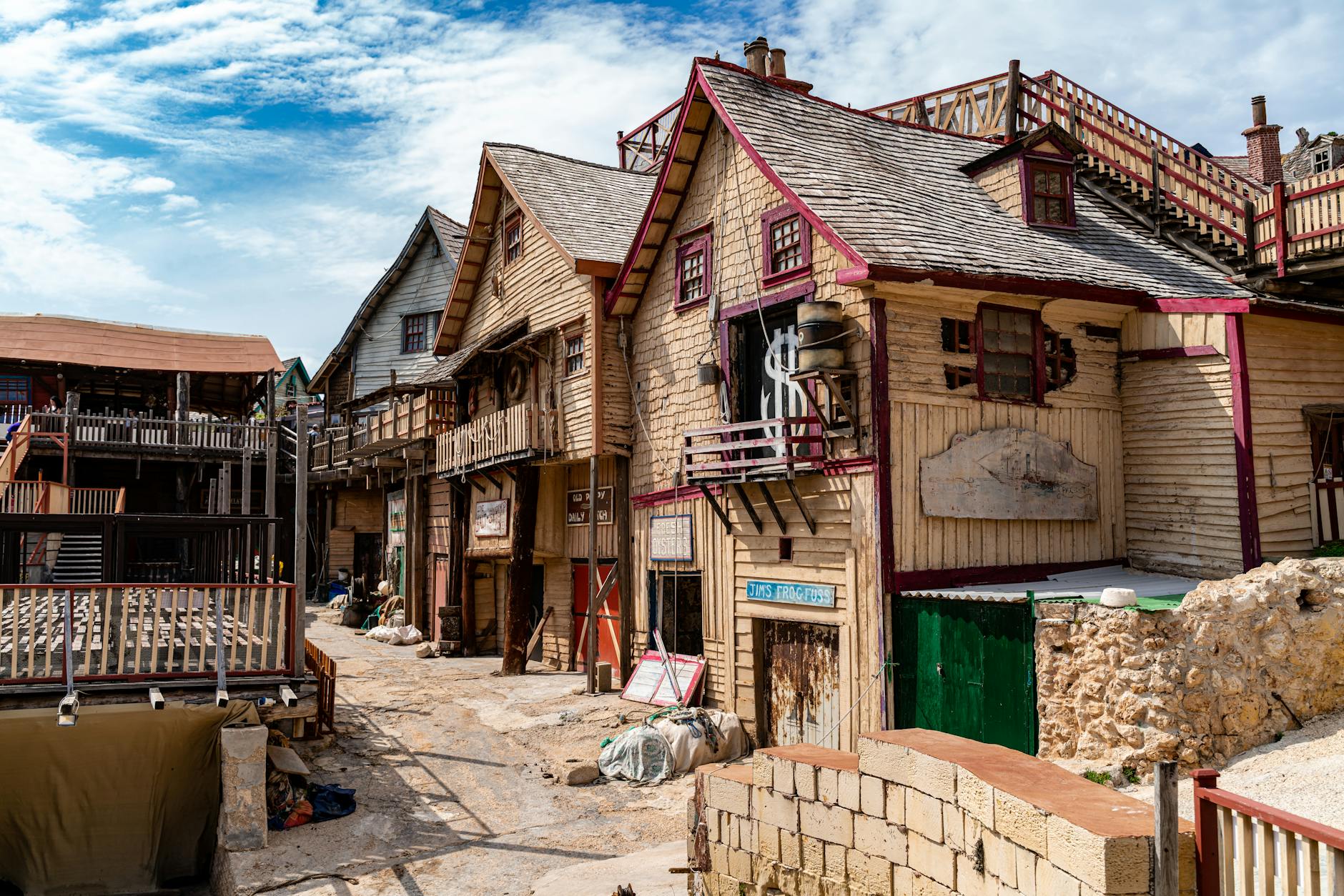
Essential Historical Horror Films from the 17th and 18th Centuries
The colonial and early modern periods have provided some of the richest material for historical fiction horror, with several films achieving both critical acclaim and cult status by excavating the terrors lurking beneath powdered wigs and Puritan bonnets. “The Witch” remains the gold standard for this era, following a Puritan family banished from their plantation who encounter genuine evil in the New England wilderness. Eggers drew from actual historical documents, including court records, diaries, and religious pamphlets, to construct dialogue and scenarios that feel disturbingly real. The film’s commitment to depicting Puritan cosmology”where Satan was a literal presence constantly seeking souls”transforms what could be simple folk horror into a devastating portrait of a family destroyed by their own beliefs as much as by any external force.
“Black Death” (2010), directed by Christopher Smith, plunges viewers into the nightmare of 14th-century England during the bubonic plague. Sean Bean leads a group of soldiers and a young monk investigating a village apparently untouched by the pestilence, rumored to be protected by a necromancer. The film refuses easy answers about faith, superstition, and the supernatural, leaving viewers uncertain whether the horrors they witness stem from demonic intervention or human cruelty justified by religious conviction. Its unflinching portrayal of torture, execution, and disease”all historically documented practices”proves more disturbing than any fictional monster could be. The 18th century provides the backdrop for several notable entries in the historical horror canon: These films share a commitment to showing how pre-industrial life”with its lack of rapid communication, medical care, or legal protection”created conditions where horror could flourish unchecked for months or years before anyone outside a small community would know.
- “Brotherhood of the Wolf” (2001) blends martial arts, political intrigue, and genuine horror in its fictionalized account of the Beast of Gévaudan attacks in 1760s France
- “The Wind” (2018) transposes frontier horror to the 1800s American plains, depicting a woman’s psychological disintegration amid isolation and possible supernatural threat
- “Bone Tomahawk” (2015) begins as a Western before revealing itself as brutal survival horror, with Kurt Russell leading a rescue party against a tribe of cannibalistic cave dwellers
Victorian and Gothic Horror Cinema That Defines the Genre
The Victorian era remains the most frequently mined period for historical horror, and for good reason. The collision of rigid social propriety with explosive scientific discovery, the tension between religious certainty and secular doubt, and the Gothic architecture that still dominates the popular imagination of “haunted houses” all contribute to an era seemingly designed for horror filmmaking. “Crimson Peak” (2015) represents Guillermo del Toro’s love letter to this tradition, featuring a young American author drawn into a nightmare marriage with an English baronet whose family home literally bleeds with the sins of its inhabitants. “The Woman in Black” (2012) demonstrates how effectively Victorian England’s isolation could be weaponized for horror.
Daniel Radcliffe plays a solicitor sent to a remote village to settle a deceased client’s estate, only to discover that the local children are dying under mysterious circumstances connected to a spectral figure. The film’s Eel Marsh House, accessible only by a causeway that floods at high tide, becomes a character embodying Victorian anxieties about being trapped by duty, propriety, and circumstance. The period setting allows for total isolation”no phones, no cars, no possibility of quick escape”that contemporary horror must work increasingly hard to contrive. The late 19th and early 20th centuries have inspired horror films exploring everything from Jack the Ripper to the birth of cinema itself: These films understand that Victorian horror works best when it highlights the era’s contradictions: a society that prided itself on rationality while spiritualism flourished in its parlors, that celebrated progress while millions lived in industrial squalor, that demanded propriety while Jack the Ripper stalked its streets.
- “From Hell” (2001) presents the Whitechapel murders through a conspiracy theory lens, with Johnny Depp’s opium-addicted inspector uncovering connections to the royal family
- “The Prestige” (2006), while primarily a thriller, incorporates genuine horror elements into its tale of rival Victorian magicians destroying each other through increasingly deadly competition
- “A Cure for Wellness” (2016) evokes turn-of-the-century European sanatoriums to create a medical horror experience that draws on the era’s horrifying treatments while delivering supernatural dread
How to Choose Historical Horror Films Based on Your Viewing Preferences
Selecting among the best historical fiction horrors requires understanding both personal tolerance levels and the specific type of horror experience each film offers. The subgenre encompasses everything from atmospheric slow-burns with almost no on-screen violence to brutal survival horror with extensive gore, and knowing which end of this spectrum a film occupies prevents unpleasant surprises. “The Others” and “The Innocents” (1961) exemplify restrained psychological horror where dread builds through suggestion, ambiguity, and masterful use of shadow and silence”ideal for viewers who find explicit violence off-putting but crave genuine terror.
For those seeking more visceral experiences, films like “Bone Tomahawk” and “Apostle” (2018) deliver unflinching depictions of violence that, while period-appropriate, will disturb even hardened horror fans. Gareth Evans’ “Apostle” follows a man infiltrating a remote island cult in early 1900s Wales to rescue his sister, eventually revealing cosmic horror elements that escalate the brutality significantly. Understanding this spectrum helps viewers select films matching their comfort levels while still experiencing the unique pleasures historical horror provides. Several factors warrant consideration when choosing historical horror viewing:.
- **Pacing expectations**: Many period horrors prioritize atmosphere over action, requiring patience that pays off in accumulated dread rather than immediate thrills
- **Historical accuracy versus entertainment**: Some films take significant liberties with their settings for dramatic effect, while others pursue near-documentary authenticity
- **Supernatural versus grounded horror**: Films like “The Witch” present supernatural evil as objectively real, while others like “Black Death” maintain ambiguity about whether anything genuinely otherworldly has occurred
- **Themes and triggers**: Historical settings often involve period-accurate depictions of racism, misogyny, religious persecution, and other forms of oppression that may prove disturbing for some viewers
Common Misconceptions About Historical Fiction Horror Films
One persistent misconception holds that historical horror films sacrifice scares for period accuracy”that the attention paid to authentic costumes and dialogue somehow diminishes their effectiveness as genre entertainment. The opposite proves true more often than not. “The Witch” terrified audiences precisely because its authenticity made its supernatural elements feel possible within that specific worldview. When Thomasin’s father genuinely believes Satan has targeted his family, when the dialogue sounds like actual 17th-century speech, when the farmstead looks like something from a museum reconstruction, the impossible becomes disturbingly plausible in ways that modern settings rarely achieve.
Another common error involves conflating all period horror with the Gothic tradition. While films set in Victorian mansions with ghostly women in white certainly comprise a significant portion of the subgenre, historical horror encompasses far more variety. “Tumbbad” (2018), an Indian production set across the early 20th century, draws on Hindu mythology and colonial exploitation to create horror utterly distinct from European Gothic traditions. “The Wailing” (2016), set in contemporary South Korea but deeply rooted in Korean shamanic traditions and Japanese colonial history, demonstrates how historical trauma can power horror across cultures and time periods. Additional misconceptions worth addressing include:.
- **Period settings require massive budgets**: Films like “The Witch” and “Hagazussa” (2017) prove that focused scope and practical effects can create stunning period horror on relatively modest budgets
- **Historical horror is inherently slower**: “Brotherhood of the Wolf” and “Bone Tomahawk” contain action sequences rivaling any contemporary film while maintaining period authenticity
- **The subgenre is exclusively European/American**: Korean, Indian, Thai, and Mexican filmmakers have produced outstanding historical horror drawing on their own cultural traditions and historical traumas
The Rising Influence of Folk Horror Within Historical Settings
Folk horror has emerged as perhaps the most vital strain of contemporary historical horror, drawing on pre-Christian beliefs, rural isolation, and the clash between modernity and ancient tradition to create deeply unsettling cinema. The unofficial “folk horror trilogy”””Witchfinder General” (1968), “The Blood on Satan’s Claw” (1971), and “The Wicker Man” (1973)”established templates that filmmakers continue to elaborate upon decades later. These foundational texts share an interest in how isolated communities preserve beliefs and practices that horrify outsiders, and how the English countryside harbors terrors invisible from London drawing rooms.
Recent entries have expanded folk horror’s geographic and temporal scope considerably. “Midsommar” (2019), while set in contemporary Sweden, essentially functions as historical horror by depicting a community that has preserved pagan practices unchanged for centuries. “Hagazussa” takes viewers to 15th-century Alpine communities where a young woman’s ostracism as a witch’s daughter leads to genuine connection with dark powers. These films share DNA with historical horror through their focus on pre-modern belief systems and social structures that make their horrors possible”modern secular societies simply could not produce the specific terrors on display.
How to Prepare
- **Research the historical period briefly**: Understanding basic facts about daily life, religious beliefs, and social structures during a film’s setting illuminates countless details that might otherwise pass unnoticed. Knowing that Puritans genuinely believed Satan walked among them, actively recruiting souls through witches and familiars, transforms “The Witch” from supernatural fiction into psychological realism depicting how that worldview might destroy a family.
- **Adjust pacing expectations consciously**: Historical horror frequently employs slower builds than contemporary genre fare. Recognizing this as intentional craft rather than poor pacing allows engagement with the accumulating dread these films cultivate. Setting aside phones and other distractions proves especially important for these deliberately paced experiences.
- **Watch in optimal conditions**: Period horror relies heavily on sound design, often using period-accurate silence to create unease. Viewing in darkened rooms with quality audio”headphones work well”captures the atmospheric work directors invest in these productions. The creaking of “The Woman in Black’s” Eel Marsh House loses effectiveness when competing with ambient noise.
- **Consider viewing supplementary materials afterward**: Many historical horror films benefit from director commentaries or behind-the-scenes features explaining research and design choices. Robert Eggers’ discussion of “The Witch’s” historical sources enriches subsequent viewings considerably.
- **Queue thematically related films together**: Watching several historical horrors from similar periods”a double feature of “The Witch” and “The Wind,” for instance”reveals how different filmmakers interpret similar anxieties and helps develop fluency in the subgenre’s visual and narrative language.
How to Apply This
- **Start with acclaimed accessible entries**: “The Others” and “Crimson Peak” provide excellent entry points, offering period atmosphere and genuine scares without the extreme content or challenging pacing of more demanding entries. These films establish baseline familiarity with historical horror conventions.
- **Progress to more challenging works**: After building comfort with the subgenre’s rhythms, films like “The Witch” and “Hagazussa” become more approachable. Their slower pacing and ambiguous narratives reward viewers who have developed patience and attention through earlier viewing.
- **Explore international historical horror**: After surveying Anglophone period horror, branching into international productions like “Tumbbad,” “The Wailing,” and “Satan’s Slaves” (2017) reveals how different cultures use historical settings to explore distinct anxieties and supernatural traditions.
- **Revisit favorites with historical context**: Returning to particularly effective films after researching their historical settings often reveals layers missed on first viewing. “Black Death” becomes considerably more disturbing when understanding the actual mortality rates and social collapse of the plague years.
Expert Tips
- **Track production designers and cinematographers, not just directors**: Historical horror’s effectiveness depends heavily on visual craft, and following the careers of cinematographers like Jarin Blaschke (“The Witch,” “The Lighthouse”) and production designers like Thomas E. Sanders (“Crimson Peak”) helps locate films achieving similar aesthetic excellence.
- **Seek out practical effects over CGI where possible**: Historical horror generally benefits from practical effects that interact with period environments realistically. Films boasting practical creature work and makeup effects typically age better than CGI-dependent productions and feel more integrated with their period settings.
- **Read reviews from horror-focused critics specifically**: General film critics sometimes penalize historical horror for slow pacing or ambiguity that genre-savvy reviewers recognize as intentional choices. Sites like Bloody Disgusting, Dread Central, and specialized horror podcasts provide more useful guidance than mainstream outlets.
- **Check content warnings for period-accurate violence and themes**: Historical settings often involve historical atrocities depicted with varying degrees of explicitness. Films set during witch trials, colonial expansion, or religious persecution frequently contain intense content that standard ratings may not adequately communicate.
- **Consider original language viewing for international productions**: Historical horror from non-English-speaking countries loses considerable atmosphere when dubbed, as period-appropriate speech patterns and regional accents contribute significantly to authenticity. Subtitles preserve these performances far more effectively.
Conclusion
The 15 best historical fiction horrors demonstrate that the genre’s power extends far beyond simple scares”these films offer windows into how past societies understood evil, explained suffering, and processed the terrors lurking at the edges of their worlds. Whether exploring Puritan colonies, plague-ravaged medieval villages, or crumbling Victorian mansions, the finest entries in this subgenre use historical authenticity as a foundation for horror that feels both alien and disturbingly recognizable. The fears that drove witch trials, the isolation that made help impossible, and the religious certainties that justified persecution all find expression in these films, connecting contemporary viewers to anxieties that shaped human history.
For those beginning their exploration of historical horror, the rich variety available ensures that personal preferences”whether for atmospheric slow-burns, brutal survival horror, or psychological ambiguity”can be satisfied within the subgenre. Starting with accessible classics and progressing toward more challenging works builds the familiarity with period conventions that allows full appreciation of films like “The Witch” and “Hagazussa.” International productions expand the scope beyond European and American traditions, revealing how cultures worldwide have used historical settings to confront their own supernatural fears and historical traumas. The subgenre continues to attract talented filmmakers who recognize that the past offers horrors no amount of modern technology can dispel”and that sometimes the most terrifying monsters are the beliefs and social structures humans themselves create.
Frequently Asked Questions
How long does it typically take to see results?
Results vary depending on individual circumstances, but most people begin to see meaningful progress within 4-8 weeks of consistent effort.
Is this approach suitable for beginners?
Yes, this approach works well for beginners when implemented gradually. Starting with the fundamentals leads to better long-term results.
What are the most common mistakes to avoid?
The most common mistakes include rushing the process, skipping foundational steps, and failing to track progress.
How can I measure my progress effectively?
Set specific, measurable goals at the outset and track relevant metrics regularly. Keep a journal to document your journey.