Understanding why IMAX charges premium prices requires looking beyond the simple label of “bigger screen” to examine the substantial technological infrastructure, proprietary systems, and viewing experience that differentiate IMAX from standard theatrical presentations. When moviegoers encounter ticket prices that run anywhere from five to ten dollars higher than standard showings, the natural question becomes whether the premium justifies the cost, and what exactly that extra money purchases. The question of IMAX pricing matters because theatrical cinema faces increasing competition from home entertainment systems, streaming services, and alternative viewing options.
Premium large format experiences represent one of the few areas where theaters can offer something genuinely irreplicable at home. For consumers making decisions about how to spend their entertainment budgets, understanding the technology and economics behind IMAX pricing provides the context needed to evaluate whether a particular film warrants the premium investment. This article breaks down the specific factors that contribute to IMAX premium pricing, from the proprietary projection and sound systems to the ongoing costs of maintaining these specialized venues. By examining the technological differences, business model considerations, and practical value propositions, readers will gain a comprehensive understanding of what separates IMAX from standard presentations and how to determine when paying more makes sense for their viewing preferences and circumstances.
Table of Contents
- What Makes IMAX Technology Cost More Than Standard Cinema Projection?
- The IMAX Sound System Investment That Drives Premium Ticket Prices
- How IMAX Theater Construction and Seating Design Affects Pricing
- Understanding IMAX Revenue Sharing and Licensing Fees That Affect Ticket Costs
- The Difference Between Real IMAX and IMAX Digital: Why Pricing Varies
- How Filmmakers Shooting in IMAX Format Justify Premium Theatrical Pricing
- How to Prepare
- How to Apply This
- Expert Tips
- Conclusion
- Frequently Asked Questions
What Makes IMAX Technology Cost More Than Standard Cinema Projection?
The foundation of imax premium pricing lies in genuinely different projection technology that requires substantially higher capital investment and ongoing operational costs. True IMAX systems utilize either dual 4K laser projectors or, in legacy venues, 15-perforation 70mm film projectors that dwarf the standard 35mm or 2K digital projection found in typical multiplexes. The laser systems alone cost upward of several hundred thousand dollars per auditorium, compared to roughly fifty to one hundred thousand for standard digital cinema projectors. Beyond the projectors themselves, IMAX theaters require specialized screens that differ fundamentally from standard cinema screens. Traditional IMAX screens measure at least 72 feet wide and 53 feet tall, though the largest exceed 100 feet in width.
These screens use proprietary coating technology designed to maximize brightness and color accuracy while maintaining uniformity across the entire surface. The screens are curved slightly inward to direct reflected light toward the audience rather than scattering it across the room. Manufacturing, shipping, and installing these massive screens represents a significant upfront cost that must be recouped over the theater’s operational lifetime. The proprietary IMAX Digital Media Remastering process, commonly called DMR, also factors into pricing structures. Films not originally shot in IMAX format undergo this conversion process, which enhances resolution, adjusts aspect ratios, and optimizes audio for IMAX presentation. Studios pay licensing fees to IMAX for this process, and those costs factor into the revenue-sharing arrangements between IMAX Corporation, film distributors, and theater operators.
- Dual laser projection systems cost three to five times more than standard digital cinema projectors
- Proprietary screen technology requires specialized manufacturing and installation
- Digital Media Remastering licensing adds costs to each film presentation
- Higher brightness requirements mean greater power consumption and lamp replacement costs

The IMAX Sound System Investment That Drives Premium Ticket Prices
Audio represents one of the most significant yet underappreciated factors in IMAX premium pricing. IMAX theaters utilize proprietary sound systems that differ substantially from standard Dolby or other common cinema audio configurations. The IMAX 12-channel sound system, and more recent implementations featuring even more discrete channels, requires specialized speaker installations precisely calibrated to each individual auditorium’s acoustic properties. The speaker systems themselves carry premium price tags, with IMAX specifying particular transducers, amplifiers, and processing equipment that must meet exacting standards. Unlike standard cinema audio that typically uses five or seven discrete channels plus subwoofers, IMAX sound systems place speakers throughout the auditorium, including overhead and side-surround positions, creating what the company describes as immersive audio that envelops viewers from all directions.
Each speaker requires individual amplification and careful time-alignment to ensure sound arrives at the audience position simultaneously from all sources. Acoustic treatment in IMAX auditoriums goes beyond standard cinema soundproofing. The rooms are designed to minimize unwanted reflections and standing waves that would muddy the audio presentation. This requires specialized materials on walls, ceilings, and even seating areas. The acoustic engineering and ongoing calibration requirements add both initial construction costs and continuing maintenance expenses that contribute to ticket pricing.
- Twelve-channel audio systems with overhead speakers cost significantly more than standard five or seven channel systems
- Individual auditorium acoustic calibration requires professional engineering
- Specialized acoustic treatment materials and installation increase construction costs
- Regular recalibration and maintenance ensures consistent audio quality
How IMAX Theater Construction and Seating Design Affects Pricing
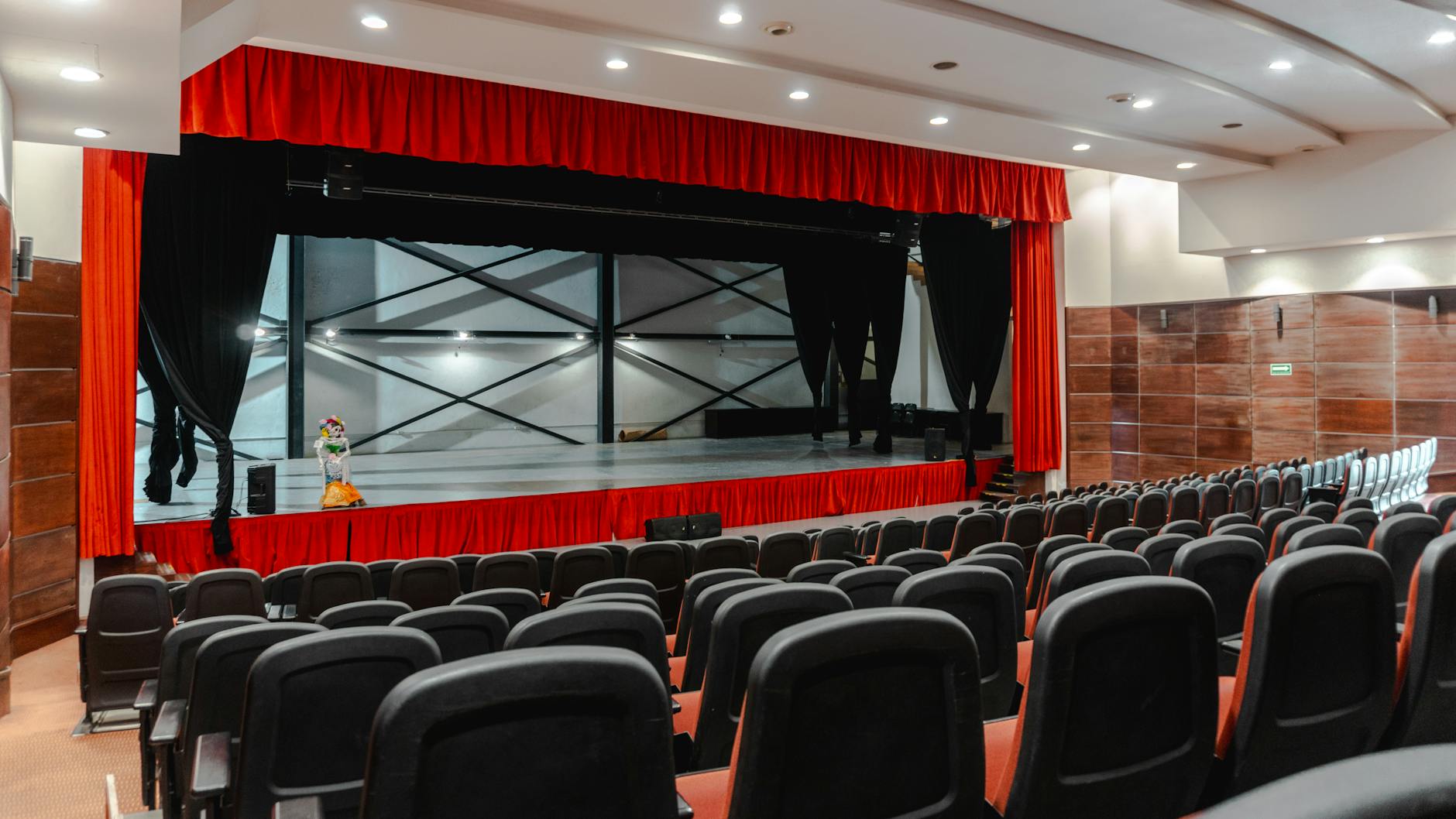
The physical construction of an IMAX auditorium differs fundamentally from standard cinema design, creating cost implications that extend throughout the building process. True IMAX venues feature stadium seating with steeper rake angles than typical theaters, positioning every seat within an optimal viewing cone relative to the screen. This design philosophy maximizes the percentage of the viewer’s field of vision occupied by the screen, creating the immersive effect that distinguishes IMAX from standard presentations. Seating density in IMAX auditoriums is intentionally lower than in standard cinemas, with wider seats and greater spacing between rows. This reduced capacity means each auditorium generates less potential revenue per showing than a similarly sized standard theater, requiring higher per-ticket prices to achieve equivalent returns.
The seats themselves often feature enhanced construction with better padding, wider armrests, and ergonomic design intended to support longer viewing sessions in comfort. Structural requirements for IMAX auditoriums add construction costs that standard theaters avoid. The massive screens require reinforced mounting systems, and the projection booth must accommodate equipment substantially larger and heavier than standard projectors. Many IMAX venues also incorporate isolated projection rooms to eliminate any possibility of mechanical noise from the projection system reaching the auditorium. These construction specifications translate directly into higher per-auditorium build costs that must be recovered through ticket pricing over time.
- Stadium seating with steeper angles requires more complex structural engineering
- Lower seating density reduces revenue per showing capacity
- Premium seating materials and construction increase per-seat costs
- Specialized structural requirements for screen mounting and projection equipment
Understanding IMAX Revenue Sharing and Licensing Fees That Affect Ticket Costs
The business relationship between IMAX Corporation, theater operators, and film distributors creates a complex revenue-sharing structure that influences ticket pricing at every level. Unlike standard cinema presentations where the theater simply licenses films from distributors, IMAX showings involve additional licensing arrangements with IMAX Corporation itself. Theaters pay ongoing fees for the right to use IMAX branding, technology, and quality standards. IMAX operates under several different business models depending on the specific venue. Some theaters operate under joint revenue-sharing arrangements where IMAX Corporation receives a percentage of ticket sales.
Others operate under equipment lease arrangements with fixed periodic payments. A third model involves theater chains purchasing IMAX systems outright while still paying ongoing licensing fees. Each of these arrangements places different cost pressures on operators, but all ultimately factor into ticket pricing decisions. Film studios also pay IMAX for the DMR conversion process and for the right to advertise films as IMAX presentations. These costs get incorporated into the overall distribution economics of each film, influencing the minimum ticket prices that studios and distributors require theaters to charge. The interconnected nature of these agreements means that IMAX premium pricing reflects not just technology costs but an entire ecosystem of licensing, branding, and quality control arrangements.
- Theater operators pay licensing fees to IMAX Corporation for branding and technology use
- Revenue-sharing arrangements vary by venue and affect local pricing decisions
- Studios pay for DMR conversion and IMAX marketing rights
- Complex multi-party agreements establish minimum pricing floors
The Difference Between Real IMAX and IMAX Digital: Why Pricing Varies
Not all IMAX presentations are equivalent, and understanding the distinction between different IMAX formats explains some pricing variations consumers encounter. The original IMAX format, sometimes called “true IMAX” or “IMAX 70mm,” utilizes film stock with frames ten times larger than standard 35mm film, producing unmatched resolution and image quality. These legacy theaters, often found in museums and science centers, represent the original IMAX experience but are increasingly rare for commercial film presentations. IMAX with Laser represents the current premium digital format, utilizing dual 4K laser projectors capable of producing twelve-channel audio and presenting films in the expanded IMAX aspect ratio.
These systems deliver brightness, contrast, and resolution that rivals or exceeds the original 70mm format while offering the practical advantages of digital distribution. Theaters equipped with IMAX with Laser typically command the highest premium prices in their markets. IMAX Digital, sometimes derisively called “LieMAX” by film enthusiasts, utilizes single-projector systems with smaller screens in retrofitted auditoriums originally designed for standard presentations. While these venues meet IMAX’s minimum specifications and offer improvements over standard digital cinema, they do not deliver the same experience as purpose-built IMAX venues. Some markets see similar pricing across all IMAX variants, while others adjust prices based on the specific technology deployed.
- True 70mm IMAX remains rare but represents the original premium format
- IMAX with Laser provides the current highest-quality digital IMAX experience
- IMAX Digital offers modest improvements over standard presentations at lower cost points
- Consumer awareness of format differences affects perceived value

How Filmmakers Shooting in IMAX Format Justify Premium Theatrical Pricing
The increasing number of filmmakers choosing to shoot partially or entirely with IMAX cameras provides additional justification for premium pricing by delivering genuinely differentiated content. Directors including Christopher Nolan, Denis Villeneuve, and others have championed IMAX acquisition, shooting sequences or entire films with IMAX-certified cameras that capture significantly more visual information than standard cinema cameras. When a film includes sequences shot natively in IMAX format, the theatrical presentation in an IMAX venue provides content unavailable in any other format.
The expanded aspect ratio reveals additional image area at the top and bottom of the frame, showing viewers approximately 26 percent more picture than the standard widescreen version. This exclusive content creates genuine added value that exists nowhere else, including home video releases which typically present only the cropped widescreen version. Studios increasingly recognize that IMAX presentations drive significant box office revenue, with some films earning disproportionate percentages of their total grosses from premium format screenings. This success encourages continued investment in IMAX capture and post-production, creating a virtuous cycle that benefits both the format and audiences willing to pay premium prices for premium content.
How to Prepare
- Research which IMAX format your local theater uses by checking the theater’s website or calling directly to ask whether they operate IMAX with Laser, IMAX Digital, or another variant. This information helps calibrate expectations against price and determines whether the premium represents genuine value for your specific venue.
- Verify whether the film you plan to see was shot partially or entirely in IMAX format by checking the film’s official marketing materials or searching for filmmaker interviews discussing the production. Films with native IMAX footage provide exclusive content unavailable in standard presentations, strengthening the value proposition.
- Select seats strategically by choosing locations in the center section, roughly two-thirds of the way back from the screen. This positioning places you in the optimal viewing cone designed into IMAX auditorium geometry, ensuring you experience the intended field-of-view immersion.
- Arrive early enough to settle in before the presentation begins, as IMAX pre-shows often include technology demonstrations and calibration sequences that orient viewers to the audio and visual capabilities they paid premium prices to experience.
- Consider matinee or weekday showings where available, as many theaters offer reduced pricing for off-peak IMAX presentations while delivering identical technical quality to prime-time showings.
How to Apply This
- Compare IMAX pricing at multiple theaters within your travel radius, as prices can vary significantly between venues even within the same market, and a slightly longer drive might access a superior format at comparable or lower cost.
- Evaluate each film individually rather than defaulting to IMAX for every release by considering whether the specific movie benefits from large-format presentation based on its visual scope, sound design, and whether it includes native IMAX footage.
- Use theater loyalty programs and credit card benefits that often provide discounts on premium format showings, reducing the effective premium while maintaining access to the enhanced experience.
- Share IMAX experiences with others to divide the premium cost among multiple attendees while creating shared entertainment value, making the per-person impact more manageable for films that genuinely benefit from the format.
Expert Tips
- Prioritize IMAX for films with significant practical effects, outdoor cinematography, and sound design complexity, as these elements benefit most from large-format presentation while CGI-heavy films often show less differentiation from standard digital projection.
- Check whether your preferred seat is available before committing to IMAX pricing, as a suboptimal seat in an IMAX auditorium may deliver less value than an ideal seat in a standard presentation.
- Read reviews specifically mentioning IMAX presentation quality for new releases, as some films receive better DMR treatment than others and reviewer feedback helps identify which releases justify the premium.
- Consider that the value of IMAX extends beyond technical specifications to include typically more attentive audiences, better-maintained facilities, and higher operational standards that reduce disruptions during presentations.
- Remember that home video releases rarely preserve IMAX formatting, making theatrical IMAX your only opportunity to see certain films as their directors intended, which may justify premium pricing for specific releases regardless of general value calculations.
Conclusion
The premium prices IMAX charges reflect genuine technological investments in projection systems, sound infrastructure, theater design, and ongoing operational standards that differentiate the format from standard cinema presentations. Understanding these cost factors allows consumers to make informed decisions about when IMAX premium pricing delivers sufficient value to justify the additional expense and when standard presentations might serve their needs adequately. The calculation ultimately depends on individual priorities, specific film characteristics, and local venue quality.
For visually ambitious films shot with IMAX cameras and exhibited in properly equipped venues, the premium provides access to an experience unavailable anywhere else. For more modest productions in lesser IMAX installations, the value proposition becomes less clear. Armed with knowledge of format differences, venue specifications, and film production choices, moviegoers can approach IMAX pricing as informed consumers rather than marketing targets.
Frequently Asked Questions
How long does it typically take to see results?
Results vary depending on individual circumstances, but most people begin to see meaningful progress within 4-8 weeks of consistent effort.
Is this approach suitable for beginners?
Yes, this approach works well for beginners when implemented gradually. Starting with the fundamentals leads to better long-term results.
What are the most common mistakes to avoid?
The most common mistakes include rushing the process, skipping foundational steps, and failing to track progress.
How can I measure my progress effectively?
Set specific, measurable goals at the outset and track relevant metrics regularly. Keep a journal to document your journey.