The question of why some movies feel like IMAX cash grabs has become increasingly relevant as premium large format screenings now account for a significant portion of opening weekend box office revenue.
What was once a documentary format reserved for museum exhibitions and nature films has transformed into a marketing juggernaut that studios leverage to extract higher ticket prices from audiences eager for the ultimate cinematic experience.
The disconnect between what IMAX promises and what many films actually deliver has created a growing skepticism among moviegoers who feel they are paying premium prices for a substandard product. This tension sits at the intersection of artistic integrity and commercial pressure.
Studios face enormous financial risks with blockbuster productions routinely costing between $200 million and $400 million before marketing expenses.
- Some Movies Feel: Table of Contents
- What Makes a Movie Feel Like an IMAX Cash Grab Instead of a Premium Experience?
- The Business Model Behind IMAX Premium Pricing and Studio Partnerships
- Technical Differences Between True IMAX Filmmaking and Post-Conversion Releases
- How to Identify Which Movies Deserve Your IMAX Ticket Money
- Common Issues with IMAX Presentations and How Studios Exploit the Format
- The Future of IMAX and Potential Consumer Protections
- How to Prepare
- How to Apply This
- Expert Tips
- Conclusion
- Frequently Asked Questions
- You Might Also Like
The IMAX brand provides a convenient way to boost per-ticket revenue, sometimes by 40 to 60 percent compared to standard screenings. But when a film shot entirely on conventional digital cameras receives a cursory conversion to fill IMAX screens, audiences notice.
The promised immersion feels hollow, the expanded aspect ratio reveals no additional visual information, and the enhanced sound mix amounts to little more than increased volume.
By the end of this article, you will understand the technical differences between genuine IMAX productions and upconverted releases, recognize the warning signs of a cash-grab release strategy, and develop the knowledge to make informed decisions about when premium format tickets are worth the investment.
The goal is not to discourage support for large format cinema, which remains one of the most powerful ways to experience film, but to arm viewers with the critical framework necessary to distinguish genuine enhanced experiences from marketing exercises.
Table of Contents
- What Makes a Movie Feel Like an IMAX Cash Grab Instead of a Premium Experience?
- The Business Model Behind IMAX Premium Pricing and Studio Partnerships
- Technical Differences Between True IMAX Filmmaking and Post-Conversion Releases
- How to Identify Which Movies Deserve Your IMAX Ticket Money
- Common Issues with IMAX Presentations and How Studios Exploit the Format
- The Future of IMAX and Potential Consumer Protections
- How to Prepare
- How to Apply This
- Expert Tips
- Conclusion
- Frequently Asked Questions
What Makes a Movie Feel Like an IMAX Cash Grab Instead of a Premium Experience?
The distinction between a legitimate imax presentation and a cash grab often comes down to acquisition format and aspect ratio. True IMAX films are shot using IMAX-certified cameras, which capture imagery at resolutions far exceeding standard digital cinema.
The original IMAX 70mm film format produced a negative with roughly 18,000 lines of horizontal resolution, while modern IMAX digital cameras shoot at resolutions between 6K and higher. When these native IMAX shots fill the 1.43:1 aspect ratio screen, the result is genuinely breathtaking.
Films like Christopher Nolan’s Oppenheimer and Dunkirk used IMAX cameras extensively, providing genuine visual payoff for the premium ticket price.
Contrast this with the Digital Media Remastering (DMR) process that allows any film to be shown on IMAX screens. A movie shot on standard Arri Alexa cameras at 2.8K to 4.5K resolution can be upscaled and digitally processed for IMAX exhibition.
The image fills more of the tall IMAX screen, but it contains no additional visual information. The process is analogous to stretching a photograph beyond its native resolution. Technical artifacts like increased grain, softness, and reduced contrast become more apparent when projected at such massive sizes.
Audiences paying $25 or more for these screenings are essentially watching a magnified version of the same imagery available in standard auditoriums.
- Native IMAX footage provides measurably higher resolution and expanded aspect ratios with additional picture information
- DMR upconversion stretches existing footage without adding genuine visual enhancement
- Sound mixing for IMAX can be distinctive, but many converted films use the same audio masters as standard releases
- Post-conversion 3D adds another layer of potential disappointment, as retrofitted dimensional effects rarely match films designed for stereoscopic capture

The Business Model Behind IMAX Premium Pricing and Studio Partnerships
Understanding why movies feel like IMAX cash grabs requires examining the financial incentives driving studio decisions. IMAX Corporation operates on a revenue-sharing model with both theater owners and film distributors. The company typically takes between 10 and 15 percent of box office grosses from IMAX screenings, with theaters and studios splitting the remainder.
This creates a mutual interest in maximizing the number of IMAX releases regardless of technical suitability.
Every major tentpole becomes an IMAX candidate not because it benefits from the format but because the release window generates substantial revenue. The opening weekend economics make particularly clear why studios push IMAX screenings aggressively.
A film opening on 400 IMAX screens in North America, with average ticket prices of $22 versus $14 for standard screenings, generates roughly 57 percent more revenue per seat.
If those screens average 250 tickets per showing across a weekend with four prime showings daily, the IMAX gross alone approaches $9 million before the film reaches a single standard auditorium.
Studios negotiating distribution terms often secure IMAX exclusivity for opening weekend, pushing other films off premium screens regardless of which release better suits the format.
- IMAX revenue sharing creates incentives to maximize releases rather than curate for quality
- Opening weekend economics favor IMAX placement for any film with sufficient marketing support
- Theater chains like AMC and Regal depend on premium formats to offset declining standard ticket sales
- The IMAX brand has become diluted through overexploitation, with the company licensing its name to smaller “IMAX with Laser” and older “Lie-MAX” screens that fall short of genuine IMAX specifications
Technical Differences Between True IMAX Filmmaking and Post-Conversion Releases
Genuine IMAX cinematography involves substantial creative and logistical commitment. The IMAX MSM 9802 camera weighs approximately 100 pounds when loaded with film, produces significant operational noise that complicates dialogue recording, and runs through a 1,000-foot magazine in just over two minutes of continuous shooting.
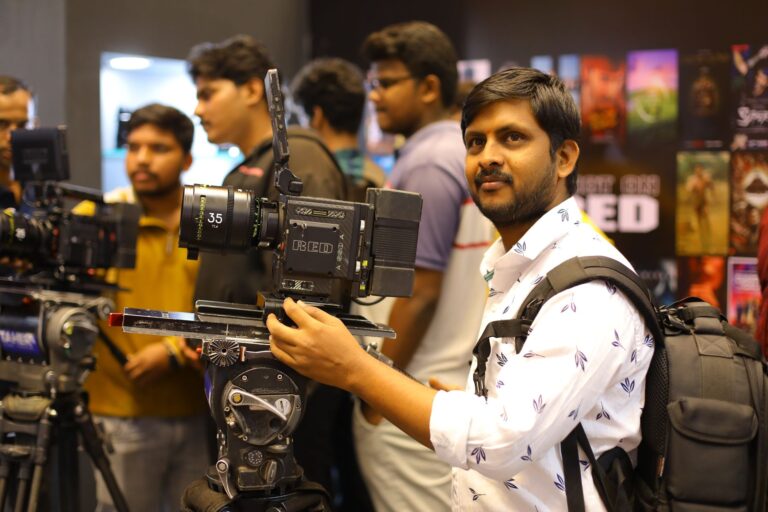
Modern IMAX digital cameras like the ARRI Alexa 65 IMAX offer more practical shooting options, but they still represent specialized equipment requiring distinct workflow considerations. Directors who commit to IMAX typically design shots specifically for the expanded frame, composing imagery that leverages the additional vertical space.
Post-conversion lacks this intentionality entirely.
When a film shot at a 2.39:1 aspect ratio gets prepared for IMAX exhibition, technicians either crop the sides to fill more vertical screen space, which removes picture information, or they present the original framing with black bars on the massive IMAX screen, negating much of the format’s visual impact.
Some productions shoot “open gate” to protect for multiple aspect ratios, which allows genuine expanded framing without the creative forethought that distinguishes purpose-built IMAX sequences. The audience experience differs substantially even if the marketing materials fail to communicate these distinctions.
- IMAX cameras capture 70 percent more image area than standard 35mm film or comparable digital formats
- True IMAX sequences require specialized lenses, rigging, and often custom camera housings
- Directors working in IMAX design compositions for the 1.43:1 aspect ratio rather than cropping in post-production
- The format’s dynamic range and color reproduction exceed standard digital cinema only when properly mastered

How to Identify Which Movies Deserve Your IMAX Ticket Money
Moviegoers can protect themselves from IMAX cash grabs by researching production specifics before purchasing tickets. The key question is whether the film was shot using IMAX-certified cameras for any portion of its runtime.
Studios promoting genuine IMAX productions typically highlight this in marketing materials, with phrases like “filmed with IMAX cameras” or “select sequences shot in IMAX.” If marketing emphasizes only that the film is “presented in IMAX” or “specially formatted,” this usually indicates post-conversion rather than native capture. The filmmaker’s track record provides another useful signal.
Directors like Christopher Nolan, Denis Villeneuve, and portions of the Marvel and DC film slates have championed genuine IMAX photography. These productions often feature shifting aspect ratios, expanding from widescreen letterbox to full IMAX frame for action sequences or scenic vistas. This visual signature indicates intentional IMAX filmmaking rather than afterthought conversion.
Conversely, comedy, horror, and dialogue-driven drama rarely benefit from IMAX presentation regardless of how they are marketed, since these genres emphasize intimate human connection over visual spectacle.
- Check whether marketing materials specify “shot with IMAX cameras” versus generic IMAX presentation
- Shifting aspect ratios within a film indicate genuine IMAX sequences
- Genre matters: spectacle-driven blockbusters benefit more than character studies
- Review sites and cinematography publications often detail which sequences feature native IMAX footage
Common Issues with IMAX Presentations and How Studios Exploit the Format
Several recurring problems plague IMAX releases that were not designed for the format. Brightness represents a persistent concern, as larger screens require more powerful projection to maintain acceptable luminance levels. Many IMAX presentations appear dimmer than their standard counterparts, particularly for 3D showings where polarized glasses reduce light transmission by roughly 50 percent.
Studios pushing 3D IMAX conversions often create the worst viewing experiences, combining upscaled imagery with dimensionality that was never part of the original cinematographic vision.
Sound mixing provides another avenue for exploitation. While IMAX theaters feature impressive 12-channel audio systems capable of object-based mixing, many converted films do not receive unique IMAX audio masters. The sound might be louder, but it lacks the spatial positioning and dynamic range that genuine IMAX presentations deliver.
Audiences assume the premium price includes premium audio, but converted releases frequently provide the same fundamental mix as standard auditoriums, just amplified to match the larger space.
- Screen brightness often suffers in IMAX presentations, particularly for 3D screenings
- Not all IMAX releases receive dedicated audio mixing for the format
- Post-converted 3D combined with IMAX upscaling creates compounded quality issues
- Older “Lie-MAX” screens with smaller dimensions provide minimal benefit over standard premium large format auditoriums

The Future of IMAX and Potential Consumer Protections
Industry observers have called for clearer disclosure standards regarding IMAX releases. Proposals include requiring studios to specify the percentage of a film captured with IMAX cameras, mandating distinct marketing for native versus converted presentations, and establishing minimum technical specifications for the “IMAX” label.
IMAX Corporation has shown limited interest in such transparency, as it would necessarily reduce the number of eligible releases and corresponding revenue.
Some positive developments have emerged. Filmmakers increasingly advocate for IMAX when appropriate, using their creative leverage to ensure proper technical execution. Streaming services like Netflix producing theatrical releases have invested in IMAX-certified capture for prestige productions, recognizing the format’s marketing value.
Educated audiences who vote with their wallets, supporting genuine IMAX productions while avoiding cash grabs, ultimately provide the most effective market pressure for improved practices.
How to Prepare
- Research the production’s camera package by searching for interviews with the cinematographer or director discussing their technical choices. Films shot with IMAX cameras typically receive coverage in trade publications like American Cinematographer.
- Check the film’s aspect ratio information, which is often available on IMDb’s technical specifications page. Look for notation indicating variable aspect ratios, which suggests genuine IMAX sequences rather than uniform conversion.
- Identify which IMAX theater you would attend and research its specifications. True IMAX screens measure 72 feet wide or larger, while smaller “IMAX with Laser” auditoriums may offer less dramatic improvement over standard premium formats.
- Read reviews from technical-focused critics who specifically address projection quality and format-specific presentation differences. Sites like High Def Digest and specialized home theater forums often detail IMAX technical specifications.
- Consider the genre and visual style of the film. Expansive landscapes, aerial photography, and large-scale action sequences benefit most from IMAX presentation, while intimate dramas and horror films rarely justify the premium.
How to Apply This
- Compare the IMAX ticket price to standard screenings and calculate the premium percentage. If the increase exceeds 50 percent without native IMAX footage, consider whether enhanced sound alone justifies the cost.
- Choose true IMAX venues over smaller IMAX-branded auditoriums when possible. The larger screen size provides more dramatic visual impact even for converted films.
- Avoid 3D IMAX screenings for films not natively captured in 3D, as the combination of post-conversion upscaling and dimensional conversion compounds quality issues while adding additional ticket surcharges.
- Support filmmakers who invest in genuine IMAX production by prioritizing their releases for premium screenings, creating market incentives for continued technical excellence.
Expert Tips
- Time your IMAX viewing strategically: opening weekend IMAX presentations often have superior calibration, while extended runs may suffer from lamp degradation and reduced maintenance attention.
- Seat selection matters more in IMAX auditoriums than standard theaters. The center sweet spot provides optimal visual and audio experience; edges and front rows can produce distortion and discomfort given the screen size.
- When a studio promotes a film as “digitally remastered for IMAX” without mentioning native IMAX capture, treat this as a red flag indicating upconversion rather than genuine enhanced footage.
- Compare pricing between IMAX and competing premium large format options like Dolby Cinema. For converted releases, Dolby’s HDR and Atmos presentation may provide superior visual experience at comparable or lower prices.
- Join IMAX’s email list and follow trade publications to learn which upcoming releases feature genuine IMAX photography, allowing advance planning for premium screenings that deliver actual value.
Conclusion
The frustration surrounding IMAX cash grabs stems from a fundamental mismatch between marketing promises and technical reality. When studios charge substantial premiums for presentations that differ minimally from standard auditoriums, they erode trust in the premium format ecosystem that benefits filmmakers, exhibitors, and audiences alike.
The technology behind genuine IMAX filmmaking represents one of cinema’s most powerful tools for creating immersive experiences, but that potential is squandered when the format becomes purely a revenue extraction mechanism.
Informed audiences represent the best defense against exploitative practices. By understanding the technical differences between native IMAX production and post-conversion, recognizing the financial incentives driving studio decisions, and evaluating each release on its specific merits, moviegoers can direct their premium ticket purchases toward presentations that deliver genuine value.
This market pressure, combined with the advocacy of filmmakers committed to the format’s potential, may eventually push the industry toward greater transparency and technical integrity. The magic of seeing a film truly designed for IMAX remains worth pursuing, even as it requires vigilance to separate genuine spectacle from marketing exercise.
Frequently Asked Questions
How long does it typically take to see results?
Results vary depending on individual circumstances, but most people begin to see meaningful progress within 4-8 weeks of consistent effort.
Is this approach suitable for beginners?
Yes, this approach works well for beginners when implemented gradually. Starting with the fundamentals leads to better long-term results.
What are the most common mistakes to avoid?
The most common mistakes include rushing the process, skipping foundational steps, and failing to track progress.
How can I measure my progress effectively?
Set specific, measurable goals at the outset and track relevant metrics regularly. Keep a journal to document your journey.
You Might Also Like
- Why Avatar Is So Expensive in IMAX
- IMAX Ticket Prices Over the Years
- Avatar IMAX vs Standard Ticket Price
For more on Some Movies Feel, see the full breakdown above – the some movies feel details cover what most viewers want to know.
Whether you searched for some movies feel reviews, some movies feel streaming, or some movies feel cast, this guide consolidates the relevant some movies feel facts in one place.