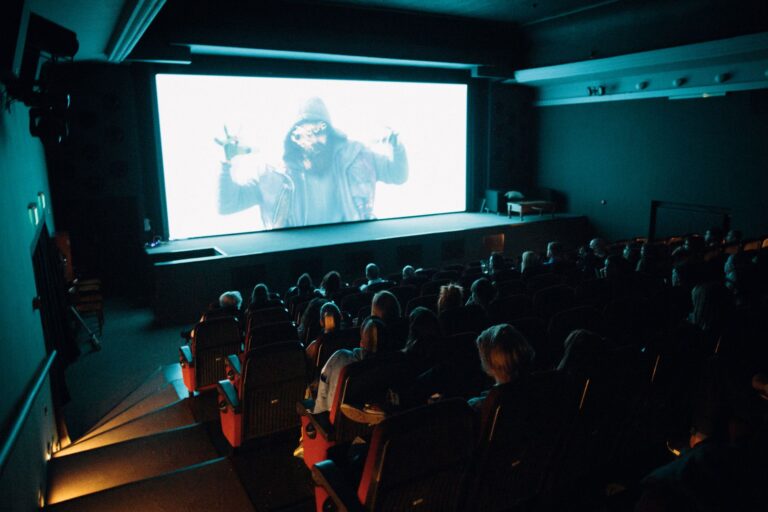
The “next most quoted scene” refers to moments from films that are actively gaining traction as cultural reference points—scenes that audiences are beginning to repeatedly cite, paraphrase, and share across social media, in conversation, and in memes. These aren’t necessarily the most famous quotes ever; they’re scenes that represent the current momentum of film discourse. For example, a scene from a 2024 or 2025 film might suddenly explode across TikTok or Twitter because a specific moment—a line of dialogue, a visual gag, a character reaction—resonates with a particular audience need or cultural moment.
The scene becomes quotable not because critics declared it so, but because viewers found something in it worth repeating. Identifying the next most quoted scenes requires paying attention to what’s actually circulating in fan communities, social platforms, and casual conversation rather than relying on canonical lists compiled decades after a film’s release. A scene that gets quoted heavily in its first month of release may fade, while another that barely registers initially can build momentum over years as new audiences discover it. The breakdown involves analyzing which specific elements—dialogue, visual composition, emotional resonance, or comedic timing—make a scene sticky enough to survive multiple retellings.
Table of Contents
- What Elements Transform a Scene Into a Quotable Moment?
- The Time Lag Between Release and Quotability Status
- How Different Demographics Quote Different Scenes
- Measuring Quotation Frequency Across Different Platforms
- The Risk of Mistaken Attribution and False Quotations
- Recent Examples of Scenes Gaining Unexpected Quotability
- How Social Relevance Determines Whether a Scene Gets Quoted Forward
- Frequently Asked Questions
What Elements Transform a Scene Into a Quotable Moment?
Not every well-acted or visually striking scene becomes something people repeat. A quotable scene typically contains at least one of these elements: a concise, repeatable line of dialogue; a universal emotional beat that audiences recognize in their own lives; an absurd or surprising moment that breaks expectations; or a reaction shot that can stand alone without the full context. The dialogue doesn’t need to be poetic—in fact, many of the most quoted scenes from recent films use completely ordinary language that suddenly feels profound or hilarious in context. When a character says something mundane in an unexpected situation, viewers remember it because it captures something true about how people actually communicate.
The visual component matters as much as the words. A scene with great dialogue but flat cinematography rarely becomes as quotable as one where the blocking, lighting, or editing reinforces the emotional payload. Consider how a simple close-up of an actor’s face at the right moment can make a line infinitely more shareable than the same dialogue filmed from a wide shot. This is why scenes with distinctive visual moments—a specific hand gesture, an unusual camera angle, a memorable costume choice—stick in memory longer. The limitation is that visual-only quotes don’t always translate to text-based platforms, so scenes that become quotable on Instagram might differ from those that trend on Twitter.
The Time Lag Between Release and Quotability Status
most audiences assume that the most quoted scenes are identified immediately upon release, but the timeline is more complex. A scene can take weeks or months to build momentum, particularly if it requires context or becomes relevant only after cultural events shift audience attention. Early quotability is driven by critics and hardcore fans; the “next” quotable scenes are often those gaining traction in the second or third wave of film consumption, as wider audiences encounter the movie. This creates a tracking challenge: scenes that eventually become canonical quotes might show up buried in fan discussions before anyone recognizes their staying power.
There’s also a risk of overcounting initial reactions. A scene can spike in mentions immediately after release and then disappear entirely, never achieving true quotable status. This happens frequently with shock moments or plot twists that audiences immediately discuss but never actually repeat in casual conversation. True quotability requires repeated, natural use across different contexts—someone quoting a line months later in a completely unrelated situation, or a scene referenced in conversations that have nothing to do with film. The breakdown has to distinguish between viral moments (popular for a week) and quotable moments (referenced indefinitely).
How Different Demographics Quote Different Scenes
Film quotability isn’t universal. An older audience familiar with classical cinema references will quote different scenes than Gen Z viewers discovering the same film on streaming. The age of the audience, their media consumption habits, and their cultural reference points all determine which scenes register as quotable. A comedic reaction beat might become iconic among younger viewers who share clips on TikTok while the same film’s more dramatic moments resonate primarily with older audiences who discuss it in reviews or casual conversation.
These aren’t competing versions of quotability; they’re different instantiations of the same phenomenon. This generational split also explains why scenes that were ignored by critics sometimes become unexpectedly quotable decades later. *Blade Runner 2049* received critical praise but wasn’t initially associated with quotable scenes, yet certain visual moments have become reference points for science-fiction discussions. By contrast, films dismissed by critics sometimes produce scenes that become instantly quotable in specific communities. Understanding which scene becomes “next” requires knowing which audience cohort you’re tracking, because no single metric captures how a scene functions across all groups.
Measuring Quotation Frequency Across Different Platforms
Tracking emerging quotable scenes means monitoring multiple platforms simultaneously because their dynamics are different. Twitter emphasizes rapid, text-based sharing and enables quote threads that capture both a scene’s dialogue and audience reaction. TikTok privileges short video clips, making visually distinctive moments more likely to trend. Reddit threads focus on detailed analysis and discussion, allowing scenes to become quotable specifically within interpretive communities. Instagram favors aesthetically striking frames.
YouTube comments often contain scene references but in a much less structured way. A scene that’s exploding on TikTok might be barely visible on Twitter, even when it concerns the same film. This platform fragmentation means that no single ranking captures which scene is “next most quoted” globally. The breakdown requires choosing a metric: do you count raw mentions, track velocity of growth, measure organic sharing versus algorithm-driven exposure, or weight engagement differently across platforms? Each choice produces different results. A scene that appears frequently might be receiving engagement primarily from bots or algorithm promotion rather than genuine audience interest. This limitation means any analysis claiming to definitively rank the “next most quotable” scenes is working with incomplete data that’s already been shaped by platform dynamics before most viewers even encounter it.
The Risk of Mistaken Attribution and False Quotations
One of the most common errors in analyzing quotable scenes involves misremembering what a scene actually contains. Audiences frequently quote films inaccurately, paraphrasing dialogue or misremembering which character delivered a line. A scene becomes quotable in its misquoted form, and the inaccurate version spreads faster than correction. This happens because misquotes often simplify or exaggerate a moment into something punchier than the original. When tracking which scenes are “next most quoted,” the analysis has to account for whether you’re counting accurate citations of the scene or the widespread inaccurate version that audiences actually repeat.
This problem is compounded by scenes that don’t actually exist—references to moments people believe happened in a film when the scene either doesn’t occur or plays out differently than memory suggests. The Mandela Effect applies to film quotations: entire audiences might believe a character said something they never said. When analyzing emerging quotable scenes, it’s crucial to verify that the scene actually appears as audiences describe it. A scene that exists primarily in collective misremembering isn’t actually quotable in the traditional sense; it’s a cultural fiction that has replaced the actual moment. This is a major limitation when trying to identify genuinely quotable scenes versus scenes that are quotable primarily because of inaccurate circulation.
Recent Examples of Scenes Gaining Unexpected Quotability
Certain films have produced scenes that became unexpectedly quotable years after release, suggesting patterns for identifying next quotable moments. *The Lord of the Rings* films sat for two decades before specific reaction shots became meme templates and quotable moments. The scene of Aragorn yelling “A wizard is never late” became quotable not because critics highlighted it initially, but because it functioned as a versatile response format. Similarly, scenes from *Spider-Man: Into the Spider-Verse* that barely registered on initial release became heavily quoted once the film landed on home video and streaming, where audiences watched it repeatedly and found moments worth sharing.
Recent films show how quotability can emerge from unexpected moments rather than climactic scenes. Many viewers assumed the most quotable moments from 2023-2024 releases would be major plot turns or romantic beats, but instead saw everyday-dialogue scenes gaining traction because they captured specific relationship dynamics or character quirks. A scene of characters having an ordinary conversation can become quotable if one person says something viewers wish they’d said, or if a reaction beat perfectly captures how they feel in their own lives. This pattern suggests that future quotable scenes might come from quieter moments rather than dramatic peaks.
How Social Relevance Determines Whether a Scene Gets Quoted Forward
A scene’s quotability is partly determined by external events. A line of dialogue that seemed ordinary when a film released might become unexpectedly relevant after cultural shifts, political developments, or personal situations make viewers see the scene differently. This means scenes that become “next most quoted” are sometimes impossible to predict because they depend on future context. A scene about isolation might barely be quotable in one era but become deeply resonant during a pandemic.
A joke about institutional dysfunction becomes more quotable when audiences experience institutional failure firsthand. This contextual factor means that identifying next quotable scenes requires understanding both the film and the social moment audiences are living through. The breakdown involves recognizing which scenes contain enough ambiguity or resonance to survive being transplanted into different contexts than their original release. A scene that’s too specific to its film’s plot rarely becomes quotable across general conversation; a scene that touches on universal human experiences or contradictions has more potential to be quoted repeatedly in situations far removed from the movie’s narrative. This is why comedic moments often become quotable across generations—humor transfers contexts more easily than drama does—but dramatic moments that capture something true about human nature can also persist as quotable across decades.
- —
Frequently Asked Questions
How long does it typically take for a scene to become “quotable”?
There’s no standard timeline. Some scenes achieve quotability within weeks of release; others take years. Early quotability comes from critics and fans; broader adoption happens when audiences discover the film through streaming or word-of-mouth. A scene’s status can change as new audiences encounter it or as cultural context shifts.
Why do I remember a famous movie quote differently than how it actually appears on screen?
Misquotes often spread faster than accurate versions because they’re simpler, punchier, or fit certain narratives better than the actual dialogue. Audiences remember the idea of a scene more vividly than exact wording, and those simplified versions become the “quotable” version even though they’re inaccurate.
Can a scene be quotable if it’s from a movie that nobody watched?
Technically yes—a small community can treat a scene as quotable within their group. But broader quotability requires enough audience exposure for the scene to enter wider cultural conversation. A scene from an obscure film might be quotable to film enthusiasts but won’t become a “next most quoted” scene in mainstream discourse.
Do comedy scenes become quotable more often than dramatic ones?
Yes, generally. Humor transfers to new contexts more easily than drama does. A funny line works as a standalone joke in casual conversation without requiring the film’s emotional setup. Dramatic scenes usually need more context to land as quotable moments, though scenes capturing universal human truths can still become quotable across decades.
What’s the difference between a “trending” scene and a “quotable” scene?
A trending scene gets heavy engagement for a short period, often driven by algorithm promotion or a specific event. A quotable scene is referenced repeatedly over time in natural conversation, independent of algorithm boosts. Trending scenes often disappear; quotable scenes persist because audiences find ongoing reasons to repeat them.
How do you measure whether a scene is actually becoming quotable?
Multiple data points matter: frequency of mentions across platforms, organic sharing (not algorithm-driven), time persistence (still referenced after weeks or months), and cross-community adoption (appearing in contexts beyond film discussion). No single metric captures it completely, and platform differences mean no universal ranking exists.