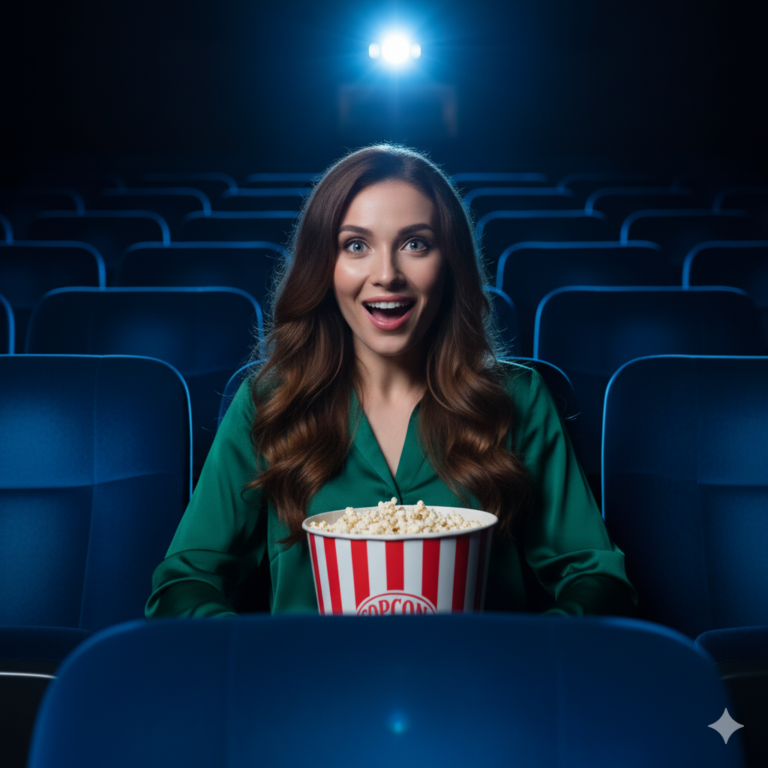
When October arrives and the nights grow longer, few viewing experiences rival the anthology series for Halloween entertainment. These collections of standalone horror stories deliver concentrated doses of dread without requiring the commitment of a full season-long narrative, making them perfect companions for the spooky season. From the pioneering days of radio adaptations to modern streaming originals, anthology horror has maintained its grip on audiences who crave variety in their scares. The anthology format addresses a fundamental challenge facing horror enthusiasts during Halloween: the desire to experience multiple types of terror without investing hours into a single storyline.
Where traditional series might take episodes to build atmosphere, anthology shows deliver complete tales of supernatural revenge, psychological horror, and cosmic dread in self-contained packages. This structure also allows creators to experiment with tone, setting, and subgenre in ways that serialized horror cannot, resulting in collections that might pair a Victorian ghost story with science fiction body horror within the same season. By exploring these ten essential anthology series, viewers will discover options spanning from the black-and-white classics of 1950s television to contemporary productions pushing the boundaries of horror storytelling. This guide examines what makes each series distinctive, how they approach the anthology format differently, and which entries serve as ideal starting points. Whether seeking atmospheric slow-burns, creature features, or tales rooted in social commentary, the programs covered here represent the finest examples of episodic horror television ever produced.
Table of Contents
- What Makes Anthology Series Perfect for Halloween Viewing?
- Classic Horror Anthology Series That Defined the Genre
- 1980s and 1990s Revival of Anthology Horror Television
- Modern Must-Watch Anthology Series for Horror Fans
- Hidden Gem Anthology Series Worth Discovering This Halloween
- International Anthology Horror Series Expanding the Genre
- How to Prepare
- How to Apply This
- Expert Tips
- Conclusion
- Frequently Asked Questions
What Makes Anthology Series Perfect for Halloween Viewing?
Anthology series possess unique qualities that align perfectly with Halloween viewing habits. Unlike serialized dramas requiring viewers to recall plot points from previous episodes, these shows offer complete narratives in single installments. This accessibility proves invaluable during October when schedules fill with parties, haunted house visits, and other seasonal activities. Viewers can drop into any episode without confusion, making anthology horror ideal for both dedicated horror fans and casual viewers seeking seasonal entertainment. The format also enables a diversity of horror subgenres impossible in traditional series. A single anthology season might include episodes featuring haunted houses, alien invasions, demonic possession, and psychological thrillers.
This variety prevents the genre fatigue that can occur when watching extended horror content, keeping audiences engaged through surprise and unpredictability. The best anthology series leverage this structural freedom to explore fears ranging from intimate personal terrors to existential cosmic horror. Production advantages contribute to the high quality found in many anthology series. Standalone episodes attract acclaimed directors and writers who might not commit to full season obligations but eagerly contribute single installments. This has resulted in episodes directed by filmmakers like Tobe Hooper, John Carpenter, and Guillermo del Toro, bringing cinematic sensibilities to television horror. Guest casting operates similarly, with major actors accepting roles in anthology episodes they would decline in ongoing series, elevating the overall talent pool considerably.
Classic Horror Anthology Series That Defined the Genre
The foundation of horror anthology television rests on programs from the medium’s earliest decades, with “The Twilight Zone” (1959-1964) standing as the undisputed cornerstone. Rod Serling’s creation blended science fiction, fantasy, and horror with social commentary, producing episodes that remain culturally relevant six decades later. While not exclusively horror, episodes like “The Monsters are Due on Maple Street,” “Nightmare at 20,000 Feet,” and “Living Doll” deliver genuine scares while examining human nature under pressure. The series produced 156 original episodes across five seasons, providing extensive Halloween viewing material. “Alfred Hitchcock Presents” (1955-1965) brought the Master of Suspense’s sensibilities to weekly television, offering darkly comedic tales of murder, betrayal, and ironic justice. Hitchcock’s sardonic introductions became legendary, setting tone before each episode’s twist-laden narrative unfolded.
The series ran for 361 episodes, later continuing as “The Alfred Hitchcock Hour,” establishing templates for anthology presentation still followed today. Episodes frequently featured morally compromised protagonists whose schemes unraveled in satisfying ways, proving that horror effectiveness does not require supernatural elements. “Night Gallery” (1969-1973) represented Rod Serling’s return to anthology television with a format explicitly focused on horror and the macabre. Each episode opened with Serling introducing stories via paintings in a shadowy gallery, creating an appropriately gothic atmosphere. Though network interference frustrated Serling, the series produced memorable episodes including directorial debuts from Steven Spielberg and John Badham. The uneven quality across its three seasons actually mirrors the anthology experience, where masterpieces sit alongside lesser entries, rewarding viewers who discover standout episodes.
- “The Twilight Zone” offers 156 episodes mixing horror with science fiction and social commentary
- “Alfred Hitchcock Presents” delivers 361 episodes of suspense and darkly comedic terror
- “Night Gallery” provides explicitly horror-focused content with gothic presentation
1980s and 1990s Revival of Anthology Horror Television
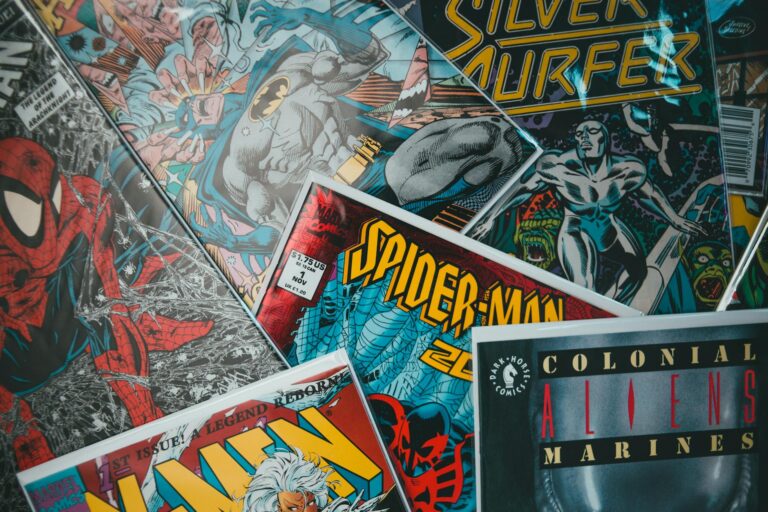
The 1980s witnessed a renaissance for horror anthology television, driven partly by the success of theatrical anthology films like “Creepshow” (1982). “Tales from the Crypt” (1989-1996) emerged as the decade’s defining horror anthology, adapting stories from EC Comics while pushing content boundaries available on premium cable. The Crypt Keeper puppet host introduced each episode with groan-worthy puns before tales of murder, infidelity, and supernatural revenge played out with then-unprecedented gore and nudity for television. Running seven seasons with 93 episodes, the series attracted directors including Robert Zemeckis, Richard Donner, and Tom Hanks. “Amazing Stories” (1985-1987) represented Steven Spielberg’s attempt to recapture anthology magic with massive budgets and A-list talent. Though more fantasy than horror focused, episodes like “Mirror, Mirror” and “Go to the Head of the Class” delivered effective scares.
The series demonstrated both the potential and limitations of big-budget anthology television, producing visually impressive episodes that sometimes prioritized spectacle over substance. Its two-season run included 45 episodes featuring directors like Clint Eastwood, Martin Scorsese, and Spielberg himself. “Tales from the Darkside” (1983-1988) offered a syndicated alternative to network offerings, delivering 90 episodes of horror stories with modest budgets compensated by strong writing. The series served as a training ground for writers and directors who later shaped horror cinema, maintaining consistent quality across four seasons. Its companion series “Monsters” (1988-1991) emphasized creature effects, providing practical monster work from artists who defined the era’s horror aesthetic. These syndicated anthologies proved that effective horror television did not require premium cable budgets.
- “Tales from the Crypt” brought EC Comics horror to television with boundary-pushing content
- “Amazing Stories” demonstrated big-budget anthology potential with major filmmakers
- “Tales from the Darkside” proved syndicated horror could maintain quality across extended runs
Modern Must-Watch Anthology Series for Horror Fans
Contemporary anthology horror has achieved unprecedented critical and commercial success, led by “Black Mirror” (2011-present), which updated “Twilight Zone” anxiety for the digital age. Charlie Brooker’s creation explores technology’s dark potential through standalone nightmares examining social media, artificial intelligence, and virtual reality. Though British in origin, the series achieved global prominence after Netflix acquisition, producing episodes like “White Bear,” “Playtest,” and “USS Callister” that function as horror features in miniature. The show demonstrates anthology format relevance for modern audiences while proving horror effectiveness does not require traditional supernatural elements. “American Horror Story” (2011-present) revolutionized horror anthology structure by dedicating entire seasons to single storylines rather than standalone episodes. This seasonal anthology approach allows extended narrative development while maintaining freshness through annual setting and character changes.
Seasons covering haunted houses, asylums, witch covens, and cults provide varied horror experiences under one series umbrella. The show’s success spawned spinoffs and imitators, establishing seasonal anthology as viable prestige television format. “The Terror” (2018-present) demonstrates anthology potential for historical horror, with each season exploring different real-world events through supernatural lenses. The first season reimagined the doomed Franklin Expedition with creature horror elements, while the second examined Japanese-American internment through folkloric terror. This approach allows thorough historical research combined with genre entertainment, producing horror that educates while frightening. Limited episode counts per season enable cinematic production values throughout.
- “Black Mirror” modernizes anthology horror with technology-focused terrors
- “American Horror Story” pioneered the seasonal anthology format with dedicated storylines
- “The Terror” combines historical drama with supernatural horror effectively
Hidden Gem Anthology Series Worth Discovering This Halloween
Beyond headline-grabbing productions, several anthology series reward viewers willing to explore deeper into the format’s history. “Masters of Horror” (2005-2007) gathered legendary horror directors including John Carpenter, Dario Argento, Tobe Hooper, and Stuart Gordon for hour-long episodes freed from network content restrictions. The premium cable format allowed graphic content impossible elsewhere, though episode quality varied with director. Standout entries like Carpenter’s “Cigarette Burns” and Takashi Miike’s controversial “Imprint” represent some of the most extreme horror television ever produced. “Channel Zero” (2016-2018) took a unique approach by adapting internet horror stories known as “creepypastas” into full seasons. Each six-episode season expanded viral horror tales like “Candle Cove” and “No-End House” into sustained nightmares with distinctive visual styles.
The series proved that horror originating in online communities could translate to sophisticated television while introducing mainstream audiences to internet horror culture. Its cancellation after four seasons cut short a promising experiment in horror source material. “Inside No. 9” (2014-present) offers British dark comedy horror in 30-minute episodes unified only by the number nine appearing in each setting. Creators Steve Pemberton and Reece Shearsmith write and star in episodes ranging from straightforward horror to comedic tales with horrific twists. The compressed runtime forces narrative efficiency while the anthology format allows dramatic tonal shifts between installments. Episodes like “The Harrowing” and “Dead Line” deliver genuine scares amid the series’ predominantly comedic approach.
- “Masters of Horror” provides unrestricted content from legendary genre directors
- “Channel Zero” successfully adapts internet horror stories to television format
- “Inside No. 9” blends British dark comedy with effective horror elements

International Anthology Horror Series Expanding the Genre
Horror anthology television extends well beyond English-language productions, with international series offering distinct cultural perspectives on fear. Japanese anthology series like “Tales of Terror from Tokyo” and “Yamishibai: Japanese Ghost Stories” draw from centuries of yokai folklore, presenting supernatural entities operating under rules unfamiliar to Western audiences. These cultural differences create unease for international viewers while demonstrating horror’s universal appeal across societies.
Korean anthology “Horror Stories” (2012-2017) adapts the format to South Korean horror sensibilities, blending traditional ghost stories with modern social anxieties. The theatrical releases collected multiple short films by different directors, functioning as anthology series in movie format. This approach has proven successful enough to spawn multiple sequels while demonstrating Asian horror’s continued commercial viability. For Halloween viewing, these international offerings provide refreshing alternatives to familiar Western horror tropes.
How to Prepare
- **Research episode guides beforehand** since anthology series vary wildly in quality, and knowing which installments represent series highlights versus weaker entries prevents wasted viewing time. Online communities and horror publications regularly publish ranked episode lists helping viewers prioritize effectively.
- **Mix eras and styles strategically** rather than watching single series continuously. Pairing a black-and-white “Twilight Zone” episode with modern “Black Mirror” content creates contrast preventing fatigue while demonstrating the anthology format’s evolution across decades.
- **Consider content warnings for group viewing** as anthology horror spans from mild suspense to extreme graphic content. “Tales from the Crypt” and “Masters of Horror” contain material inappropriate for younger viewers or those sensitive to gore, while “The Twilight Zone” offers relatively family-friendly scares.
- **Create thematic groupings across series** by selecting episodes sharing common elements. A marathon of “twist ending” episodes from multiple anthologies or a collection of “haunted technology” stories provides cohesion while showcasing different approaches to similar concepts.
- **Balance episode lengths for viewing stamina** since anthology episodes range from 22-minute network formats to hour-long premium cable installments. Mixing shorter and longer entries maintains engagement across extended viewing sessions without exhausting attention spans.
How to Apply This
- **Dedicate specific October nights to anthology viewing** rather than attempting continuous marathons. Scheduling “Anthology Fridays” or similar recurring events throughout the month provides anticipation while preventing burnout.
- **Match series tone to viewing context** by saving intense horror like “Masters of Horror” for solo viewing while programming lighter anthologies like “Alfred Hitchcock Presents” for social gatherings where conversation might interrupt attention.
- **Use anthology episodes as palate cleansers** between longer horror films during Halloween movie nights. A 30-minute anthology episode provides viewing break without abandoning the horror mood.
- **Track viewed episodes using streaming service features** or external apps to build a personal catalog of favorites across series. This documentation enables quick recommendations to others and efficient rewatching of standout installments in future Halloweens.
Expert Tips
- **Start unfamiliar anthology series with consensus best episodes** rather than beginning with season premieres. Series like “Tales from the Crypt” vary significantly in quality, and strong initial experiences encourage continued exploration while weak first impressions might unfairly dismiss worthy series.
- **Leverage anthology structure for horror-resistant viewers** since the standalone format means unsatisfying episodes end quickly without requiring continued investment. This low-commitment entry point converts casual viewers into horror fans more effectively than demanding multi-hour film commitments.
- **Pay attention to production company patterns** as certain anthology producers maintained consistent quality. Episodes produced by specific teams often share sensibilities, enabling prediction of content likely to match personal preferences.
- **Explore episode director filmographies** since anthology work often represents early or experimental projects from established filmmakers. Connecting anthology episodes to directors’ later work reveals stylistic development while enhancing appreciation for television contributions.
- **Recognize that weaker episodes serve comparative purpose** by highlighting what makes superior installments effective. Anthology series function as horror education, demonstrating through direct contrast which storytelling approaches succeed and which falter.
Conclusion
The anthology series stands as horror television’s most enduring and versatile format, offering concentrated scares across every conceivable subgenre and approach. From Rod Serling’s socially conscious “Twilight Zone” nightmares to the technological terrors of “Black Mirror,” these collections demonstrate horror’s adaptability while respecting viewers’ time through self-contained storytelling. The ten series highlighted here represent essential viewing for anyone seeking varied Halloween entertainment, though they merely scratch the surface of anthology horror’s extensive history.
Approaching these series with preparation enhances the experience considerably. Understanding which episodes represent highlights, mixing viewing across eras and styles, and matching content intensity to viewing context transforms random episode selection into curated horror education. The anthology format’s accessibility makes it ideal for both dedicated horror enthusiasts and casual viewers testing genre waters, requiring no prior knowledge while rewarding deeper exploration. These series await discovery whenever October’s darkness calls for stories that deliver complete terrors before the credits roll.
Frequently Asked Questions
How long does it typically take to see results?
Results vary depending on individual circumstances, but most people begin to see meaningful progress within 4-8 weeks of consistent effort.
Is this approach suitable for beginners?
Yes, this approach works well for beginners when implemented gradually. Starting with the fundamentals leads to better long-term results.
What are the most common mistakes to avoid?
The most common mistakes include rushing the process, skipping foundational steps, and failing to track progress.
How can I measure my progress effectively?
Set specific, measurable goals at the outset and track relevant metrics regularly. Keep a journal to document your journey.