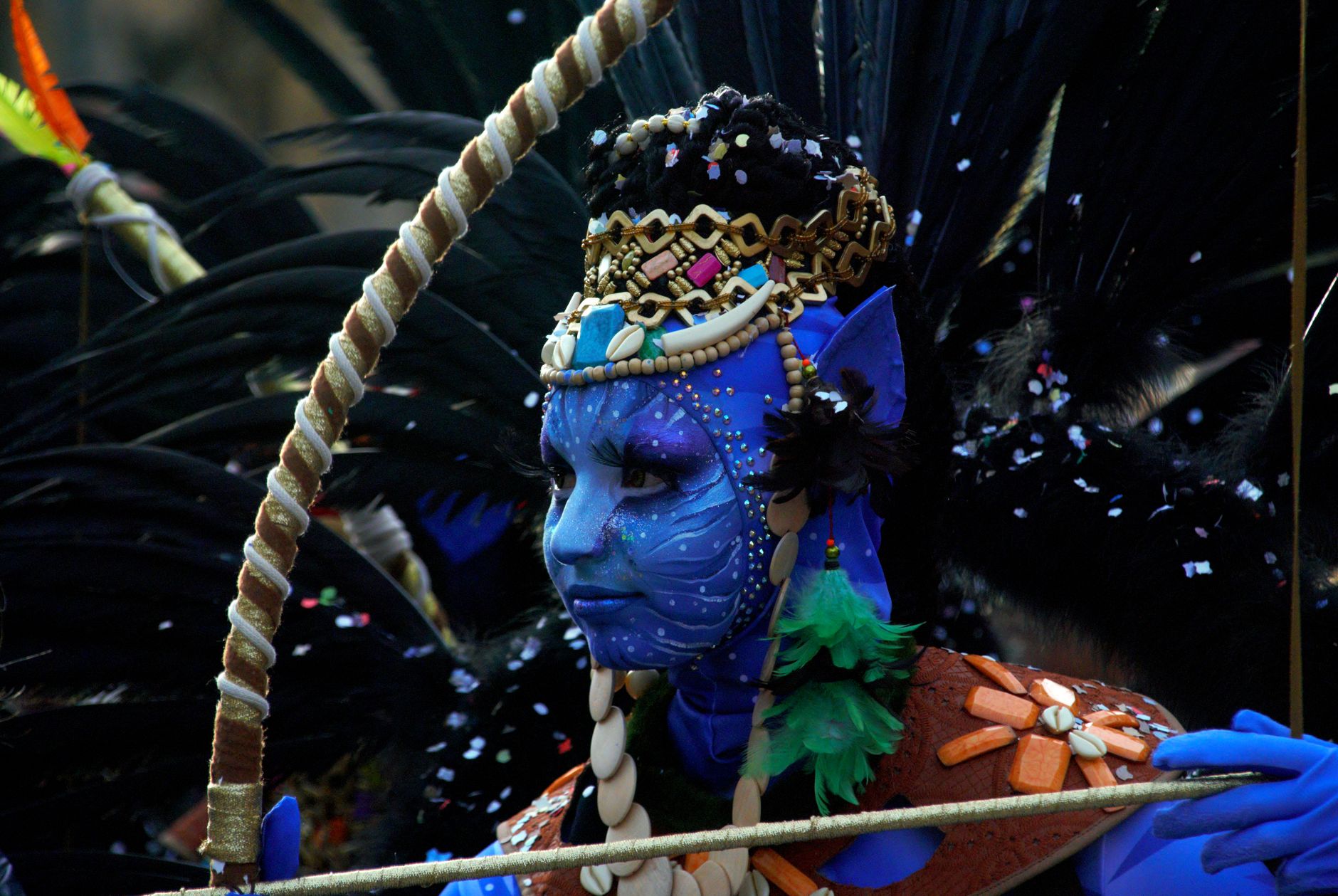
Avatar: The Last Airbender returns with two major releases on distinct timelines. Netflix’s live-action adaptation brings Season 2 on June 25, 2026, continuing the story that premiered on February 22, 2024. Separately, Avatar Studios—a division dedicated to developing new animated content from the original universe—will release an animated film on October 9, 2026, exclusively on critical+.
These are not related projects; they represent two different production teams, creative visions, and release strategies drawing from the same source material. The Netflix series has already established itself as a significant streaming event. Season 1 featured eight episodes, each running approximately one hour, providing a cinematic scope for the adaptation. The platform committed enough confidence in the property to greenlight Seasons 2 and 3 simultaneously, a double-renewal that signals Netflix’s investment in completing Aang’s three-book story arc rather than letting the narrative hang incomplete.
Table of Contents
- When Does Netflix’s Avatar Season 2 Premiere?
- Toph Beifong Arrives in Season 2
- Two Completely Different Avatar Projects Released in 2026
- The Avatar Studios Animated Film Coming to critical+
- Production Commitments and the Three-Book Structure
- The Creative Team Steering the Adaptation
- What the November 2025 Filming Completion Means for Quality
When Does Netflix’s Avatar Season 2 Premiere?
The Netflix live-action Season 2 premieres on June 25, 2026, arriving on the platform without a traditional theatrical window. This marks the continuation of the story that began with Season 1 in early 2024, giving fans roughly two years between the original release and the sequel. The season maintains the hour-long episode format of its predecessor, preserving the dramatic pacing that distinguishes this adaptation from typical streaming fare with shorter episode runtimes.
The gap between Season 1 and Season 2 reflects the production timeline. Both seasons were filmed back-to-back in Vancouver during 2024 and wrapped in late 2025, which explains why viewers waited nearly two years for new material despite both productions completing in overlapping timeframes. Netflix’s strategy allowed the post-production team to spend considerable time on visual effects, color grading, and sound design—elements critical to adapting a visually distinctive animated property into live-action form. This is notably different from how some streaming series release seasons within six months; the extended gap here suggests deliberate creative pacing rather than production delays.
Toph Beifong Arrives in Season 2
Season 2 introduces Toph Beifong, the blind earthbending master from the original animated series, played by Canadian actress Miya Cech. This character addition marks a significant narrative progression, moving the story into the second book of the original structure. Toph’s introduction was inevitable for any adaptation covering the full saga, but the casting choice carries weight for longtime fans who carry specific visual memories of the character.
one limitation viewers should anticipate is the adaptation challenge inherent in portraying Toph’s blindness authentically while translating her distinctive visual style from animation to live-action cinematography. The animated series used visual effects and camera techniques that don’t directly translate—blind characters in live-action require different technical approaches to convey spatial awareness and movement. How the production handles this element will significantly influence whether the character feels true to the source material or compromised by the medium shift. Netflix’s track record with adapting animated character-specific traits has been inconsistent across other projects, making this a genuine point of viewer scrutiny.
Two Completely Different Avatar Projects Released in 2026
The Netflix live-action series and the Avatar Studios animated film are fundamentally separate productions from different organizations with different release strategies. Avatar Studios, a dedicated division, developed the animated film independently of the Netflix adaptation, using theatrical distribution that later converted to a critical+ streaming exclusive. This is not a spinoff or companion piece—it’s a distinct project operating on its own creative and commercial timelines. The distinction matters because viewers often conflate these properties.
Someone interested in seeing Avatar’s story might assume the Netflix series and the Avatar Studios film are coordinated releases, but they’re not. The Netflix show focuses on adapting the original animated series with live-action actors in the show’s setting. The Avatar Studios film represents new original content set within the animated universe, with new stories and character development created after the Netflix adaptation was already greenlit. Streaming services sometimes coordinate franchise releases, but in this case, Netflix’s licensed adaptation and critical+’s Avatar Studios film exist in entirely separate production ecosystems.
The Avatar Studios Animated Film Coming to critical+
Avatar Studios will release its animated film on October 9, 2026, exclusively on critical+ with no theatrical distribution. This represents a significant shift from the original plan—the film was initially scheduled for theatrical release on October 10, 2025, then delayed. It faced a second delay before ultimately moving to streaming, a decision that reflects changing market conditions for animated theatrical releases outside of franchise behemoths like pixar and DreamWorks.
The theatrical-to-streaming pivot carries implications for the production’s scope and ambition. Theatrical releases typically involve larger animation budgets and visual presentations optimized for cinema screens; streaming releases, while sometimes matching theatrical quality, typically allocate resources differently with consideration for smaller home viewing. The Avatar Studios film’s shift to critical+ suggests the producers determined streaming audiences represent their core market, or that theatrical distribution carried insufficient economic confidence to justify that expense. For viewers, this means the film will appear on a major streaming platform within months of the Netflix Season 2 release, giving Avatar fans substantial new content across both formats within a relatively concentrated window.
Production Commitments and the Three-Book Structure
Netflix’s double-renewal for Seasons 2 and 3 demonstrates an unusually confident commitment for a streaming series. Rather than adopting the cautious release-and-wait model many platforms use, Netflix essentially told creative leadership that the story would have sufficient runway to complete a three-book narrative structure—mirroring the original animated series’ organization. This approach reduces the risk that the live-action adaptation ends prematurely or requires rushed storytelling to conclude within an unplanned timeframe.
The filming approach of shooting both seasons back-to-back in Vancouver created production efficiencies but also locked cast and crew into extended commitments. This wraparound-late-2025 completion means actor schedules were held for extended periods, sets remained standing longer, and crew continuity remained high. One limitation of this approach is that creative feedback from Season 1 viewers couldn’t meaningfully influence Season 2’s production since filming had already concluded before public reception became measurable. Some streaming series use audience reaction to adjust subsequent seasons, but the Avatar production’s timeline prevented that iterative approach.
The Creative Team Steering the Adaptation
Albert Kim serves as showrunner, with directing responsibilities distributed among Michael Goi, Jabbar Raisani, Roseanne Liang, and Jet Wilkinson. This multi-director approach is increasingly common for streaming series, particularly those with large production budgets, as it allows different visual perspectives while maintaining narrative continuity through a strong showrunner voice. Kim’s previous work on television provided the organizational framework necessary for adapting a property as visually complex as Avatar.
The diverse directorial roster brings varied cinematic sensibilities to different episodes. Roseanne Liang, for instance, is known for her distinctive visual style in projects like “Shadow in the Cloud,” suggesting different episodes may carry noticeably different aesthetic approaches. This contrasts with series where a single showrunner-director maintains consistent visual language throughout. For viewers, this means Season 2 might demonstrate stylistic variety that could feel either refreshingly dynamic or inconsistently tonal depending on how effectively the team balanced their individual visions.
What the November 2025 Filming Completion Means for Quality
The completion of back-to-back filming in late 2025 provided nearly eight months of post-production time before the June 2026 premiere. Visual effects work for live-action Avatar requires extensive iteration—translating bending effects, creature designs, and large-scale action sequences demands significant rendering and technical refinement. With this extended timeline, the post-production team had opportunity for multiple revision cycles rather than rushing toward premiere deadlines.
Both seasons were filmed on location in Vancouver, which provided consistent production logistics and environmental consistency for flashbacks or recurring locations. The decision to film both seasons simultaneously in the same location likely maintained set pieces and practical environments rather than requiring complete reconstruction between seasons. This behind-the-scenes logistical detail influences the final visual product by ensuring geographical and architectural continuity that might otherwise appear misaligned across a two-year release gap.
- —