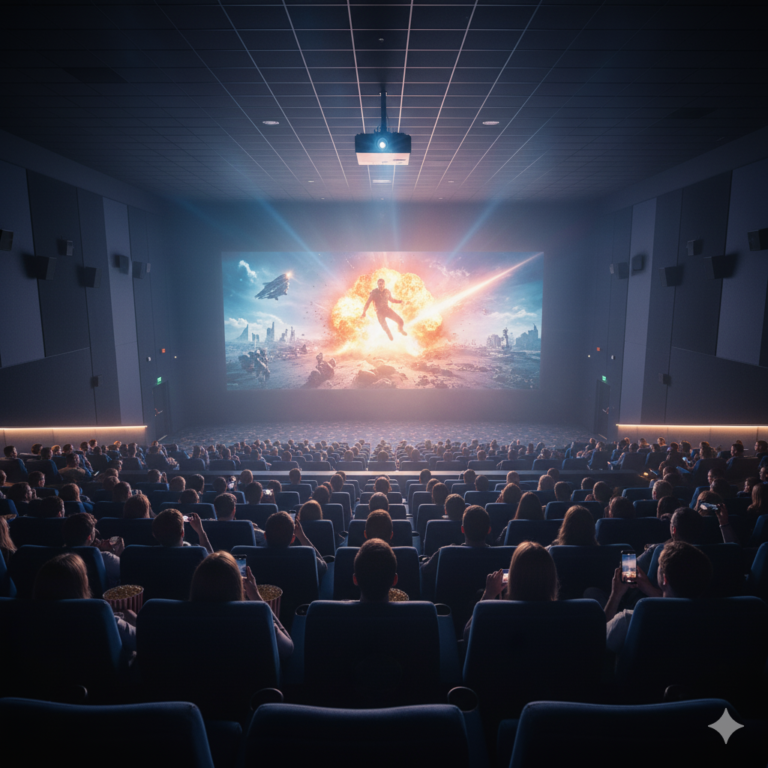
The most emotional Star Wars moments of all time have defined not just a franchise but the very concept of cinematic storytelling across generations. Since 1977, George Lucas’s space opera has delivered scenes that transcend typical blockbuster entertainment, creating genuine human connections through stories of family, sacrifice, redemption, and hope.
These moments resonate because they tap into universal experiences”the complicated relationships between parents and children, the pain of loss, the difficulty of doing what’s right, and the possibility that anyone can change.
Star Wars occupies a unique position in popular culture as a mythology that spans nearly five decades of filmmaking, animated series, and expanded media. The franchise has grown up with its audience, and many fans who watched the original trilogy as children have now shared these films with their own families.
- Most Emotional Star: Table of Contents
- Why Do Star Wars Films Create Such Powerful Emotional Moments?
- The Original Trilogy's Most Heartbreaking Star Wars Scenes
- Prequel Trilogy Emotional Highlights That Moved Fans
- Sequel Trilogy and Standalone Film Tearjerker Moments
- Animated Series Emotional Moments That Rival the Films
- The Role of Music in Creating Emotional Star Wars Moments
- How to Prepare
- How to Apply This
- Expert Tips
- Conclusion
- Frequently Asked Questions
- You Might Also Like
This multi-generational connection amplifies the emotional weight of key scenes, as viewers bring their own life experiences to moments they’ve watched dozens of times. A father’s sacrifice means something different when you become a parent yourself. A mentor’s death hits harder after you’ve lost someone who guided you.
By exploring the most powerful and emotional scenes across the Star Wars saga, this analysis examines what makes these moments work from both a storytelling and filmmaking perspective.
Readers will discover why certain scenes have achieved legendary status, how music, performance, and visual storytelling combine to create lasting impact, and perhaps gain a deeper appreciation for moments they already love.
Whether you’re a lifelong fan or someone trying to understand the phenomenon, understanding these emotional peaks reveals why Star Wars continues to matter to millions of people worldwide.
Table of Contents
- Why Do Star Wars Films Create Such Powerful Emotional Moments?
- The Original Trilogy’s Most Heartbreaking Star Wars Scenes
- Prequel Trilogy Emotional Highlights That Moved Fans
- Sequel Trilogy and Standalone Film Tearjerker Moments
- Animated Series Emotional Moments That Rival the Films
- The Role of Music in Creating Emotional Star Wars Moments
- How to Prepare
- How to Apply This
- Expert Tips
- Conclusion
- Frequently Asked Questions
Why Do Star Wars Films Create Such Powerful Emotional Moments?
The emotional resonance of Star Wars stems from its foundation in mythological storytelling structures that have moved human beings for thousands of years. George Lucas famously drew upon Joseph Campbell’s “The Hero’s Journey” when crafting the original trilogy, embedding archetypal patterns that feel instinctively meaningful.
The hero’s call to adventure, the mentor’s guidance, the descent into darkness, and the triumphant return all trigger deep psychological responses that audiences may not consciously recognize but absolutely feel. This structural foundation gives even the most fantastical sci-fi elements an emotional grounding in human experience.
John Williams’s musical scores deserve equal credit for the saga’s emotional power. Williams composed leitmotifs”recurring musical themes associated with specific characters, places, and ideas”that condition audiences to feel certain emotions the moment they hear particular notes. The “Imperial March” creates instant dread, while “The Force Theme” evokes wonder and spiritual transcendence.
When Williams manipulates these themes, playing them in minor keys or combining them unexpectedly, the emotional effect multiplies.
Studies in film psychology confirm that music can increase emotional responses by 30-50 percent, and Williams’s work represents some of the most sophisticated emotional scoring in cinema history.
- **Archetypal storytelling**: The saga draws on myths about fathers and sons, good versus evil, and personal transformation that resonate across all cultures
- **Consistent musical language**: Williams’s scores create Pavlovian emotional responses that deepen with each viewing
- **Visual iconography**: The stark contrast between light and dark, both literally and figuratively, makes emotional stakes immediately visible and understandable

The Original Trilogy’s Most Heartbreaking Star Wars Scenes
The original trilogy established the emotional template for everything that followed, with several scenes achieving immortal status in cinema history. The reveal in “The Empire Strikes Back” that Darth Vader is Luke Skywalker’s father remains one of the most shocking and emotionally complex moments in film.
Director Irvin Kershner and actor Mark Hamill crafted Luke’s reaction”the scream of denial, the choice to fall rather than join his father”into a moment of genuine psychological horror. The scene works because it fundamentally changes everything the audience understood about the story while simultaneously deepening its emotional stakes.
Vader’s redemption and death in “Return of the Jedi” provides the original trilogy’s emotional climax. After three films of presenting Vader as an unstoppable force of evil, watching him choose his son over his master creates a catharsis that has moved audiences for over forty years.
Sebastian Shaw’s unmasked face, scarred and pale, dying in Luke’s arms while asking his son to help him see with his “own eyes,” transforms a villain into a tragic figure.
The funeral pyre scene that follows, with Luke alone honoring a father the galaxy knew only as a monster, captures the complicated nature of family love.
- **”I am your father”**: This revelation recontextualizes the entire narrative and creates genuine psychological trauma for both the character and audience
- **Ben Kenobi’s sacrifice**: Obi-Wan’s willing death in the original film established that Star Wars would not protect its beloved characters, raising stakes for all future installments
- **Han Solo frozen in carbonite**: The uncertainty of Han’s fate, combined with the iconic “I know” response to Leia’s declaration of love, created emotional tension that audiences had to carry for three years until the sequel
Prequel Trilogy Emotional Highlights That Moved Fans
The prequel trilogy, despite its polarizing reception, contains several genuinely devastating emotional moments that have been reevaluated more positively over time.
Anakin’s departure from his mother Shmi on Tatooine in “The Phantom Menace” establishes the attachment issues that will ultimately lead to his fall.
When Anakin returns to find her captured and watches her die in his arms in “Attack of the Clones,” the scene depicts the first crack in his psyche”his first steps toward becoming Vader.
Pernilla August’s performance as Shmi, telling her son she’s proud of him with her dying breath, creates earned emotional weight despite the trilogy’s other weaknesses.
“Revenge of the Sith” contains the prequel trilogy’s most emotionally intense sequences. The Order 66 montage, depicting the systematic murder of Jedi across the galaxy set to Williams’s haunting choral music, represents a descent into darkness rarely depicted in mainstream blockbusters.
Watching Jedi we’ve come to know across three films (and later, animated series) gunned down by the soldiers they trusted creates a profound sense of loss and betrayal. The scene where Obi-Wan defeats Anakin on Mustafar, screaming “You were my brother!” as his former apprentice burns, delivers the tragic payoff to their entire relationship.
- **Anakin’s massacre of the Tusken Raiders**: This morally complex scene shows a hero committing atrocities out of grief, challenging simple good-versus-evil narratives
- **Yoda’s exile**: Watching the greatest Jedi master accept defeat and flee into hiding captures the totality of the Republic’s fall
- **Padmé’s death**: The loss of hope”literally dying of a broken heart as her husband becomes a monster”closes the prequel trilogy with genuine tragedy

Sequel Trilogy and Standalone Film Tearjerker Moments
The sequel trilogy introduced new characters while bringing closure to the original heroes, creating numerous emotional touchstones for newer generations of fans. Han Solo’s death in “The Force Awakens” shocked audiences who had watched Harrison Ford’s character for nearly forty years. Director J.J.
Abrams constructed the scene with deliberate emotional architecture”Han calling out to his son Ben, walking onto the bridge, the brief moment of hope when Kylo seems to waver, and then the brutal murder.
The combination of Williams’s score falling silent, Adam Driver’s conflicted performance, and Ford’s final gesture of touching his son’s face created a moment that drew audible gasps and tears in theaters worldwide. “The Last Jedi” delivered several emotionally complex scenes, including Luke’s final stand on Crait.
After a film exploring Luke’s failure and disillusionment, watching him project himself across the galaxy for one final act of hope”buying time for the Resistance to escape while facing down the First Order alone”redeemed the character in many fans’ eyes.
The subsequent scene of Luke’s peaceful death, staring at Ahch-To’s twin suns in direct callback to his introduction in 1977, brought the original hero’s journey to a poetic close. Mark Hamill’s performance throughout these sequences earned widespread praise even from those critical of the film’s other choices.
- **Leia’s death in “The Rise of Skywalker”**: Using existing footage of Carrie Fisher after her real-life passing created an unavoidably emotional meta-textual moment
- **Ben Solo’s redemption and sacrifice**: The final Skywalker choosing light and dying for the woman he loves completed the family’s arc across nine films
- **Rogue One’s ending**: The sacrifice of the entire main cast, each dying to ensure the Death Star plans reach the Rebellion, brought unprecedented emotional stakes to a Star Wars film
Animated Series Emotional Moments That Rival the Films
“The Clone Wars” and “Rebels” animated series have produced emotional moments that many fans consider equal to or surpassing the films. The final arc of “The Clone Wars,” depicting Ahsoka Tano’s experience of Order 66, represents some of the most emotionally devastating Star Wars storytelling ever created.
Watching Ahsoka fight against Clone troopers she’s served alongside for years, including Captain Rex struggling against his programming to warn her, provides character depth impossible in a two-hour film.
The final shot of Vader finding Ahsoka’s lightsaber in the snow, years later, implies an entire internal journey of guilt and loss. “Rebels” created its own emotional peaks, particularly in the relationship between Kanan Jarrus and his padawan Ezra Bridger.
Kanan’s sacrifice in the fourth season”holding back an explosion to save his family, regaining his sight through the Force at the moment of death to see the woman he loves one final time”ranks among the most emotionally powerful scenes in all of Star Wars.
The animation team’s choice to have Kanan’s eyes restore to their natural color, breaking years of blindness at the cost of his life, demonstrates how non-live-action storytelling can achieve equal emotional impact through different visual techniques.
- **Ahsoka leaving the Jedi Order**: Her rejection of the institution that wrongly accused her created earned emotional consequences that informed her character for years
- **Maul’s death in “Rebels”**: A former villain dying in Obi-Wan’s arms, asking if Luke will avenge them both, recontextualizes an entire character history
- **The Ghost crew saying goodbye to Kanan**: Each character’s individual grief response demonstrates the depth of animation’s capability for nuanced emotion

The Role of Music in Creating Emotional Star Wars Moments
John Williams’s contribution to Star Wars emotional storytelling cannot be overstated, as his scores do narrative work that images alone could never accomplish. The technique of playing familiar themes in new contexts”such as the “Force Theme” during Luke’s death or “Across the Stars” during Anakin’s turn”creates emotional resonance that compounds across all nine films.
Williams composed over 16 hours of original music for the saga, creating a sonic language as recognizable as any character or spaceship. When other composers have scored Star Wars projects, they’ve carefully incorporated Williams’s themes to maintain this emotional continuity.
The absence of music proves equally powerful in specific moments. The silence when Kylo Ren kills Han Solo amplifies the horror. The quiet before Luke appears on Crait builds unbearable tension. The muted sound when Alderaan explodes prevents the scene from feeling like action spectacle, forcing audiences to absorb the genocide’s gravity.
Sound designers and composers working on Star Wars understand that emotional manipulation requires restraint as much as crescendo, and the franchise’s most powerful moments often use silence as deliberately as they use Williams’s sweeping orchestrations.
How to Prepare
- **Watch in release order for first viewings**: Starting with the original 1977 film allows you to experience the reveals and emotional beats as intended, particularly the Vader reveal in “Empire Strikes Back,” which loses impact if you’ve seen the prequels first
- **Create an uninterrupted viewing environment**: The most emotional scenes require immersion; watching on a phone with notifications creates distance that prevents the storytelling from working its full effect
- **Consider a quality sound system**: Williams’s scores carry significant emotional information, and hearing the full dynamic range of the orchestrations dramatically increases emotional response
- **Research the production context**: Knowing that “The Rise of Skywalker” used existing Carrie Fisher footage, or that Ewan McGregor improvised parts of the Mustafar scene, adds layers of real-world emotion to fictional moments
- **Allow yourself to feel without ironic distance**: Modern viewing habits encourage detachment and critique; giving yourself permission to engage sincerely with the material unlocks emotional experiences that cynicism blocks
How to Apply This
- **Discuss the moments with others**: Emotional scenes gain meaning through shared experience and conversation; watching with friends or family and processing reactions together deepens the impact
- **Revisit scenes after major life changes**: A parent’s sacrifice means different things after you become a parent; revisiting key scenes during different life stages reveals new emotional dimensions
- **Explore expanded content for deeper connections**: Characters like Ahsoka, Rex, and Kanan gain enormous emotional depth through their animated appearances, making their film and live-action moments resonate more powerfully
- **Use the films for emotional processing**: Many fans report that Star Wars scenes help them work through real grief, family conflicts, or personal struggles by providing narrative frameworks for difficult feelings
Expert Tips
- **Pay attention to parallel visual compositions**: Lucas and subsequent directors deliberately mirror shots across trilogies; recognizing these visual rhymes (Luke’s twin suns and his death, Anakin’s and Ben’s redemptions) amplifies emotional connections
- **Listen for musical callbacks**: Williams quotes his own themes in subtle ways throughout the saga; the “Princess Leia” theme playing during her death, or hints of Anakin’s theme during Kylo’s conflicted moments, reward attentive listening
- **Recognize the mythology working on you**: Understanding that Star Wars uses archetypal patterns doesn’t diminish their power”it helps you appreciate why certain moments feel meaningful beyond their narrative content
- **Accept that different moments resonate for different viewers**: The scenes that move you most reveal something about your own experiences and values; there’s no objectively “correct” most emotional moment
- **Give prequels and sequels a fair chance**: Many fans who dismissed these trilogies initially have found genuine emotional value upon reconsideration, particularly after animated series expanded their characters and themes
Conclusion
The most emotional Star Wars moments endure because they address fundamental human experiences through the lens of mythological storytelling, elevated by masterful music and sincere performances.
From Vader’s redemption to Han’s death, from Order 66 to Luke’s final sunset, these scenes have provided millions of people with frameworks for understanding their own relationships, losses, and hopes.
The franchise’s emotional power lies not in spectacle but in its willingness to engage seriously with themes of family, failure, and the possibility of change”wrapping profound ideas in accessible entertainment. Star Wars will continue producing emotional moments as new films and series expand the saga.
The recently concluded series and upcoming projects introduce new characters who will face their own struggles, creating new opportunities for audiences to find personal meaning in fictional stories. For those who have never experienced the saga, an entire library of emotionally rich storytelling awaits.
For longtime fans, each rewatch offers chances to discover new depths in familiar scenes. The Force, as they say, will be with you”always.
Frequently Asked Questions
How long does it typically take to see results?
Results vary depending on individual circumstances, but most people begin to see meaningful progress within 4-8 weeks of consistent effort.
Is this approach suitable for beginners?
Yes, this approach works well for beginners when implemented gradually. Starting with the fundamentals leads to better long-term results.
What are the most common mistakes to avoid?
The most common mistakes include rushing the process, skipping foundational steps, and failing to track progress.
How can I measure my progress effectively?
Set specific, measurable goals at the outset and track relevant metrics regularly. Keep a journal to document your journey.
You Might Also Like
- Why Snacks Are So Expensive at IMAX
- Why Movies Are Becoming Event Experiences
- Why Movie Tickets Are So Expensive Now