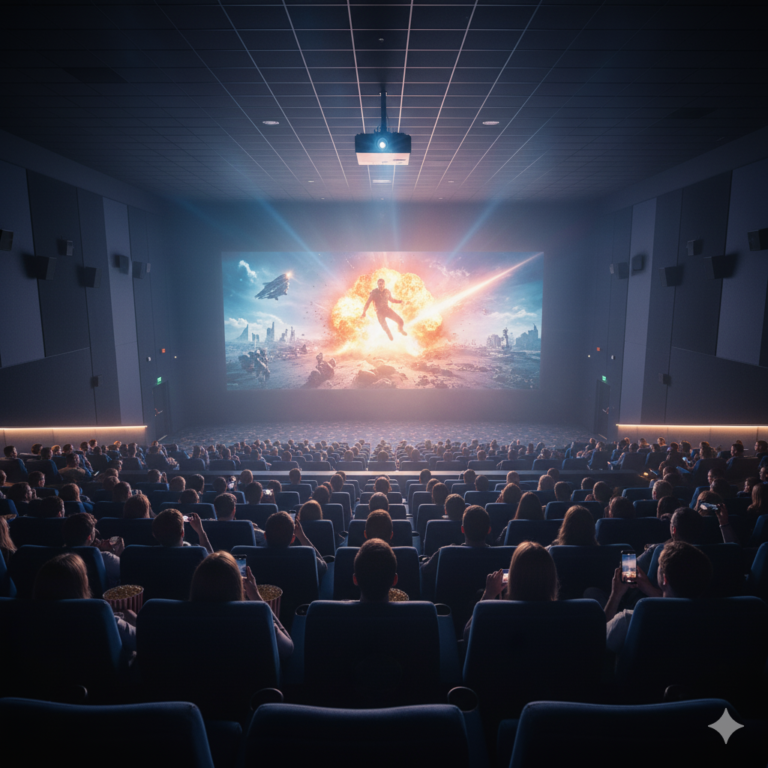
The best animated films represent some of cinema’s most ambitious, emotionally resonant, and technically groundbreaking achievements. From the earliest hand-drawn features to modern computer-generated spectacles, animation has consistently pushed the boundaries of storytelling in ways that live-action filmmaking simply cannot replicate. These films transport audiences to impossible worlds, give voice to animals and objects, and explore themes ranging from childhood innocence to existential dread with equal artistry. Animation occupies a unique position in film history because it was never constrained by the physical limitations of cameras, sets, or human actors.
This freedom has allowed filmmakers to craft stories about toys coming to life, fish crossing oceans, and robots falling in love””all rendered with the same visual fidelity and emotional authenticity as any prestige drama. Yet animation has long fought against the misconception that it exists solely for children. The medium’s greatest works challenge this assumption by tackling complex themes of mortality, identity, war, and love with sophistication that rivals any art form. By exploring this guide, readers will gain insight into what distinguishes truly exceptional animated features from merely competent ones, discover films from various eras and countries that deserve attention, and understand the artistic and technical innovations that shaped the medium. Whether seeking recommendations for family viewing, researching animation history, or simply appreciating the craft, this examination covers the essential ground for understanding why certain animated films have achieved classic status while illuminating hidden gems that deserve wider recognition.
Table of Contents
- What Makes an Animated Film One of the Best?
- Classic Animated Films That Defined the Medium
- Studio Ghibli and Japanese Animation’s Global Impact
- How to Discover the Best Animated Films Across Eras and Styles
- Common Misconceptions About Animated Film Quality
- The Evolution of Computer-Generated Animated Features
- How to Prepare
- How to Apply This
- Expert Tips
- Conclusion
- Frequently Asked Questions
What Makes an Animated Film One of the Best?
Determining what elevates certain animated films above others requires examining multiple criteria that go beyond simple entertainment value. Technical excellence matters””the fluidity of movement, consistency of design, and innovative use of the medium’s possibilities all contribute to a film’s lasting impact. However, technical prowess alone cannot sustain a film’s reputation across decades.
The best animated films combine visual mastery with storytelling that resonates emotionally and thematically with audiences regardless of age or cultural background. Narrative ambition separates the truly great animated features from those that merely look impressive. Films like Spirited Away, The Iron Giant, and Grave of the Fireflies tackle subjects that many live-action dramas would shy away from, using animation’s unique visual language to express ideas that might feel heavy-handed in photorealistic contexts. The abstraction inherent in drawn or computer-generated characters paradoxically allows for greater emotional connection””viewers project themselves onto these stylized figures without the barrier of recognizing specific actors or real-world limitations.
- **Emotional authenticity**: The finest animated films earn their emotional moments through careful character development rather than manipulative shortcuts
- **Visual innovation**: Groundbreaking animation techniques that advance the medium’s possibilities often distinguish masterpieces from competent entries
- **Thematic depth**: Films that reward repeat viewing with layered meanings and sophisticated ideas maintain relevance across generations
- **Universal appeal**: The best animated features speak to both children and adults without condescending to either audience

Classic Animated Films That Defined the Medium
The foundation of animated filmmaking rests on several landmark productions that established the grammar of the medium. Walt Disney’s Snow White and the Seven Dwarfs (1937) proved that audiences would invest emotionally in animated characters across a feature-length runtime””a proposition many industry observers doubted before its unprecedented success. This film demonstrated that animation could sustain dramatic tension, comedic timing, and musical sequences with the same effectiveness as live-action musicals of the era.
Disney’s subsequent golden age produced Pinocchio (1940), Fantasia (1940), Dumbo (1941), and Bambi (1942), each pushing technical boundaries while exploring increasingly mature themes. Bambi’s depiction of death shocked audiences accustomed to lighthearted cartoon fare, establishing that animated films could address life’s painful realities. Fantasia’s experimental fusion of classical music with abstract and narrative animation segments remains unmatched in its ambition, even if contemporary audiences found it bewildering. These classics established templates that animation studios worldwide would follow, adapt, and eventually challenge.
- **Cinderella (1950)**: Revitalized Disney animation after wartime budget constraints and refined the fairy tale musical format
- **Sleeping Beauty (1959)**: Showcased widescreen Technirama photography with stylized medieval artwork inspired by Gothic tapestries
- **One Hundred and One Dalmatians (1961)**: Introduced xerography technology that gave line work a sketchy, contemporary quality
- **The Jungle Book (1967)**: Walt Disney’s final animated feature balanced memorable songs with loosely adapted Kipling stories
Studio Ghibli and Japanese Animation’s Global Impact
Japanese animation developed along a parallel track to Western studios, ultimately producing some of the most acclaimed animated films in cinema history. Studio Ghibli, founded by Hayao Miyazaki and Isao Takahata in 1985, became synonymous with artistic animation that refused to compromise its vision for commercial considerations. Miyazaki’s films in particular demonstrate meticulous attention to natural environments, complex female protagonists, and moral ambiguity that Western animation rarely attempted during the same period.
My Neighbor Totoro (1988) showcases Miyazaki’s ability to find wonder in ordinary rural life while gently acknowledging childhood fears about illness and uncertainty. The film contains no villain, relying instead on atmosphere and character relationships to maintain engagement. Princess Mononoke (1997) pushed further into mature territory with its depiction of industrialization’s environmental costs, refusing to cast either forest spirits or human settlers as purely heroic or villainous. Spirited Away (2001) earned the Academy Award for Best Animated Feature and became the highest-grossing film in Japanese history, introducing global audiences to animation that treated young viewers as intelligent participants rather than passive consumers.
- **Grave of the Fireflies (1988)**: Takahata’s devastating war film follows two children struggling to survive in the aftermath of World War II firebombing
- **Porco Rosso (1992)**: A melancholic adventure about a World War I pilot cursed to appear as a pig, blending aerial action with Mediterranean atmosphere
- **The Tale of the Princess Kaguya (2013)**: Takahata’s final film employed watercolor-inspired animation techniques unprecedented in commercial features

How to Discover the Best Animated Films Across Eras and Styles
Expanding one’s animated film knowledge beyond familiar studio outputs requires deliberate exploration of different national cinemas, historical periods, and stylistic approaches. Many of animation’s greatest achievements remain underseen by general audiences because they lack the marketing budgets of major studio releases or because they challenge expectations about what animated films should look and feel like. Developing an appreciation for the medium’s full range rewards viewers with experiences unavailable elsewhere in cinema.
Streaming platforms have dramatically improved access to international and independent animation, though their rotating catalogs require vigilance. The Criterion Channel regularly features curated collections of animated works, while services like GKIDS’ distribution deals have brought Studio Ghibli and other prestigious animation to Netflix and HBO Max at various points. Physical media collectors benefit from boutique labels like Shout Factory and GKIDS releasing definitive editions of animated classics with supplementary materials explaining their production contexts.
- **Explore national cinemas**: French animation (The Triplets of Belleville, Persepolis), Czech animation (Alice, Fantastic Planet co-production), and Irish animation (The Secret of Kells, Wolfwalkers) offer distinct aesthetic traditions
- **Investigate studio histories**: Following the complete filmographies of Pixar, Laika, Aardman, or Cartoon Saloon reveals how studios develop distinctive visual and thematic identities
- **Examine animation techniques**: Stop-motion (Coraline), traditional hand-drawn (The Prince of Egypt), and hybrid approaches (Spider-Man: Into the Spider-Verse) each offer unique expressive possibilities
- **Consider adult-oriented animation**: Films like Waltz with Bashir, Anomalisa, and Loving Vincent demonstrate animation’s capacity for mature storytelling
Common Misconceptions About Animated Film Quality
The persistent assumption that animation constitutes a children’s genre rather than a filmmaking medium continues to limit how general audiences engage with animated features. This misconception leads viewers to dismiss sophisticated works as “cartoons” while failing to recognize the artistic accomplishment involved in creating compelling animated narratives. Understanding and challenging these assumptions opens pathways to appreciating animation’s full potential as an art form. Another frequent error involves equating animation quality primarily with technological advancement.
While Pixar’s early films demonstrated groundbreaking computer graphics, their enduring appeal stems from storytelling craft rather than polygon counts. Films like The Incredibles and Ratatouille remain compelling decades later not because their rendering holds up against modern capabilities””it doesn’t””but because their characters, themes, and narratives were executed with care. Conversely, many technologically impressive animated films have faded from memory because their stories failed to engage emotionally. Traditional hand-drawn animation can achieve effects impossible in computer graphics, as films like Klaus demonstrated by using digital tools to enhance rather than replace drawn artwork.
- **”Animation is for kids”**: Films like Persepolis, The Wind Rises, and Anomalisa address adult themes with nuance impossible in live-action
- **”Computer animation is superior to hand-drawn”**: Different techniques serve different storytelling needs; neither approach is inherently superior
- **”Animated films don’t deserve serious critical attention”**: Major film critics have consistently championed animated works when the industry produces exceptional examples

The Evolution of Computer-Generated Animated Features
Computer-generated imagery transformed animated filmmaking following Pixar’s Toy Story (1995), the first entirely computer-animated theatrical feature. The technical achievement overshadowed the equally impressive narrative accomplishment””Toy Story told a genuinely affecting story about jealousy, friendship, and identity that happened to feature groundbreaking visuals. Subsequent Pixar productions refined both the technology and the storytelling approach, with Finding Nemo (2003), The Incredibles (2004), and Ratatouille (2007) demonstrating that computer animation could achieve the emotional depth previously associated with Disney’s hand-drawn classics.
The democratization of computer animation tools eventually led to oversaturation, with numerous studios producing visually competent but narratively forgettable features. DreamWorks Animation found its voice with Shrek (2001), which used irreverent humor and pop culture references to distinguish itself from Disney’s earnestness, though this approach aged poorly compared to Pixar’s more timeless sensibilities. The studio’s later works, particularly How to Train Your Dragon (2010) and its sequels, demonstrated growth toward more emotionally grounded storytelling. Spider-Man: Into the Spider-Verse (2018) represented a creative breakthrough by using computer technology to simulate hand-drawn and comic book aesthetics, proving that CGI could achieve stylization rather than chasing photorealism.
How to Prepare
- **Establish a foundation with undisputed classics**: Begin with films that appear consistently on critical best-of lists””Spirited Away, Toy Story, The Lion King, and My Neighbor Totoro provide reference points for understanding what distinguishes exceptional animated features from average ones.
- **Explore one studio’s complete filmography**: Rather than sampling randomly, watching every Studio Ghibli or Pixar film chronologically reveals how studios evolve, how individual filmmakers develop signature styles, and how technical capabilities expand over time.
- **Seek out award-winning international productions**: The Academy Award for Best Animated Feature nominations provide a starting point, but the Annie Awards and Annecy International Animation Film Festival honor works that Oscar voters often overlook, particularly from European and Asian studios.
- **Include pre-1990 classics**: Animation history extends far beyond the modern era; films like Akira (1988), The Secret of NIMH (1982), Watership Down (1978), and Disney’s mid-century features provide essential context for understanding the medium’s development.
- **Balance family-friendly and adult-oriented selections**: Mature animated films like Waltz with Bashir, Perfect Blue, and The Plague Dogs demonstrate the medium’s full expressive range while challenging assumptions about animation’s intended audience.
How to Apply This
- **Watch with attention to visual storytelling**: Notice how animators convey emotion through movement, how color palettes shift to reflect mood changes, and how camera movements create tension or release even without physical cameras.
- **Research production contexts**: Understanding that The Iron Giant was Brad Bird’s directorial debut or that Fantasia nearly bankrupted Disney enriches appreciation for these films’ achievements and limitations.
- **Compare across studios and eras**: Watching similar stories from different traditions””such as Disney’s and Ghibli’s fairy tale adaptations””illuminates how cultural contexts shape storytelling choices.
- **Discuss and read criticism**: Film criticism contextualizes animated works within broader cultural conversations; critics like Matt Zoller Seitz and publications like Cartoon Brew provide informed perspectives on animation’s artistic achievements.
Expert Tips
- **Trust subtitled versions over dubs for Japanese animation**: While some English dubs achieve quality comparable to originals, subtitled versions preserve performances directed by the original filmmakers and avoid translation compromises necessitated by lip-sync requirements.
- **Revisit childhood favorites with fresh eyes**: Films like The Land Before Time or An American Tail often reveal sophisticated craftsmanship that young viewers cannot fully appreciate; adult rewatches frequently uncover thematic depths previously unnoticed.
- **Attend theatrical screenings when possible**: Animation benefits enormously from large-screen presentation; repertory screenings and anniversary re-releases provide opportunities to experience classics as intended.
- **Explore animation beyond features**: Short films from festivals, television series like Avatar: The Last Airbender, and anthology films like Fantasia or The Animatrix demonstrate animation techniques and storytelling approaches that feature films cannot accommodate.
- **Follow individual animators and directors**: Tracking the careers of figures like Glen Keane, Hayao Miyazaki, Sylvain Chomet, or Tomm Moore reveals how personal vision shapes animated films regardless of studio contexts.
Conclusion
The best animated films achieve something remarkable: they create entirely artificial worlds populated by drawn or computer-generated characters, yet they move audiences as profoundly as any human drama. This paradox lies at the heart of animation’s power””by abstracting reality, skilled animators can express emotional truths that photorealistic depiction might render mundane or melodramatic. From Snow White’s pioneering sentiment to Spider-Verse’s visual experimentation, the medium has continuously evolved while maintaining its capacity to astonish and move viewers.
Engaging seriously with animated cinema requires setting aside assumptions about the medium’s limitations and approaching each film on its own terms. The rewards for doing so include encountering some of cinema’s most imaginative storytelling, most innovative visual design, and most emotionally honest character work. Whether exploring Studio Ghibli’s environmentalist fables, Pixar’s existential comedies, or independent animation’s boundary-pushing experiments, viewers who give animated films the attention they deserve will discover an art form of remarkable depth and variety.
Frequently Asked Questions
How long does it typically take to see results?
Results vary depending on individual circumstances, but most people begin to see meaningful progress within 4-8 weeks of consistent effort.
Is this approach suitable for beginners?
Yes, this approach works well for beginners when implemented gradually. Starting with the fundamentals leads to better long-term results.
What are the most common mistakes to avoid?
The most common mistakes include rushing the process, skipping foundational steps, and failing to track progress.
How can I measure my progress effectively?
Set specific, measurable goals at the outset and track relevant metrics regularly. Keep a journal to document your journey.